

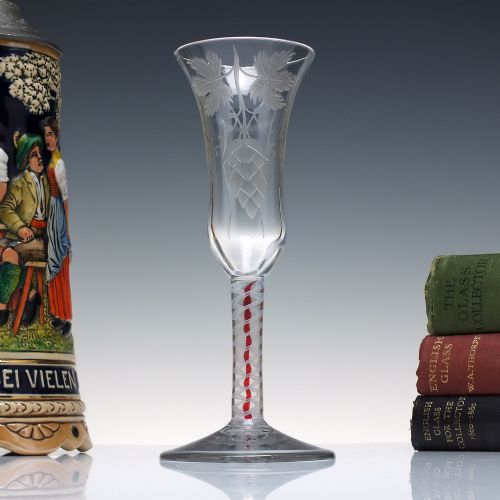


Georgian Barley Glass
Georgian barley glass pieces are drinking vessels and glassware originating primarily in the eighteenth century, sought after by collectors for their historical English craftsmanship.
Georgian Barley Glass
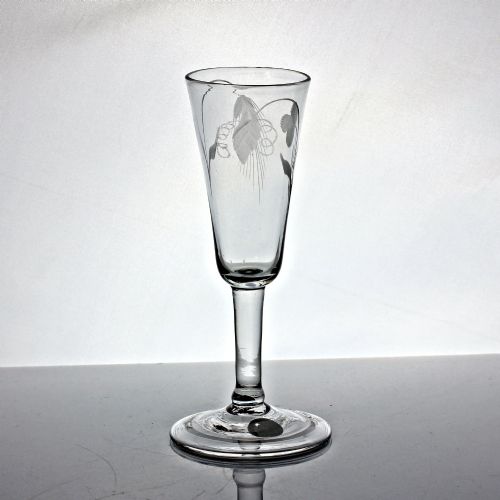
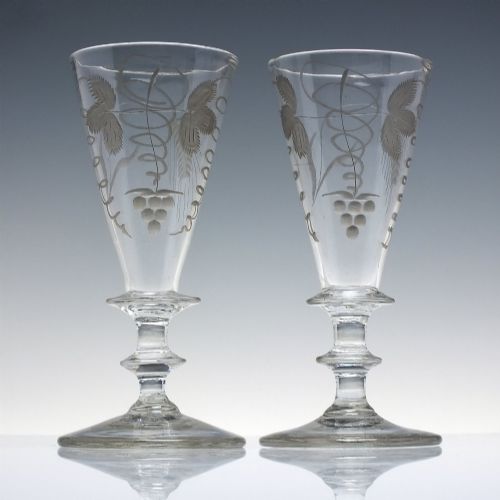
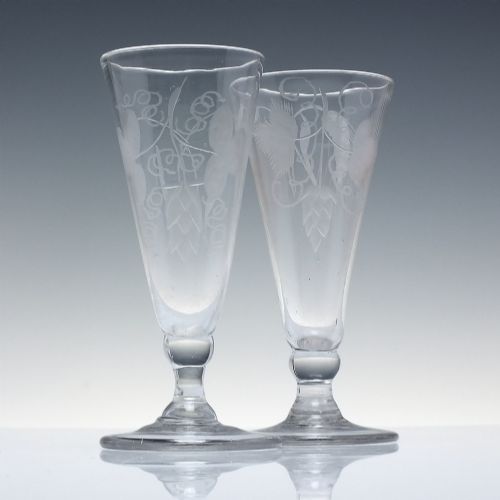
When you search for georgian barley glass, you encounter drinking glasses, ale glasses, and rummers originating mainly from the eighteenth century and the Georgian period. These items are typically English in origin and frequently feature engraved hop and barley motifs.
The objects on this page include stemware, drinking glasses, and larger serving rummers alongside related items such as an oak bureau bookcase. The drinking vessels range from plain stem formats to elaborate twist stems.
Ale glasses and wine glasses form the core of what you will see. Many examples combine traditional drinking vessel forms with detailed botanical engravings of hops and barley.
What Varies in Quality
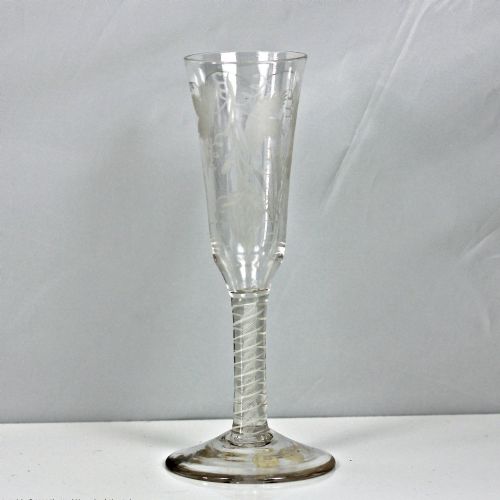
Quality in georgian barley glass depends upon the execution of the stem formation, whether an air twist, a mercury twist, or a plain stem. The complexity of the internal glass structures distinguishes standard production from finer work.
The clarity of the lead crystal and flint glass impacts the visual weight of the vessel. Furthermore, the precision and depth of the hop and barley engraving determine the aesthetic merit of the piece.
Georgian Barley Glass Retail Price Guide 2026
Typical asking prices for georgian barley glass among the pieces listed under this phrase on Sellingantiques today, from the lower quarter to the upper quarter. They describe what is for sale here now, not the wider market.
The archive includes eighteenth-century drinking vessels alongside oak furniture items linked to the Jacobean revival and Edwardian eras.
The Georgian Barley Glass Glossary
- Air twist
- A manufacturing technique trapping elongated bubbles of air within the stem of a glass in a spiral pattern. This creates a shimmering optical effect inside the material.
- Flint glass
- A heavy, brilliant form of glass containing lead oxide that provides high clarity and refraction. It was widely used for fine drinking vessels.
- Rummer
- A large, robust type of drinking glass or goblet used for serving wine, ale, or rum. They often feature generous bowls decorated with engraved motifs.
- Balustroid
- A stem form derived from architectural balusters, featuring a swelling knop above a tapered lower stem. It provides structural weight to eighteenth-century drinking glasses.
Georgian Barley Glass: Frequently Asked Questions
What is a georgian barley glass?
A georgian barley glass is an eighteenth-century drinking vessel, typically an ale glass or rummer, engraved with hop and barley motifs.
These pieces reflect the drinking customs and glassmaking techniques of the Georgian period in England.
How are twist stems made?
Twist stems are formed by manipulating air bubbles or threads of coloured glass within the molten metal before drawing and twisting the stem.
This creates spiral patterns known as air twists or opaque twists inside the glass.
What was an ale glass used for?
Ale glasses were designed specifically for serving beer and ale during social dining and tavern gatherings.
Their tall, narrow bowls helped retain the carbonation and aromas of the beverage.
How do I identify a Georgian glass?
Identification relies on observing the material weight of lead glass, the form of the stem, and the style of engraving.
Eighty-century pieces frequently display pontil marks on the base and characteristic hand-formed proportions.