
Georgian Astragal Bookcase
A georgian astragal bookcase is a refined timber storage piece defined by delicate glazed wooden framing, sought after for library organisation and classic display.
Georgian Astragal Bookcase
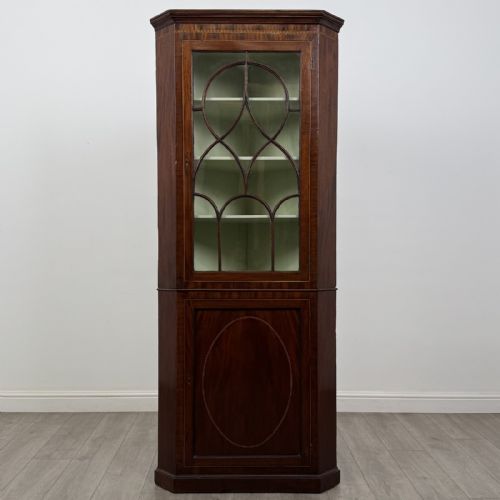
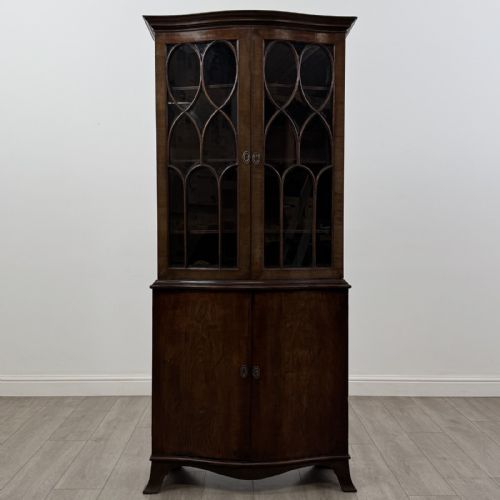
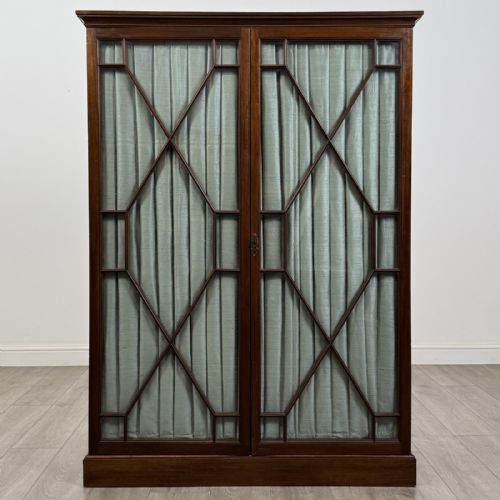
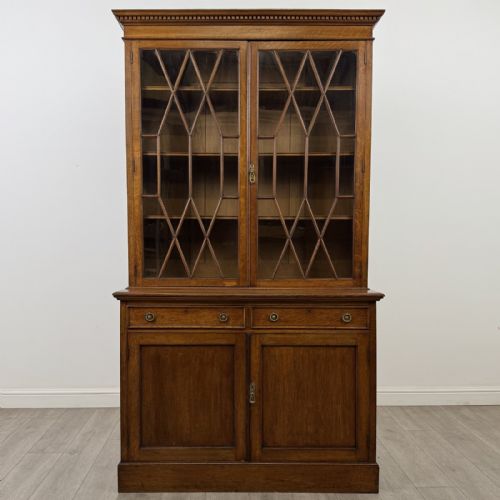
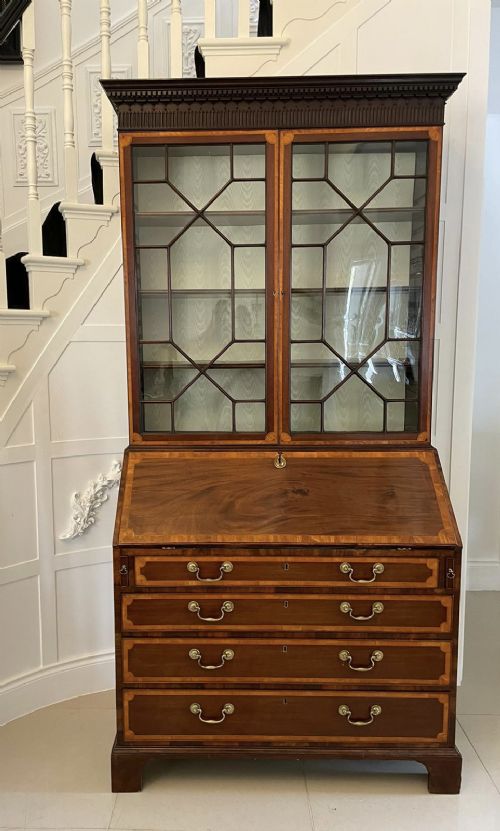
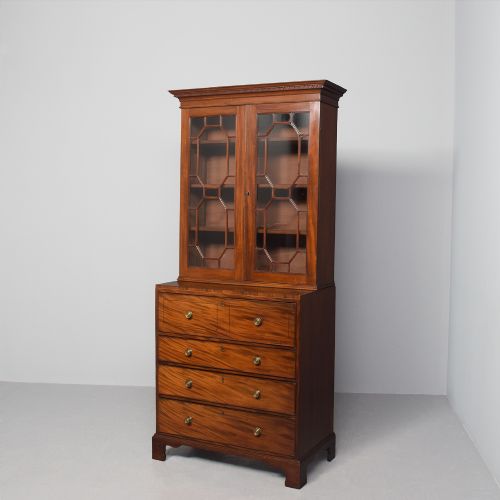
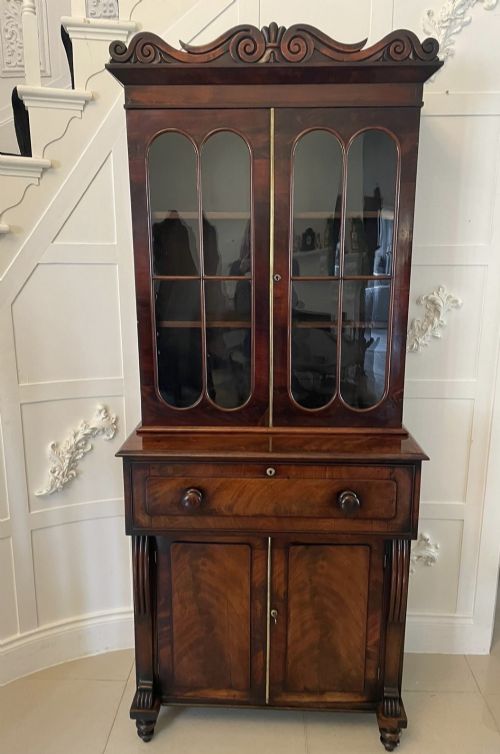
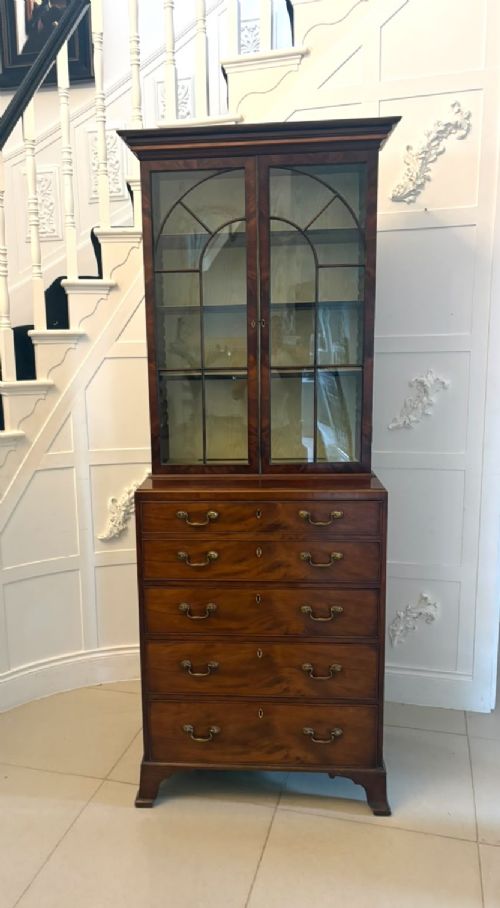
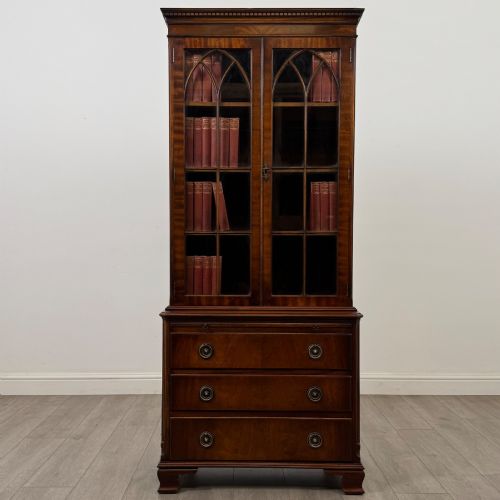
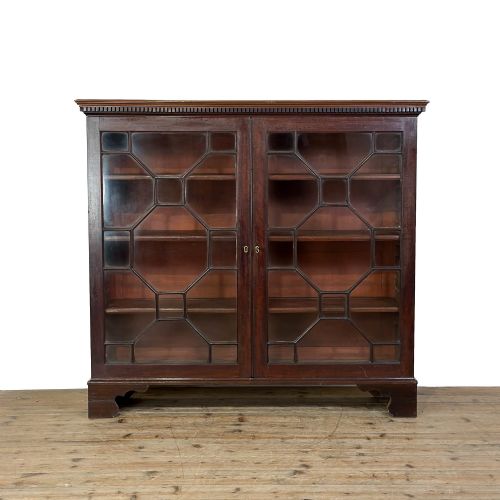
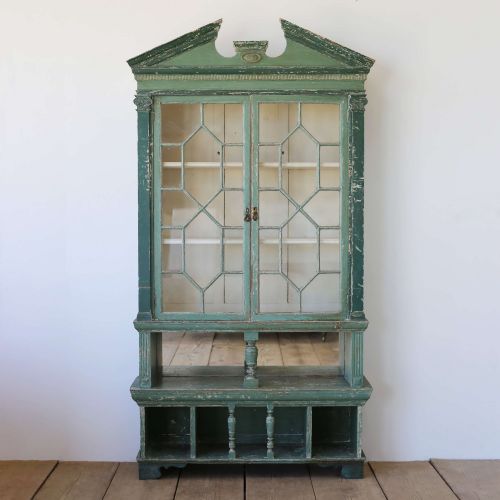
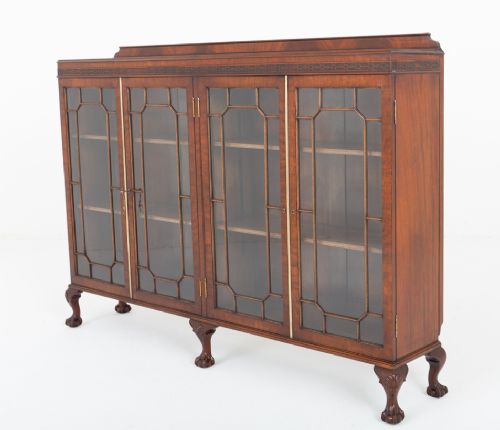
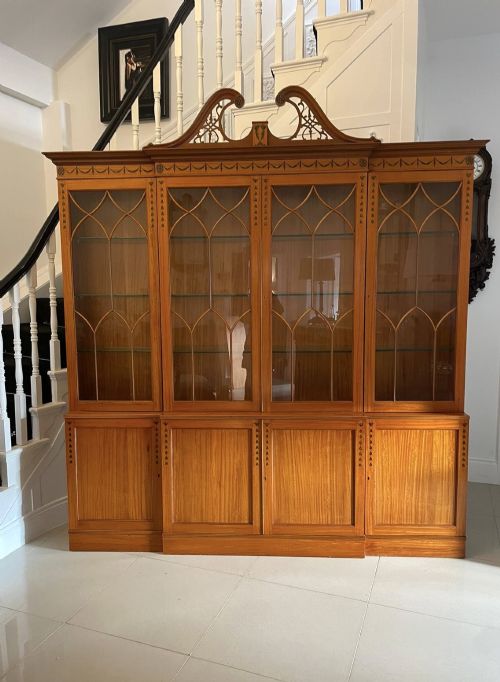
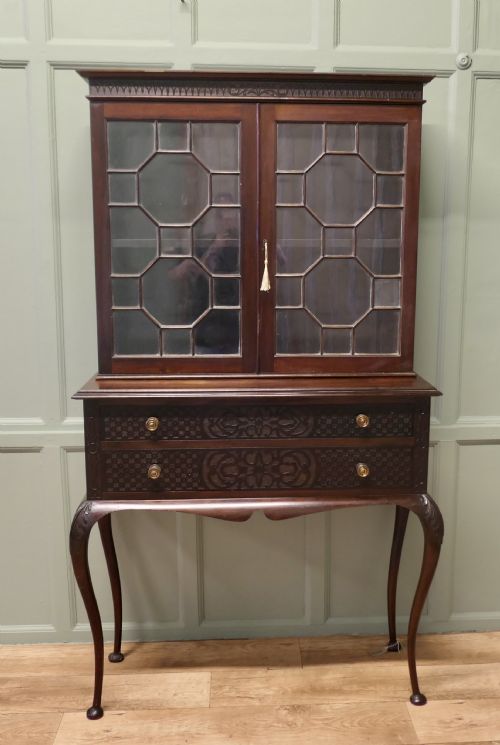
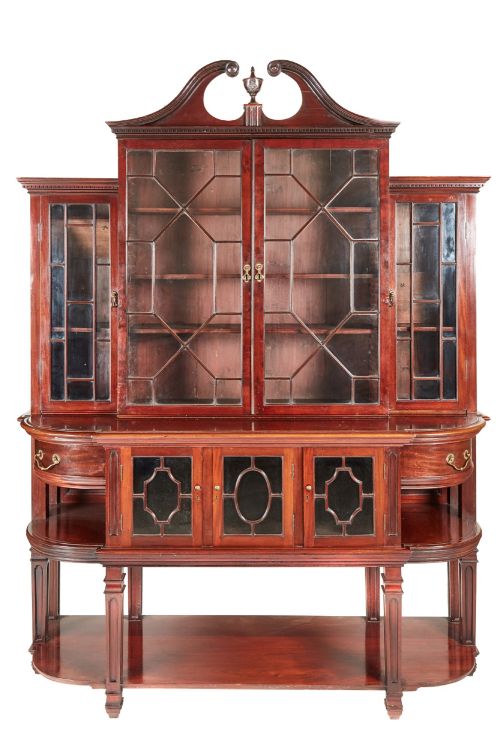
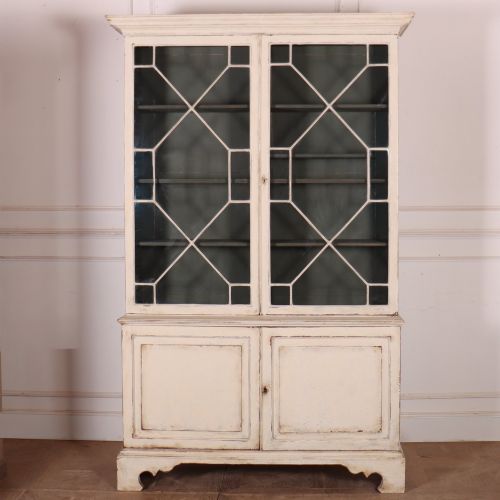
A georgian astragal bookcase typically presents as a tall timber cabinet with glazed upper doors divided by wooden moulding strips known as astragals. The listings record forms ranging from simple bureau bookcases and corner cabinets to large breakfront library pieces and smaller display cabinets.
Makers and cabinetmakers built these storage pieces across the eighteenth and nineteenth centuries, with later revival iterations appearing in the Edwardian period and twentieth century. Mahogany remains the dominant timber across the records, alongside oak, satinwood, and yew wood.
The version most commonly met on this page combines a glazed upper section for books with a lower base comprising drawers, cupboards, or a fitted secretaire drop-front writing drawer. Buyers encounter pieces spanning the Georgian era, Regency period, and Victorian times.
How They Were Made
Cabinetmakers constructed these bookcases primarily in solid mahogany, flame mahogany, and oak, frequently incorporating decorative veneers like satinwood, alongside brass hardware and glass panes. Carpenters shaped individual timber pieces into slender glazing bars to hold the glass panels securely within the upper doors.
Structural methods involve dovetailed drawer construction and fitted internal compartments for the secretaire sections, supported by original brackets, splayed feet, or plinth bases. Some examples feature inlaid stringing, painted decoration, or lacquered finishes applied to the timber surfaces.
Some secretaire bookcases hide secret compartments behind miniature drawers for keeping very private correspondence.
What Varies In Quality
The refinement of the timber selection largely dictates the visual standard, with figured mahogany and satinwood veneers providing greater depth than plain painted timber or standard oak. The precision of the joinery within the astragal bars and the crispness of inlaid stringing demonstrate the maker's hand.
Proportions and interior complexity also separate standard examples from finer library furniture, particularly in pieces featuring fully fitted secretaire drawers with pigeonholes and small cupboards. Original glass panes and untouched brass handles contribute to the integrity of a piece.
Tudor and Burrey·Wylie and Lochhead·Gillows
The Georgian Astragal Bookcase Glossary
- Astragal
- The narrow moulded bar of timber that divides individual panes of glass within a cabinet door. These wooden strips create geometric patterns across the upper bookcase front.
- Secretaire
- A writing drawer featuring a drop-front that opens to reveal small drawers and pigeonholes for correspondence. It combines a writing desk with cabinet storage.
- Breakfront
- A cabinet design where the central section projects forward from the flanking outer wings. This architectural arrangement creates depth and visual balance on large library bookcases.
- Flame mahogany
- A highly figured timber veneer sliced from the wood where branches join the main trunk. It produces a distinctive flickering flame pattern across the cabinet doors.
Georgian Astragal Bookcase: Frequently Asked Questions
How do I use a secretaire bookcase?
The central drawer pulls down on hinges to form a writing surface lined with leather or plain timber. This drop-front conceals small drawers, pigeonholes, and compartments designed for writing letters.
When closed, the drawer locks securely and maintains the clean appearance of a standard chest or cabinet.
Where should I place a large bookcase?
Large breakfront and multi-door bookcases require substantial wall space away from direct sunlight and heat sources. Stable indoor humidity prevents timber warping and protects antique glass and veneer.
Allow sufficient clearance for doors to open fully, particularly on secretaire models where the writing flap extends outward.
How do I date a mahogany bookcase?
Dating relies on timber selection, construction methods, hardware, and architectural style. Georgian and Regency examples typically feature hand-cut dovetails, solid secondary woods, and specific moulding profiles.
Later Victorian and Edwardian revival pieces often display machine-made elements, different interior fittings, and twentieth-century finishing techniques.