

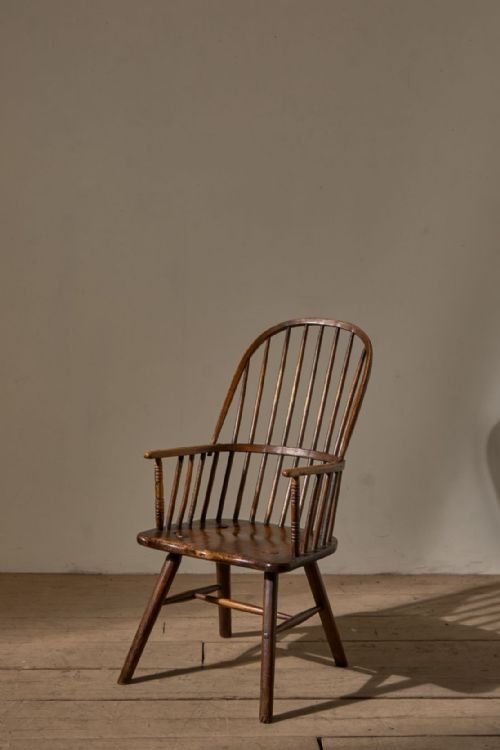
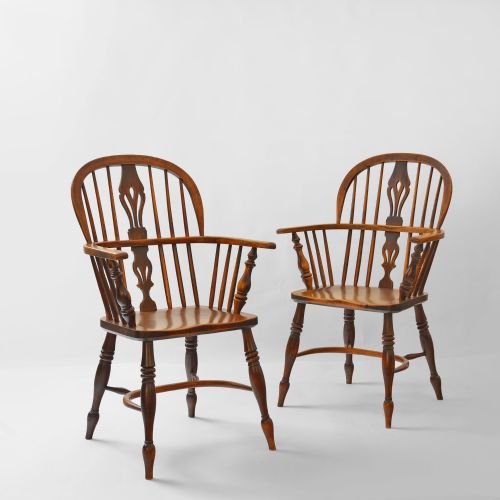

Georgian Ash Armchair
A georgian ash armchair brings rustic vernacular character to a room through traditional English country craftsmanship.
Georgian Ash Armchair
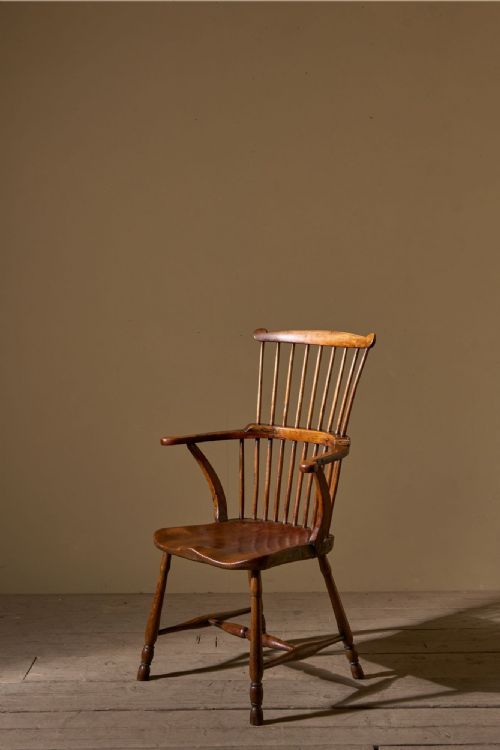
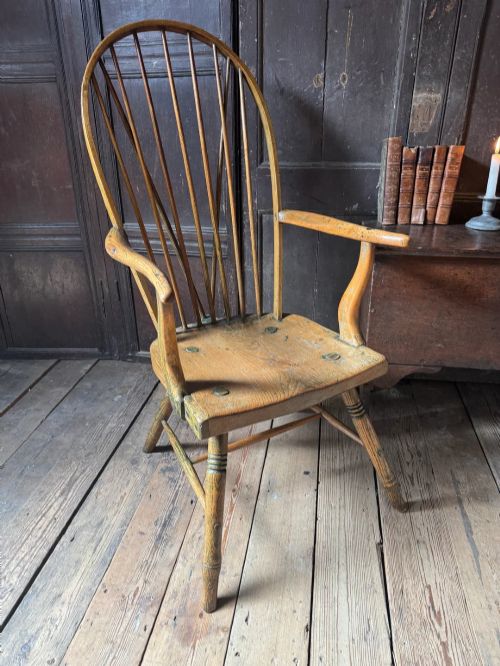
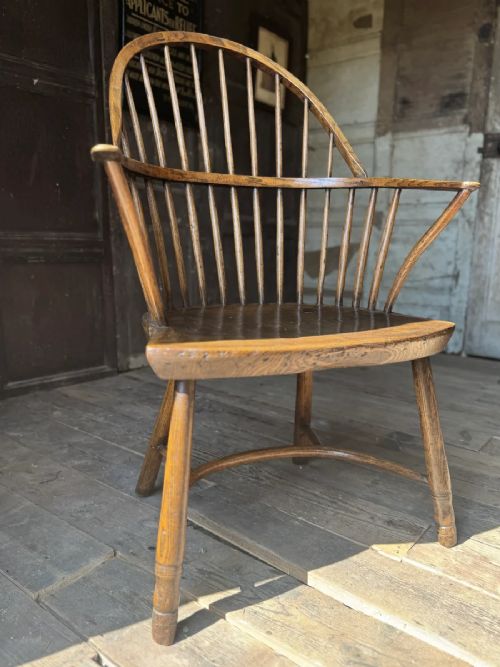
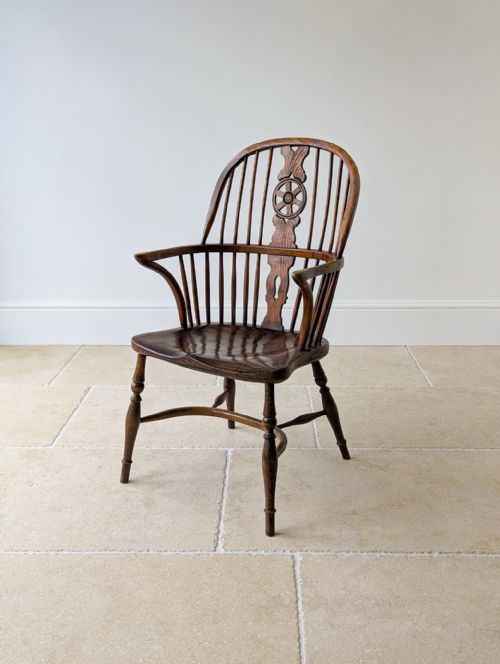
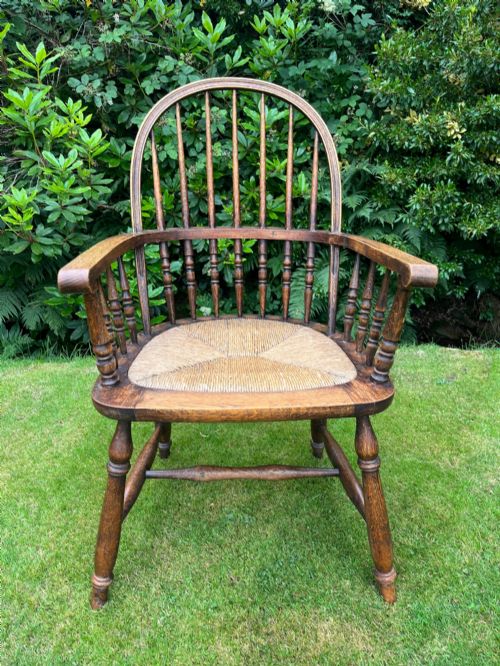
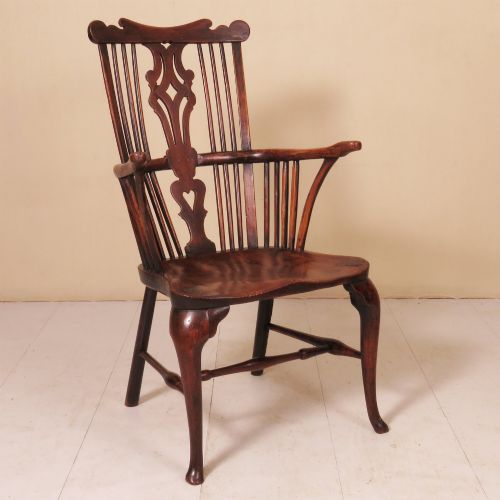
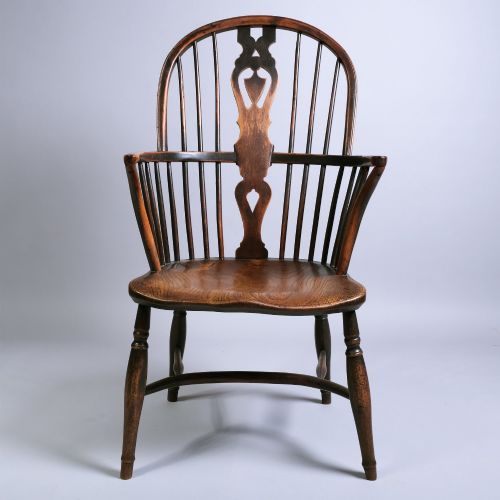
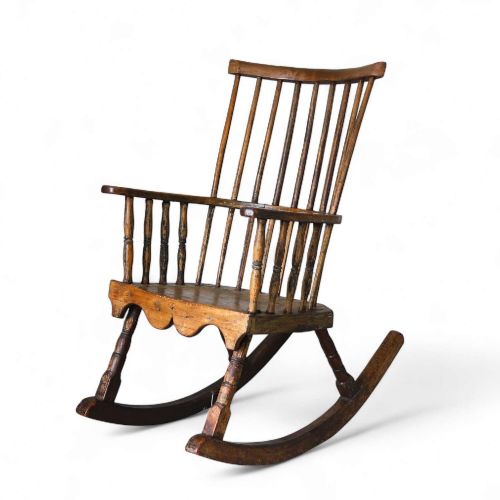
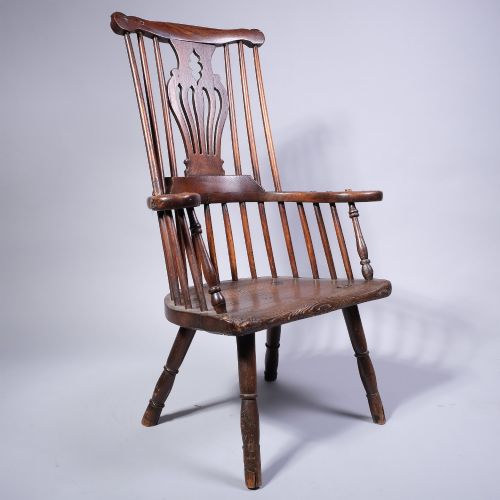
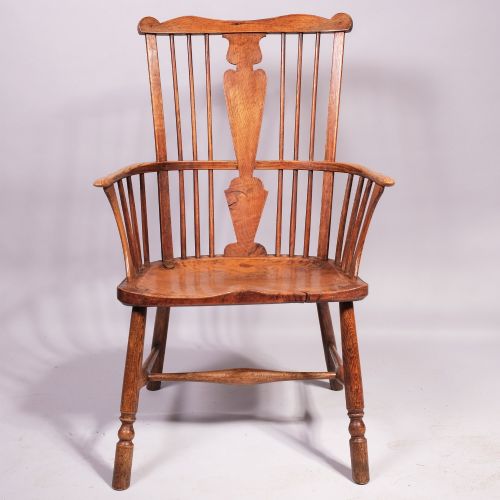
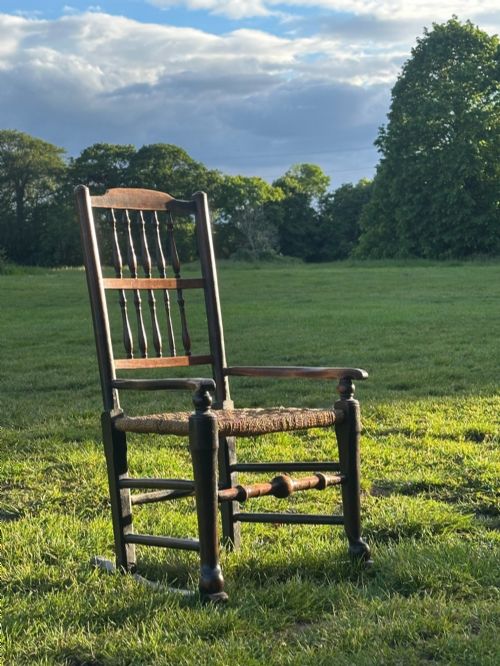
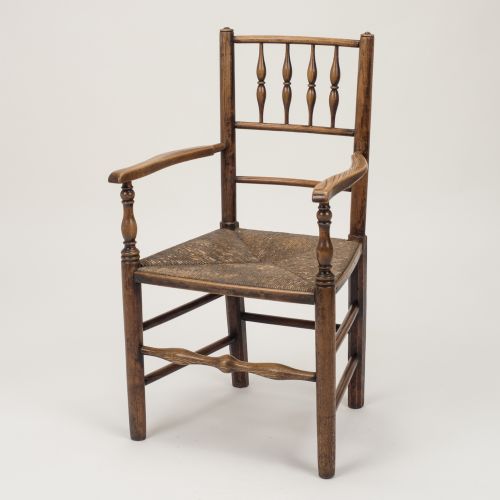
When you search for a georgian ash armchair, you encounter robust seating shaped by country makers using native timbers. The forms include Windsor chairs with comb backs, hoop backs, and wheel backs, alongside ladder-back and spindle-back farmhouse chairs.
The version you are most likely to meet on this page combines an ash frame with an elm seat, often originating from regional workshops in the West Country, Lancashire, or Cheshire. These pieces span the eighteenth and nineteenth centuries, reflecting vernacular traditions rather than urban court styles.
How They Were Made
Cabinet makers and bodgers utilised green woodworking techniques, turning ash on pole lathes for spindles and steam-bending limbs for bows and hoops. Elm provided a tough, non-splitting plank for carved saddle seats.
Construction relied on mortise and tenon joinery, wedged legs, and crinoline stretchers for rigidity. Some chairs incorporate rush seating or retain traces of early paint over the timber.
Potty chairs allowed Tudor and Georgian toddlers to attend family gatherings without missing essential domestic training.
What Varies in Quality
The distinction between ordinary utility seating and superior examples lies in the sculpture of the comb back, the depth of the saddle seat, and the grace of the arm supports. Finer pieces display well-proportioned turnings and harmonious timber combinations such as yew or fruitwood accents.
Proportion and stance dictate the visual weight of the chair, with provincial pieces ranging from heavy rustic forms to refined regional interpretations. Original surface patination and minimal structural replacement elevate the standing of a chair.
The Georgian Ash Armchair Glossary
- Comb-back
- A Windsor chair variation where the vertical spindles extend through a crest rail resembling the teeth of a comb.
- Crinoline stretcher
- An arched underframe connecting the legs of a Windsor chair, strengthening the construction while allowing foot placement.
- Windsor chair
- A wooden chair featuring a solid carved seat into which the legs and back spindles are independently tenoned.
- Vernacular
- Objects made by local craftsmen following regional traditions rather than formal academic design rules.
- Spindle back
- A chair back constructed from multiple slender turned vertical wooden rods.
Georgian Ash Armchair: Frequently Asked Questions
Where were these country armchairs made?
Many regional armchairs originated in the West Country, Lancashire, and Cheshire, where local woodworkers utilised abundant native timber like ash, elm, and sycamore. Regional variations developed distinct spindle arrangements and stretcher designs.
Maker traditions passed through local workshops, resulting in robust seating tailored to rural domestic life rather than formal urban parlours.
How do I live with an antique ash chair?
Living with an antique ash chair involves placing it away from direct heat sources and sudden humidity changes to protect the timber and joints. Regular dusting and occasional wax application help maintain the surface patination.
These chairs suit daily use in studies, kitchens, or living spaces, adding textural contrast to contemporary and traditional interiors alike.
What timber was used for the seat?
Elm served as the primary timber for chair seats because its interlocking grain resisted splitting when carvers hollowed out a saddle shape. Ash was typically reserved for the bent bows, legs, and spindles due to its flexibility and strength.
Other woods like yew, fruitwood, and sycamore occasionally appear in regional pieces for contrast or structural reinforcement.