


Georgian Art Prints
Georgian art prints encompass historical portraiture, botanical studies and allegorical works printed on paper or rendered under glass.
Georgian Art Prints
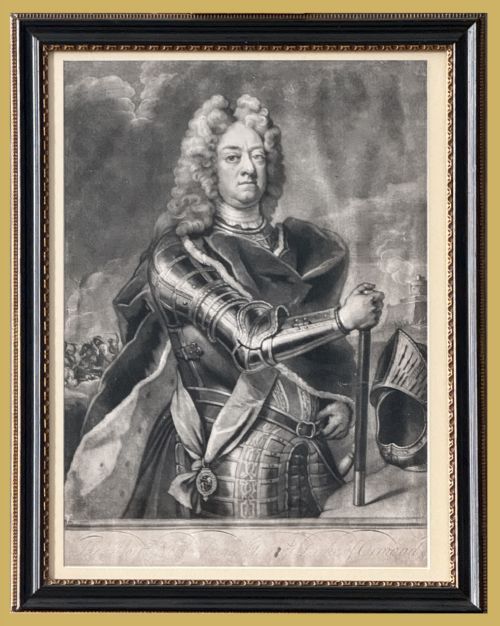
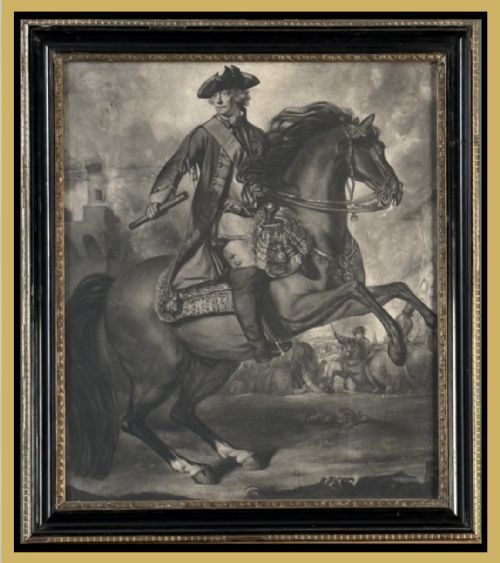
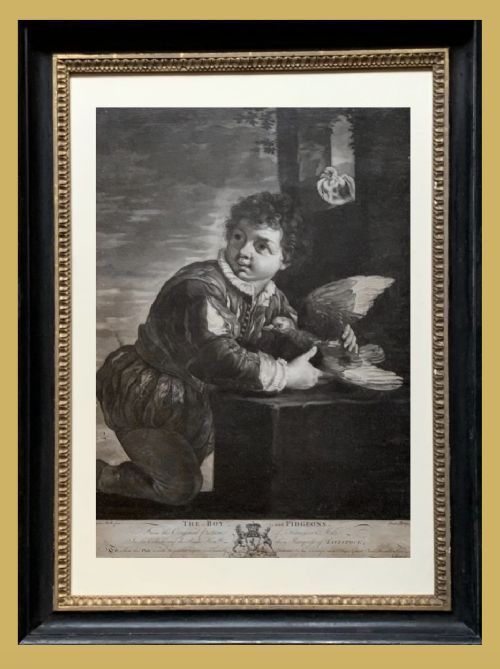
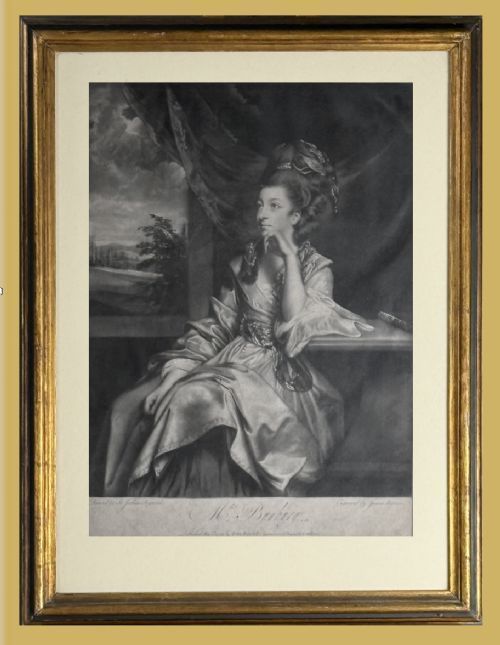
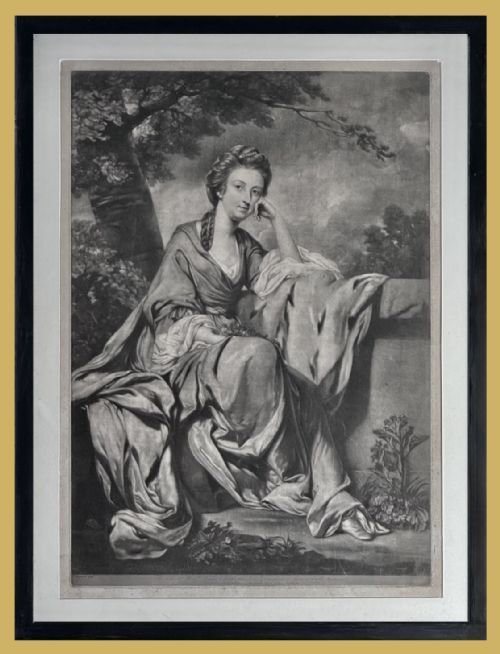
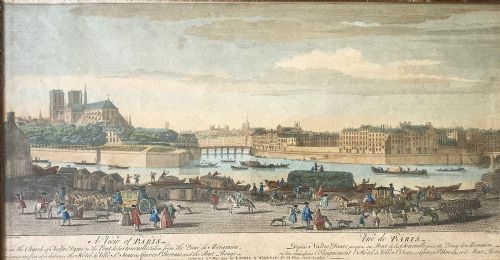
When seeking georgian art prints, collectors encounter framed works originating primarily from the eighteenth century and the Regency period. These items span various forms including wall art, framed prints and detailed engravings depicting notable figures, historical scenes and classical subjects.
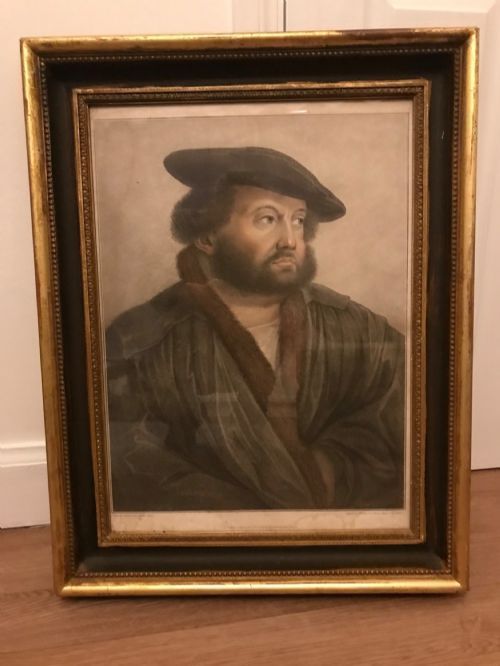
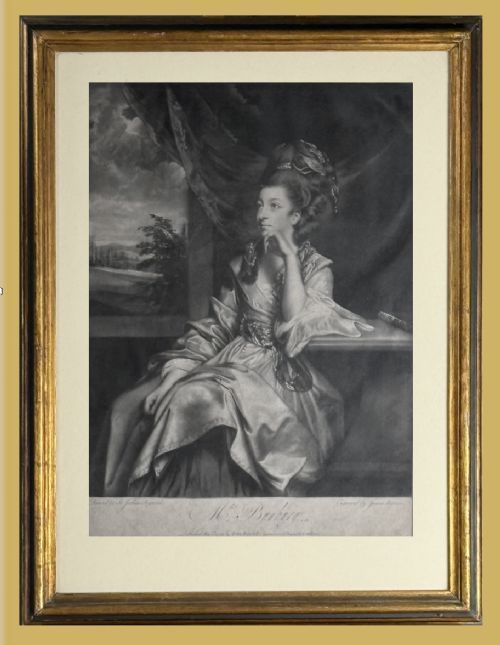
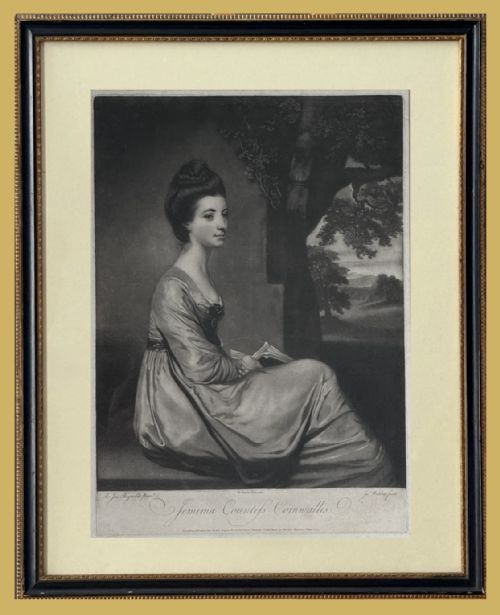
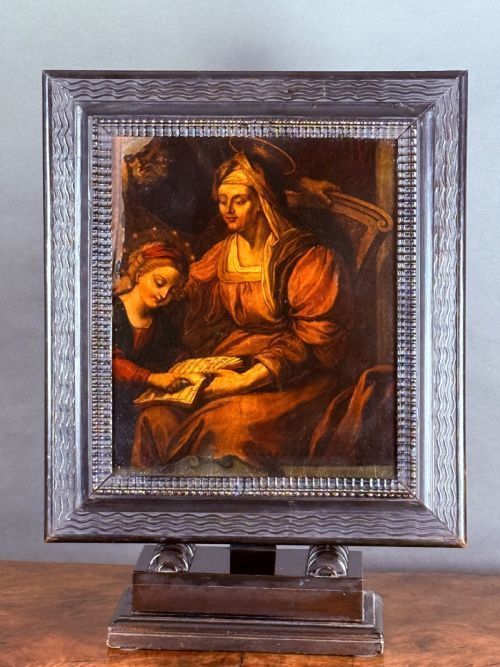
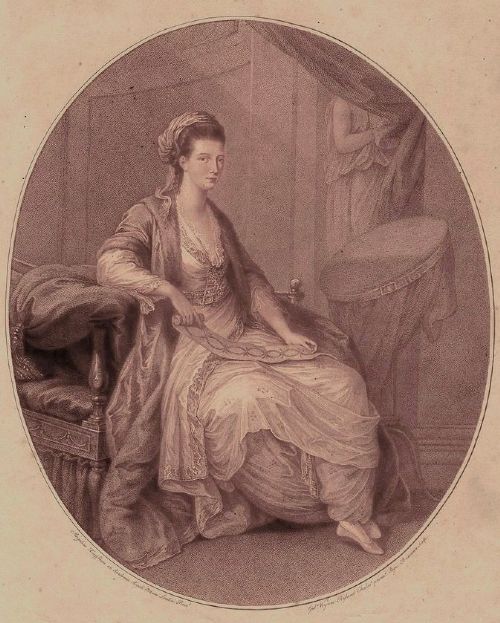
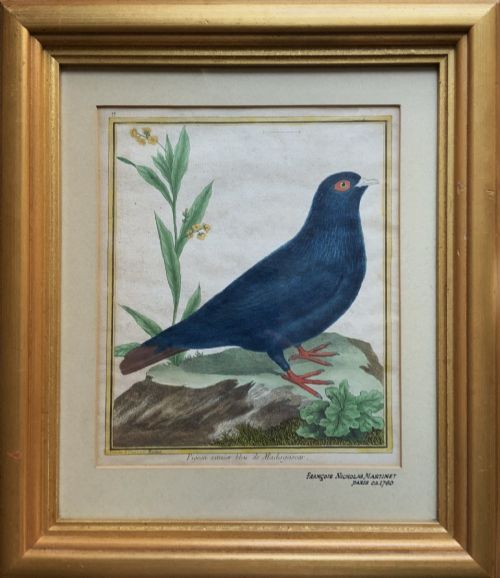
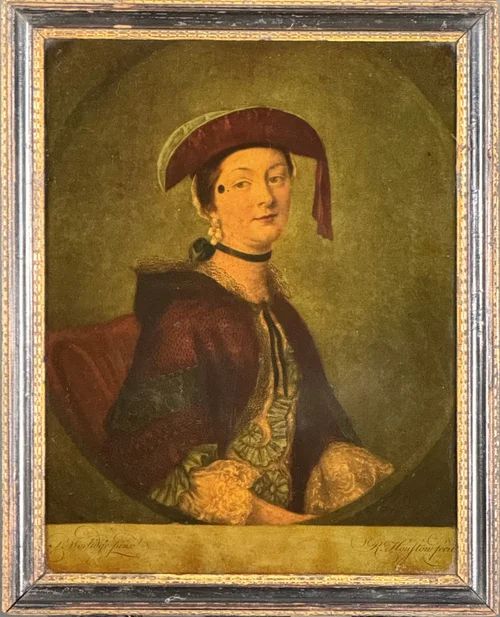
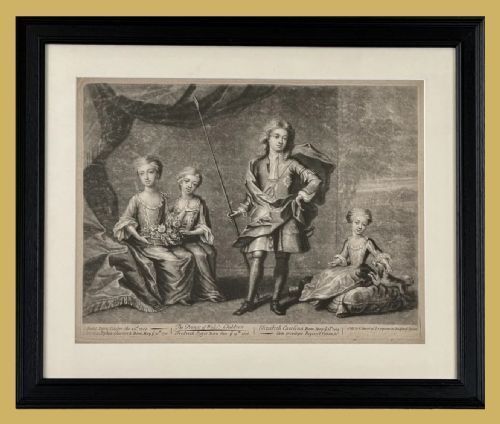
The inventory on this page consists predominantly of mezzotint portraits, stipple engravings and reverse glass paintings. Subjects range from nobility and theatrical performers to mythological figures and delicate botanical or animal illustrations.
The aesthetic reflects periods such as the Baroque, Neoclassical and Georgian styles. Pieces frequently arrive housed in period frames constructed from wood, giltwood or gold leaf.
How they were made
Makers utilised paper as the primary support for copperplate printing techniques such as mezzotint and stipple engraving, applying ink to transfer detailed tonal gradations. Skilled artisans occasionally introduced hand colouring to enhance specific pictorial elements.
Reverse glass paintings involved applying pigment and ink directly onto the rear surface of glass panels, often incorporating metallic leaf to achieve luminous highlights. Craftsmen enclosed these finished sheets within timber frames finished in gilt or gold leaf.
Listings feature works spanning the eighteenth century, the Regency era and the nineteenth century, executed on paper and glass.
What varies in quality
The clarity of the impression on the paper separates superior printings from worn impressions where the plate has degraded through excessive use. Crisp lines and deep tonal contrasts in mezzotints reflect the skill of the original engraver and the condition of the metal plate.
The integrity of the framing and the preservation of any original hand colouring or reverse glass medium influence the overall character of the piece. Surviving period frames constructed from gilt wood contribute significantly to the authenticity of the presentation.
John Simon·Edward Fisher·John Boydell·James Watson·Francesco Bartolozzi·John Smith·Charles Spooner·Valentine Green·Thomas Frye
The Georgian Art Prints Glossary
- Mezzotint
- A printmaking process where the copper plate is roughened uniformly to produce dark tones, then scraped and burnished to create light areas. This technique allows for rich, velvety gradations of shadow and light.
- Stipple engraving
- A method of producing prints using dots of varying sizes and densities rather than continuous lines. It creates subtle flesh tones and delicate textures often seen in portraiture.
- Reverse glass painting
- An artwork created by painting or applying ink on the back of a piece of glass and viewing it from the front. This method imparts a glossy, reflective surface finish.
- Giltwood
- Wood that has been coated with a thin layer of gold leaf or powder. It provides a bright, reflective border popular in period frames.
- Engraving
- The process of incising a design onto a hard surface, traditionally a metal plate, to hold ink for printing. It yields sharp, precise lines.
Georgian Art Prints: Frequently Asked Questions
What is a mezzotint portrait?
A mezzotint portrait is an image created from a copper plate prepared to hold deep ink tones, producing smooth transitions between light and dark.
Printers used this method during the eighteenth century to reproduce paintings of prominent figures with painterly depth.
How should I hang these prints?
These works require protection from direct sunlight to prevent the fading of paper, ink and hand-applied watercolours.
Displaying them in stable indoor environments helps preserve both the delicate print surface and the original wooden or gilt frames.
Are these works original period pieces?
The inventory consists of historical works originating from the eighteenth and nineteenth centuries.
They utilise traditional printmaking techniques and materials characteristic of the Georgian era rather than modern reproduction methods.
What is a reverse glass painting?
A reverse glass painting is an artwork applied directly to the rear side of a glass panel.
Viewers observe the image through the front of the glass, which gives the colours a distinct sheen and depth.