


Georgian Art Miniature
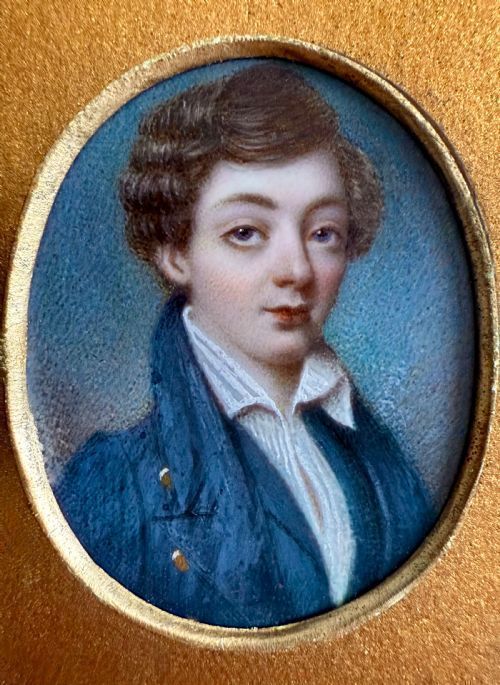
A georgian art miniature captures intimacy on a small scale, offering a direct window into past lives through delicate portraiture.
Georgian Art Miniature
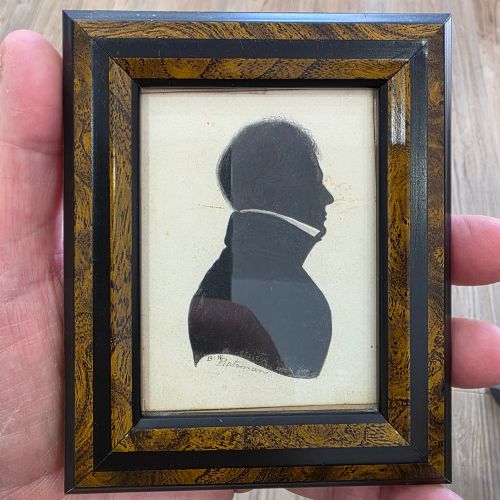
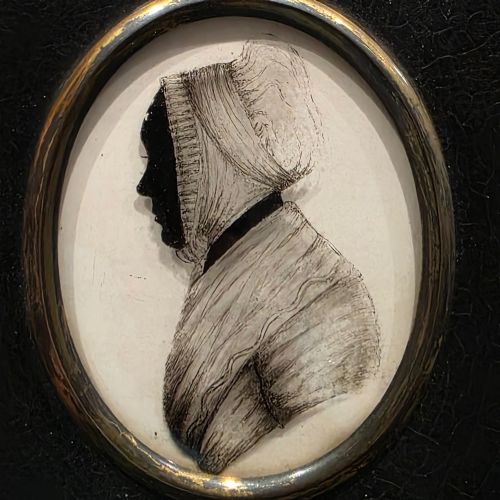
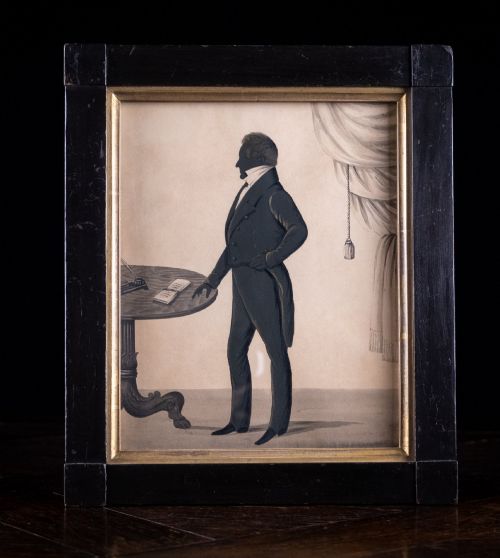
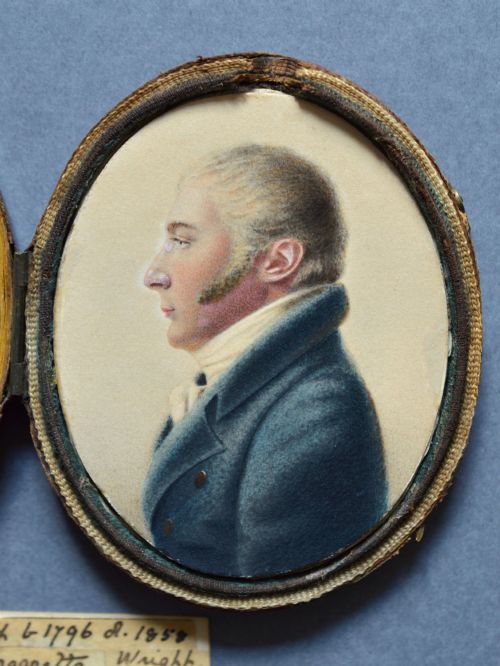
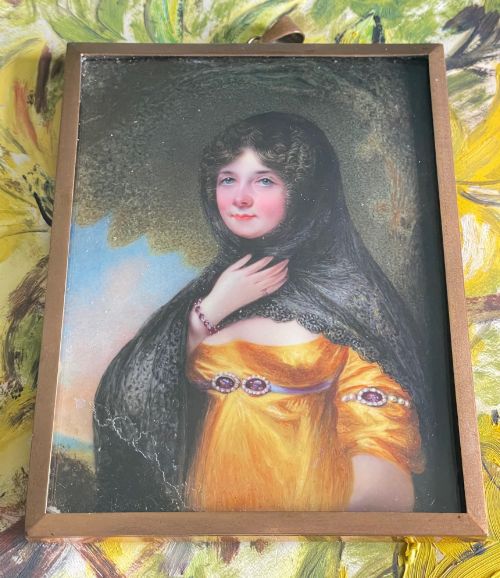
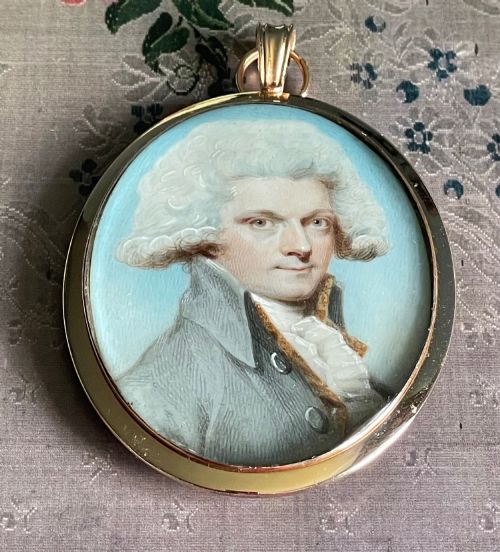
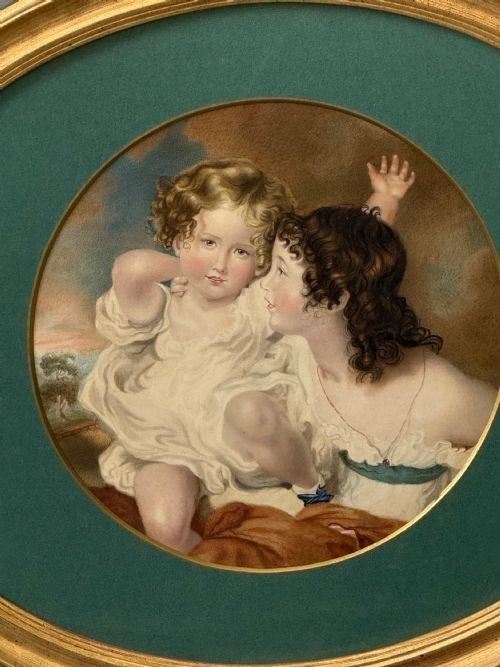
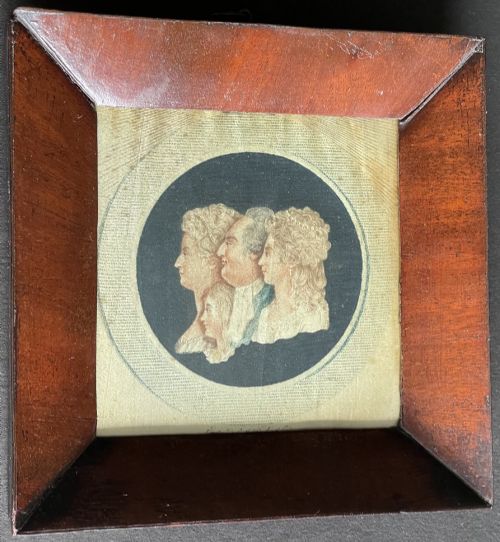
A georgian art miniature most frequently appears as a framed portrait, silhouette or painted study created during the eighteenth and nineteenth centuries.
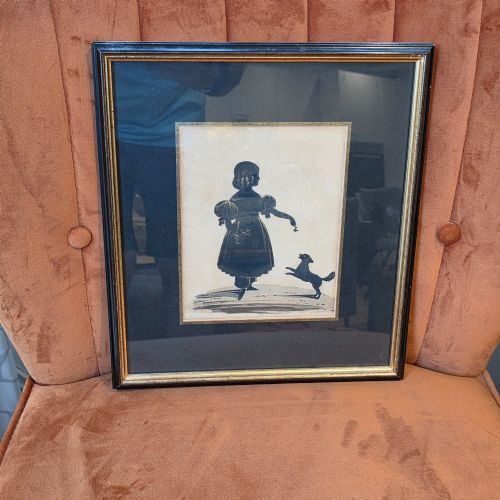
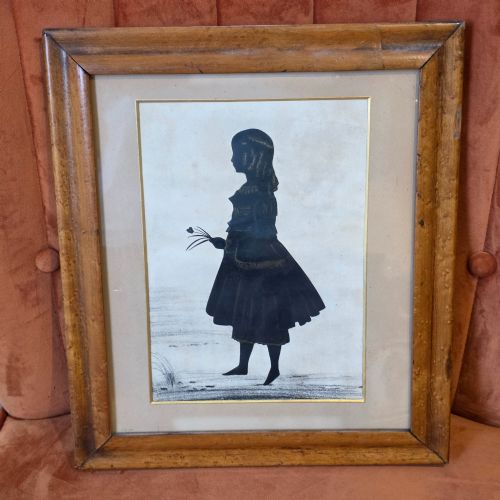
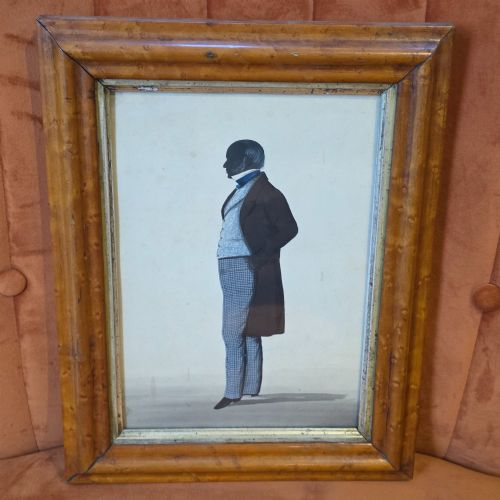
The selection on this page centres on silhouette portraits, watercolour paintings and enamel works spanning the Georgian, Regency and Victorian periods.
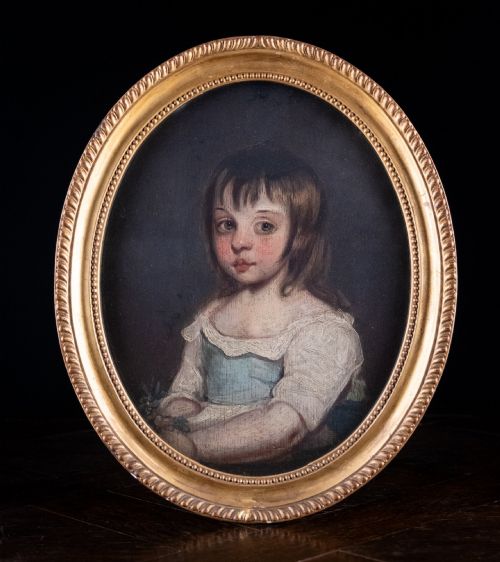
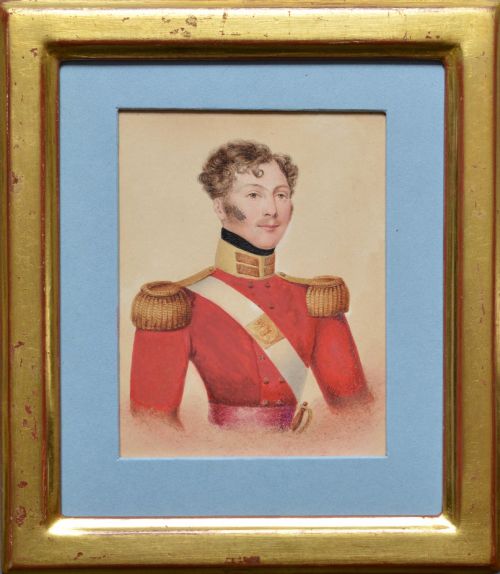
Collectors encounter diverse formats, ranging from delicate cut-paper profiles to detailed watercolour likenesses of officers, children and society figures.
How they were made
Artists worked on paper, glass, silk and metal plates utilising watercolour, ink, enamel and gold leaf.
Silhouettes involved careful hand-cutting of paper or reverse-painting on glass, whilst portrait miniatures required fine brushwork on ivory, card or vellum.
Frames incorporate wood, brass, gilt metal and ebonised finishes to protect and display the delicate artwork within.
Several portraits preserve the likenesses of beloved household pets alongside their owners.
What varies in quality
Precision of line and depth of characterisation separate standard pieces from exceptional works by noted miniaturists.
The preservation of original pigments, delicate cut-paper details and authentic period framing dictates the standing of each piece.
William James Hubard·Henry Bone·Horace Hone·Richard Cosway·Augustin Edouart·John C D Engleheart·Frederick Buck
The Georgian Art Miniature Glossary
- Silhouette
- A portrait profile filled in with a solid colour, usually black, often cut from paper or painted.
- Enamel
- A glassy substance fused to a metal backing through heat, utilised for durable miniature portraits.
- Plumbago
- A fine drawing executed in graphite, taking its name from the Latin word for lead ore.
- Reverse painting
- A technique where the artist paints on the back of a glass sheet, viewed from the front for a glossy finish.
Georgian Art Miniature: Frequently Asked Questions
What is a georgian art miniature?
A georgian art miniature is a small-scale portrait or silhouette created during the eighteenth or nineteenth century, designed for personal keepsake or display.
These pieces capture likenesses of individuals with remarkable detail despite their diminutive size.
How were portrait miniatures displayed?
Miniatures were commonly framed in wood, brass or gilt metal for hanging on walls or placement on surfaces.
Some were housed in pendant cases or hinged frames to be worn or kept close in travel.
How do I care for a miniature?
Keep miniatures away from direct sunlight to prevent the fading of delicate watercolours and paper components.
Maintain stable indoor humidity to protect wood frames and organic materials like ivory or paper.
How are periods distinguished?
Stylistic shifts in clothing, hair and framing materials help differentiate Georgian works from later Regency or Victorian examples.
Signatures, inscriptions and specific framing techniques also point toward a precise period of creation.