


Georgian Jug
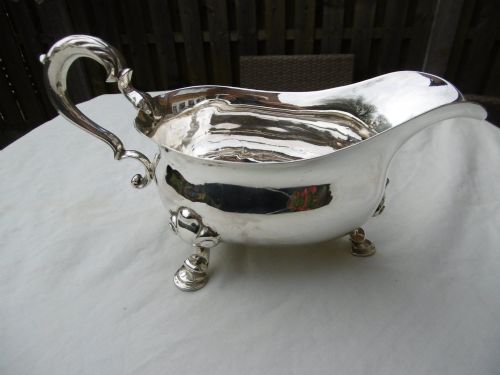
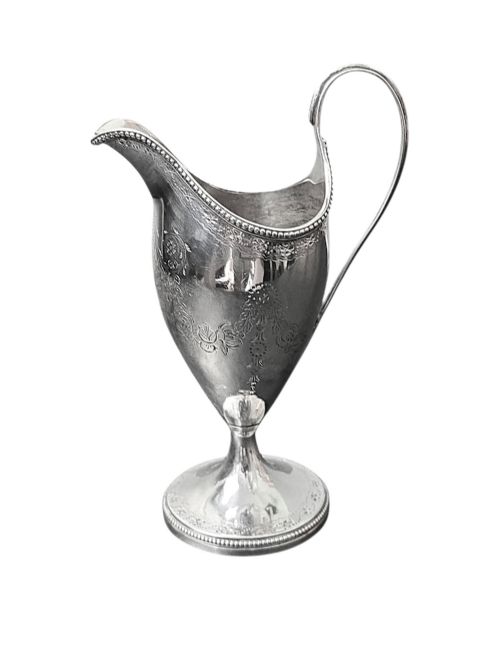
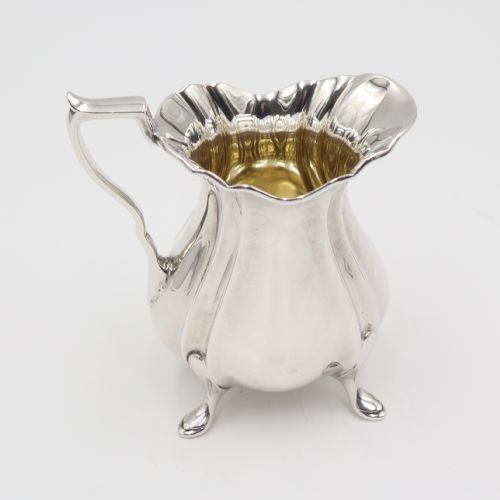
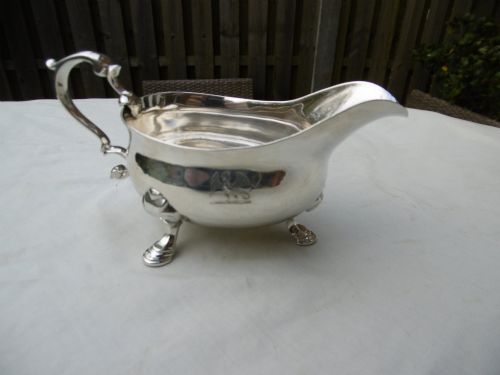
These georgian antique jug pieces bring together sterling silver, porcelain, and earthenware forms designed for milk, cream, and water. A buyer chooses one to hold historical craft in daily use.
Georgian Jug
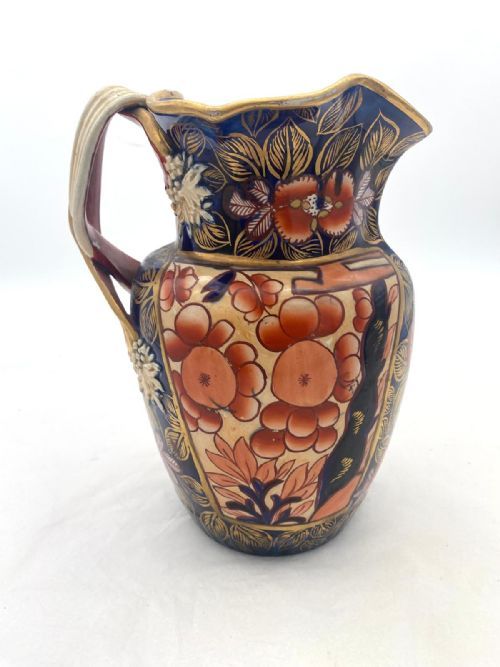
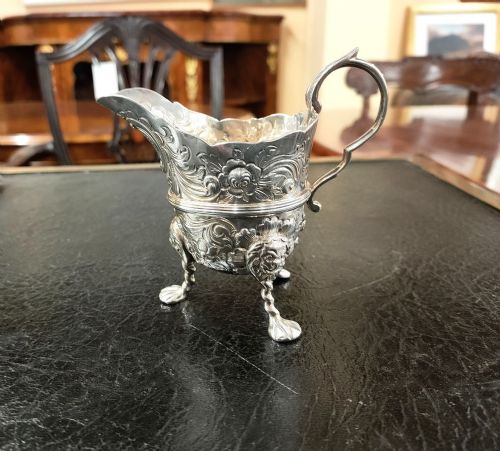
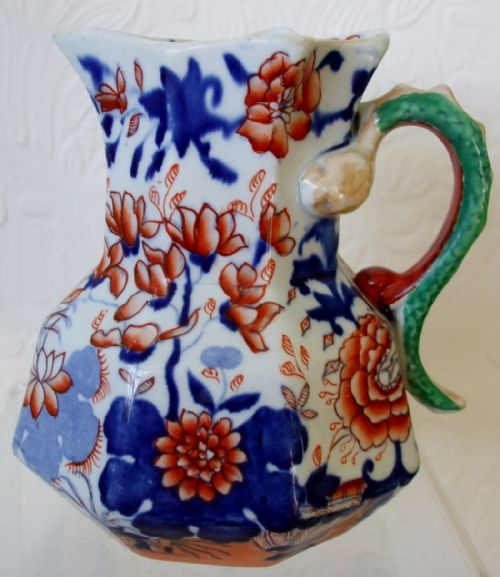
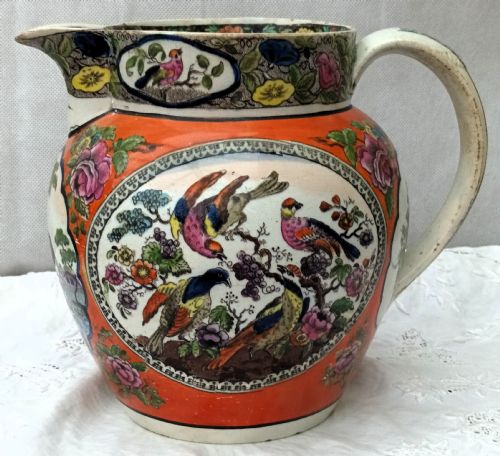
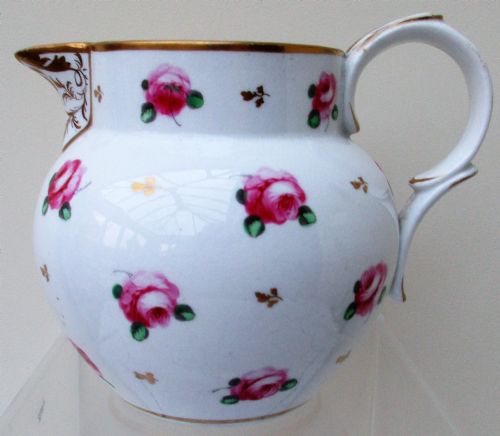
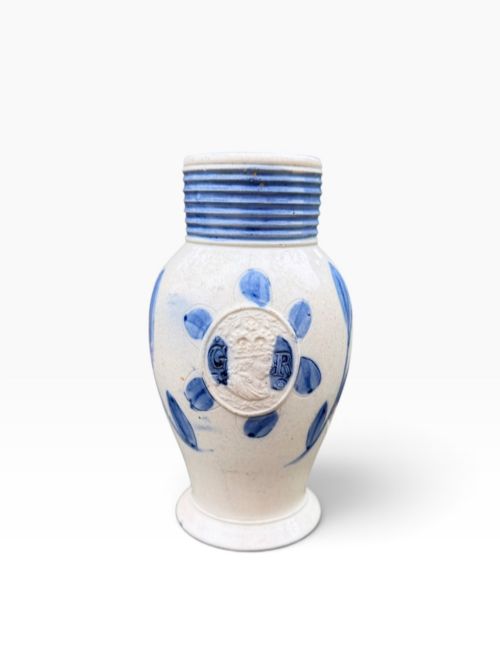
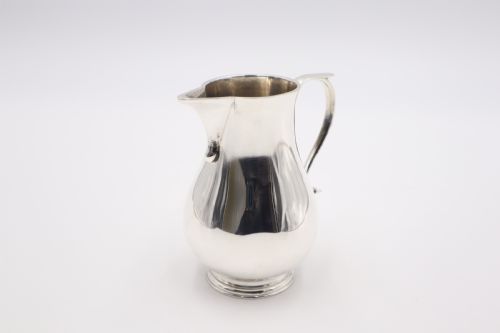
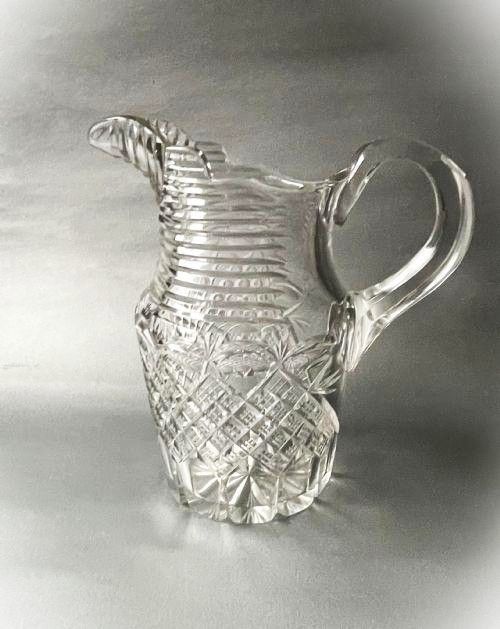
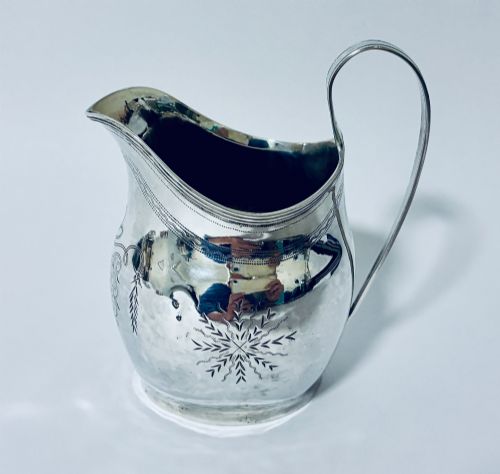
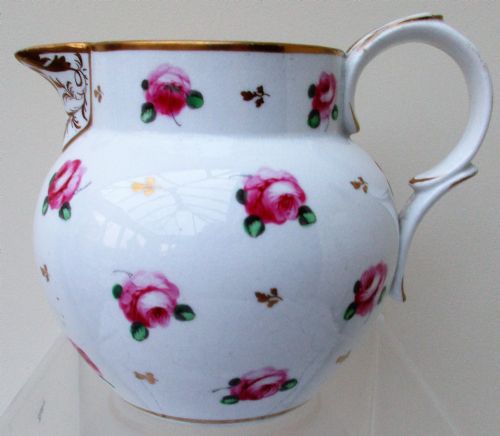
A georgian antique jug on this page typically appears as a small cream jug, milk jug, creamware pitcher, or porcelain ewer. The selection spans earthenware, bone china, pewter, and solid silver forms created during the eighteenth and nineteenth centuries.
Many examples originate from regional English potteries and silversmith workshops, including Staffordshire earthenware and provincial sterling silver pieces. Domestic serving vessels dominate the range, alongside commemorative items and collegiate trophies.
Materials and Techniques
Pottery items utilise earthenware, creamware, and soft-paste porcelain bodies finished with hand-painted polychrome pigments, transfer printing, or pink lustre glazes. Metal variants employ sterling silver, pewter, copper, and brass shaped through hammering, casting, and soldering techniques.
Porcelain pieces rely on early factory formulas developed at Worcester, Bow, and Derby, often featuring hand-applied gilding and underglaze blue decoration. Earthenware examples combine slip-casting and hand-modelling with distinct lead-glazed finishes.
Georgian Jug Retail Price Guide 2026
Typical asking prices for georgian jug among the pieces listed under this phrase on Sellingantiques today, from the lower quarter to the upper quarter. They describe what is for sale here now, not the wider market.
Regional English silver centres like Exeter and Newcastle are represented alongside London silversmiths.
Assessing Quality
Quality rests in the crispness of the modelled shape, the clarity of transfer-printed transfer details, and the precision of hand-painted brushwork. Metal vessels show distinction through the weight of the silver, clear hallmarks, and the balance of the handle and spout.
Superior porcelain and earthenware pieces display smooth glaze surfaces without firing distortion, alongside well-preserved enamels and intact sparrows-beak or baluster contours. Provincial silver pieces demonstrate refinement through sharp engraving and solid footed bases.
Flight and Barr·John Pennington·Stalker and Mitchison·Richard Gurney
The Georgian Jug Glossary
- Creamware
- A fine earthenware developed in Staffordshire with a pale yellow or cream-coloured lead glaze. It became the dominant domestic ceramic material of the period.
- Transfer print
- A decorative technique where an engraved metal plate transfers a design onto paper, which is then pressed onto the ceramic body before glazing. This allowed for intricate dark or coloured patterns.
- Lustreware
- Earthenware decorated with a metallic film that produces a reflective, iridescent sheen. Pink and copper tones predominate on maritime and commemorative pieces.
- Ewer
- A large jug with a wide spout and shaped handle, traditionally used for water rather than dairy. These often feature elevated footed bases.
- Sparrowbeak
- A small, delicate porcelain milk jug featuring a distinctively pinched spout resembling a bird's beak. This form is particularly associated with eighteenth-century factories like Bow.
Georgian Jug: Frequently Asked Questions
How do I clean an antique silver jug?
Wash silver pieces gently in warm soapy water using a soft cloth, then dry them thoroughly with a lint-free towel. Avoid abrasive dips or harsh commercial pastes that can wear away historic hallmarks and surface detail.
Store the jug away from direct sunlight and damp environments to prevent natural tarnishing. Regular, gentle dusting preserves the soft patina developed over centuries of use.
Can I use these jugs for serving food?
Most ceramic and silver pieces remain structurally sound for serving liquids like cream, milk, or water at the table. Hand washing is essential, as modern dishwashers use harsh detergents and heat that damage old glazes and soft metal.
Historic pottery may feature hairline cracks or crazing beneath the glaze, meaning prolonged liquid contact can cause staining. Inspect the interior condition before deciding on daily culinary service.
How do I distinguish cream jugs from milk jugs?
Cream jugs are generally smaller in scale, often featuring narrower sparrows-beak lips designed for pouring rich cream in modest quantities. Milk jugs tend to be larger, accommodating the greater volumes required for tea and coffee service.
Proportions vary across different decades, but capacity remains the most reliable indicator of intended table use. Silver sets often pair a smaller cream jug with a matching larger sugar basin.
What does transfer printing look like?
Transfer printing appears as a precise, repeating monochromatic pattern applied beneath or over the ceramic glaze. Look closely with a magnifying glass to spot tiny stippled dots rather than freehand brush strokes.
Common motifs include pastoral scenes, geometric borders, and commemorative Masonic emblems in black, magenta, or blue. This technique allowed factories to produce uniform decorative patterns efficiently.