
Georgian Drawers
Georgian antique drawers bring domestic proportion and warm timber grain into modern rooms, offering enduring storage through classic cabinet forms.
Georgian Drawers
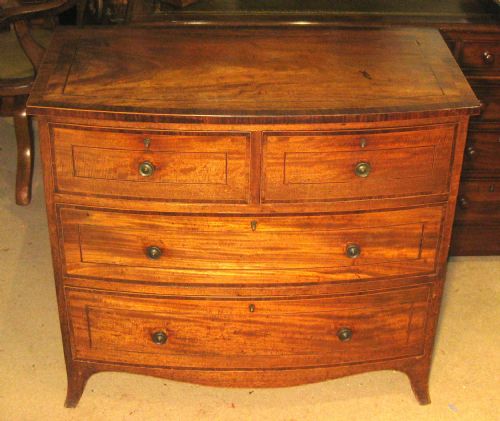
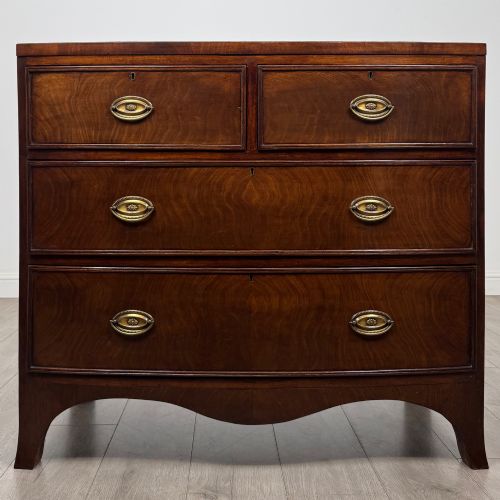
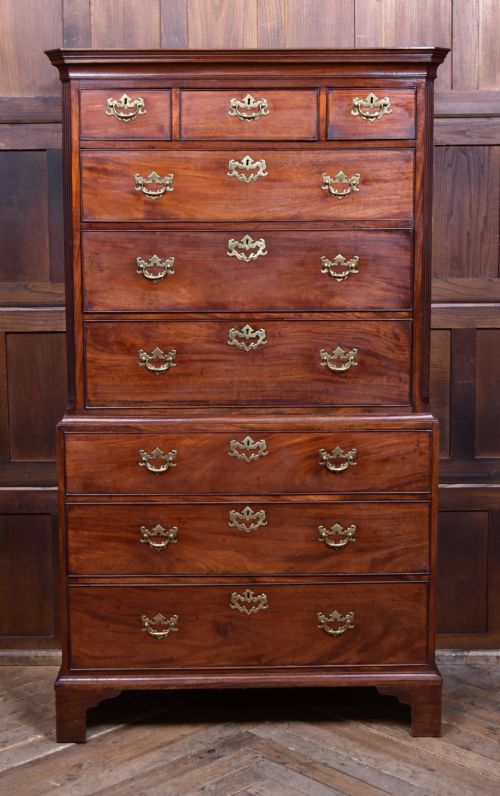
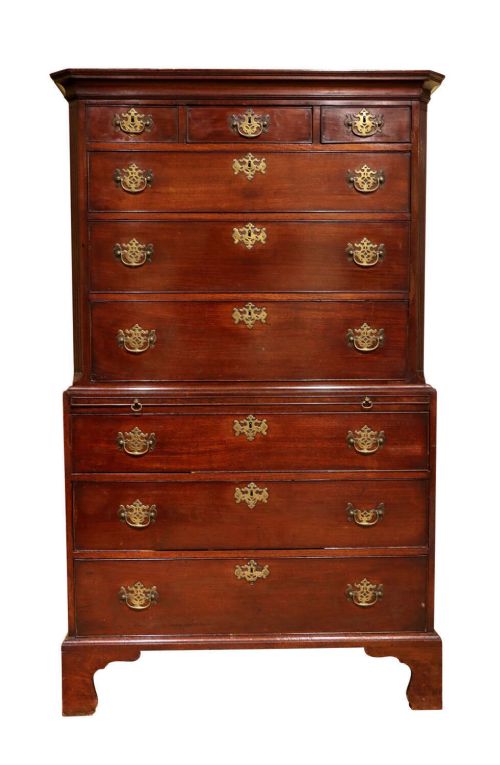
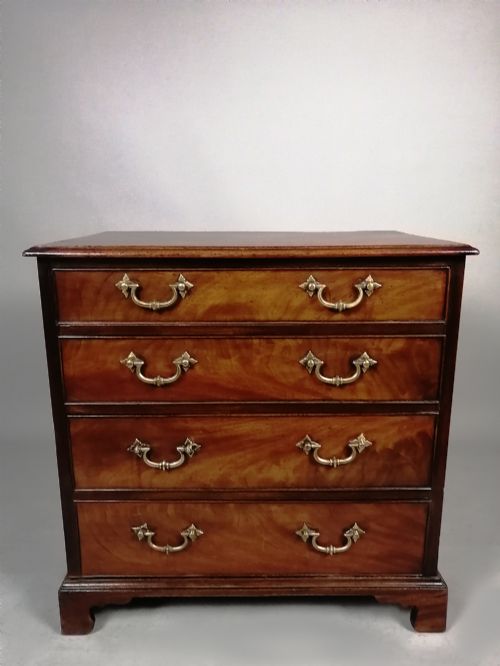
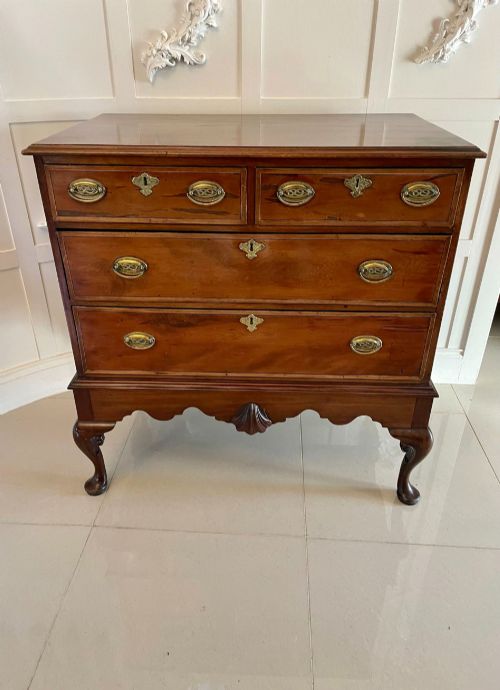
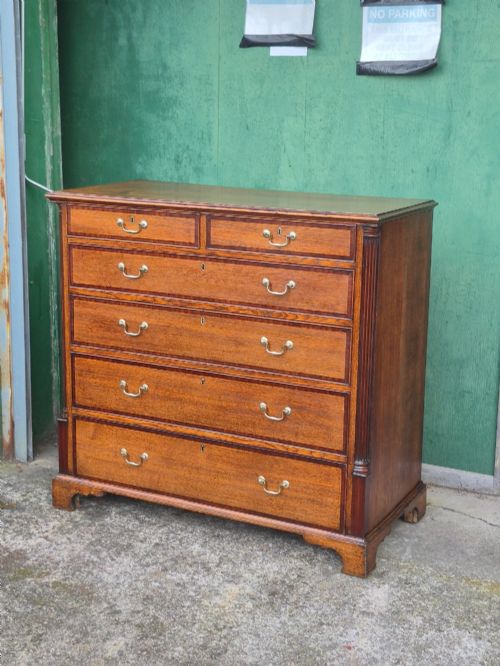
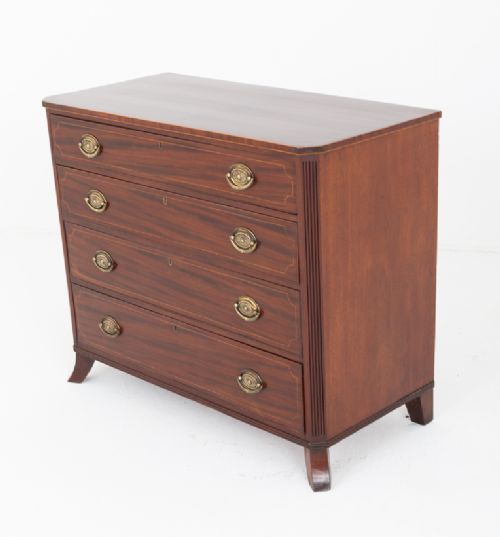
When searching for georgian antique drawers, buyers encounter case furniture primarily built during the eighteenth and early nineteenth centuries, alongside later revivals. The form appears most frequently as a straightforward chest of drawers, alongside taller chest on chest structures and compact bow front designs.
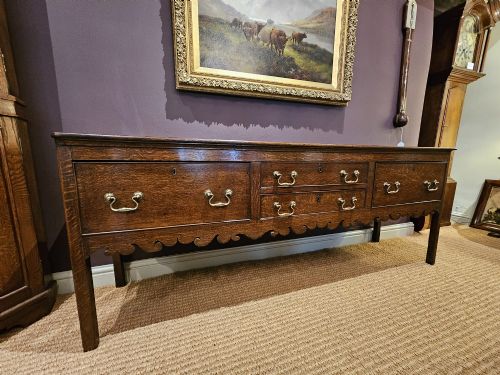
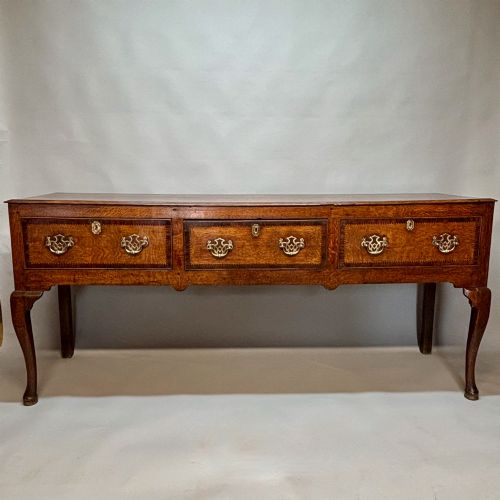
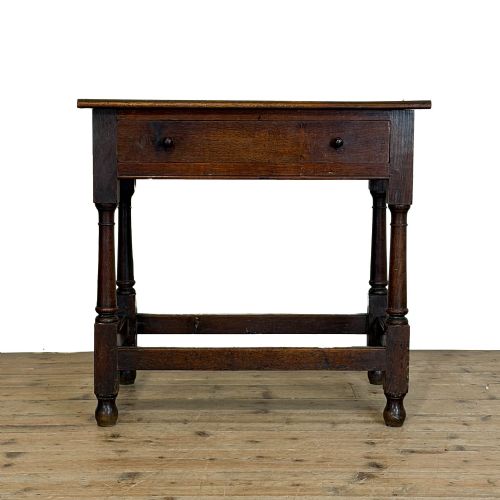
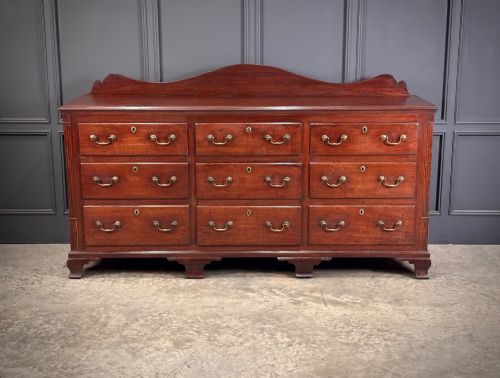
Makers constructed these pieces using dense native and imported timbers, shaping them into straight fronts, serpentine profiles, or bow fronts intended for bedchambers and parlours. Surviving examples reflect both modest country craftsmanship in oak and sophisticated urban cabinet-making in figured mahogany.
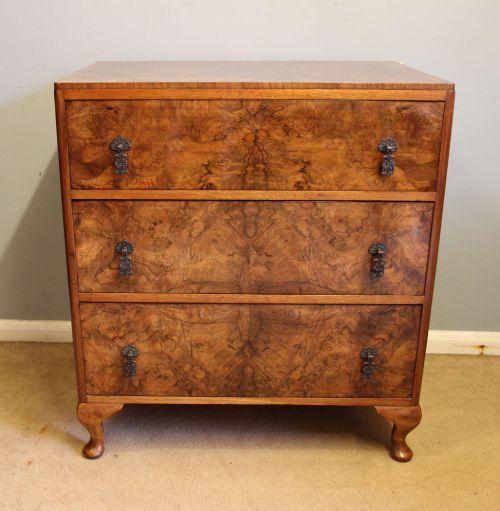
While the core inventory spans the Georgian and Regency eras, subsequent decades produced revival interpretations in oak and walnut. Buyers select between low bedside formats, substantial tallboys, and narrow configurations designed to fit restricted floor plans.
Materials and Construction
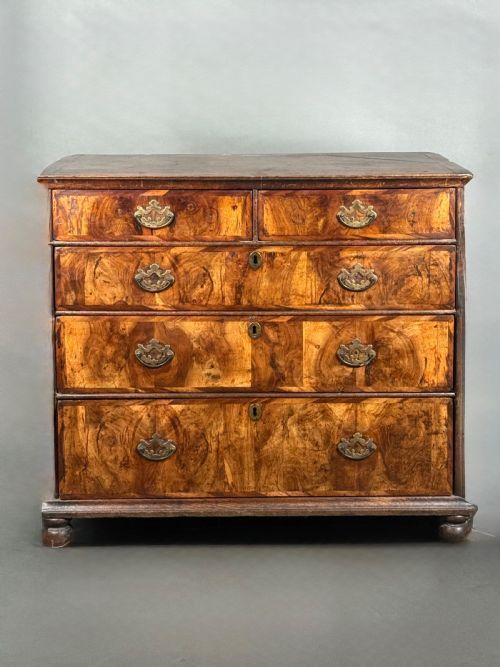
Cabinet-makers relied heavily on solid mahogany, oak, and walnut, often applying flame veneer, burr walnut, or satinwood banding to prominent drawer fronts. Timber selection dictated both the visual character and the structural weight of each chest.
Joinery methods involved precise dovetailing for drawer construction and sturdy carcase assembly to withstand daily domestic use. Brass handles, escutcheons, and bracket feet or cabriole legs completed the structural and decorative assembly.
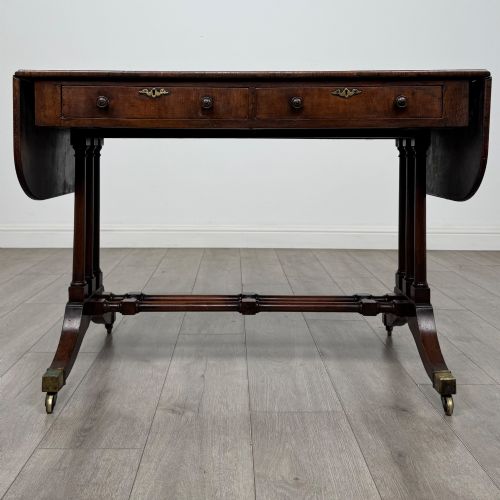
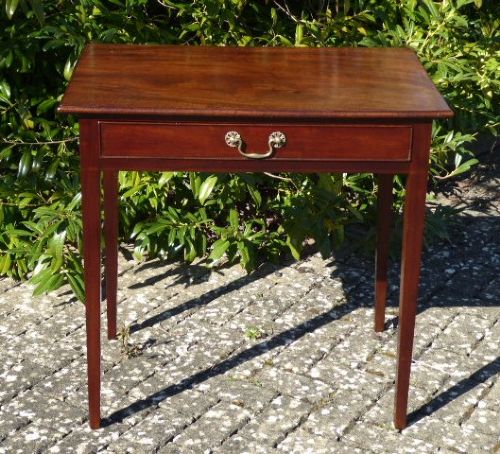
Several chests double as compact writing desks, proving that eighteenth-century owners loved multitasking just as much as we do.
Assessing Quality and Execution
Superior examples display careful timber matching across drawer fronts, ensuring grain patterns flow coherently from top to bottom. Finer pieces retain original hardware, such as pierced brasses, and exhibit tight, hand-cut dovetails that remain rigid over centuries.
The choice of secondary woods inside the drawers, the crispness of applied mouldings, and the proportional harmony of the feet distinguish master workshops from standard regional output. Thickness of timber and restraint in restoration further separate everyday items from exceptional survivals.
Whytock & Reid
The Georgian Drawers Glossary
- Bow front
- A convex curved cabinet front that projects outward in the centre, popular during the Regency period.
- Chest on chest
- A tall storage unit comprising one upper chest stacked directly upon a slightly wider lower section, also known as a tallboy.
- Brushing slide
- A pull-out shelf integrated into the carcase above the drawers, historically used for folding clothes or writing.
- Crossbanding
- A narrow strip of veneer laid around the border of a drawer front so the grain runs perpendicular to the main panel.
- Dovetail
- An interlocking joint formed by interlocking wedge-shaped fingers, securing the corners of drawers together without metal fasteners.
Georgian Drawers: Frequently Asked Questions
How do I spot a genuine Georgian chest?
Examine the drawer sides and internal framing for hand-cut dovetails and timber shrinkage consistent with age. Hand-planed boards and subtle irregularities in the wood confirm manual construction.
Check the backboards and secondary timbers, as period makers typically utilised native oak or pine rather than modern sheet materials. Original brass hardware placements and surface patina provide further indicators of authenticity.
Where should I place a bow front chest?
A bow front chest functions effectively in a hallway or bedroom where its curved profile softens rigid architectural lines. The projecting centre draws the eye, making it a natural focal point against a plain wall.
Ensure adequate clearance around the piece so the curved drawers can open fully without obstruction from nearby furniture. Pairing the surface with a dressing table mirror creates a traditional dressing arrangement.
What is the difference between oak and mahogany pieces?
Oak pieces generally originate from earlier country workshops, displaying robust construction, visible grain texture, and a warm, golden hue. They suit rustic or traditional interiors.
Mahogany chests typically reflect refined urban cabinet-making, featuring darker reddish tones, smoother surfaces, and decorative veneers like flame mahogany. They align easily with formal living spaces and classical decor.
How do I care for antique drawer wood?
Maintain a stable indoor humidity away from direct heat sources and sunlight to prevent the timber and veneer from splitting. Dust regularly with a dry cloth and apply occasional specialist wax to nourish the finish.
Avoid commercial silicone sprays, which can penetrate porous historical finishes and degrade the surface over time. Gentle handling of original brass pulls preserves the structural integrity of the drawer fronts.