



George V Watercolour
George v watercolour works bring together paper, pigment, and ink to record landscapes, coastal views, and portraits from the eighteenth century to the mid-twentieth century.
George V Watercolour
When a buyer searches for george v watercolour, they encounter framed artworks, wall art, and portrait miniatures executed by named artists and regional painters. The selection spans the eighteenth century, the Victorian era, Edwardian period, and early twentieth century.
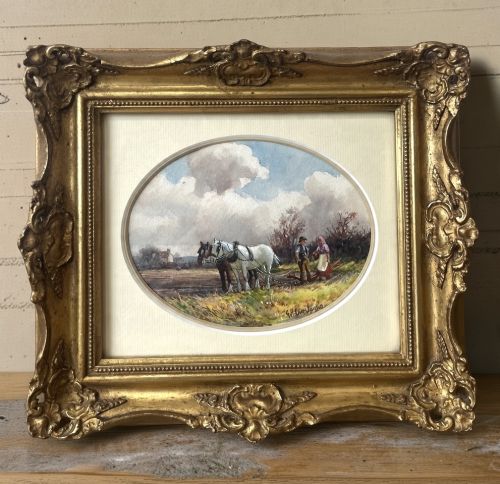
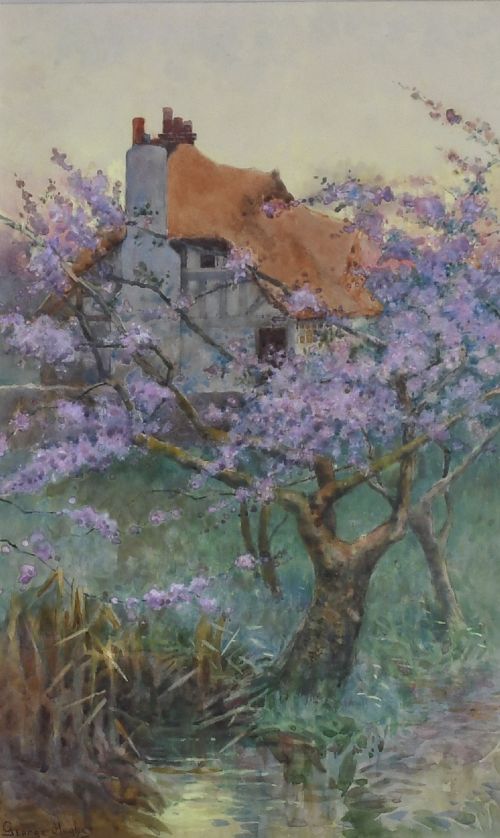
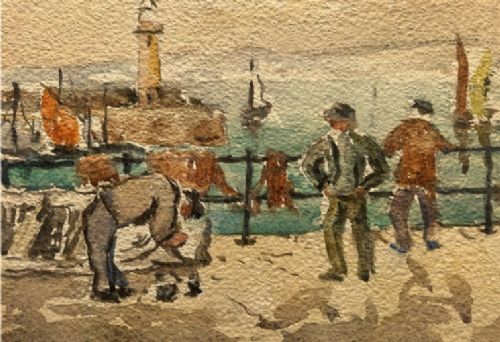
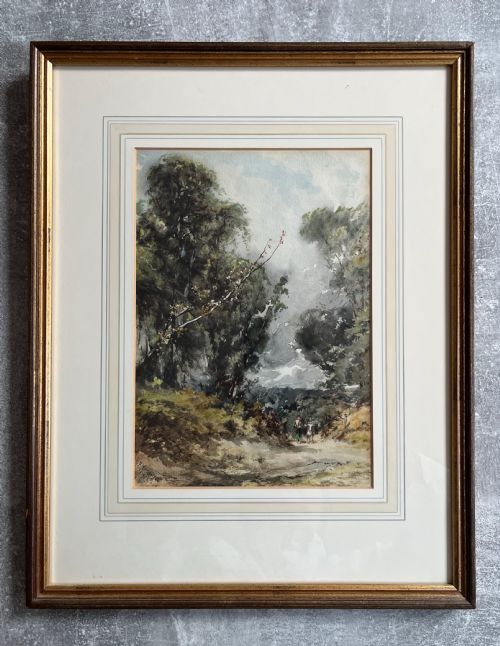
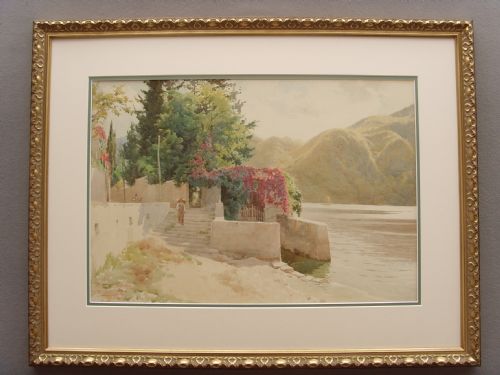
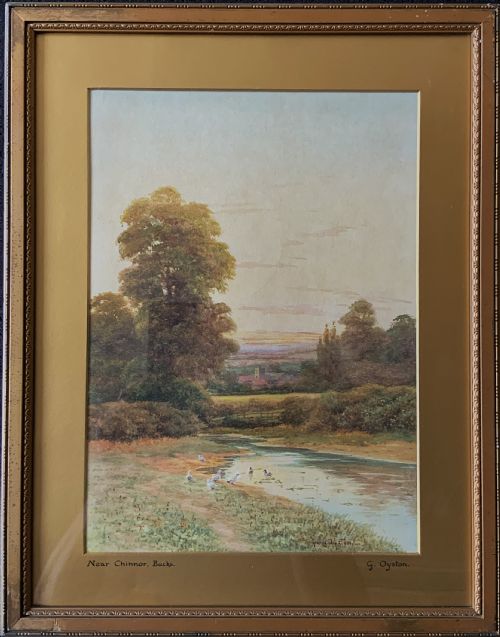
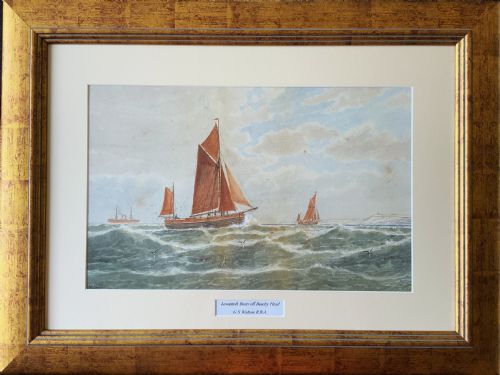
The most common pieces on this page are landscapes, seascapes, and coastal scenes rendered on paper. Subjects range from Whitby harbour and St Ives to Venetian canals and Thames valley river views.
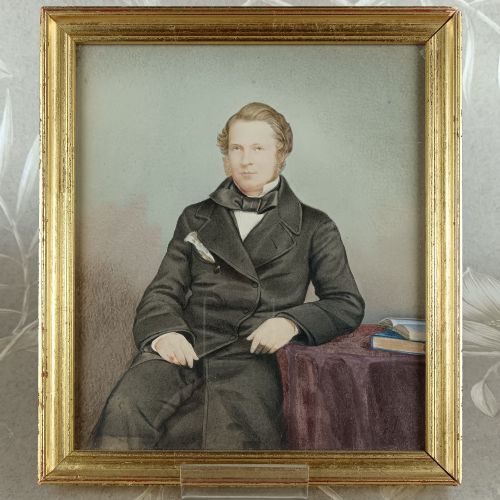
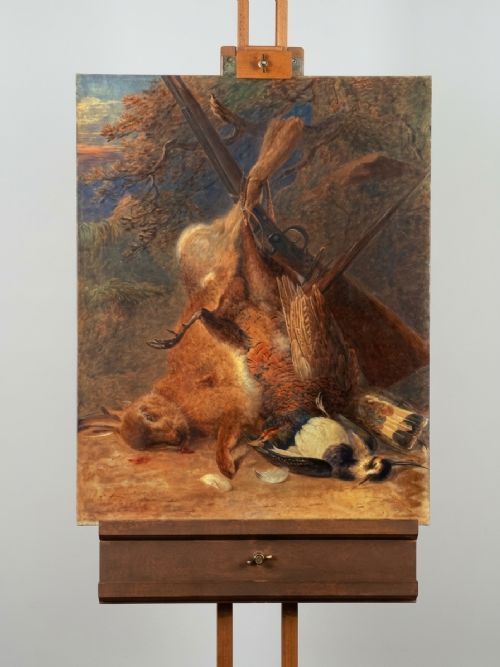
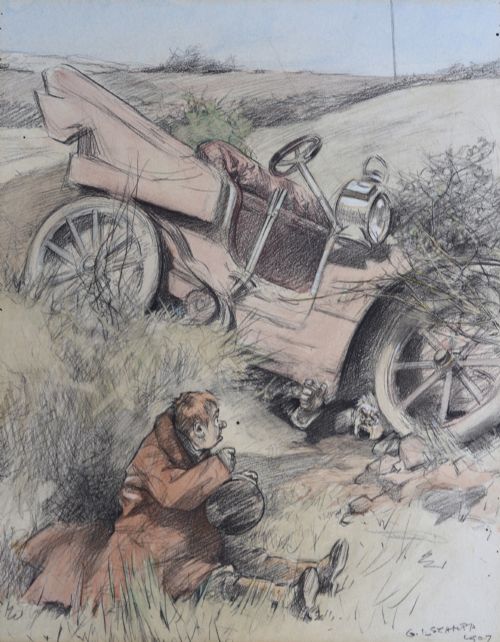
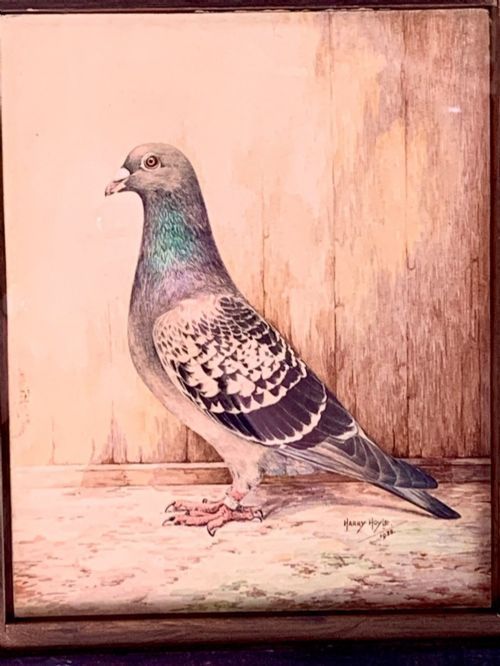
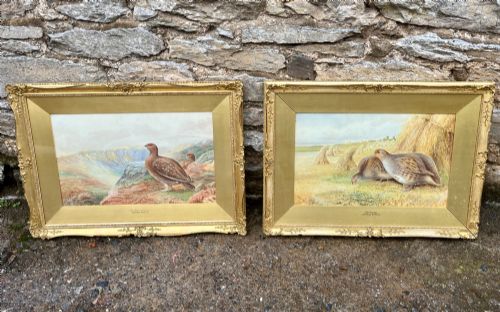
Portraits and genre scenes also appear, including character studies, game birds, and detailed miniature paintings. These works utilise watercolour pigment, bodycolour, and ink to capture varied subjects.
How They Were Made
Artists painted primarily on paper supports, sometimes combining watercolour pigment with bodycolour and ink for added opacity and line definition. Works are frequently preserved behind glass within wood, gilt wood, or giltwood frames.
Materials extend to associated items such as mahogany artist paintboxes fitted for pigment storage. Technique relies on fluid washes and precise brushwork characteristic of British Impressionism and traditional watercolours.
George V Watercolour Retail Price Guide 2026
Typical asking prices for george v watercolour among the pieces listed under this phrase on Sellingantiques today, from the lower quarter to the upper quarter. They describe what is for sale here now, not the wider market.
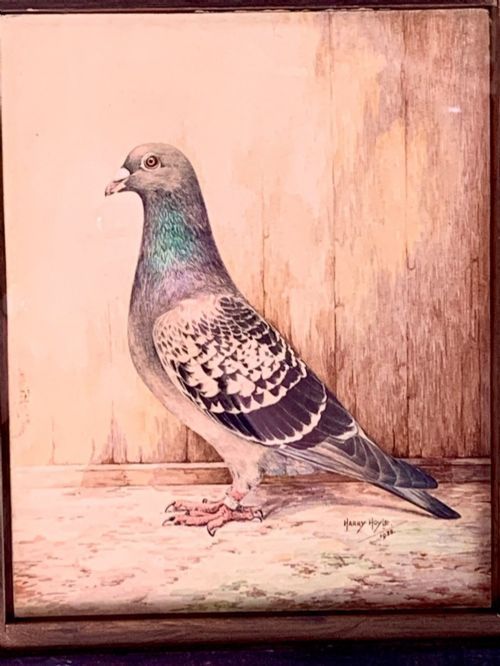
One notable watercolour records a royal messenger pigeon winning a silver jubilee prize.
What Varies in Quality
Quality rests upon the skill of the artist in handling light, atmosphere, and perspective across the paper surface. Works by established painters demonstrate greater sureness of line and tonal balance than anonymous or lesser-known examples.
Condition of the paper and the integrity of the pigment remain central. Fading from light exposure or foxing spots alter the visual impact, while original frames and glass contribute to the historical integrity of the piece.
George F Pennington·Robert George Talbot Kelly·George Sydney Shepherd·Fred Lawson·George Lorain Stampa·George Fotherly Hargitt·Alfred Young Nutt·George Oyston·George Rankin·George Stanfield Walters·George Blackman·George Kilburne·Alfred George Morgan·George Graham·George Engleheart·George Soper·George Hamilton Constantine·George Arthur Fripp·George Whyatt·George Hargreaves·Edmund George Warren·James George Bingley·Sir William George Gillies·Frederick George Coleridge·Wilfred Knox
The George V Watercolour Glossary
- Watercolour pigment
- Finely ground colour particles mixed with a water-soluble binder. This medium allows for transparent washes that let the white of the paper reflect light through the colour.
- Bodycolour
- Watercolour paint mixed with a white pigment such as chalk to make it opaque. Artists utilise this to add highlights and solid areas of tone.
- Portrait miniature
- A small-scale painted likeness executed on paper, ivory, or vellum. These intimate works were often housed in protective gold or wood frames.
- Giltwood
- Wood carved and coated with gold leaf or gold paint. This material forms the ornate borders common on period frames.
George V Watercolour: Frequently Asked Questions
What subjects appear most frequently?
Landscapes and coastal views dominate the selection, featuring rivers, harbours, and rural scenes from Britain and abroad. Seascapes and architectural studies also recur across the various periods.
Portrait miniatures and depictions of game birds provide a different focus, recording individuals and wildlife in fine detail.
How should these works be framed?
Pieces are best kept behind glass to protect the paper and pigment from dust and atmospheric moisture. Acid-free mounts prevent chemical damage to the paper over time.
Original wood or giltwood frames maintain the historical context of the artwork, provided they offer secure housing.
How do I date a piece?
Dates often appear in the artist signature, inscriptions on the reverse, or within the accompanying documentation. Stylistic markers such as Edwardian costume or Victorian framing conventions help narrow the period.
Material analysis of the paper and pigments also offers clues to the era of production, ranging from eighteenth-century sheets to mid-twentieth-century paper.
Are these works signed by the artist?
Many examples bear signatures, monograms, or dated inscriptions from the hand of the creator. Signed pieces often link to documented exhibition histories and biographical records.
Unsigned works rely on stylistic attribution, technique, and subject matter to connect them to a particular school or period.