


George V Silver Tankard
A george v silver tankard brings robust twentieth-century craftsmanship to the table, offering a tangible link to the silver-smithing traditions of the early decades.
George V Silver Tankard
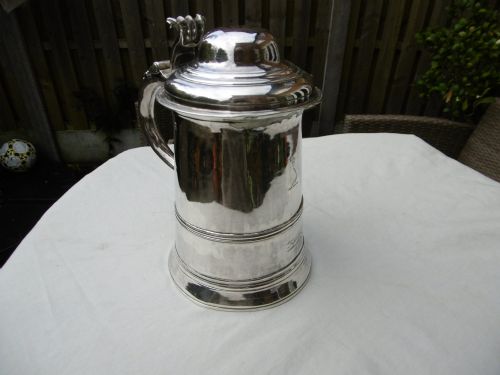
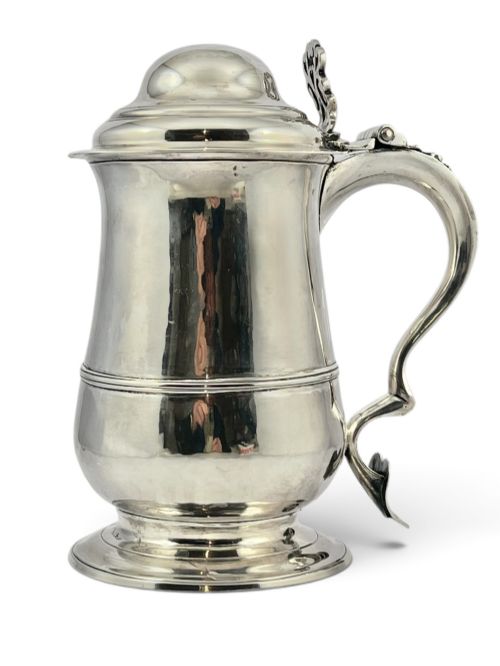
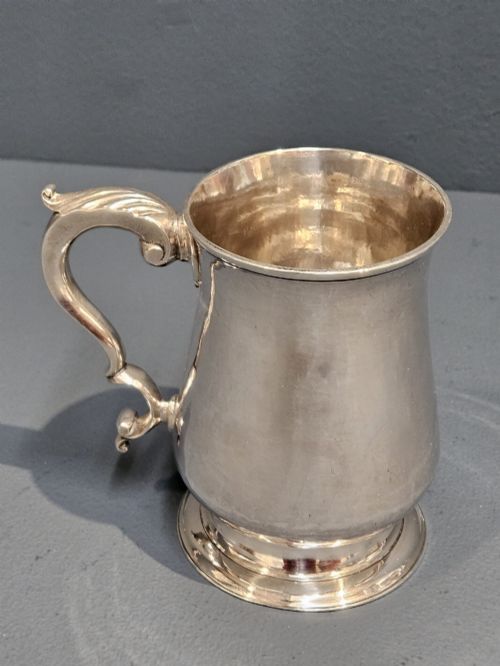
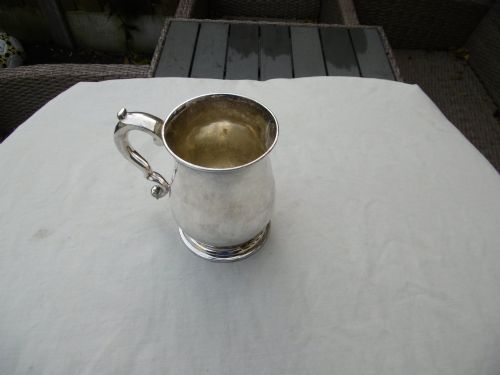
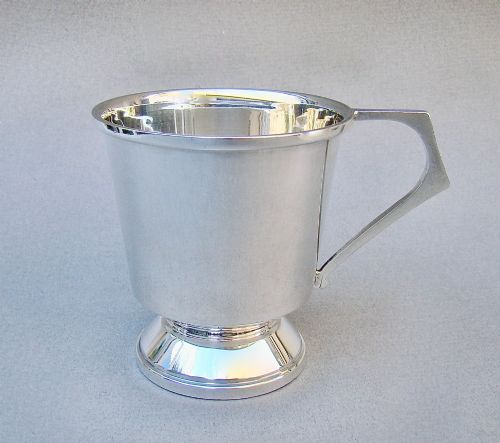
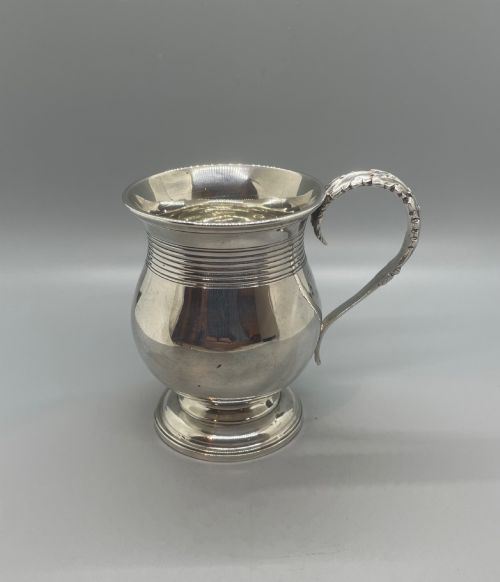
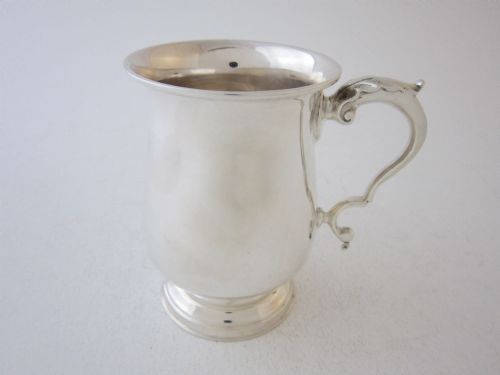
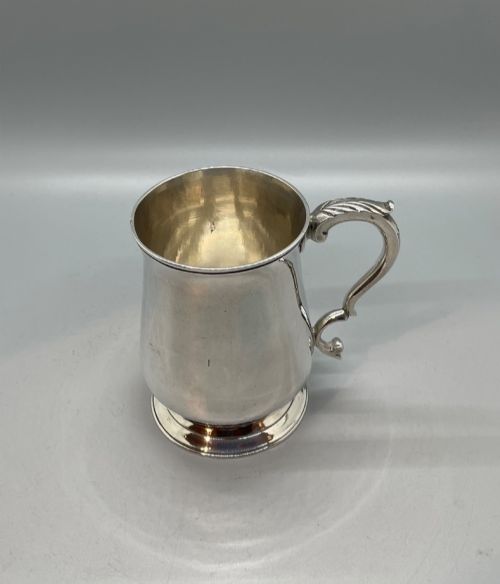
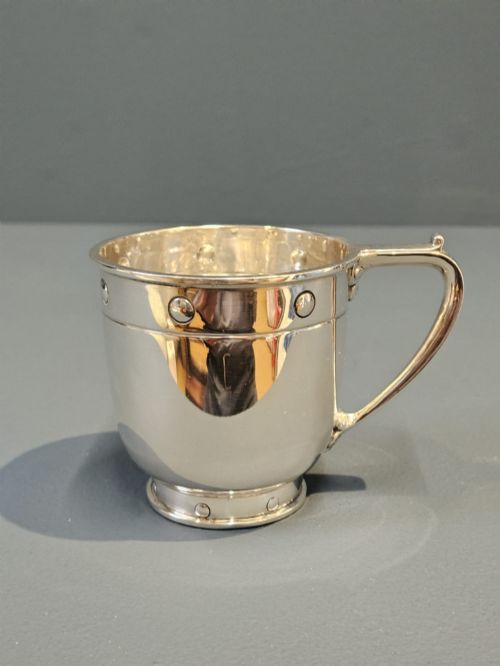
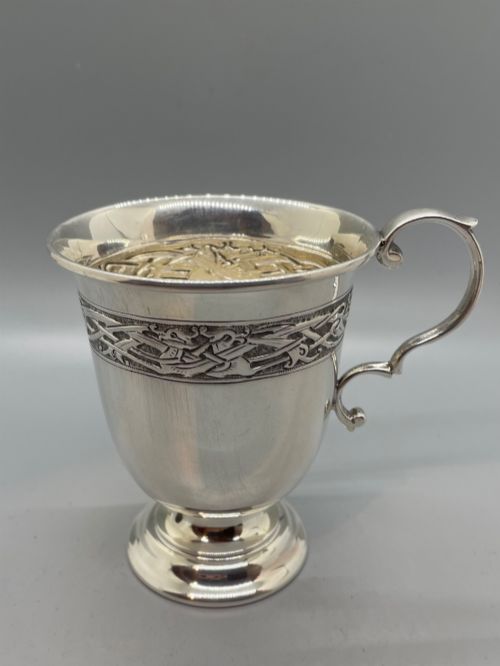
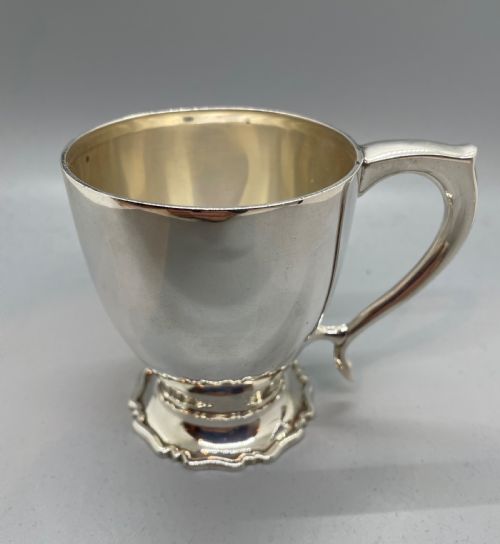
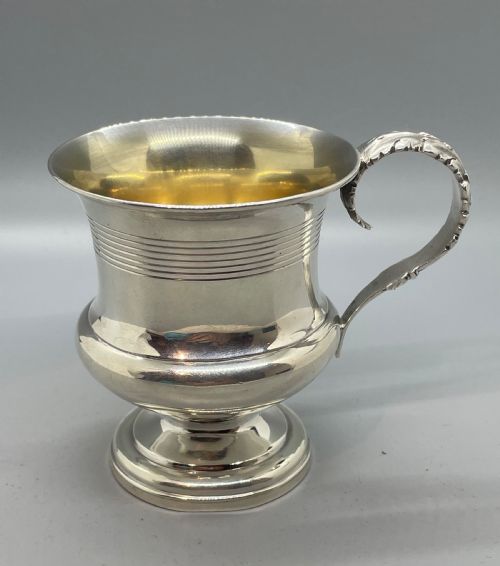
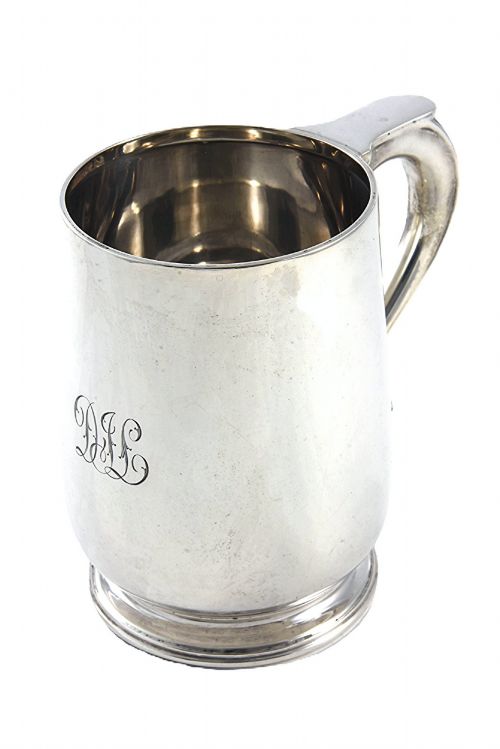
A george v silver tankard typically takes the form of a sturdy mug or handled vessel, often created for everyday use or commemoration during the early twentieth century. These pieces appear alongside earlier Georgian and eighteenth-century examples on this page, reflecting a rich continuum of British drinking vessels.
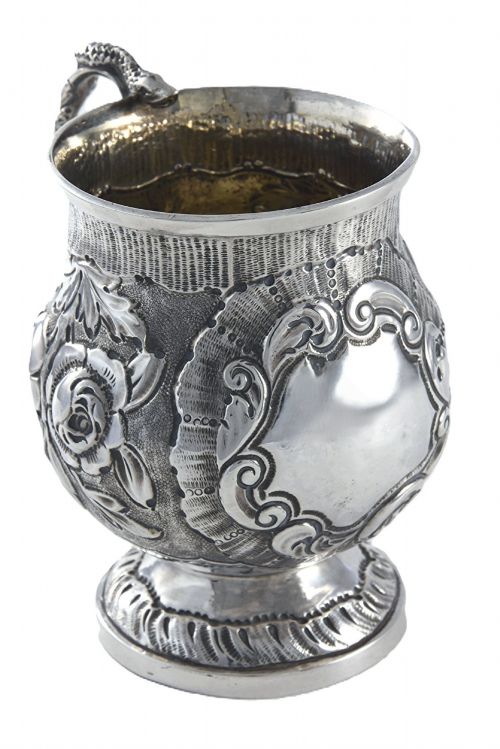
Makers produced these items in sterling silver and Britannia standard silver, occasionally incorporating gold gilt interiors. Alongside the main twentieth-century pieces, the selection extends to christening mugs and lidded tankards spanning multiple historic periods.
What varies in quality
The thickness and weight of the silver plate dictate the substantial feel of the vessel in the hand. Superior examples display crisp, unrubbed hallmarks and well-balanced handles that join the body cleanly without excess solder.
Artistic execution sets individual pieces apart, particularly where hand engraving or specialised styles like Arts and Crafts are concerned. The clarity of the maker mark and the preservation of the original surface texture also influence the character of the piece.
George V Silver Tankard Retail Price Guide 2026
Typical asking prices for george v silver tankard among the pieces listed under this phrase on Sellingantiques today, from the lower quarter to the upper quarter. They describe what is for sale here now, not the wider market.
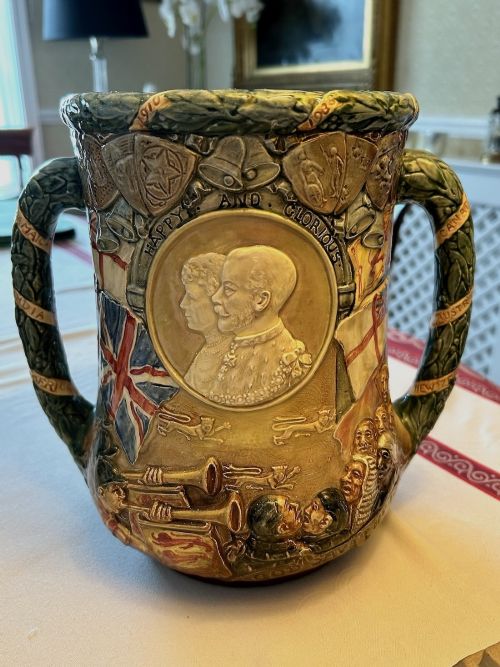
King George V and Queen Mary even found themselves immortalized in ceramic form on a 1935 silver jubilee loving cup.
Barker Bros·William Bateman·George Ernest Hawkins
The George V Silver Tankard Glossary
- Sterling silver
- A silver alloy containing 92.5 percent pure silver and 7.5 percent other metals, usually copper, chosen for strength. This alloy forms the primary material for the majority of these tankards.
- Britannia standard
- A stricter standard of silver introduced by English law in 1697, containing 95.8 percent pure silver. Items bearing this standard often display the figure of Britannia rather than the standard lion passant.
- Assay office
- An official body responsible for testing the purity of precious metals and stamping them with hallmark punches. Towns such as London, Birmingham, and Sheffield operated these offices.
- Christening mug
- A small handled drinking vessel traditionally presented as a gift to mark the birth or christening of a child. Many pieces matching this search phrase carry this specific domestic function.
George V Silver Tankard: Frequently Asked Questions
What is a george v silver tankard?
A george v silver tankard is a solid silver drinking vessel produced during the reign of King George V, spanning the early decades of the twentieth century. These pieces carry forward traditional British silversmithing forms.
They serve as both functional vessels and collectible antiques, often reflecting the minimalist or revivalist design preferences of their era.
How do I date a silver tankard?
Dating relies heavily on the official hallmarks stamped into the metal by various assay offices across Britain. These marks typically include a date letter alongside maker initials and standard symbols.
Comparing the style, whether Georgian or George V, with these stamped assay marks confirms the exact year and location of manufacture.
Were these tankards used for drinking?
Many silver tankards and mugs were designed for practical everyday consumption of ale or other beverages in domestic and social settings. Their robust construction in sterling silver ensured they withstood regular use.
Smaller variants often functioned as christening cups, intended as keepsake gifts rather than everyday tavern ware.
What is the difference between a mug and a tankard?
While the terms often overlap in historic listings, a tankard traditionally refers to a larger, heavier drinking vessel that may occasionally feature a hinged lid and thumbpiece. Mugs are generally smaller, open-topped containers with a single side handle.
Both forms appear frequently in silver across the Georgian and twentieth-century periods.