

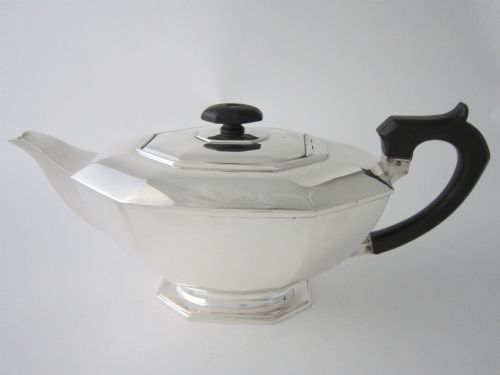
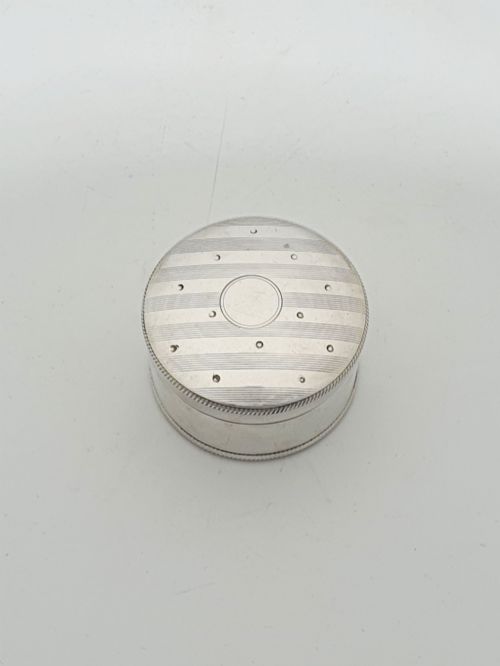
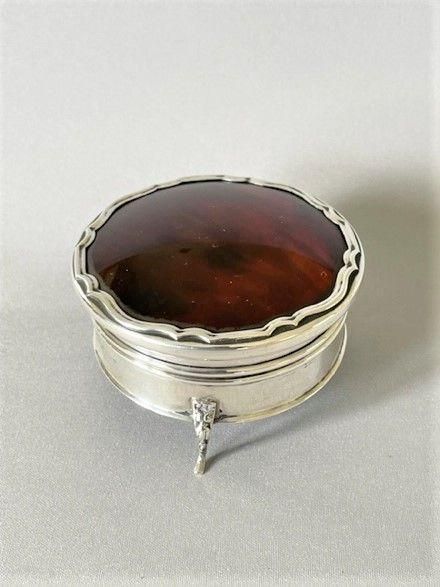

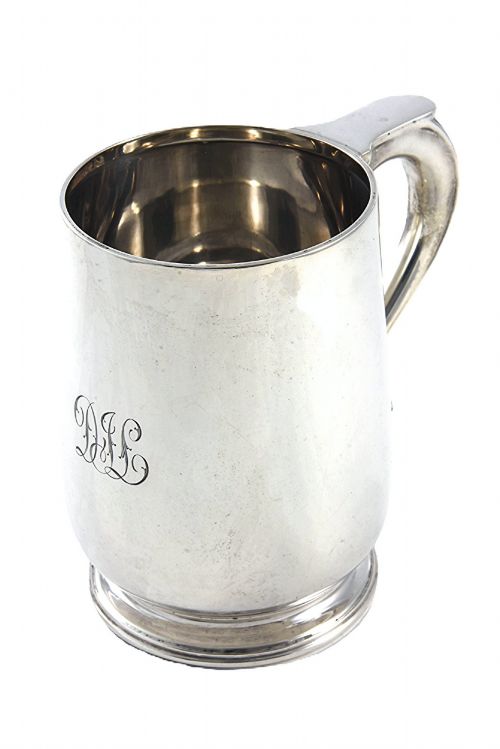
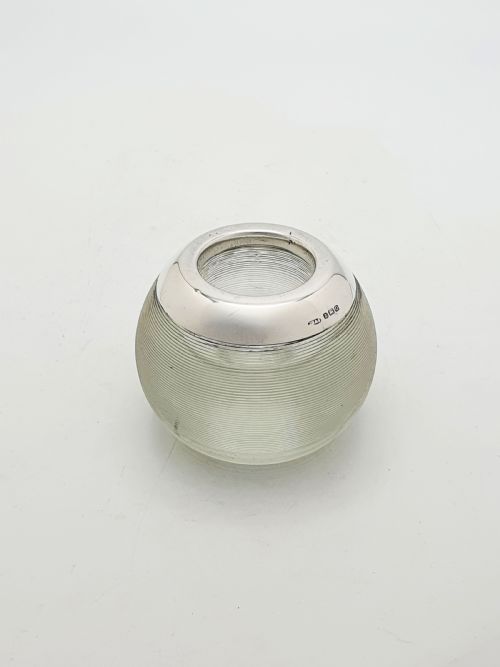
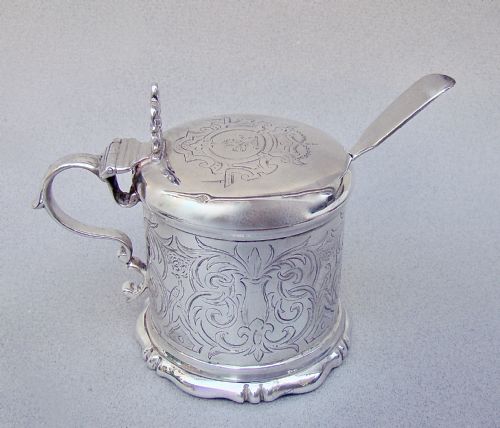
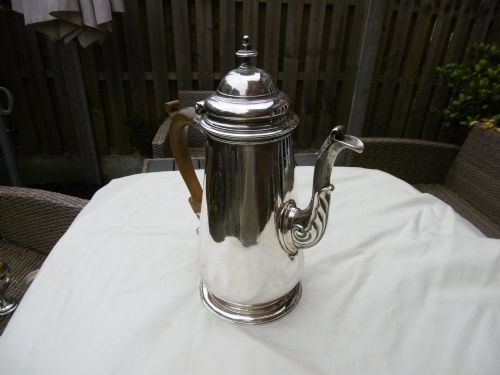

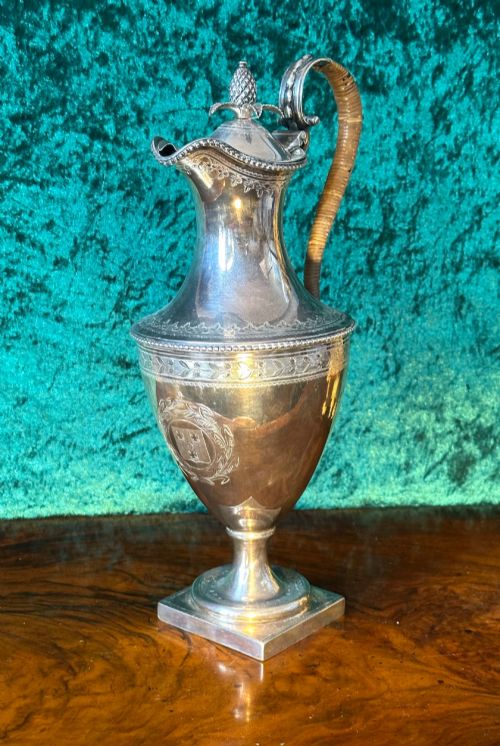


George V Silver Pot
When you search for a george v silver pot, you enter a domain of British dining and dressing table silver spanning mustard pots, dressing table boxes, and table wares.
George V Silver Pot
A george v silver pot encompasses domestic vessels made during the reign of King George V, alongside related examples from Georgian, Victorian, and later periods.
The selections span functional containers such as mustard pots, coffee pots, teapots, pepperettes, inkwells, and dressing table boxes.
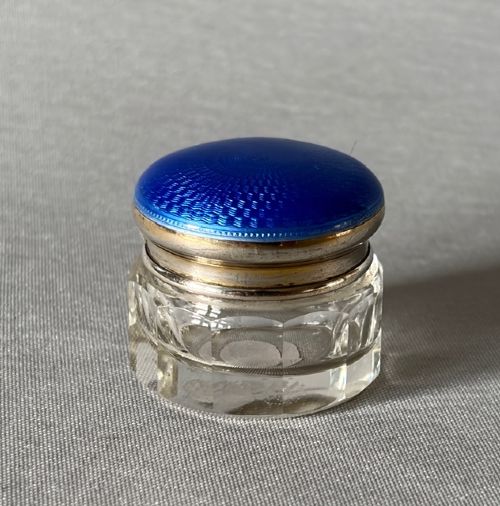
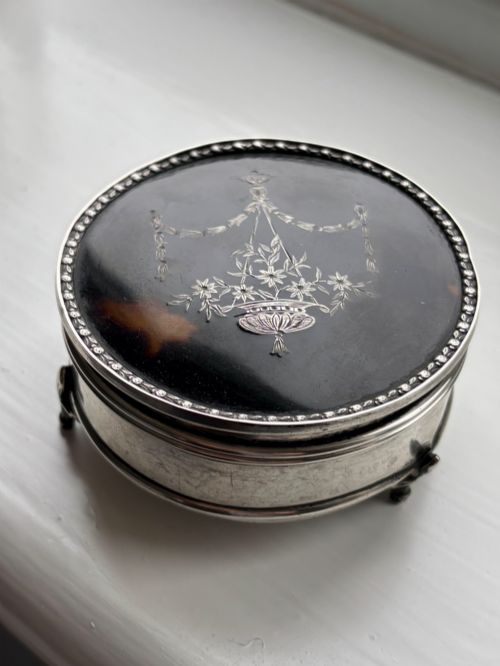
Many items incorporate glass, faux tortoiseshell, enamel, or wood to complement the primary sterling silver structure.
How they were made
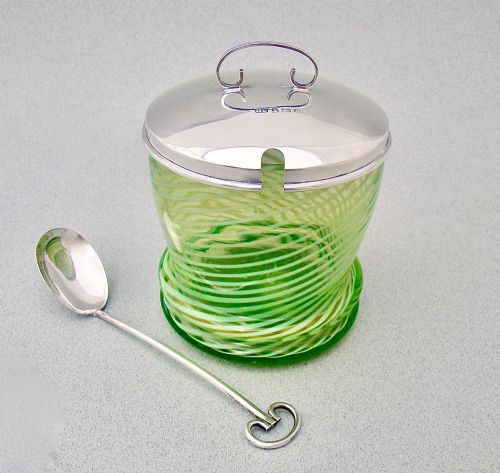
Silversmiths utilised sterling silver alongside contrasting materials like cut glass, textured glass, wood, velvet, and enamel.
Construction involved piercing, repousse work, casting, and hand-hammered techniques applied by makers across Birmingham, London, Sheffield, and Chester.
George V Silver Pot Retail Price Guide 2026
Typical asking prices for george v silver pot among the pieces listed under this phrase on Sellingantiques today, from the lower quarter to the upper quarter. They describe what is for sale here now, not the wider market.
Some condiment vessels take the unexpected form of a silver fox or an architectural pagoda.
What varies in quality
The calibre of a piece rests upon the weight of the solid sterling silver, the crispness of chased or pierced ornamentation, and the preservation of any secondary medium such as enamel or faux tortoiseshell.
Pieces bearing marks from distinguished makers or specialised silversmith guilds display superior finishing in hinges, lids, and fitted glass liners.
A. J. Pepper & Co·Ollivant & Botsford·Richard Gurney·Charles & George Fox·William Neale·William Grundy·James Goodwin·Robert Hennell I·Robert Hennell II·Omar Ramsden·Henry Williamson Ltd·Viners·Mappin & Webb·Elkington and Company·Peter and Anne Bateman·George Unite·William Comyns·The Haseler Brothers
The George V Silver Pot Glossary
- Sterling silver
- A silver alloy containing 92.5 percent pure silver and 7.5 percent other metals, typically copper, used for British tableware and boxes.
- Mustard pot
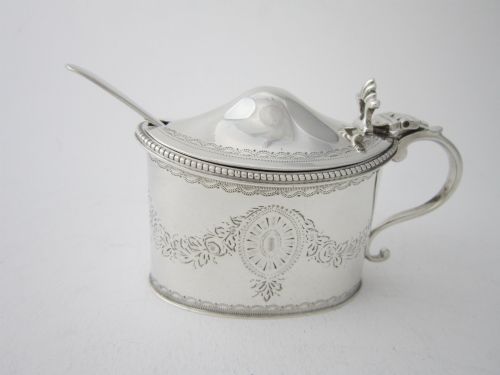
- A small lidded container designed for the dining table, frequently fitted with a blue glass liner and accompanied by a tiny spoon.
- Pounce pot
- A small shaker container used to sprinkle sand or pounce powder over freshly written ink to accelerate drying.
- Repousse
- A metalworking technique where the silversmith hammers the design from the reverse side to form a raised relief on the front.
George V Silver Pot: Frequently Asked Questions
What is a george v silver pot used for?
These vessels served various domestic purposes ranging from serving mustard and condiments at the dining table to holding trinkets or powder on dressing tables.
Many designs adapted traditional Georgian and Victorian forms for early twentieth-century households, combining utility with decorative metalwork.
How do I identify a george v silver pot?
Identification relies on examining the hallmarks stamped into the metal, which indicate the assay office, the silver standard, and the date letter corresponding to the early twentieth century.
Stylistic cues such as Art Deco geometries or simpler neo-Georgian profiles also point toward the reign of George V.
Are these pots made entirely of silver?
While the exterior bodies and mounts consist of solid sterling silver, many examples incorporate other materials such as glass liners, wooden bases, enamel panels, or faux tortoiseshell.
Items like mustard pots and dressing table boxes frequently rely on these mixed media combinations for structural or decorative effect.
How should I care for antique silver pots?
Preserving the finish requires occasional gentle cleaning with a specialised silver polish and a soft cloth, avoiding abrasive pads that can wear down hallmarks or thin metal.
Items featuring enamel, glass, or faux tortoiseshell demand careful handling to protect the vulnerable secondary materials during maintenance.