



George V Silver Jar
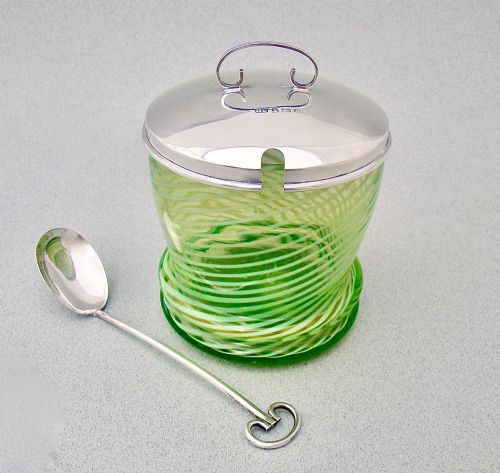
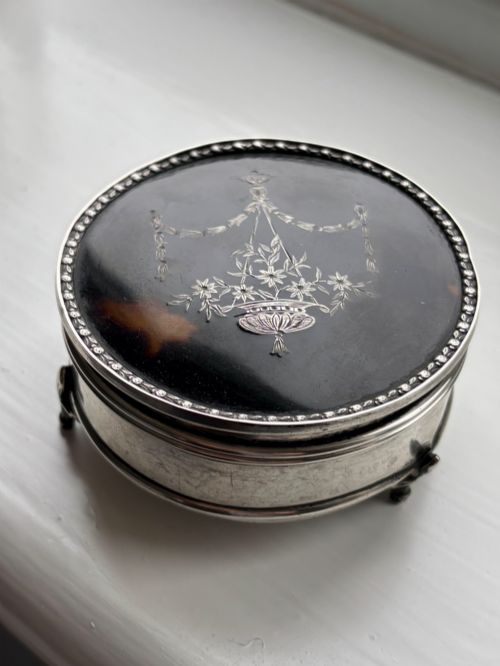
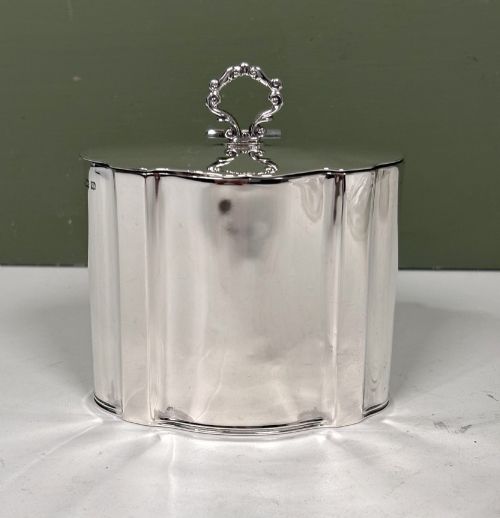
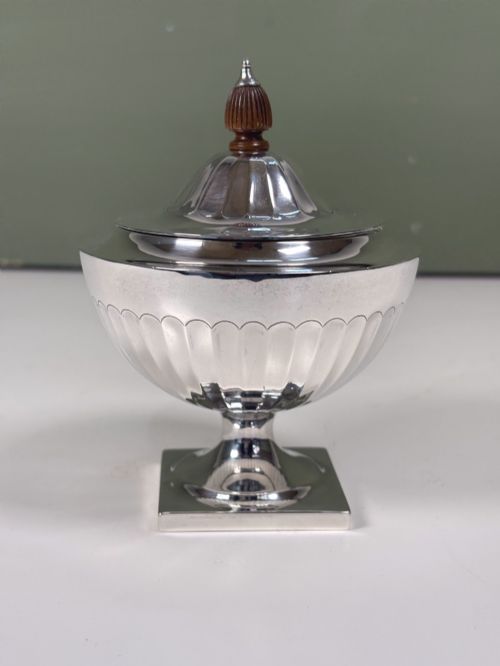
These pieces of george v silver jar combine solid silver mounts with glass, enamel, and tortoiseshell to form functional dressing table and tea containers.
George V Silver Jar
A george v silver jar encompasses a diverse array of containers designed for the dressing table, tea service, and dining room. The most common examples meeting this search phrase are dressing table jars, vanity jars, and powder jars, frequently paired with glass, enamel, or faux tortoiseshell.
Materials and construction methods
Makers utilised sterling silver alongside cut glass, crystal, and occasionally wood to construct these containers. The silver mounts, lids, and collars were typically shaped through standard silversmithing techniques and hallmarked in major assay offices such as Birmingham, Sheffield, and London.
Decorative elements involve applied enamel, guilloche enamel, and fitted panels of faux tortoiseshell or genuine tortoiseshell with piqué work. Glass bodies range from plain blown vessels to deeply cut crystal and Kralik glass.
Internal mechanisms occasionally feature hinged lids, glass liners, or specialised automatic mountings for preserve spoons and fragrance bottles.
George V Silver Jar Retail Price Guide 2026
Typical asking prices for george v silver jar among the pieces listed under this phrase on Sellingantiques today, from the lower quarter to the upper quarter. They describe what is for sale here now, not the wider market.
Listings feature sterling silver combined with cut glass, enamel, and faux tortoiseshell, spanning the George V, Edwardian, Art Deco, and Georgian Revival styles.
Judging the quality of a george v silver jar
Quality rests on the heaviness of the silver gauge, the crispness of the hallmarks, and the intricacy of any applied enamel or tortoiseshell work. Thicker silver stampings and substantial glass bodies separate utilitarian containers from finer luxury wares.
The integrity of secondary materials dictates overall merit, particularly the preservation of guilloche enamel without chips or hairline fractures. Superior examples also display refined proportions, precise fitting between silver collars and glass bodies, and distinguished maker attribution.
A. J. Pepper & Co·Ollivant & Botsford·Mappin & Webb·Elkington and Company·George Unite·Hukin & Heath·E. S. Barnsley·George Betjemann and Sons
The George V Silver Jar Glossary
- Hallmark
- Official stamps struck into precious metals to indicate the standard of purity, the assay office, and the date letter. These marks provide the primary evidence for dating solid silver items.
- Guilloche
- A decorative engine-turning technique that etches precise, intricate geometric patterns into a metal surface beneath translucent enamel. This process creates a distinctive shimmering depth of colour.
- Piqué
- A method of decorating tortoiseshell or ivory by inlaying tiny gold or silver pins to form delicate motifs. It appears frequently on vanity and dressing table lids.
- Sterling silver
- An alloy of silver containing 92.5 percent pure silver and 7.5 percent other metals, usually copper. This standard composition is required for British hallmarked silver goods.
- Tea caddy
- A small container originally designed to store loose tea leaves securely. Early twentieth-century examples often replicate earlier Georgian silhouettes.
George V Silver Jar: Frequently Asked Questions
What is a george v silver jar?
A george v silver jar is a lidded container featuring sterling silver mounts combined with materials like glass, enamel, or tortoiseshell. These vessels served practical roles on dressing tables and in dining rooms during the early twentieth century.
Most surviving examples date from the 1910s and 1920s, reflecting the popular decorative styles of the era, including Art Deco and Edwardian revivals of Georgian forms.
How were these jars used?
Owners utilised them on dressing tables to hold powder, trinkets, pins, and cosmetics, or on sideboards to store preserves, tea, and biscuits. The inclusion of glass or crystal allowed users to see the contents.
Many dressing table jars formed part of larger matched vanity sets, while preserve jars and caddies often included matching silver spoons for dining use.
How do I date a silver jar?
Dating relies primarily on the stamped hallmarks found on the silver mounts, which record the assay office and a specific date letter corresponding to the year of manufacture. Stylistic clues such as Art Deco geometric lines or Edwardian floral motifs also point to specific decades.
The historical evidence shows production heavily concentrated around the 1910s and 1920s, though occasional Georgian and Victorian pieces appear.
How do I care for silver and glass jars?
Maintenance requires gentle cleaning of the silver mounts using a soft cloth and appropriate silver polish, avoiding contact with delicate enamel or tortoiseshell surfaces. Glass bodies can be washed in warm soapy water separately from the mounted metal.
Keeping them away from direct sunlight and excessive humidity protects vulnerable materials like tortoiseshell and enamel from warping or fading over time.