


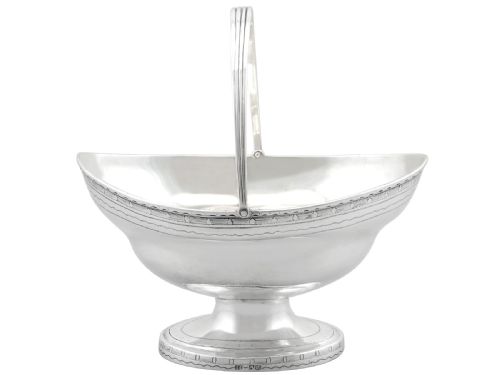
George V Silver Dishes
George v silver dishes bring refined early twentieth-century metalwork into modern interiors, offering practical utility alongside traditional craftsmanship.
George V Silver Dishes
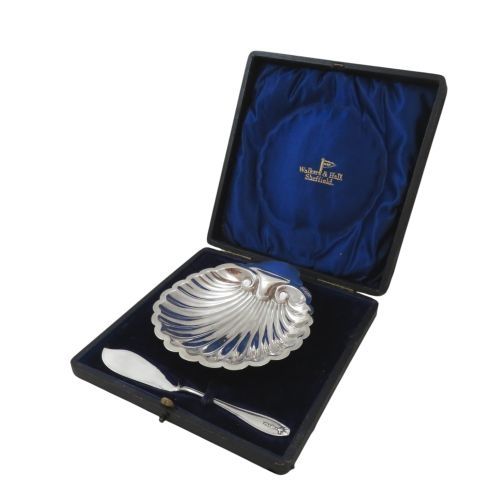
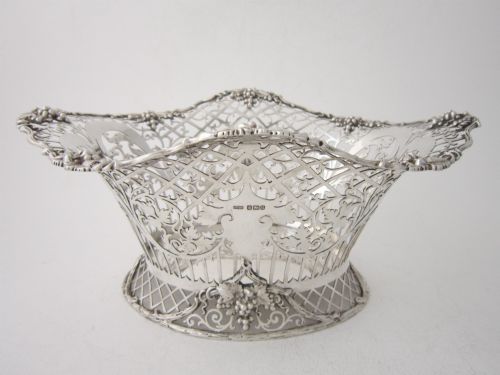
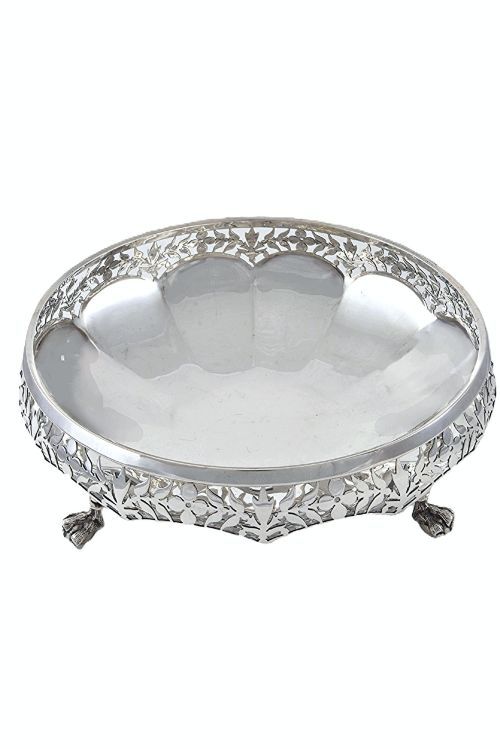
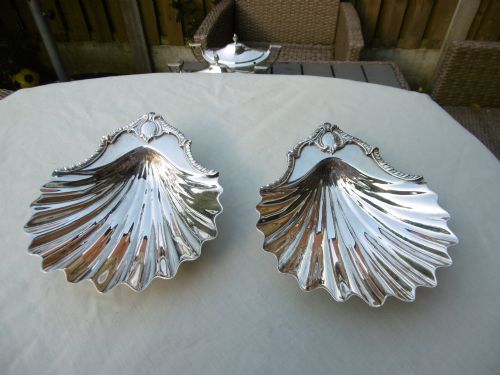
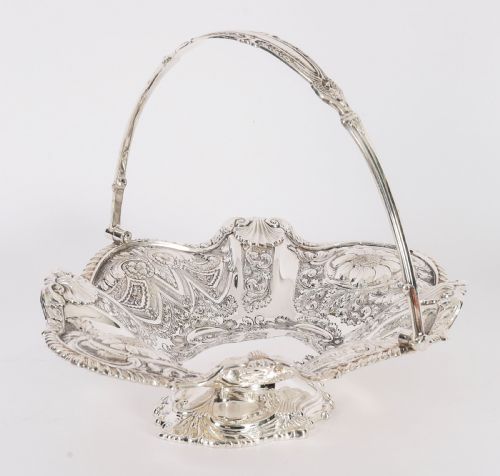
George v silver dishes encompass small open vessels, butter shells, sweetmeat dishes, and bonbon containers produced during the early twentieth century. These domestic items reflect both traditional Georgian revival motifs and contemporary Art Deco geometric influences.
Materials and Construction Techniques
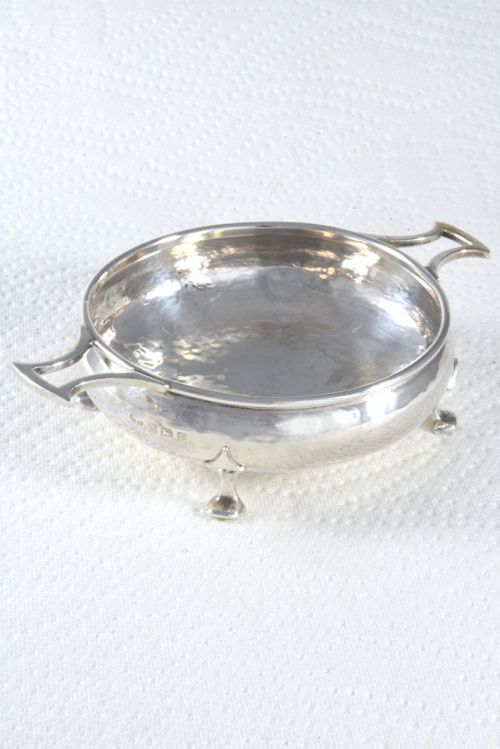
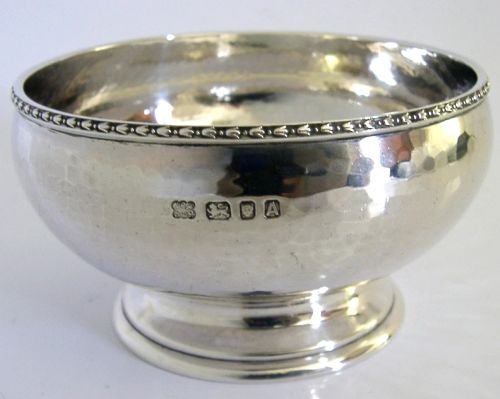
Silversmiths shaped sterling silver using traditional hammering, piercing, and casting methods to create sturdy yet decorative vessels. Planished surfaces show distinct hammer marks left intentionally by the maker, while pierced baskets rely on delicate fretwork to form openwork patterns.
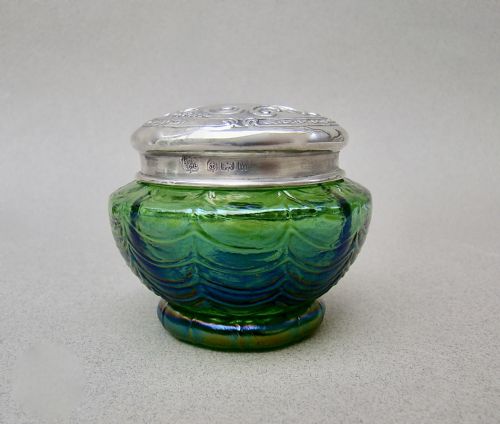
Many designs incorporate contrasting materials such as fitted glass inserts, tortoiseshell panels, or wooden bases to enhance the visual appeal of the silver framework.
Listings feature sterling silver and silver plate combined with glass, mahogany, velvet, silk, and tortoiseshell across multiple eras.
Evaluating Craftsmanship and Design
Quality depends upon the clarity of the town marks, maker stamps, and date letters struck into the metal. Crisp detail in chased or pierced ornamentation distinguishes superior examples from standard production pieces.
Heavier gauge silver maintains structural integrity better over time, resisting distortion around delicate rims and handles during regular use.
A. J. Pepper & Co·Mappin & Webb·Viners·D & M Davis·George W. Scott & Sons Ltd·Henry Williamson Ltd
The George V Silver Dishes Glossary
- Sterling silver
- An alloy containing 92.5 percent silver by weight, used extensively for durable domestic tableware and decorative vessels. This standard ensures the metal holds fine detail without bending easily.
- Bonbon dish
- A small open vessel specifically designed for holding sweets, nuts, or confectionery during formal dining. These pieces often feature pierced galleries or decorative swing handles.
- Planishing
- A metalsmithing technique involving systematic hammer blows across a surface to smooth the metal and create a textured finish. This method hardens the silver while producing a distinct visual pattern.
- Hallmark
- A series of official stamps applied by an assay office to indicate metal purity, maker identity, and year of manufacture. British marks provide a reliable historical record for antique silver.
- Quaich
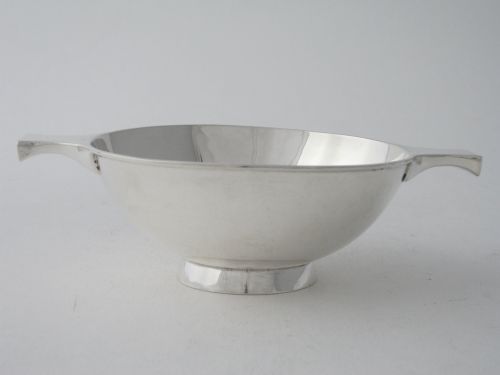
- A traditional Scottish two-handled drinking vessel adapted in the twentieth century into shallow presentation bowls. These items feature characteristic lug handles projecting from opposite sides.
George V Silver Dishes: Frequently Asked Questions
How were silver dishes used originally?
Households utilised these vessels for serving butter, bonbons, and small sweets during formal meals and afternoon tea.
Smaller trays also functioned as dressing table catch-alls for pins, trinkets, and small personal accessories.
How do I date a silver dish?
Examine the stamped hallmarks on the underside or rim, which typically include a leopard's head, an anchor, or three crowns depending on the assay office.
A specific letter stamp identifies the exact year of assay, allowing collectors to trace the piece back to the reign of George V or earlier.
Can I use antique silver dishes daily?
Sterling silver withstands regular use provided you wash pieces gently by hand using mild soap and warm water.
Avoid abrasive sponges or harsh chemical dips that strip away the natural patina accumulated over decades.