



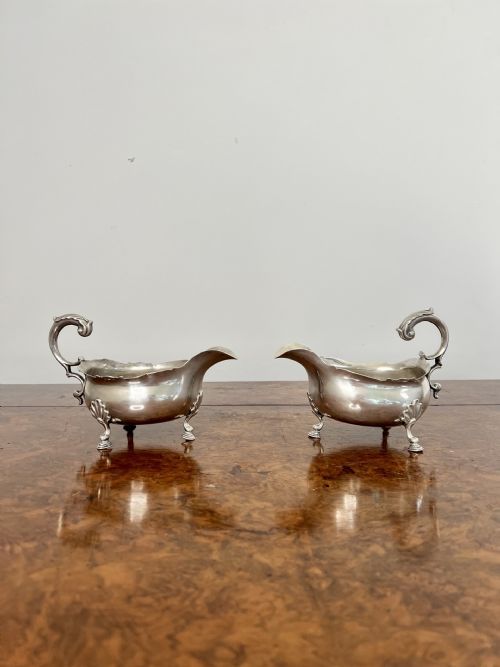

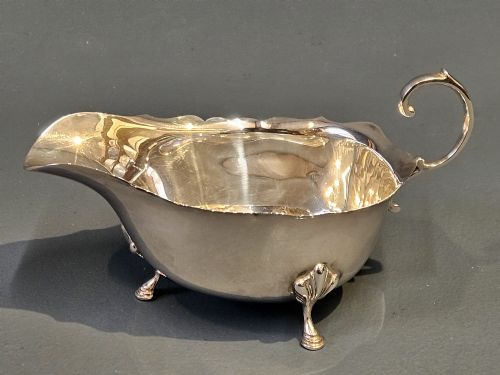


George V Jug
When you search for a george v jug, you encounter early twentieth-century metalwork and glassware designed for the dining table or bar.
George V Jug
The phrase george v jug encompasses pieces intended for serving cream, water, wine, and spirits during the early twentieth century. These vessels reflect the domestic habits of the period, particularly the afternoon tea service and the evening drinks trolley.
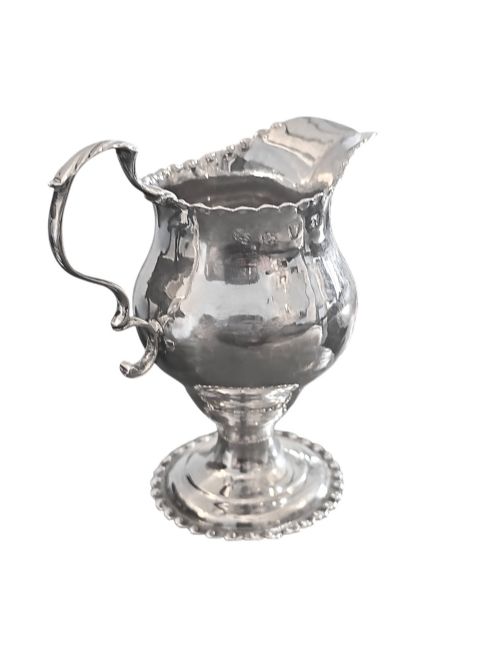
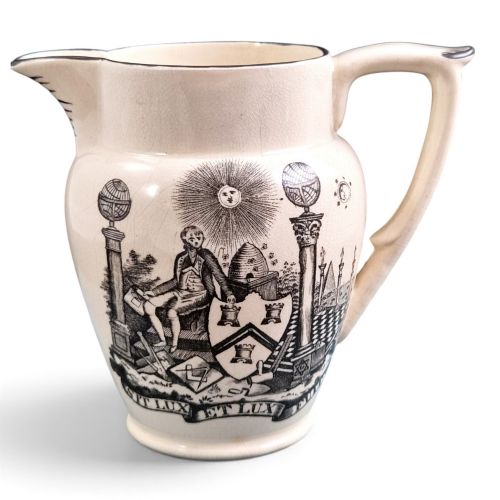
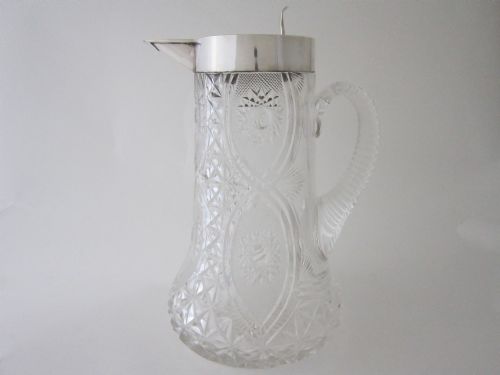
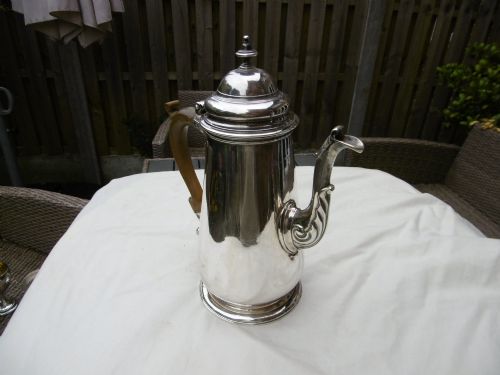
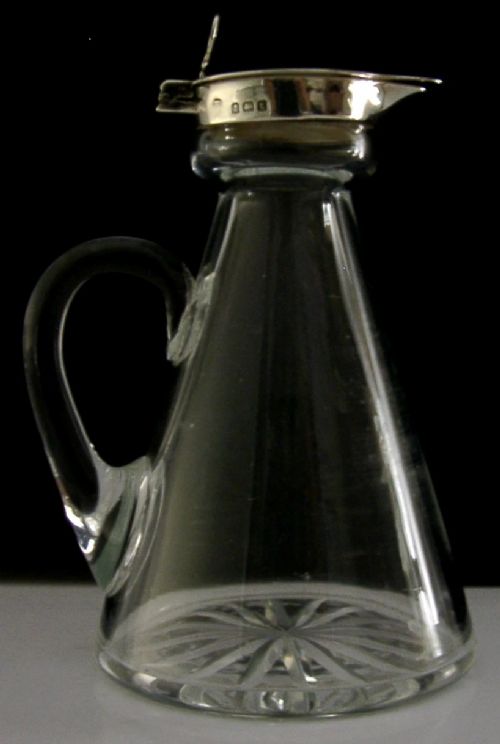
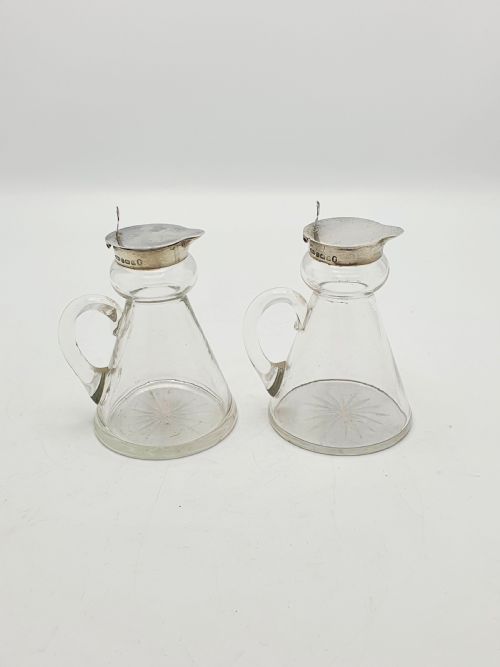
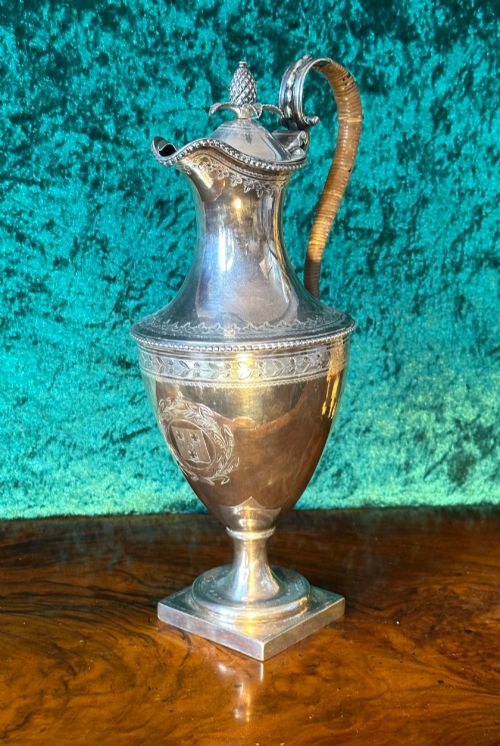
You frequently meet sterling silver examples, often mounted on cut glass bodies for claret and whisky noggins. Alongside metal, copper and earthenware variants appear, showing the range of materials utilised in homes of the era.
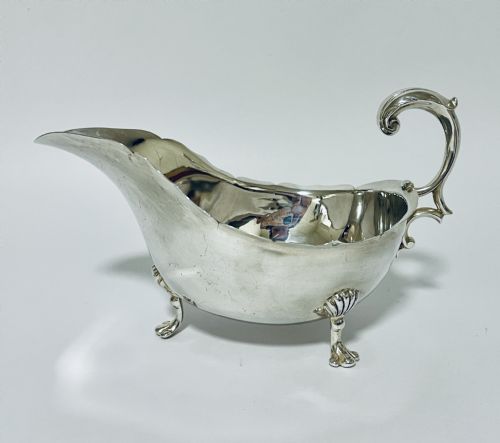
The forms span from sauce boats and gravy boats to tall water jugs and barware decanters. Each piece serves a specific functional role in the domestic interior, maintaining utility alongside decorative appeal.
Materials and construction
Silversmiths constructed metal vessels using sterling silver sheets, shaped by hammering and soldering, then finished with cast handles and detailed borders. Glass bodies for claret jugs and whisky noggins required heavy-walled vessels shaped in moulds and cut with geometric patterns.
Copper items utilised spun or beaten sheet metal, joined at seams and polished to a bright surface. Earthenware and ceramic versions employed moulded clay finished with coloured glazes or transfer prints.
George V Jug Retail Price Guide 2026
Typical asking prices for george v jug among the pieces listed under this phrase on Sellingantiques today, from the lower quarter to the upper quarter. They describe what is for sale here now, not the wider market.
Listings feature sterling silver, copper, cut glass, and earthenware across domestic forms including cream jugs, sauce boats, and claret jugs.
Factors of distinction
The weight of the metal and the thickness of the glass distinguish finer examples from standard production. Substantial gauge silver provides structural rigidity and a satisfying feel in the hand, while deep, crisp wheel-cutting on glass elevates a claret jug.
The clarity of the hallmarks, the precision of handle attachment, and the balance of the spout relative to the body determine the standard of craftsmanship. Superior pieces maintain clean lines and secure joins without excess solder or visible distortion.
George Unite·Robert Pringle And Sons·Georges Van De Voorde·George Jones·Richard Gurney
The George V Jug Glossary
- Sterling silver
- An alloy containing 925 parts of silver per thousand by mass, forming the primary metal for high-quality domestic hollowware.
- Noggin
- A small mug or vessel, typically holding a gill, used for serving spirits such as whisky.
- Claret jug
- A table pitcher specifically designed for serving red wine, usually combining a glass body with a silver mount, spout, and hinged lid.
- Baluster
- A vertical architectural form with a swelling lower part, frequently seen in the profile of cream jugs and coffee pots.
- Transfer print
- A decorative technique where a design is transferred from an engraved copper plate to paper, then applied to ceramic surfaces before glazing.
George V Jug: Frequently Asked Questions
How were these jugs used originally?
These vessels served various domestic functions, from pouring cream at the breakfast table to dispensing claret and whisky during evening gatherings.
Smaller forms accommodated milk and sauces, while larger pitchers managed water and hot beverages.
What materials should I expect to find?
The primary material is sterling silver, frequently paired with cut glass for beverage decanters and claret jugs.
Copper and earthenware also appear among surviving examples from the early twentieth century.
How do I identify a period piece?
Assay office hallmarks stamped onto silver components provide precise dates, town marks, and maker initials for metal items.
Stylistic cues such as proportions, handle shapes, and decorative motifs assist in dating unmarked or non-metal examples.
How do I care for silver and glass items?
Regular gentle cleaning with appropriate silver polish preserves the metal surface without wearing down raised details or hallmarks.
Glass bodies require hand washing in warm soapy water to protect the cut facets and any mounted collars.