



George Third Desk
A george third desk brings genuine eighteenth-century craftsmanship into a room, offering practical writing space and rich timber patination.
George Third Desk
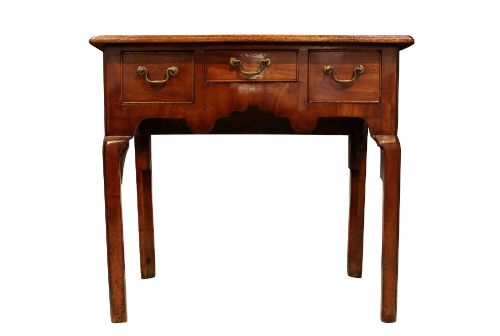
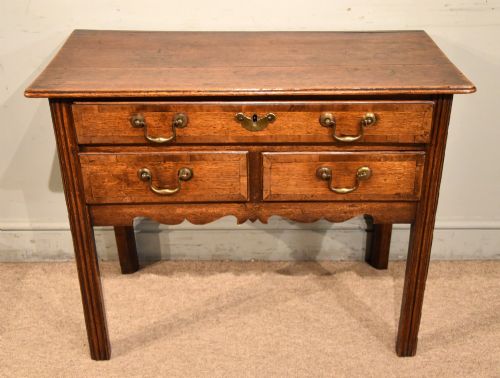
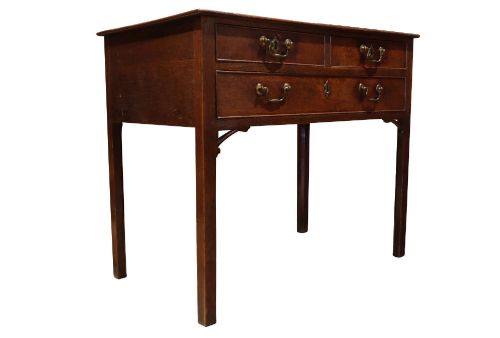
When you search for a george third desk, you encounter versatile writing tables, lowboys, and dressing tables spanning the Georgian era and nineteenth-century revivals. These utilitarian and formal pieces range from compact side tables to kneehole desks designed with multiple drawers.
The versions most commonly met on this page are oak and mahogany lowboys dating from the eighteenth century. Walnut and cherrywood examples also appear alongside revival pieces, reflecting the diverse domestic needs of past centuries.
How they were made
Cabinetmakers utilised solid timbers such as mahogany, oak, walnut, and cherrywood to construct these desks and lowboys. Feather banding and brass hardware frequently accent the primary woods, adding decorative contrast to drawer fronts and surfaces.
Construction techniques include traditional drawer linings and pegged joints characteristic of eighteenth-century workshop practice. Details such as three-quarter gallery surrounds on dressing tables demonstrate specialised additions for functional use.
George Third Desk Retail Price Guide 2026
Typical asking prices for george third desk among the pieces listed under this phrase on Sellingantiques today, from the lower quarter to the upper quarter. They describe what is for sale here now, not the wider market.
The listings show a prevalence of mahogany and oak timbers, alongside walnut and cherrywood across Georgian and nineteenth-century periods.
What varies in quality
The grade of timber selection and the crispness of secondary decorative details dictate the distinction between standard domestic items and superior examples. Finer pieces display careful feather banding, well-figured mahogany or walnut grain, and balanced proportions.
The integrity of original brass handles and the depth of surface patination accumulated over centuries elevate the standing of a desk. Revival pieces differ from period originals through their later manufacturing dates and stylistic interpretations.
The George Third Desk Glossary
- Lowboy
- A small oak, mahogany, or walnut table with drawers, commonly used as a dressing table or side table during the eighteenth century. These pieces typically feature slender legs supporting a multi-drawer apron.
- Feather banding
- A decorative inlay technique using veneer strips arranged in a herringbone or chevron pattern around drawer perimeters. This meticulous detail enhances the visual border of walnut and mahogany furniture.
- Kneehole
- A recessed central space beneath a desk or dressing table designed to accommodate the user's legs. Smaller drawers or a cupboard often flank this central opening.
- Gallery
- A low raised border around the top edge of a table or desk designed to prevent items from rolling off. These surrounds occasionally incorporate brass or timber upstands.
- Patina
- The surface sheen and colour developed by wood and metal over decades of handling and polishing. This gradual ageing process reveals the authenticity and history of an antique.
George Third Desk: Frequently Asked Questions
What is a lowboy used for?
A lowboy functions as a small multi-purpose table with drawers, originally used for grooming or writing in bedchambers and parlours.
Today, these compact tables serve effectively as lamp tables, small hallway desks, or decorative side tables in compact spaces.
How do I identify oak furniture?
Oak timber is distinguished by its heavy weight, distinct open grain, and characteristic medullary ray markings that create visible flecks across the surface.
Over centuries, oak darkens naturally to a deep honey or chocolate tone, especially when unpolished or finished with traditional waxes.
What defines the Georgian period?
The Georgian period spans the reigns of the first four British monarchs named George, covering most of the eighteenth century and into the early nineteenth century.
Furniture from this era transitions from heavier walnut designs to refined mahogany pieces influenced by classical proportions and changing social habits.