





George IV Dressing Table
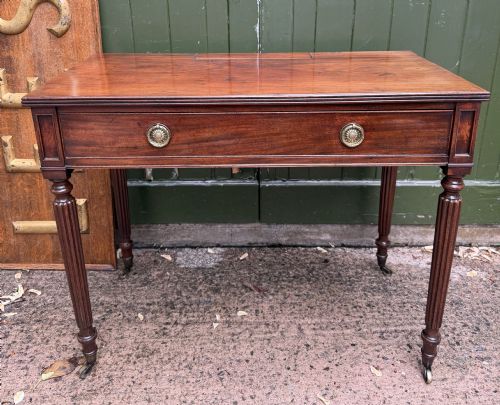
A george iv dressing table brings refined mahogany construction and architectural proportions to the bedroom, combining deep drawer storage with a fitted writing or mirror surface.
George IV Dressing Table
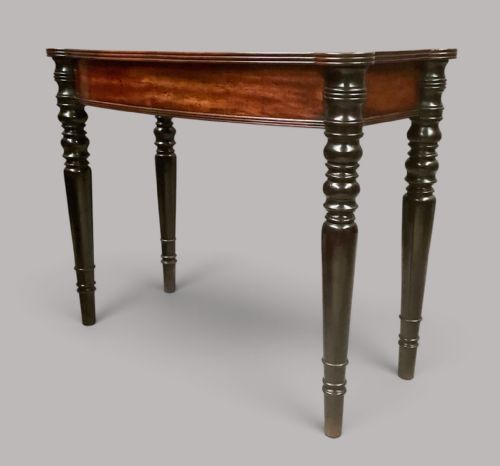
A george iv dressing table typically emerges in rich mahogany, often displaying bowfront, breakfront, or kneehole configurations that reflect the cabinetmaking standards of the early nineteenth century.
The evidence shows these pieces frequently overlap with writing and side tables, demonstrating the versatile, multi-purpose design favoured during the Regency and Georgian periods.
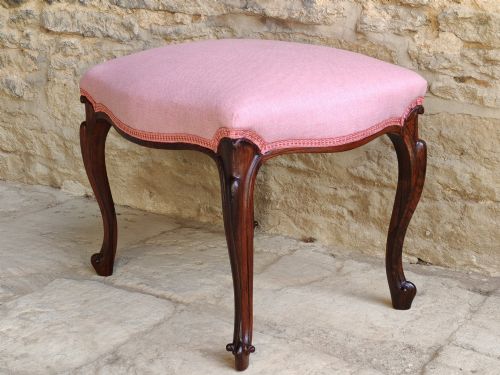
Buyers will encounter full-size dressing tables alongside smaller companion items such as toilet mirrors, stools, and silver-mounted accessories associated with the same era.
Materials and Cabinetmaking Methods
Solid and veneered mahogany forms the primary structural foundation, frequently augmented by secondary timbers such as oak and accented with ebonised wood or delicate stringing.
Metalwork details rely on brass for handles, mounts, and inlay, while smaller accoutrements incorporate sterling silver, silver gilt, bone, and glass.
George IV Dressing Table Retail Price Guide 2026
Typical asking prices for george iv dressing table among the pieces listed under this phrase on Sellingantiques today, from the lower quarter to the upper quarter. They describe what is for sale here now, not the wider market.
Even portable vanity items received lavish treatment, with makers crafting solid silver-gilt table snuff boxes and tortoiseshell jars for the daily routine.
Distinguishing Quality and Execution
Superior execution shows in the selection of richly figured mahogany timber and the crisp precision of brass inlays, ebony stringing, and ebonised details.
Quality rests equally in the structural integrity of multi-drawer kneehole layouts and the balanced proportions of breakfront or bowfront carcases attributed to premier workshops.
Gillows of Lancaster·Edward Farrell
The George IV Dressing Table Glossary
- Bowfront
- A convex, curved front profile popular in early nineteenth-century case furniture. This shape softens the corners of the room while maximising internal drawer space.
- Kneehole
- A desk or dressing table configuration featuring a central recess for the user's legs, flanked by pedestals of drawers. It provides practical storage without sacrificing sitting comfort.
- Ebonised
- Timber treated to resemble ebony through staining or painting. It creates stark, dark contrasts against lighter mahogany surfaces.
- Toilet mirror
- A small mirror mounted on a pivoting frame, designed to sit atop a dressing table or chest. These often feature shaped drawer bases of their own.
George IV Dressing Table: Frequently Asked Questions
How do I identify a genuine piece?
Look for period construction methods, traditional timber choices like mahogany and oak, and architectural proportions consistent with the early nineteenth century.
Examine the secondary woods inside the drawers and check for hand-cut dovetails that signal authentic period workmanship.
Were these used for writing too?
Yes, many examples served multiple functions as writing desks, chamber tables, and dressing surfaces depending on the room layout.
Cabinetmakers of the era frequently designed kneehole and side tables with interchangeable purposes in mind.
How do I care for mahogany surfaces?
Keep the wood away from direct sunlight and sudden temperature shifts to protect the polish and prevent timber splitting.
Apply a traditional beeswax polish occasionally to nourish the grain and maintain a natural, soft lustre.
What styles accompany these tables?
Pieces from this period align with Regency taste, featuring clean architectural lines, classical restraint, and occasional brass inlay.
Matching items often include swing frame mirrors, upholstered stools, and coordinated silver-gilt dressing table accessories.