

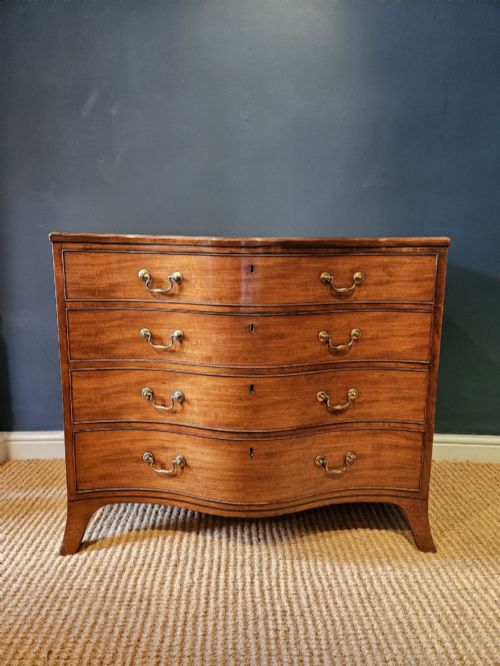
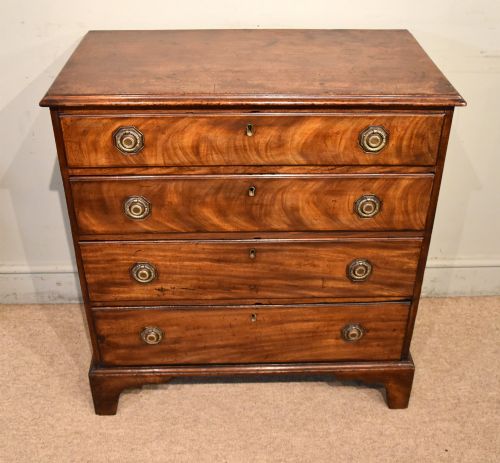
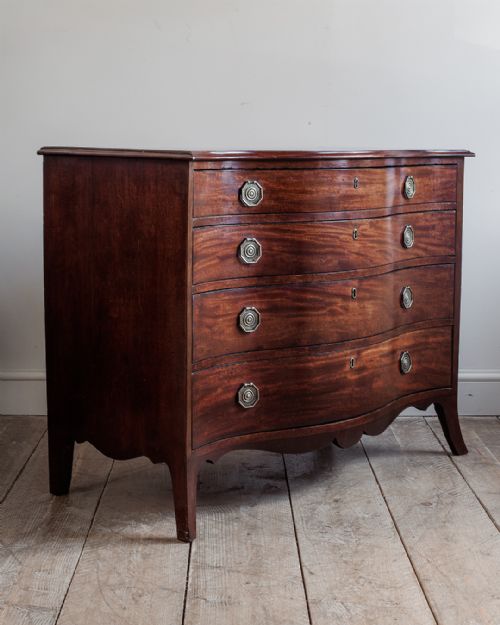
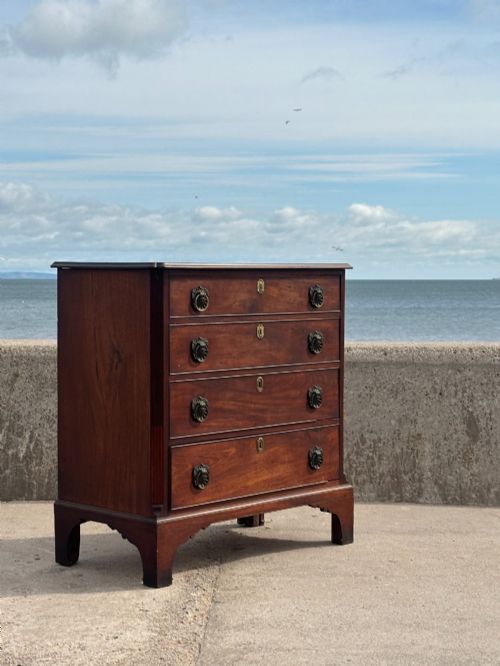



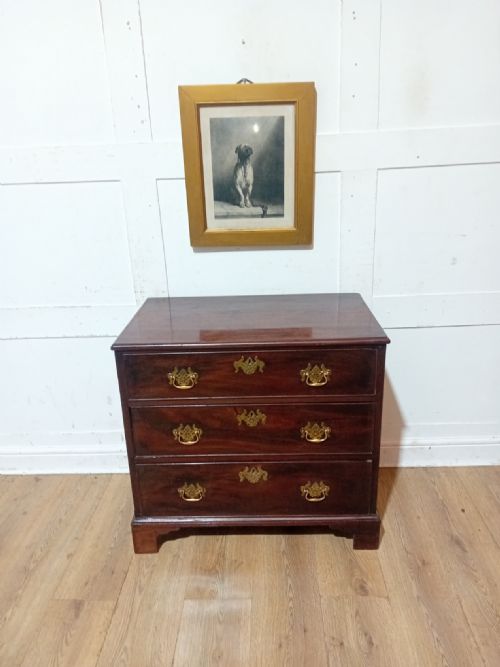

George III Wooden Bureau
A george iii wooden bureau offers a fitted writing surface above drawers, combining eighteenth-century cabinet-making with everyday utility for the home.
George III Wooden Bureau
When you search for a george iii wooden bureau, you encounter utilitarian writing furniture from the Georgian era, often associated with chests of drawers and secretaire bookcases. These pieces typically feature a sloping fall-front that opens to reveal internal compartments, small drawers, and pigeonholes for correspondence.
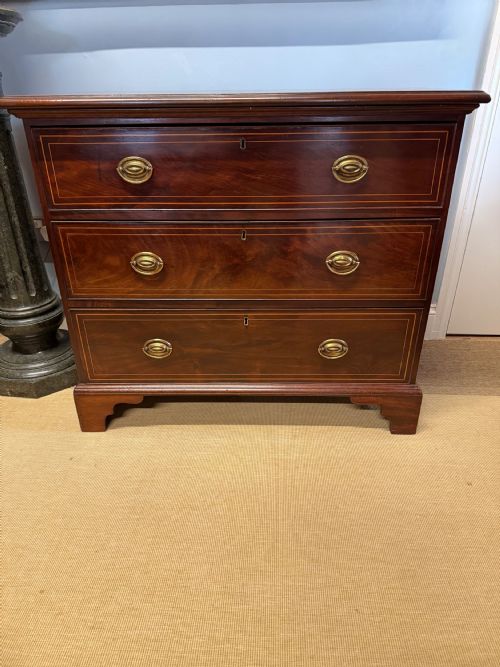
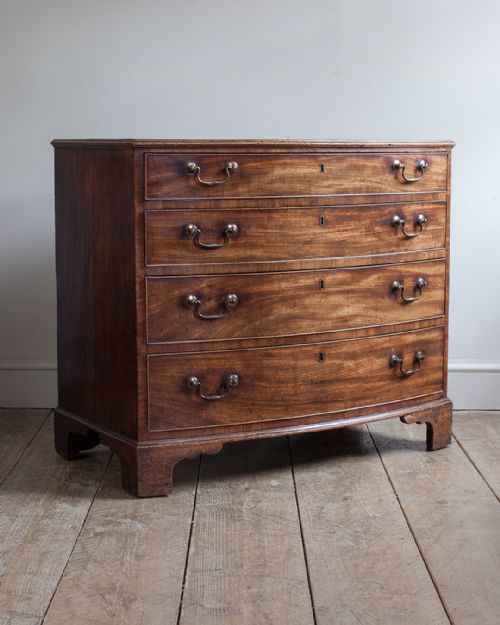
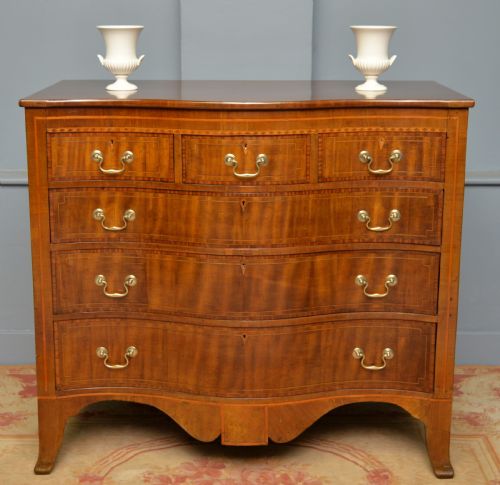
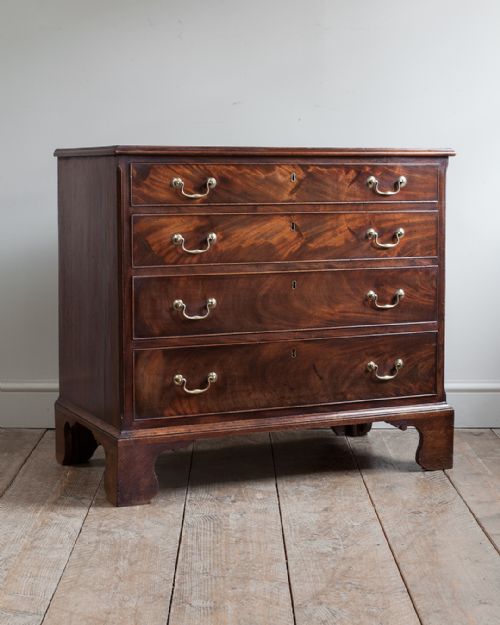
The selections on this page span the eighteenth and nineteenth centuries, including related forms like desks, tambour desks, and chests of drawers alongside standard bureaux. Mahogany dominates the examples, frequently enhanced with flame veneers or satinwood details.
Originating in domestic and professional settings of the period, these items vary from modest chamber furniture to grand bookcase combinations. They reflect the structural proportions and decorative restraint typical of eighteenth-century British cabinet-making.
Assessing quality and craftsmanship
The hierarchy of quality rests on the selection of timber figures, such as dense flame mahogany or solid satinwood, compared to plain grain boards. Superior examples display careful book-matching on drawer fronts and balanced proportions across the entire elevation.
Internal complexity also distinguishes pieces, where fitted compartments feature secret drawers, inlaid prospect doors, and finely turned pigeonhole surrounds rather than simple partitions. The integration of original brasses and untouched secondary timbers contributes to the overall integrity of an item.
George III Wooden Bureau Retail Price Guide 2026
Typical asking prices for george iii wooden bureau among the pieces listed under this phrase on Sellingantiques today, from the lower quarter to the upper quarter. They describe what is for sale here now, not the wider market.
The inventory records pieces spanning the seventeenth century through to the nineteenth century, anchored primarily in the Georgian period.
The George III Wooden Bureau Glossary
- Bureau
- A desk featuring a sloping lid that drops down to form a writing surface, concealing small drawers and pigeonholes inside. This form sits above a base of working drawers.
- Secretaire bookcase
- A tall piece of furniture combining a upper glazed cabinet for books with a lower bureau or drawer section containing a fitted writing drawer. The fall-front or drop-front hides the writing desk fittings.
- Flame mahogany
- A veneer cut from timber where the branches join the trunk, producing a rippling, flame-like pattern. Cabinet-makers used this figure on prominent surfaces like drawer fronts.
- Satinwood
- A hard, yellowish timber from tropical trees, utilised for solid construction or decorative veneers. It provides a bright contrast to darker woods like mahogany.
- Boxwood inlay
- Narrow strips of pale boxwood embedded into contrasting timber surfaces to create geometric borders or decorative lines. This technique defines panel edges on cabinet work.
George III Wooden Bureau: Frequently Asked Questions
What is a george iii wooden bureau?
A george iii wooden bureau is a piece of Georgian writing furniture featuring a hinged writing flap that opens above a chest of drawers.
Inside, the fall-front reveals a compartmented interior designed for paper storage and correspondence.
How do I identify a georgian bureau?
Georgian pieces display the characteristic proportions, timber choices, and hardware styles of the eighteenth century. Look for mahogany construction, dovetailed drawer joints, and period brass handles.
Secondary woods like oak inside the drawers further indicate the period of manufacture.
What woods were used in these desks?
Mahogany is the primary wood found across these listings, often selected in figured varieties like flame or fiddleback. Satinwood and boxwood appear as solid components or decorative inlay.
Oak is commonly utilised for internal drawer linings and structural framing.
How were these pieces used historically?
They served as domestic writing desks and storage units for households managing correspondence and household accounts. The drop-front provided a clean surface for writing letters during the evening.
The drawers below held papers, linens, or personal belongings.