
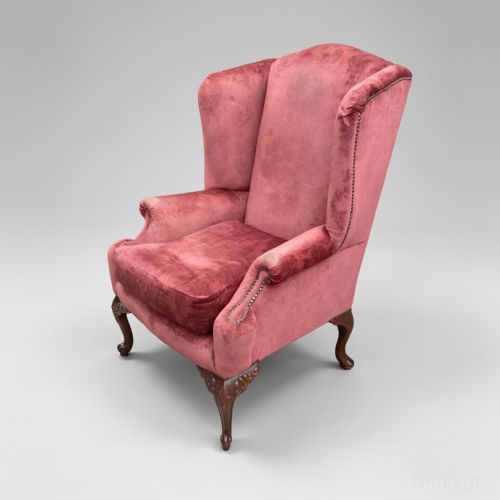


George III Wing Armchair
A george iii wing armchair commands the fireside with high protective cheeks and deep seating designed to keep out drafts.
George III Wing Armchair
The george iii wing armchair is a substantial fireside seat built with high upholstered sides, or wings, intended to shield the sitter from draughts. You will encounter genuine eighteenth-century examples alongside later nineteenth-century revivals and twentieth-century interpretations built in the same profile.
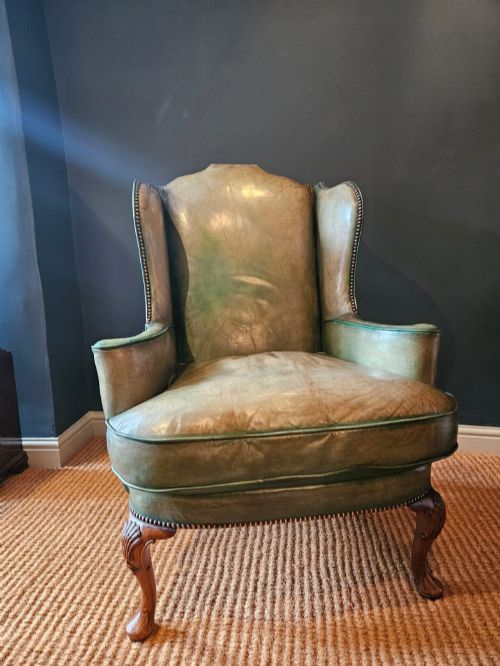
Most pieces on offer present mahogany or walnut frames, frequently featuring cabriole legs or straight stretchers beneath the seat. Forms range from standard high-back variants to barrel-back and camel-back designs that soften the silhouette.
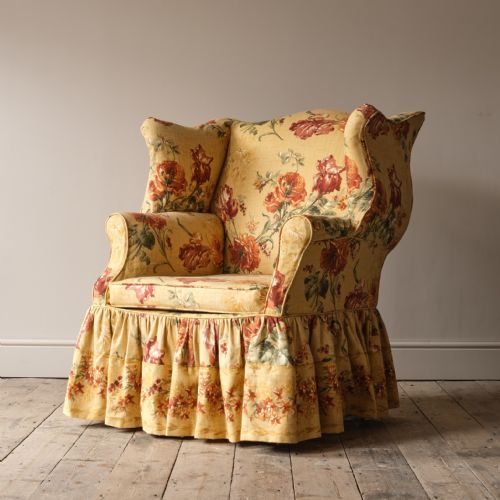
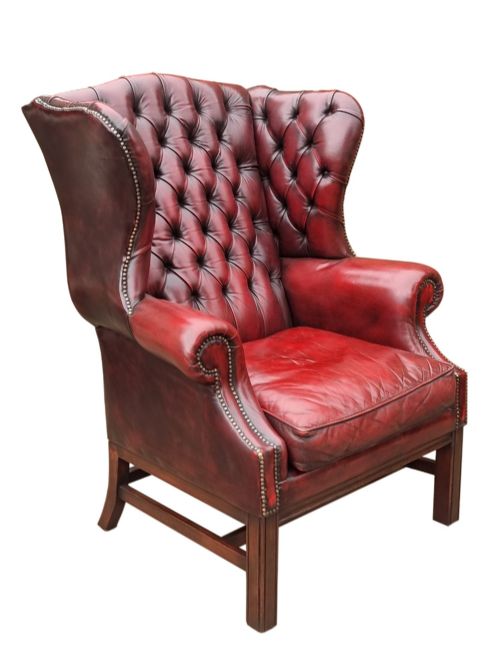
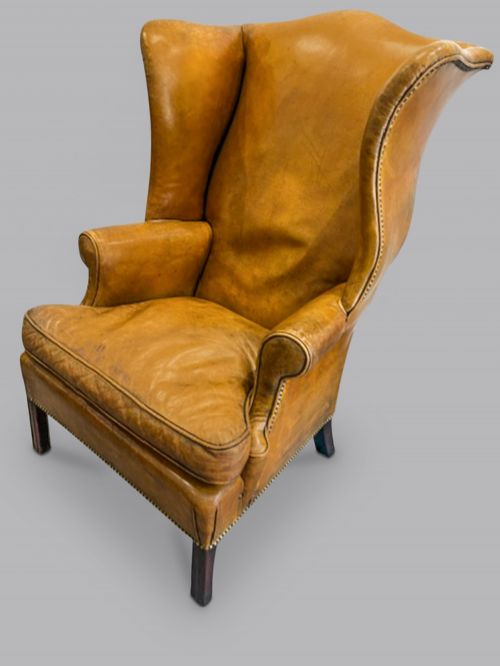
Upholstery choices define the outward appearance, shifting from period-correct leather and heavy cotton chintz to button-backed velvet, red damask, and modern wool fabric. Buyers often select between formal mahogany framework and warm timber frames paired with patinated hides.
Materials and construction
Cabinetmakers built the foundational frames of a george iii wing armchair from dense timbers like mahogany, walnut, elm, and general hardwood. These structural skeletons supported complex internal stuffing secured with traditional webbing and horsehair.
Upholstery techniques combined hand-tacked leather, brass nailheads, linen, and woven textiles pulled taut over the wings and scroll arms. Wood elements such as cabriole legs often received carved detail or simple polish to complement the fabric covering.
Some historical wing armchairs included hidden side pockets specifically designed to hold a gentleman's pipe or an eighteenth-century reading pamphlet.
Judging quality in a george iii wing armchair
The distinction between an ordinary piece and a finer george iii wing armchair lies in the crispness of the timber carving and the balance of the proportions. Superior frames maintain a harmonious curve in the wing and arm sweep without appearing clumsy or over-restored.
The integration of the upholstery dictates the visual success of the chair, where hand-applied brass studs and correctly tensioned leather or fabric preserve the intended silhouette. Original timbers that retain rich colour and honest surface wear carry greater authority than heavily stripped frames.
The George III Wing Armchair Glossary
- Cabriole leg
- A furniture leg that curves outward at the knee and tapers inward at the ankle, often terminating in a pad or ball and claw foot. This form draws inspiration from animal limbs and appears frequently on eighteenth-century seating.
- Wing
- The triangular or shaped flap attached to the back of an armchair and extending forward to protect the head and face from draughts. Early versions served a practical thermal purpose before evolving into a decorative convention.
- Barrel back
- A seating form where the upholstered back curves continuously around to form enclosed sides and arms. This construction creates a snug, enveloping seat.
- Damask
- A reversible figured fabric traditionally woven in silk, wool, or linen with patterns formed by contrasting warp and weft threads. It provides a formal, patterned surface texture for period upholstery.
- Chintz
- A printed and glazed cotton fabric often featuring floral or botanical motifs. It offers a lighter decorative alternative to heavy wool or leather coverings.
George III Wing Armchair: Frequently Asked Questions
How do I spot a true period piece?
Examine the secondary timbers inside the frame and the construction methods used in the joinery, as eighteenth-century frames display hand-cut joints and native hardwoods.
Compare the overall proportions and wear patterns against documented examples from the Georgian era to confirm age.
Were these chairs used only by the fire?
The high wings were engineered specifically to trap heat from an open hearth and block cold air from chilling the sitter's neck and shoulders.
Over time, they moved into libraries and parlours as status seating for reading and conversation.
What is the difference between period and style?
Pieces designated as period originate directly from the late eighteenth century during the reign of George III.
Items labelled as style represent later nineteenth- or twentieth-century revivals that replicate the historic eighteenth-century aesthetic.
How should I care for leather upholstery?
Maintain antique leather by applying specialist feeding balms periodically to prevent the hide from drying and cracking under household conditions.
Keep the chair away from direct sunlight and intense heat sources to preserve the natural suppleness of the material.