



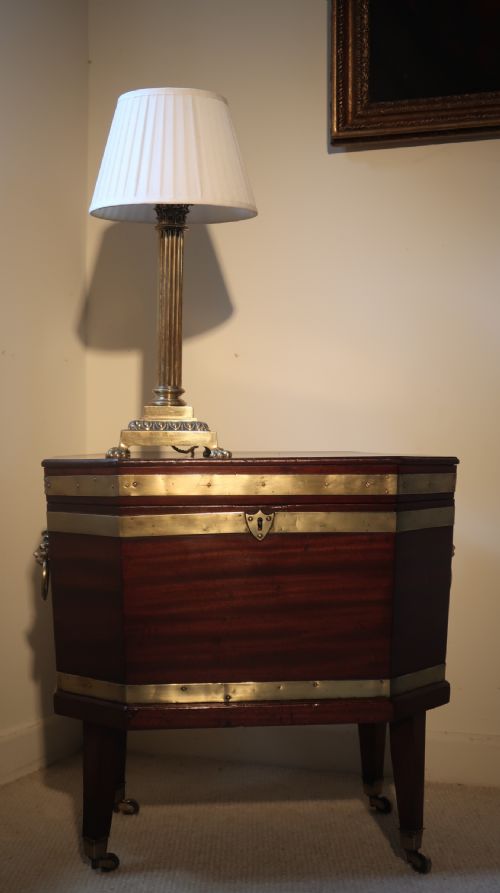


George III Wine Cistern
A george iii wine cistern brings absolute architectural dignity to the dining room, functioning as a commanding vessel for chilling bottles during grand Georgian suppers.
George III Wine Cistern
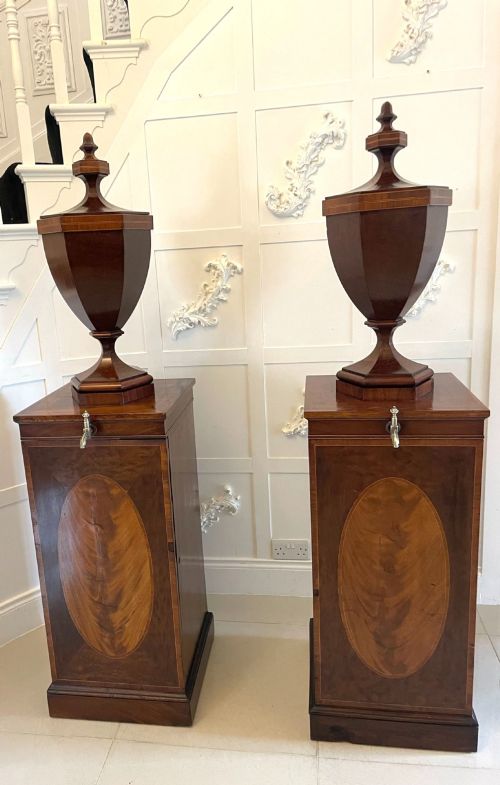
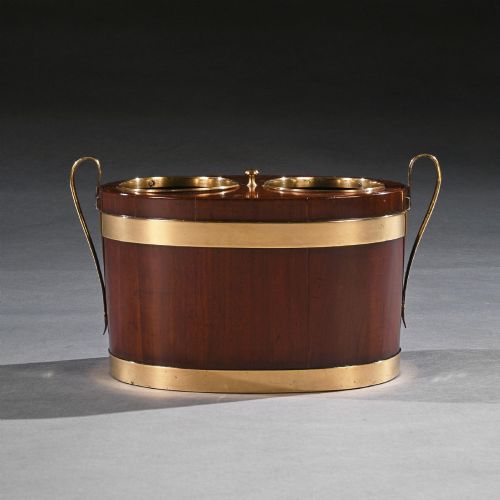
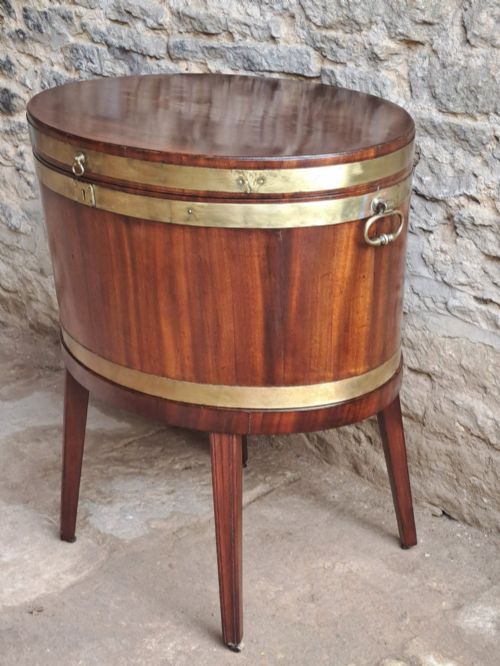
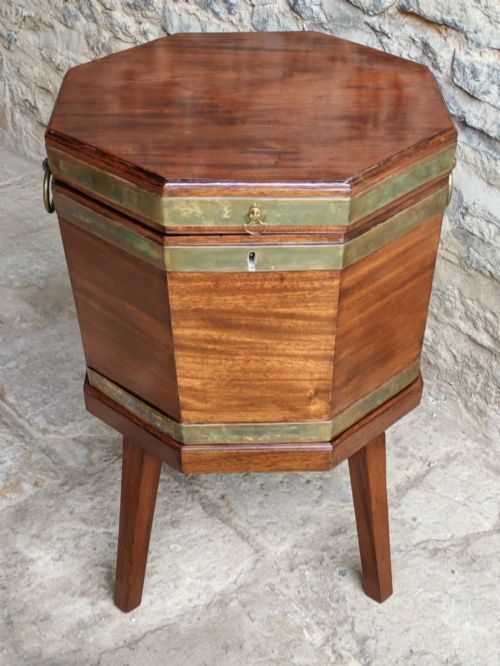
A george iii wine cistern takes the form of oval, octagonal, or flat-top vessels alongside paired pedestal cupboards and urns designed to hold ice and wine bottles. These serving pieces emerge from the eighteenth century, Georgian, and later revival periods, maintaining deep historical utility for entertaining.
Most examples found on this page consist of mahogany constructions, often oval or octagonal in shape, accompanied by brass binding or delicate boxwood and satinwood inlay. Buyers frequently encounter freestanding coolers on original stands or open jardiniere variants intended for domestic dining spaces.
Materials and construction methods
Cabinetmakers constructed these vessels primarily from solid mahogany and walnut, occasionally applying fine boxwood and satinwood inlay to achieve striking decorative contrast. Metal elements such as brass bands secure the staves of the wooden bodies, mirroring the traditional cooperage techniques used for large liquid-holding vessels.
Internal zinc linings or metal inserts were fitted to watertight compartments, allowing the cisterns to hold melting ice alongside heavy glass bottles. Stands and pedestals integrate closely with the main cooler bodies, maintaining structural stability under significant weight.
George III Wine Cistern Retail Price Guide 2026
Typical asking prices for george iii wine cistern among the pieces listed under this phrase on Sellingantiques today, from the lower quarter to the upper quarter. They describe what is for sale here now, not the wider market.
Some eighteenth-century guests required locking cellarettes because servants had an unfortunate habit of sampling the master's best claret.
Distinctions in craftsmanship and design
The division between standard workshop production and exceptional cabinet work rests in the precision of the timber selection and the crispness of any inlay. Grain alignment across panels and the integrity of original stands or pedestals elevate specific pieces significantly.
The George III Wine Cistern Glossary
- Cellarette
- A lockable container or cabinet designed to hold wine bottles securely beneath the dining table or sideboard. These lockable receptacles kept precious vintages safely stored away from household staff.
- Brass Bound
- A construction method utilising metal bands encircling wooden staves to provide structural strength and moisture resistance. This technique derives directly from traditional cooperage used for casks and barrels.
- Inlay
- A decorative technique where contrasting woods such as boxwood and satinwood are inserted into recesses within the primary mahogany surface. This meticulous method creates crisp geometric or botanical patterns.
- Pedestal and Urn
- A matched suite comprising a tall columnar base supporting a classical vase-shaped vessel used for chilling or storage. These imposing sets dominated late eighteenth-century dining room architecture.
- Jardiniere
- An ornamental receptacle designed to hold plants or flowers, sharing structural forms with open wine coolers. Converted or multi-use vessels often serve this secondary botanical purpose in modern interiors.
George III Wine Cistern: Frequently Asked Questions
What is a george iii wine cistern?
A george iii wine cistern is a large eighteenth-century or Georgian vessel designed to hold ice and cool wine bottles during formal meals. These pieces function as freestanding mahogany coolers or sit upon dedicated wooden stands.
Cabinetmakers constructed them using cooperage techniques with brass bands, or built them as sophisticated octagonal and oval boxes with fine inlay. They represent the height of Georgian dining room hospitality and luxury.
How were these coolers used historically?
Households filled these heavy wooden cisterns with ice and water to chill wine and champagne bottles before and during dinner parties. The metal linings and watertight interiors protected the timber frames from moisture.
Servants placed the vessels beside the dining table or upon matched pedestal cupboards for easy access by hosts and guests. Their generous proportions allowed multiple bottles to remain chilled throughout long evening meals.
How do I live with a wine cistern today?
These large vessels adapt well to modern living as striking decorative objects, plant holders, or magazine repositories in spacious rooms. Their rich mahogany surfaces and brass details bring warmth and historical texture to traditional or contemporary interiors.
Placing a cooler on a sideboard or floor allows its sculptural oval or octagonal form to anchor a room. They require minimal maintenance beyond regular dusting and protection from direct heat sources.
How do I tell original pieces from later revivals?
Original eighteenth-century pieces display period-appropriate secondary timbers, hand-cut joinery, and patinated surfaces developed over centuries of use. Revival items from later periods often show mechanical tool marks and standardised construction methods.
Examining the interior linings, brass fittings, and wood shrinkage patterns reveals the true age of the object. Comparing construction details against authenticated Georgian examples clarifies the manufacturing era.