

George III Small Table
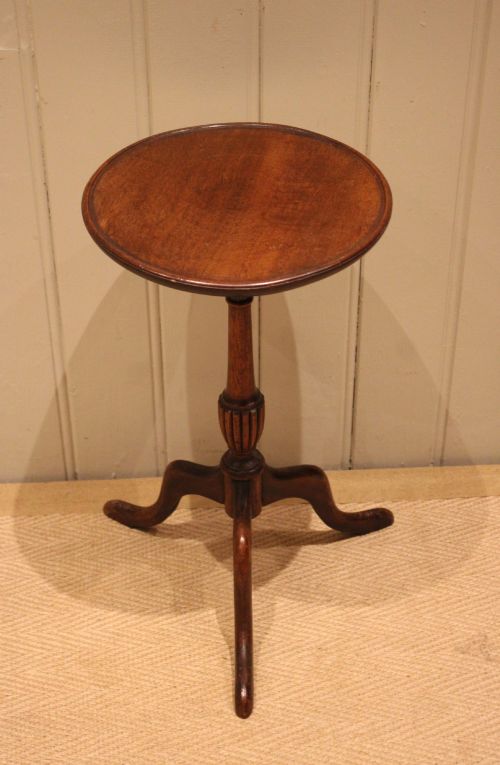
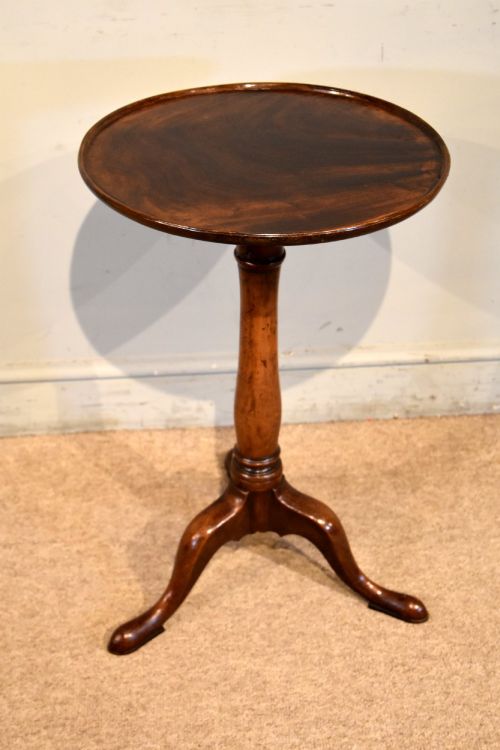
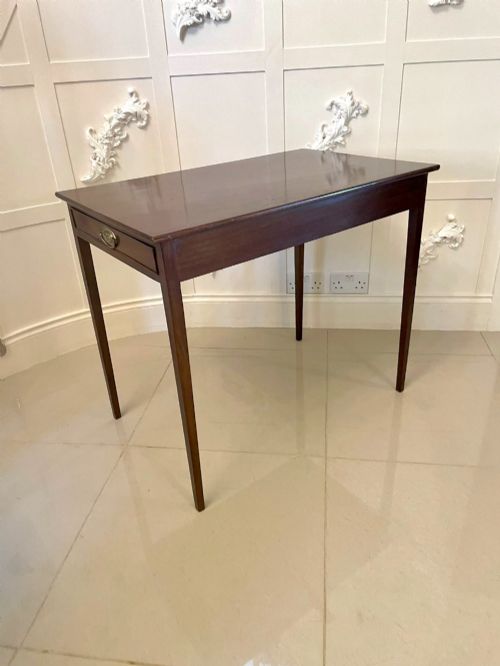
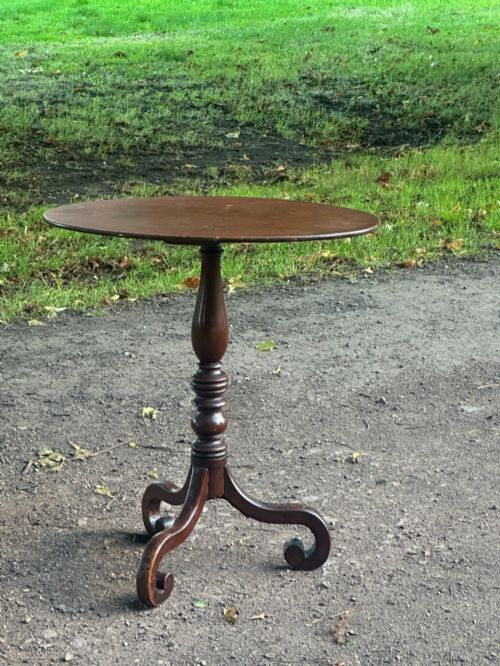
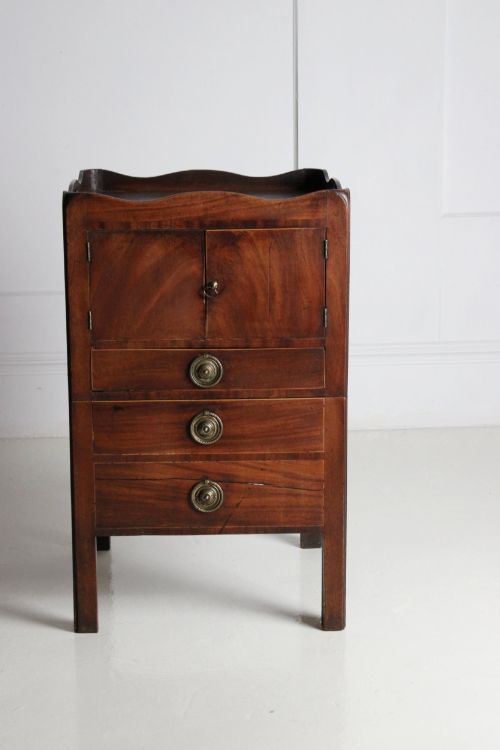
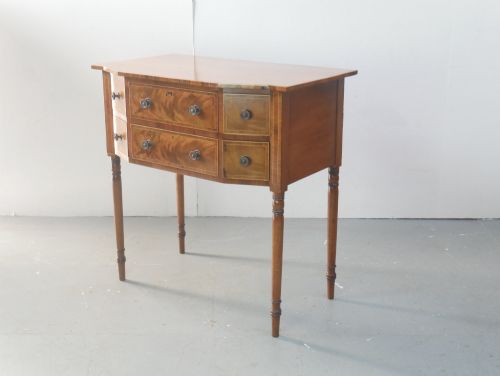
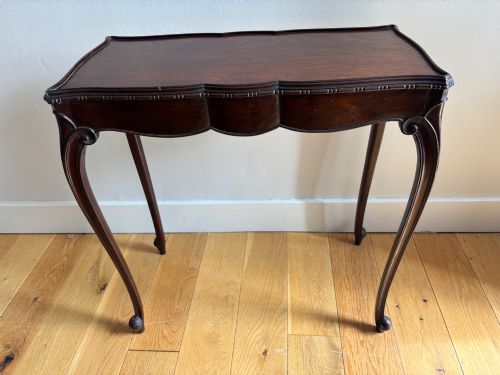
A george iii small table brings Georgian proportion and timber to a corner, functioning as a wine stand, lowboy, or occasional piece.
George III Small Table
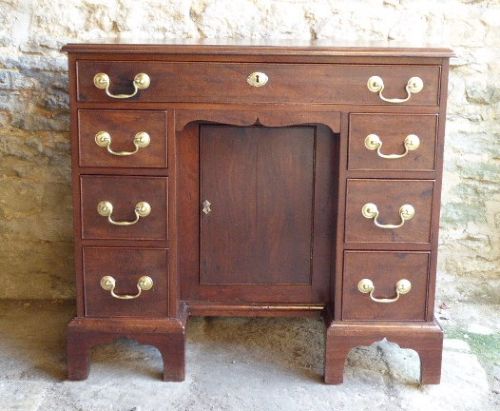
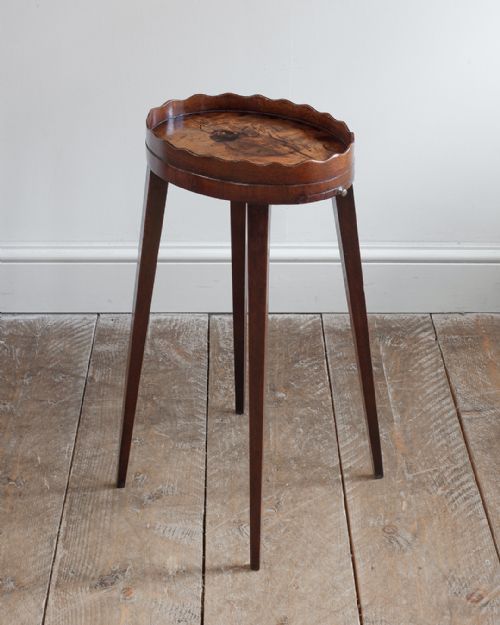
The evidence shows these items serving specific domestic functions, from urn stands and candle tables to kneehole desks and boneur du jour writing cabinets. Their modest footprints reflect the architectural scale of smaller rooms in period homes.
How they were made
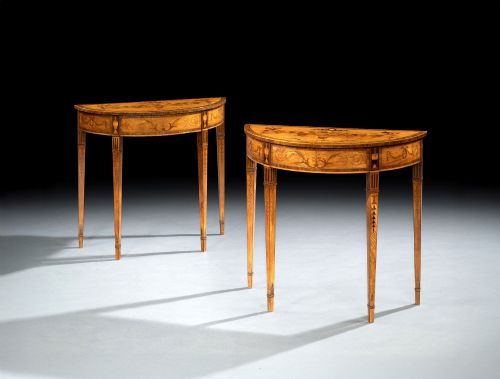
Cabinetmakers utilised dense timbers such as mahogany, oak, and burr elm, often pairing primary woods with contrasting stringing or marquetry inlay in satinwood and rosewood. Structural components frequently incorporated brass hardware, leather inserts, and glass elements.
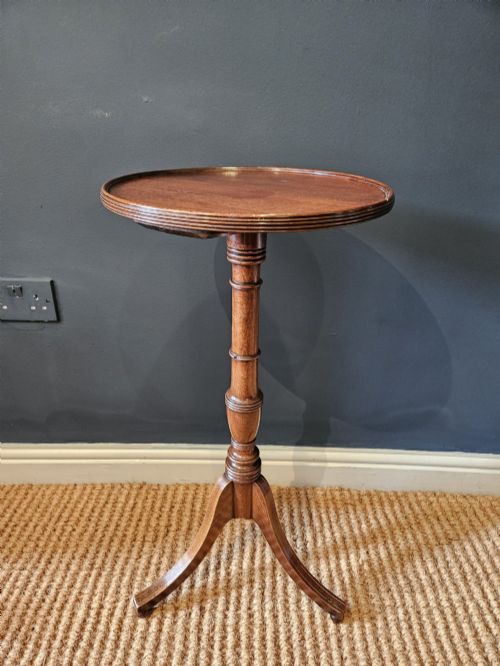
Joinery techniques relied on traditional framing, turning for slender tripod columns, and precise carving for tripod bases and lowboy aprons. Surfaces were finished to highlight the natural grain and rich colour of the timber without obscuring its age.
George III Small Table Retail Price Guide 2026
Typical asking prices for george iii small table among the pieces listed under this phrase on Sellingantiques today, from the lower quarter to the upper quarter. They describe what is for sale here now, not the wider market.
Listings feature eighteenth-century and Georgian pieces alongside later Edwardian and twentieth-century interpretations in mahogany, oak, and satinwood.
What varies in quality
Quality rests in the crispness of the timber selection, such as well-figured mahogany or carefully matched satinwood veneers, and the restraint of the proportions. Finer examples display harmonious balance between top and base, particularly in tripod tables and lowboys.
Execution of detail separates workshop grades, evident in the delicacy of turned columns, the precision of marquetry inlay, and the retention of original brass fittings rather than later replacements.
The George III Small Table Glossary
- Tripod table
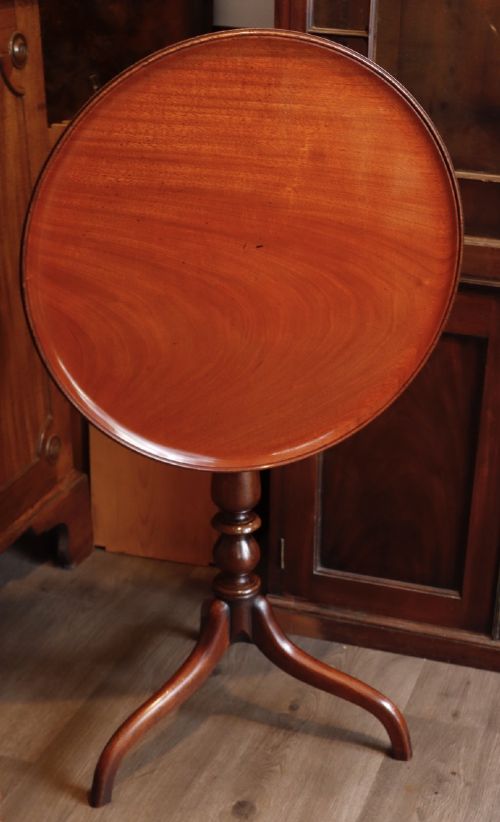
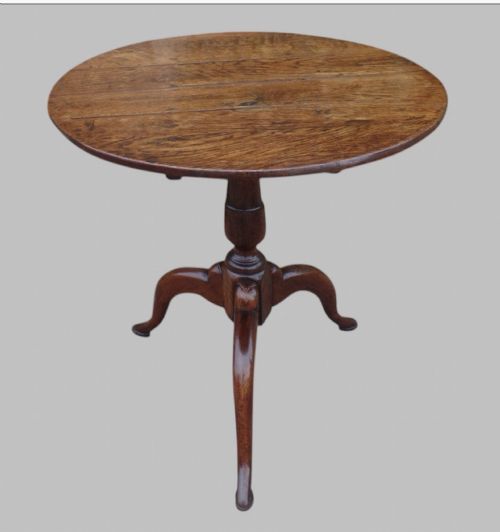
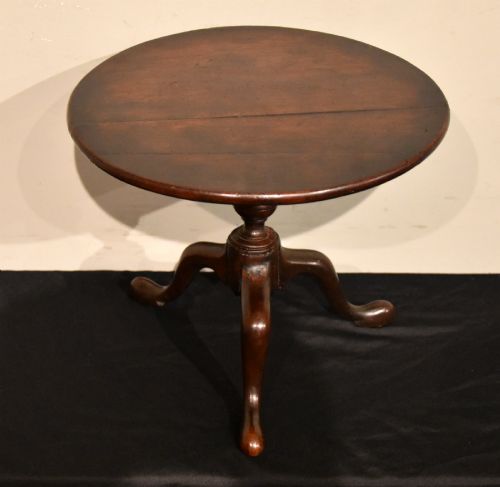
- A small occasional table supported by a central pillar on three legs, often with a tilt-top mechanism known as a snap-top. This form was widely produced throughout the Georgian era for tea or candle lighting.
- Lowboy
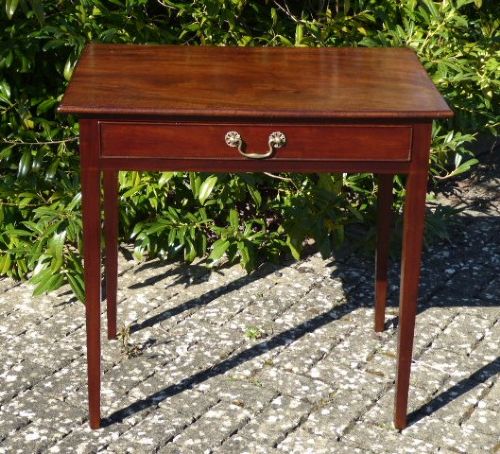
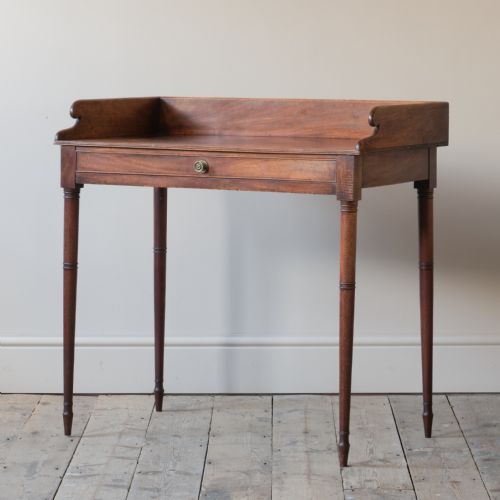
- A small side table or dressing table with one or more rows of drawers beneath the work surface, typically raised on slender cabriole or straight legs. They date predominantly from the eighteenth century.
- Demi-lune
- A half-moon shape utilised for console or side tables designed to stand flat against a wall. These pieces often feature satinwood and marquetry decoration.
- Bonheur du jour
- A light lady's writing desk featuring a small cabinet or set of drawers on the upper surface above a writing flap. They appear in refined eighteenth-century satinwood designs.
George III Small Table: Frequently Asked Questions
Where were tripod tables used?
Tripod tables were moved easily around sitting rooms to hold candles, tea equipment, or books near seating areas.
Their tilting tops allowed them to be stored flat against walls when not in daily use.
How do I identify a lowboy?
A lowboy functions as a compact table with drawers, distinguishable from larger desks by its lower height and proportions.
Cabinetmakers built them for bedrooms and parlours to hold small personal items.
What is a snap-top table?
A snap-top table utilises a wooden catch beneath the surface that locks the tabletop horizontal or releases it to tilt vertically.
This mechanism saved floor space in smaller Georgian interiors.
Are these tables solid mahogany?
Many examples combine solid timber framing with fine mahogany veneers applied to secondary woods for stability.
Selected decorative surfaces incorporate satinwood, rosewood, and marquetry inlay.