

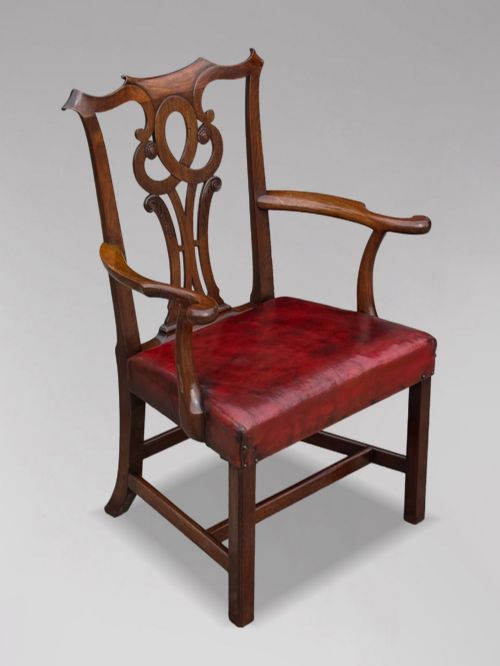
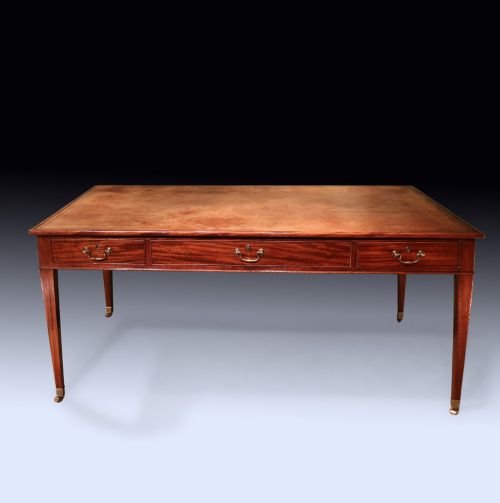
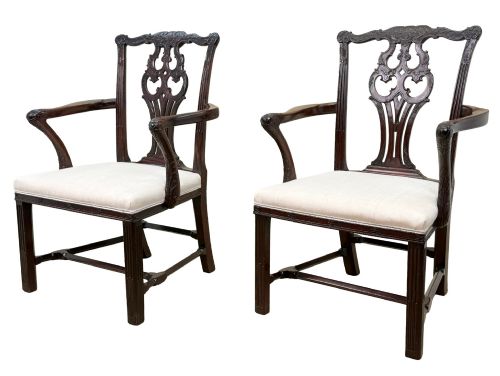
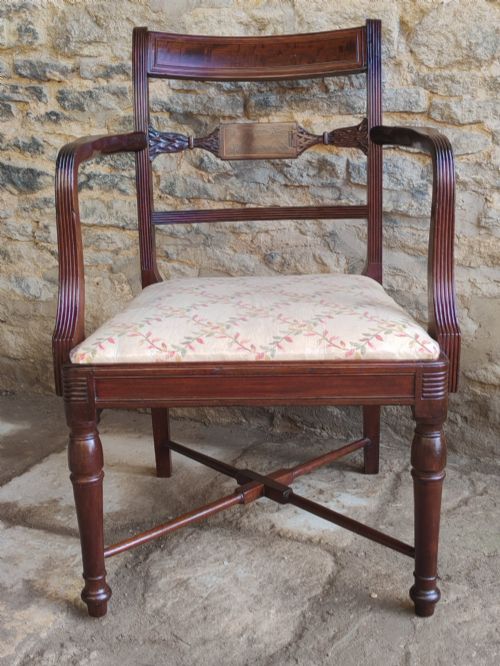
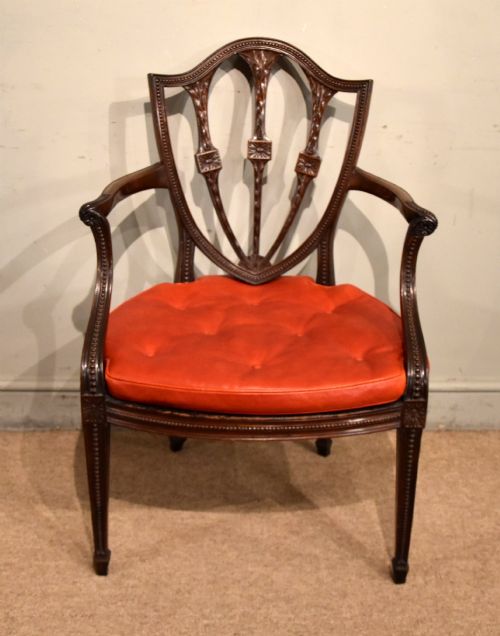
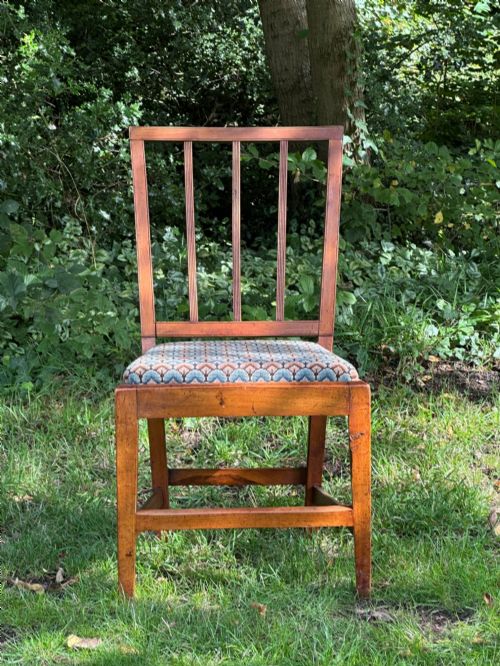
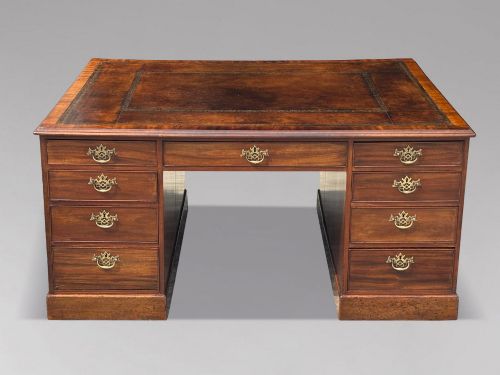


George III Period Desk
A george iii period desk brings architectural restraint and fine cabinet-making together, offering fitted drawers and writing surfaces built during a formative era of English furniture design.
George III Period Desk
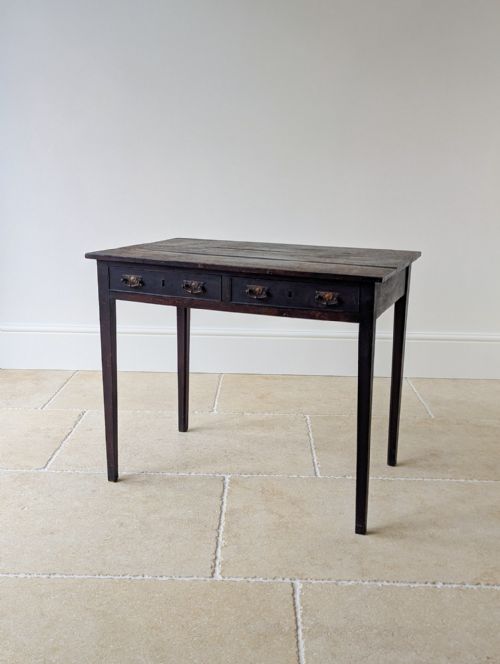
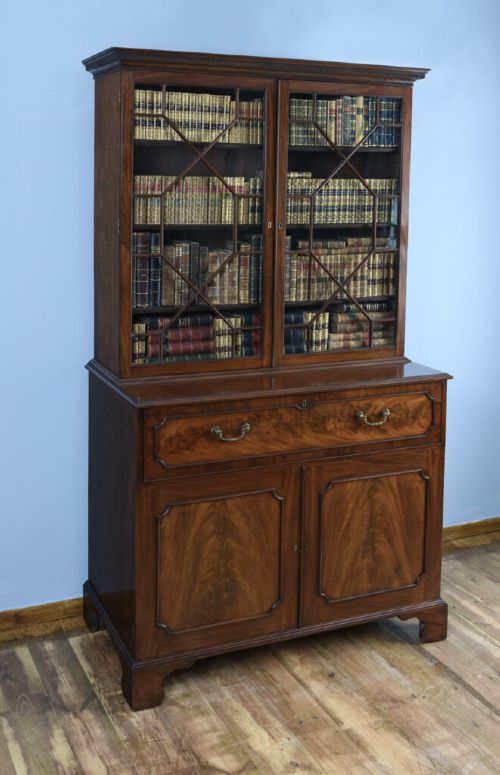
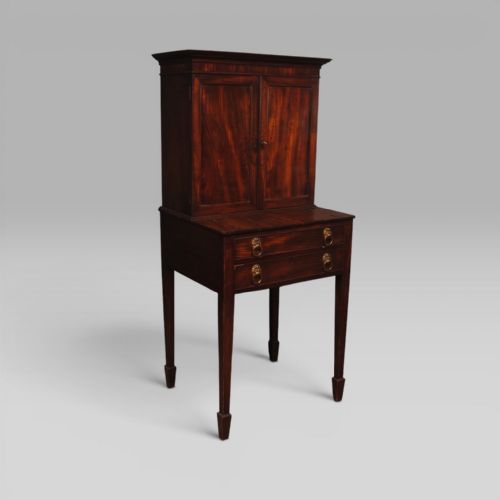
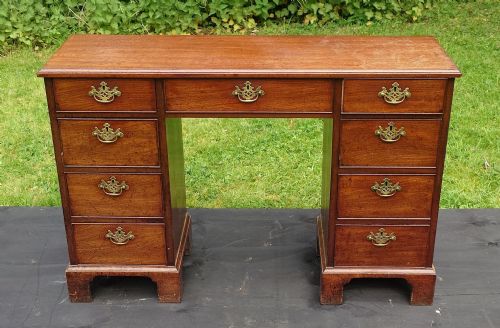
When you search for a george iii period desk, you encounter pieces spanning the late eighteenth century and the early decades of the nineteenth century, reflecting the prevailing neoclassical tastes of the Georgian era. These writings pieces range from robust partners desks and bureau bookcases to refined Carlton House writing tables, ladies' cheverets, and kneehole dressing tables.
The varieties most often met in daily handling include slope-front bureaux, writing cabinets on stands, and secretaire chests of drawers that conceal fitted pigeonholes and small drawers behind a drop-down panel. Makers of the period drew upon Chippendale, Sheraton, and Hepplewhite design vocabularies, adapting rectilinear proportions to suit the practical demands of the library and parlour.
Materials and Construction
Cabinet-makers relied primarily on figured mahogany, often complemented by secondary timbers such as oak and pine for drawer linings and internal framing, while elite examples incorporated satinwood veneers and geometric stringing. Surfaces were polished to highlight the natural grain rather than heavily coloured, allowing the timber to speak for itself through sustained friction polishing.
Structural integrity relied on dovetailed drawer construction, pegged mortise and tenon joints, and brass hardware including swan-neck handles and escutcheons. Where writing surfaces demanded durability, inset panels of leather or fabric were trimmed with gilt tooling to provide a smooth plane for quills and paper.
George III Period Desk Retail Price Guide 2026
Typical asking prices for george iii period desk among the pieces listed under this phrase on Sellingantiques today, from the lower quarter to the upper quarter. They describe what is for sale here now, not the wider market.
Object forms include kneehole dressing tables, partners desks, bureau bookcases, and Pembroke games tables.
Distinctions in Execution
Quality rests heavily on the selection of timber and the precision of the cabinet-maker's joinery, particularly in the internal partitions of pigeonholes and secret compartments where lesser pieces might employ inferior secondary woods. The handling of carved details, from restrained blind fretwork to reeded legs and subtle bracket feet, separates standard workshop production from master cabinet-making.
Proportion and balance dictate the visual success of a piece, as superior desks maintain harmonious dimensions between the writing height and the superstructure above. Untouched surfaces retain their original patination and brasses, whereas extensive timber replacement or over-restoration alters the historic integrity of the grain.
The George III Period Desk Glossary
- Secretaire
- A desk or chest of drawers featuring a fitted writing drawer with a drop-front panel. This mechanism conceals small drawers and pigeonholes while maintaining the exterior appearance of a standard drawer.
- Carlton House desk
- A freestanding writing table with a fitted superstructure curving around the back and sides. It incorporates banks of small drawers and compartments arranged in a horseshoe configuration.
- Partners desk
- A large double-sided pedestal desk designed to accommodate two people sitting opposite each other. Cupboards and drawers are duplicated on both the front and rear elevations.
- Cheveret
- A small movable writing table, also known as a bonheur-de-jour, equipped with a removable book stand or tier of small drawers on top. It was designed primarily for ladies' correspondence.
- Bracket foot
- A furniture foot shaped like a bracket, supporting the corners of case pieces such as desks and chests. It developed from plain box forms into more refined ogee and moulded profiles during the Georgian period.
George III Period Desk: Frequently Asked Questions
What is a partners desk?
A partners desk is a large pedestal writing table finished on both sides with banks of drawers and cupboards. This layout allowed two people to sit and work opposite each other in a library or study.
Such pieces represent the grander scale of Georgian case furniture, often featuring generous leather-lined writing surfaces and substantial mahogany construction built for institutional or large country house use.
How do I tell Sheraton from Chippendale styles?
Chippendale designs from the mid-eighteenth century often display robust carved mahogany elements, straight or moulded legs, and occasional Gothic or French Rococo influences. The construction prioritises structural weight and carved surface ornament.
Sheraton pieces from the later decades of the period favour lighter neoclassical geometry, frequently utilising satinwood veneers, painted decorations, tapered legs, and restrained inlay rather than heavy carving.
How should I care for an old leather desk top?
Leather writing surfaces require gentle maintenance using specialist leather balms or neutral waxes to prevent the hide from drying and cracking. Avoid harsh chemical cleaners and excessive moisture during dusting.
Protecting the surface from direct sunlight and sharp implements preserves both the original gilt tooling and the suppleness of the leather over time.