


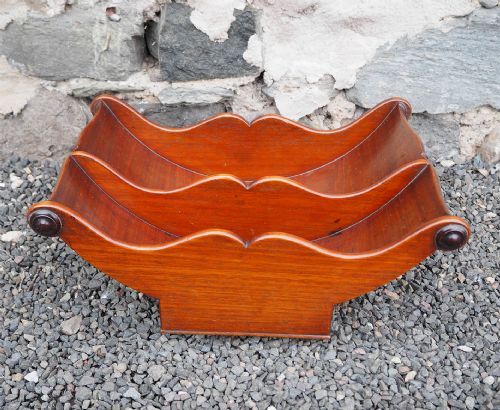


George III Mahogany Tray
George iii mahogany tray pieces span serving forms and bedside furniture crafted during the Georgian era.
George III Mahogany Tray
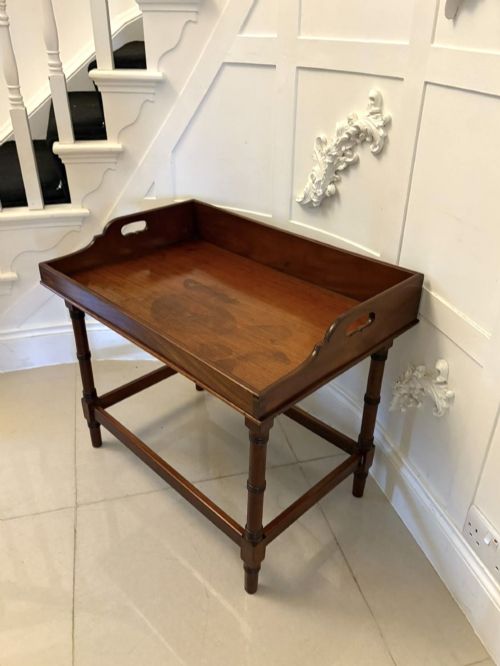
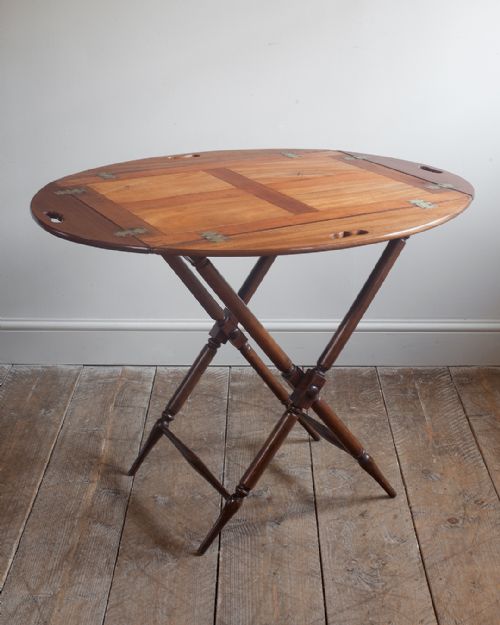
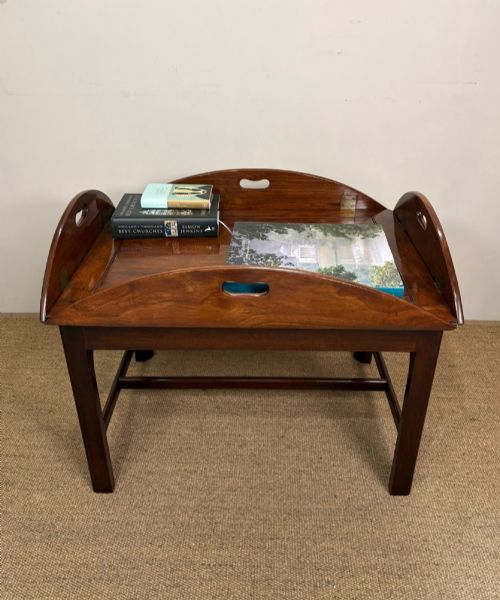
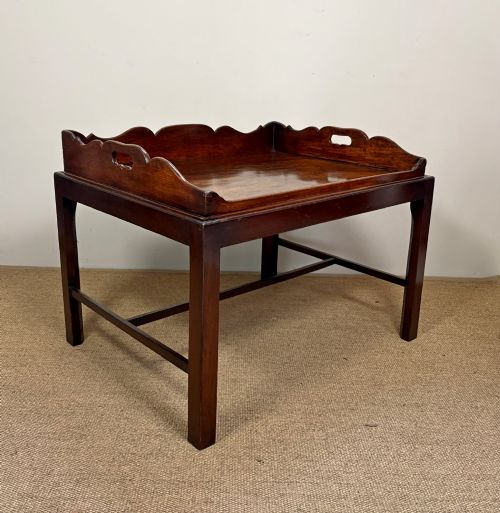
A george iii mahogany tray encompasses portable serving pieces alongside static furniture topped with raised edges. The evidence shows these functional items taking the form of oval butler trays, sometimes paired with folding stands, as well as smaller cutlery and cheese carriers.
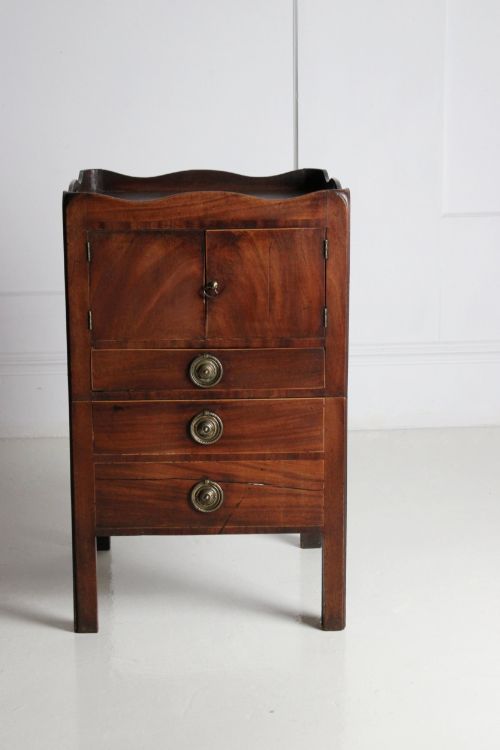
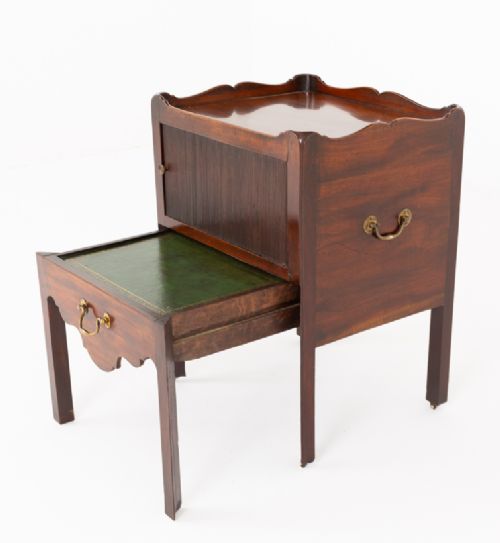
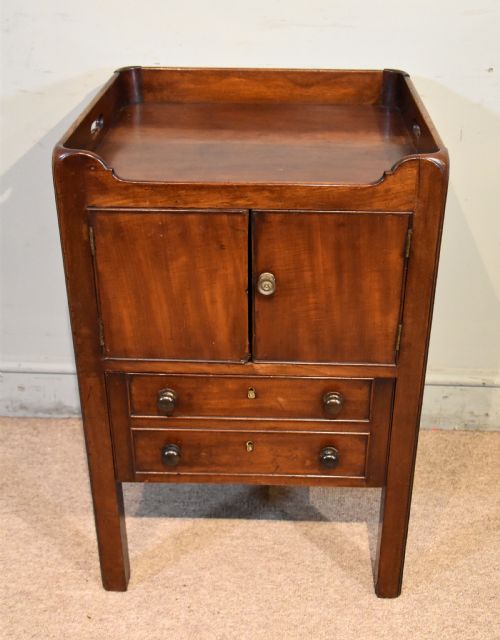
Beyond serving pieces, the inventory bridges into bedroom and living furniture sharing the defining raised tray top. Bedside cabinets, nightstands, commodes, and lamp tables incorporate the characteristic gallery edge to contain items safely.
Origins cluster heavily around the Georgian period and eighteenth century, though occasional nineteenth-century adaptations and later twentieth-century pieces appear. Woods extend primarily to standard mahogany and dense Cuban mahogany, occasionally accented with satinwood and boxwood inlay.
Materials and construction
Inlay work utilises contrasting satinwood and boxwood set into the primary mahogany ground. Canvases and leather occasionally line related utilitarian surfaces within the wider inventory.
Listings combine serving trays with bedside cabinets, lamp tables, and dumb waiters sharing the signature tray top form.
Determining quality
Subtlety of timber selection marks the separation between ordinary workshops and superior cabinet work. Dense grain patterns and rich natural colour in the mahogany define the upper tier.
The George III Mahogany Tray Glossary
- Tray top
- A raised wooden edge surrounding the perimeter of a table or commode to prevent items from rolling off. This characteristic moulding defines much of the furniture in this category.
- Butler tray
- A portable serving tray featuring hinged sides that fold flat for transport or storage. They frequently sit upon collapsible X-frame stands.
- Commode
- A closed piece of bedroom furniture with cupboards or drawers below the surface. Many examples incorporate the tray top configuration.
- Tambour
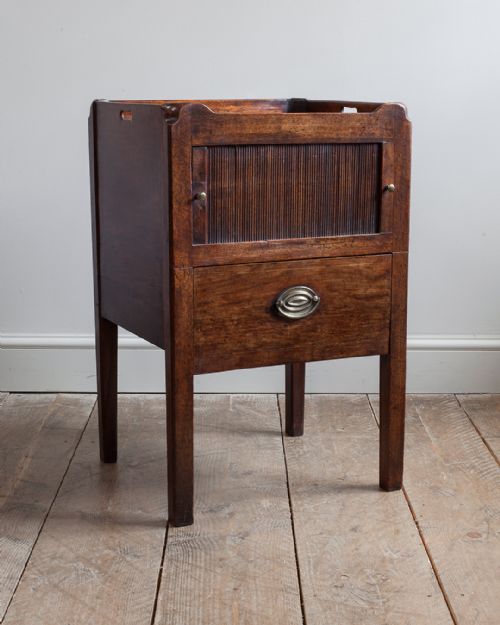
- Flexible shuttering constructed from narrow vertical strips of wood glued to canvas backing. It slides smoothly within channels to conceal cabinet storage.
- Gallery
- A decorative raised border encircling the top of a table or tray. It is pierced or solid.
George III Mahogany Tray: Frequently Asked Questions
What is a george iii mahogany tray used for?
These pieces served practical domestic functions for carrying beverages, food, or silver between rooms. Butler versions managed dining service before resting on dedicated stands.
Other formats functioned as fixed bedroom furniture, where raised borders kept washing or lighting equipment secure upon bedside tables and nightstands.
Are original stands common?
Many butler trays survive alongside period folding stands designed specifically for them. Other examples retain later replacement bases adapted to modern coffee table heights.
When evaluating pieces, the relationship between the tray and its support determines historical consistency.
How do I identify mahogany varieties?
Standard mahogany exhibits a warm reddish-brown tone with varied grain movement. Cuban mahogany displays greater density, weight, and a darker, deeper patina developed over centuries.
Cabinet makers utilised these denser timbers for pieces requiring superior structural durability.
What is a tambour front?
A tambour front consists of narrow slats joined together to form a flexible door that slides around a curved track. This mechanism conceals cabinet interiors without requiring clearance for swinging doors.
It appears on specialised bedside commodes and cabinets within the Georgian group.