

George III Mahogany Lamp Table
A george iii mahogany lamp table brings genuine period proportion and timber warmth beside any seating arrangement.
George III Mahogany Lamp Table
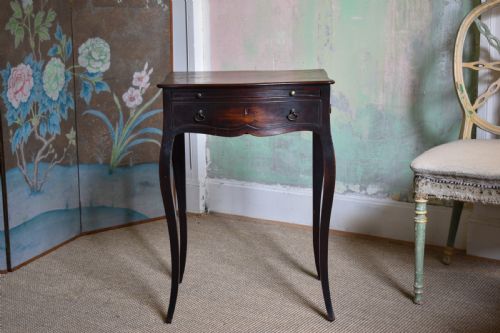
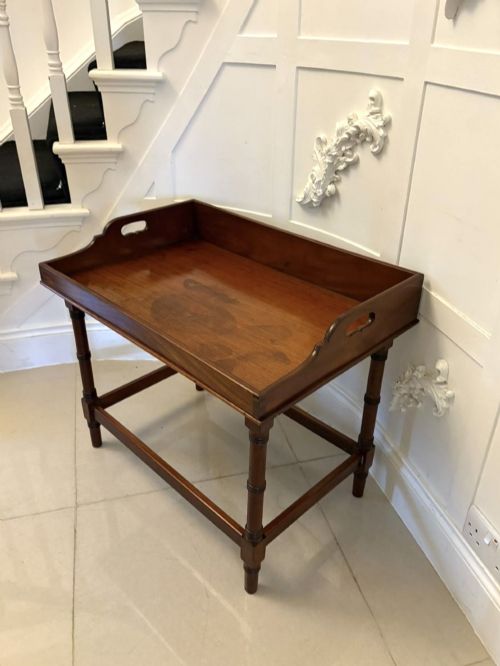
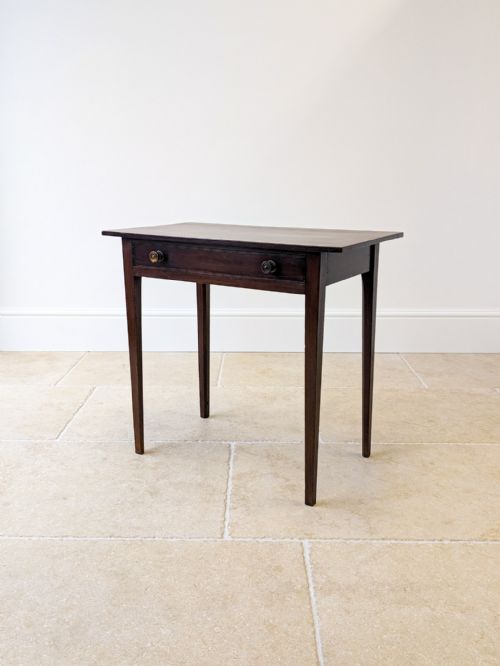
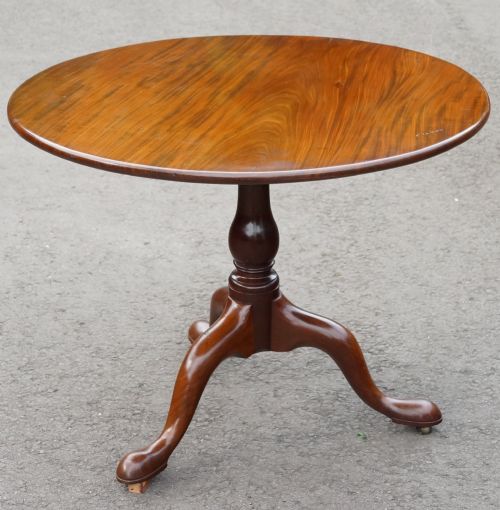
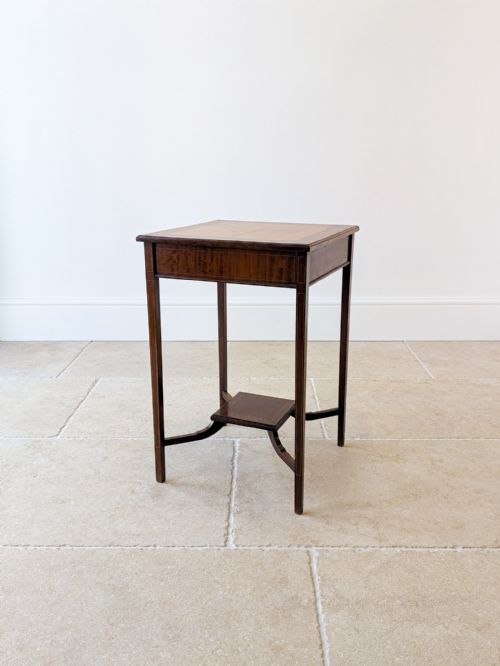
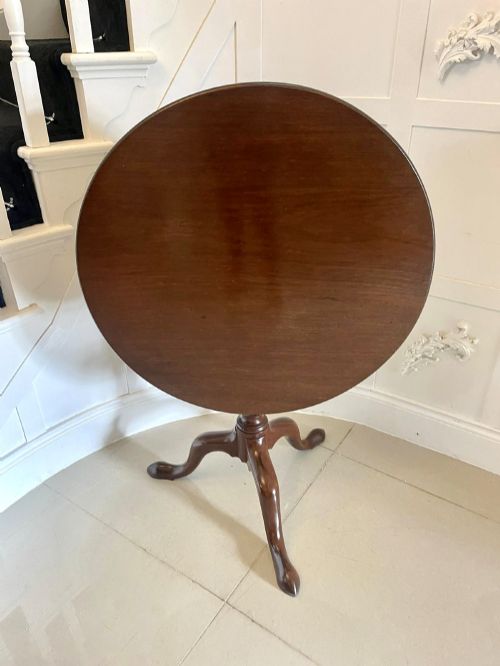
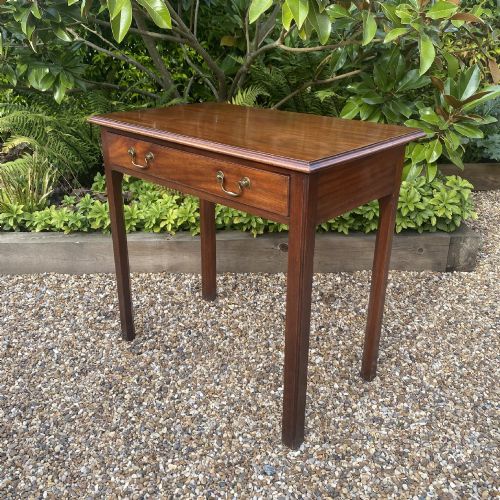
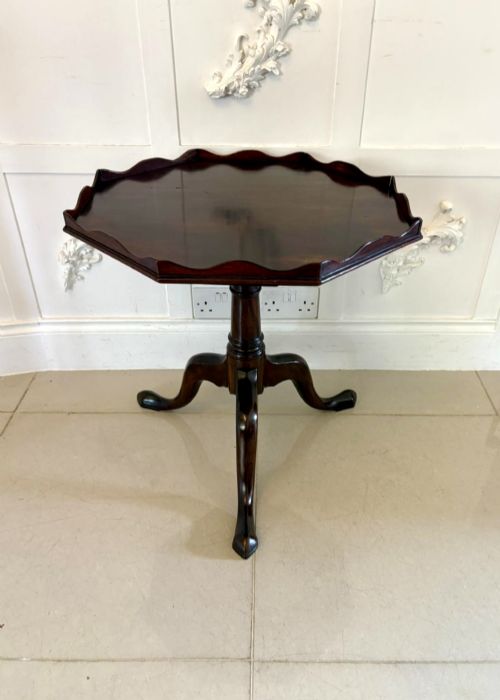
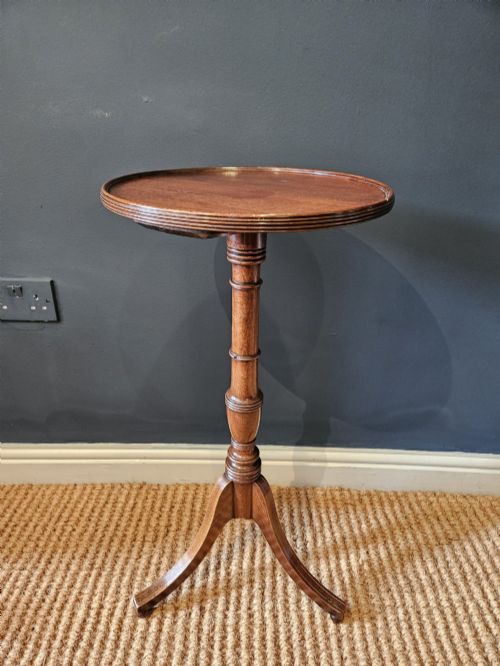
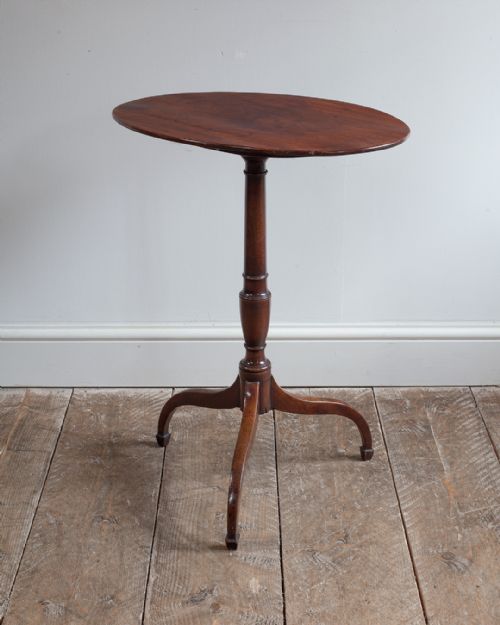
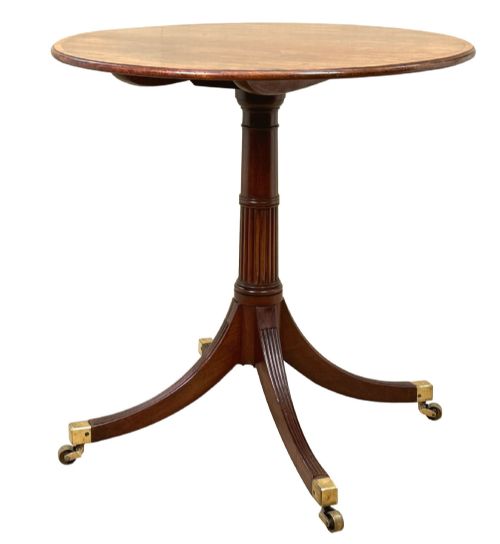
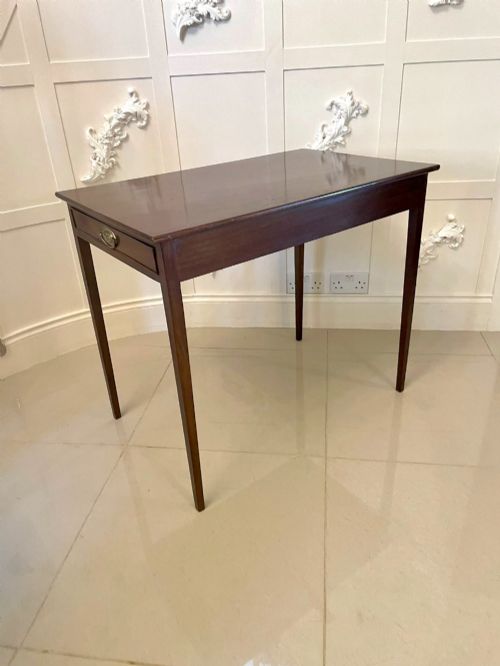
A george iii mahogany lamp table typically takes the form of a tripod base supporting a circular or oval top, though rectangular side tables and lowboys also appear under this heading.
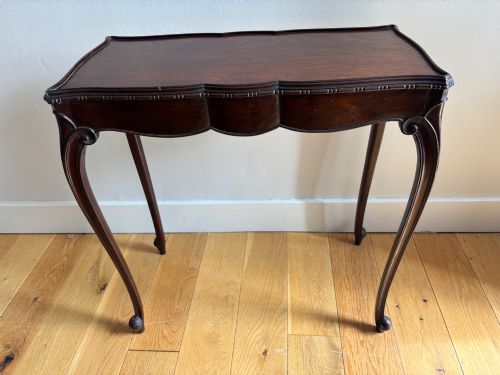
The pieces span the Georgian period proper as well as later revivals from the Edwardian era and the early twentieth century, utilising mahogany alongside plum pudding mahogany and satinwood.
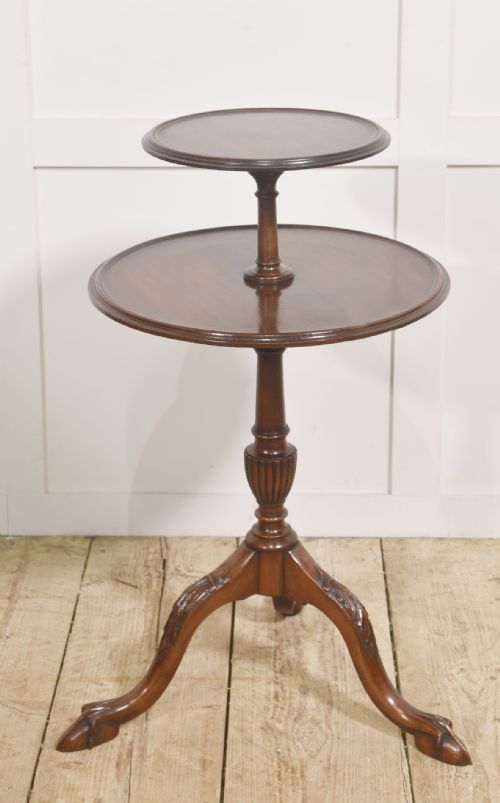
Buyers will find circular lamp tables, wine tables, and two-tier occasional pieces that reflect the domestic requirements of late eighteenth and early nineteenth century interiors.
Materials and Construction
Makers relied primarily on solid mahogany and veneers, occasionally incorporating brass galleries, iron supports, or contrasting satinwood inlays to define the borders.
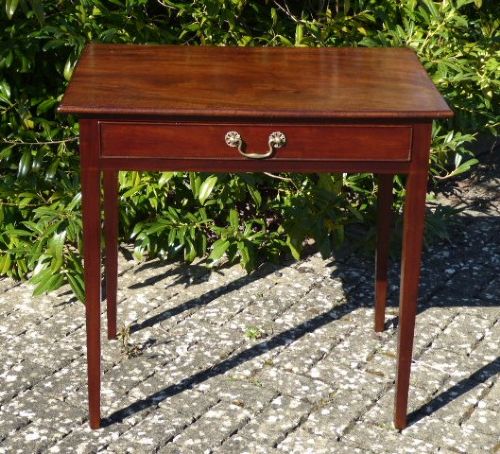
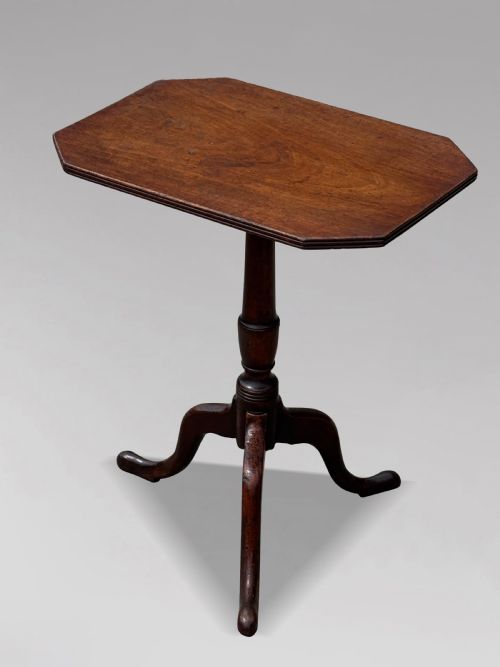
Tripod tables utilise turned pedestals and splayed legs, while rectangular variations employ square tapered legs and fitted drawers with traditional joinery.
George III Mahogany Lamp Table Retail Price Guide 2026
Typical asking prices for george iii mahogany lamp table among the pieces listed under this phrase on Sellingantiques today, from the lower quarter to the upper quarter. They describe what is for sale here now, not the wider market.
One pair travelled from an estate sale via Puttick and Simpson in December 1932 straight into modern collecting history.
Quality and Proportion
Superior examples demonstrate crisp timber figure, such as plum pudding mahogany, paired with finely drawn turnings and balanced proportions that avoid heaviness.
Construction integrity, original brass hardware, and the crispness of edge moulding separate standard utility tables from more ambitious cabinet work.
The George III Mahogany Lamp Table Glossary
- Tripod table
- A small freestanding table supported by a central pillar and three legs. These pieces were easily moved around a room for lighting or hospitality.
- Lowboy
- A small side table with one or more drawers and short legs. They often served as dressing or writing stands in period chambers.
- Plum pudding mahogany
- A decorative timber grain marked by mottled figuring resembling the surface of a traditional pudding. It was selected for high-status surfaces.
- Brass gallery
- A low pierced railing fitted around the perimeter of a tabletop. It kept items from sliding off during use.
- Etagere
- A set of open shelves for displaying small objects. These freestanding stands offered multiple tiers of surface area in a compact footprint.
George III Mahogany Lamp Table: Frequently Asked Questions
What is a george iii mahogany lamp table?
These pieces are compact occasional tables designed for portability and daily use beside seating. They accommodated lighting, reading materials, or refreshments in period drawing rooms.
Today they function flexibly as bedside stands or lamp tables in contemporary spaces, requiring little floor area while offering genuine timber character.
How do I spot a later revival table?
Revival pieces from the Edwardian period or the twentieth century often adopt the stylistic vocabulary of the late eighteenth century. Examining the underside construction, timber shrinkage, and fastener types helps clarify the date.
Makers working in later decades frequently utilised machine-sawn components and different secondary woods compared to Georgian workshops.
How were wine tables used?
Wine tables and candle tables served specific domestic rituals involving evening hospitality and illumination. Their small tops were sized for a single decanter, glass, or taper.
Tilt-top mechanisms allowed the surfaces to be stored upright against a wall when not in use, saving valuable floor space in smaller chambers.
Are these tables suitable for everyday use?
Solid mahogany construction provides the structural resilience required for daily placement in modern rooms. Their modest scale allows them to fit easily into corners or beside low armchairs.
Routine care involves simple dusting and protection from direct heat sources to preserve the original polish and timber surface.