

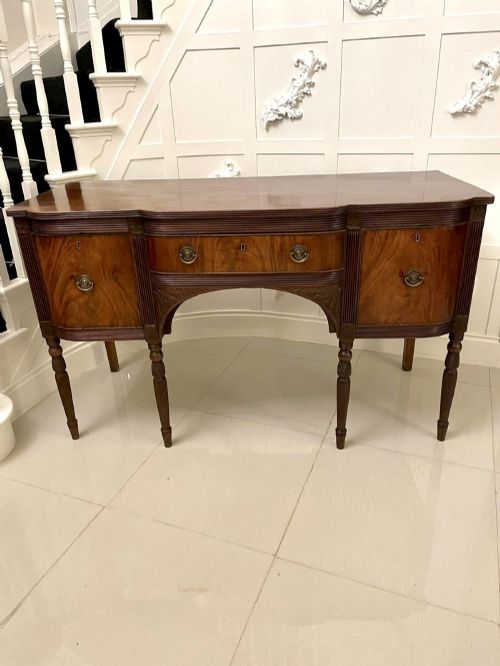
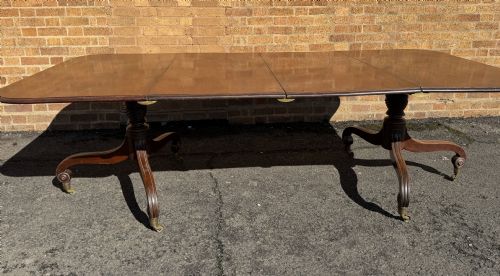
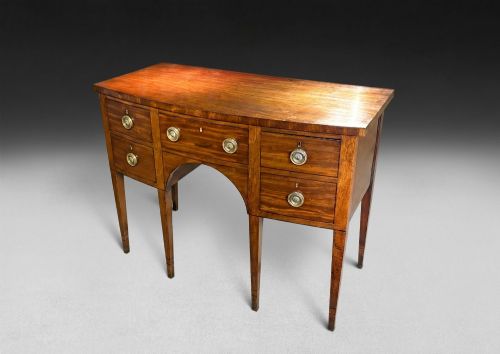
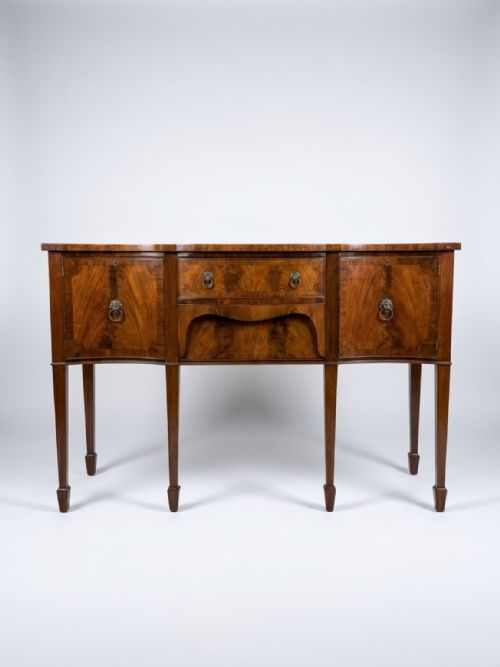
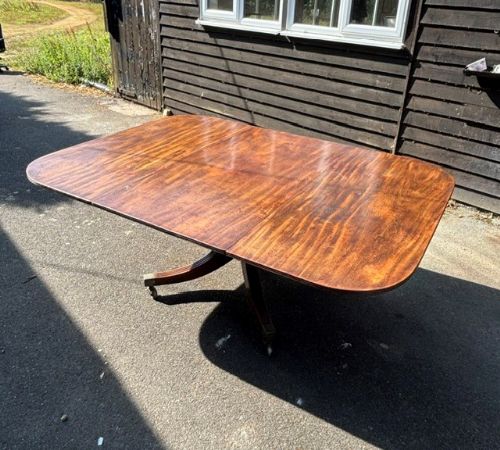
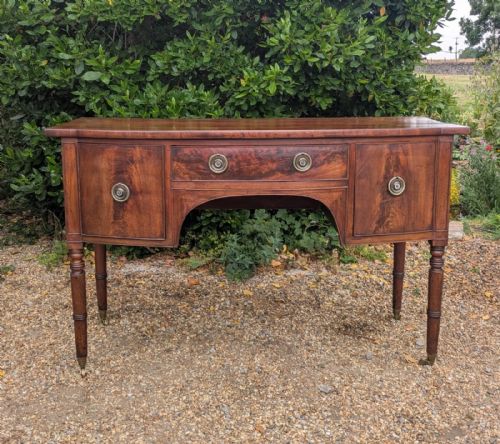
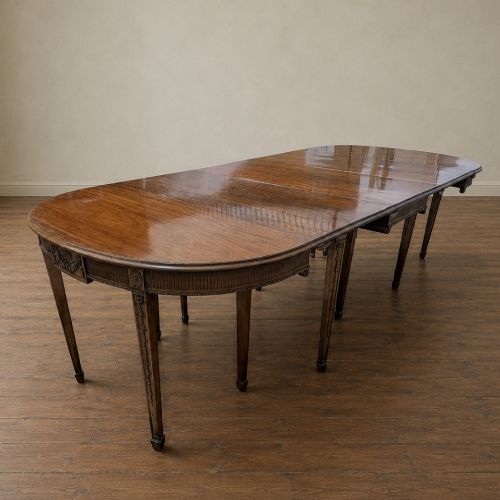
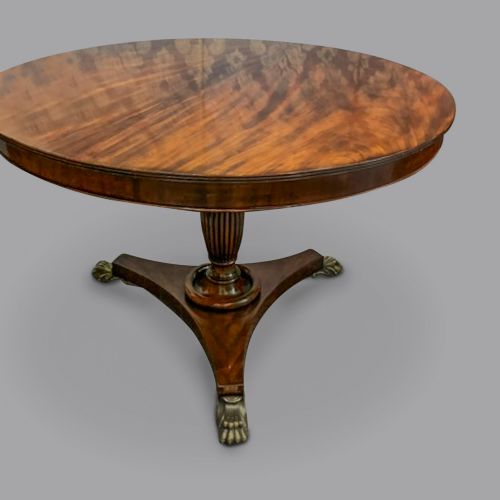
George III Mahogany Dining Table
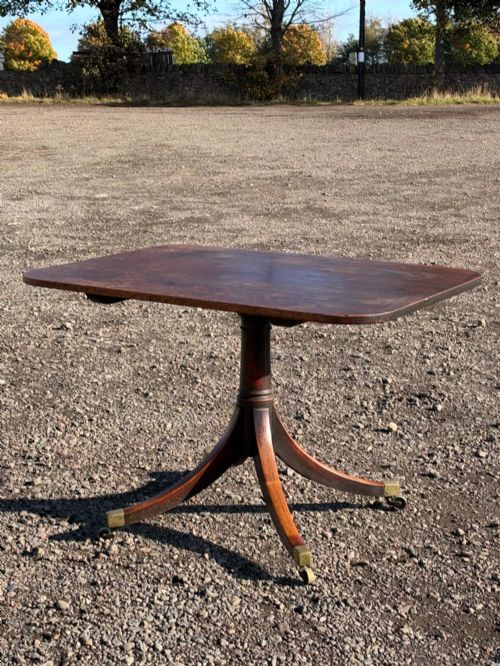
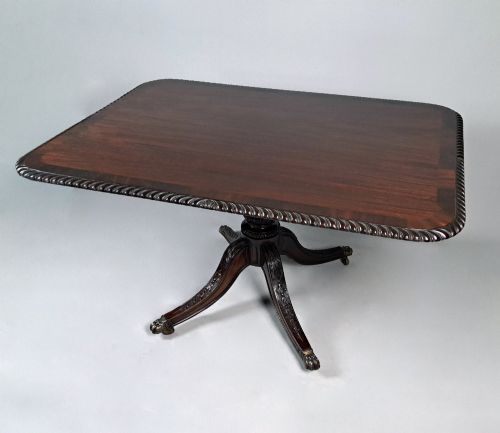
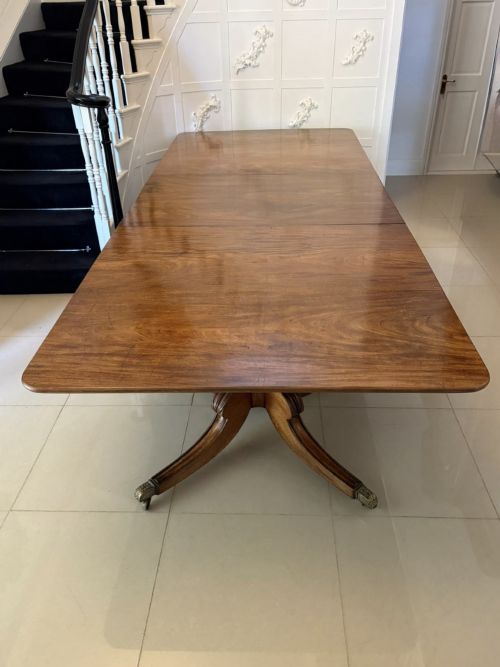
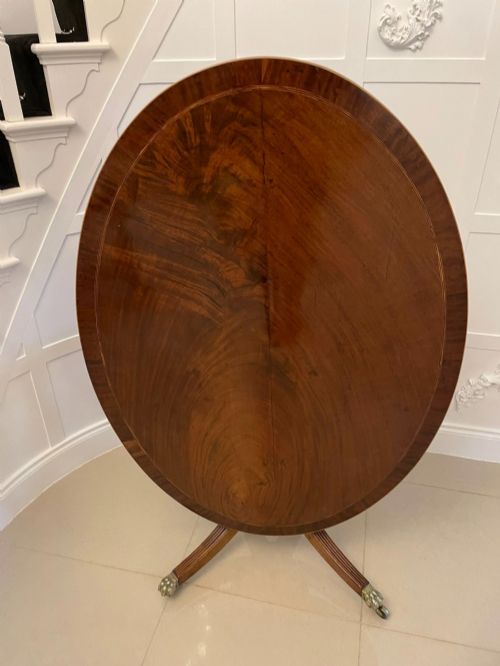
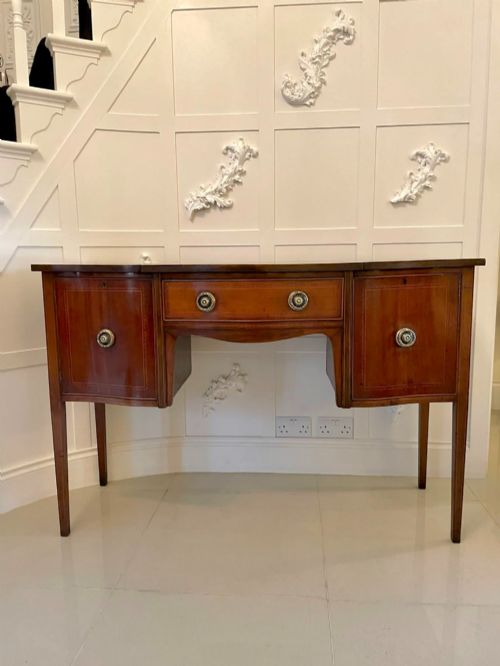
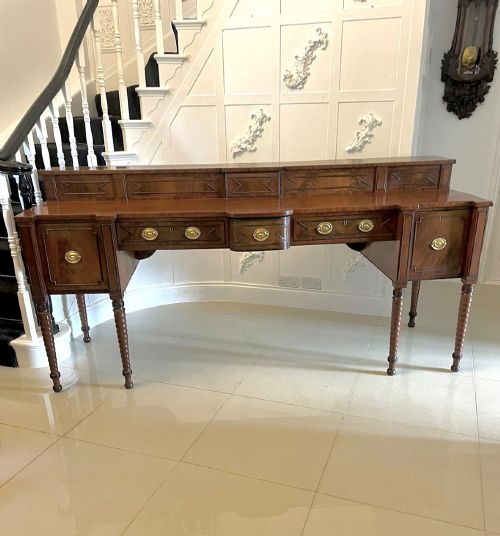
A george iii mahogany dining table brings structural elegance and rich timber tones into a room, offering adaptable dining space.
George III Mahogany Dining Table
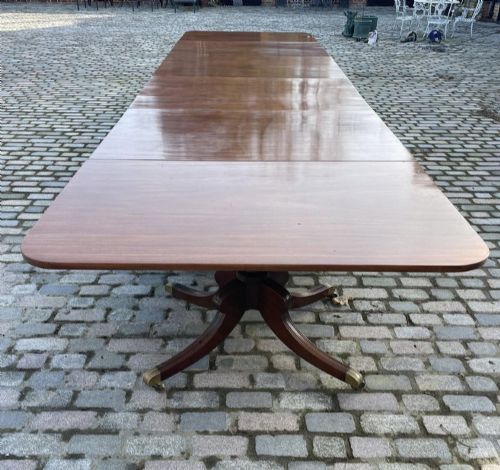
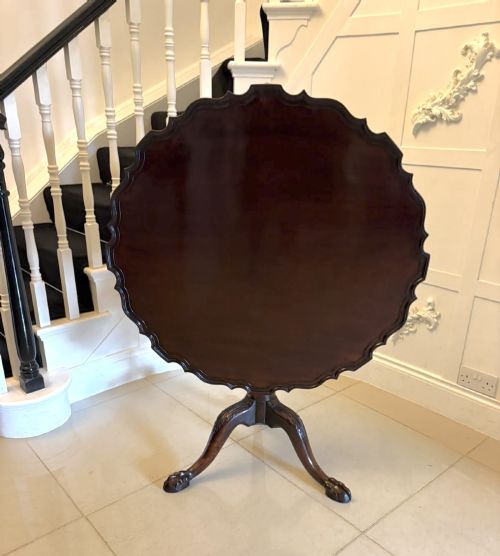
A george iii mahogany dining table encompasses versatile designs ranging from expanding multi-pillar formats to tilt-top breakfast tables and drop-leaf variations. Buyers searching this phrase typically encounter robust timber constructions shaped during the Georgian era, designed to accommodate intimate gatherings or large dinner parties.
The selections span pillar tables, D-end extending formats, and circular centre tables rooted in late eighteenth and early nineteenth-century traditions. These pieces reflect the cabinet-making standards of their period, prioritising practical scale and adaptable formats.
Materials and construction
Makers utilised dense mahogany timbers, frequently selecting figured or flame grains to enhance the surface appearance of a george iii mahogany dining table. Detailed craftsmanship often incorporated contrasting elements such as boxwood and satinwood inlay.
Structural integrity relied on solid timber framing, brass fittings, and stable pedestal supports. Tables designed for extension utilised pillar mechanisms and drop leaves to alter their footprint efficiently.
George III Mahogany Dining Table Retail Price Guide 2026
Typical asking prices for george iii mahogany dining table among the pieces listed under this phrase on Sellingantiques today, from the lower quarter to the upper quarter. They describe what is for sale here now, not the wider market.
Some formidable tables accommodated up to twenty-eight diners, requiring dedicated engineering to support feasts of epic proportions.
Judging the standard
The distinction between tiers rests upon timber selection, grain figure density, and the precision of joinery. Tables featuring highly figured Cuban mahogany or intricate boxwood inlay represent superior craftsmanship.
Proportional harmony and the seamless operation of extending mechanisms or tilt-top pivots separate standard utilitarian pieces from exceptional examples of period cabinet-making.
Thomas Butler of London·Gillows
The George III Mahogany Dining Table Glossary
- Mahogany
- A durable tropical hardwood prized for its deep reddish-brown colour and fine grain. It served as the primary material for high-quality eighteenth-century furniture.
- Pillar table
- A table supported by a central column rather than four corner legs. This construction allows greater legroom for seated diners.
- D-end table
- A dining table whose ends are semicircular, allowing sections to separate or join together with additional leaves. They offer flexible scaling for dining rooms.
- Inlay
- A technique where contrasting woods like satinwood or boxwood are inserted into recesses within the primary surface to create decorative patterns.
George III Mahogany Dining Table: Frequently Asked Questions
How do I seat more guests at an extending table?
Extending formats utilise removable leaves or pillar mechanisms to expand the central span. This design allows the footprint to grow according to the number of diners.
Proper alignment ensures the surface remains stable and level when fully extended to accommodate larger gatherings.
What is a tilt-top breakfast table used for?
A tilt-top mechanism allows the top of the table to pivot vertically when not in use. This clever design saved floor space in period homes.
During mornings or smaller meals, the surface locked horizontally to serve breakfast or function as a centre table.
How do I distinguish between Georgian and Edwardian pieces?
Georgian pieces originate from the eighteenth or early nineteenth century during the reigns of the Georges. They exhibit authentic period construction methods and native timber ageing.
Later Edwardian interpretations replicate these classical styles using similar mahogany materials but carry manufacturing indicators from the twentieth century.
Where should I place a pillar table in a room?
A pillar table functions effectively in the centre of a dining space or as a prominent feature in a large hall. Its central column design allows chairs to tuck neatly underneath.
Ensuring adequate clearance around the pedestal permits comfortable movement and highlights the balanced proportions of the timber top.