





George III Inlaid Furniture
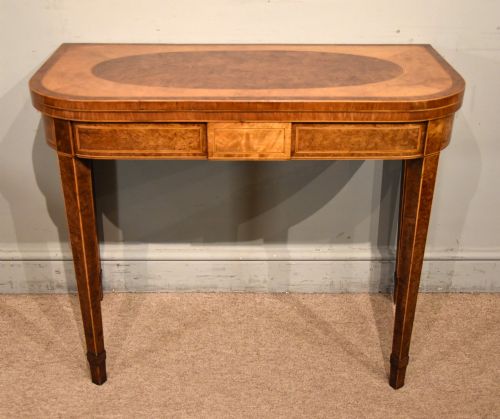
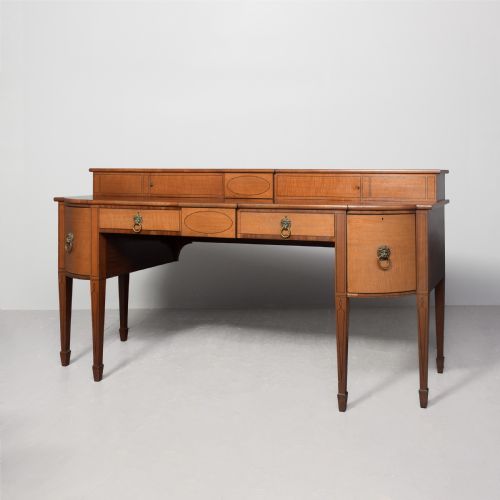
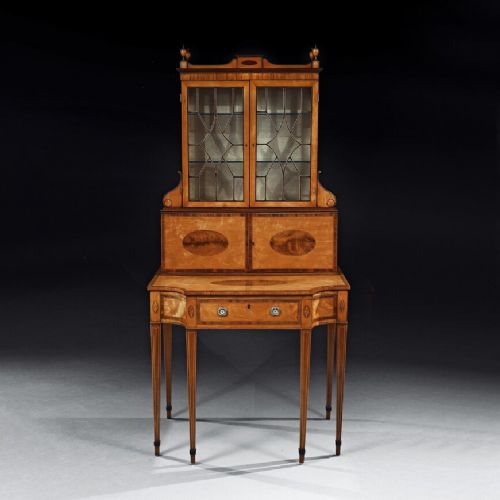
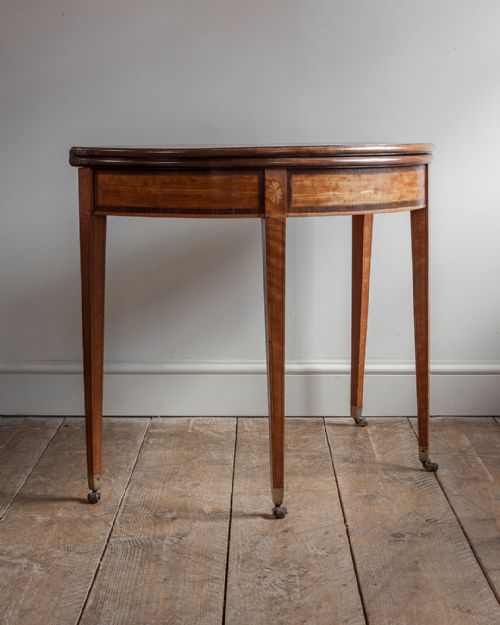
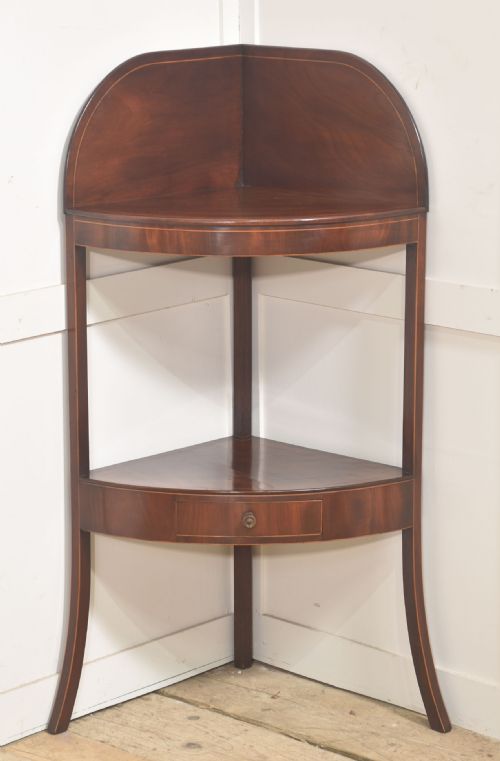
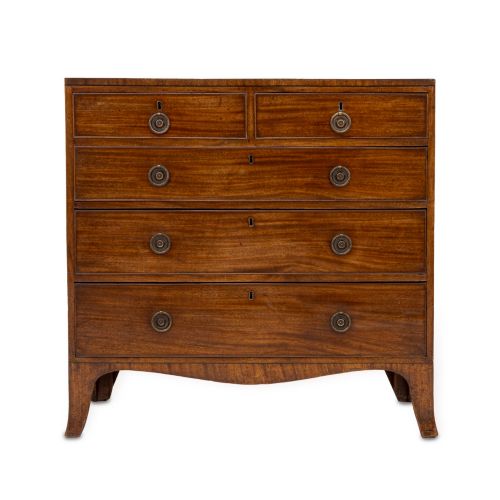
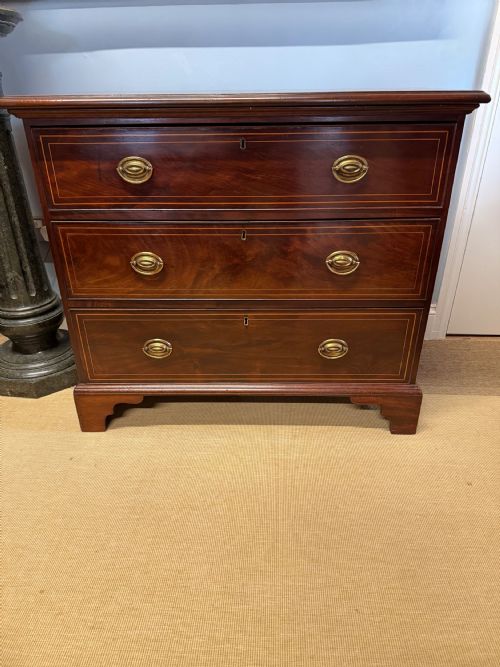
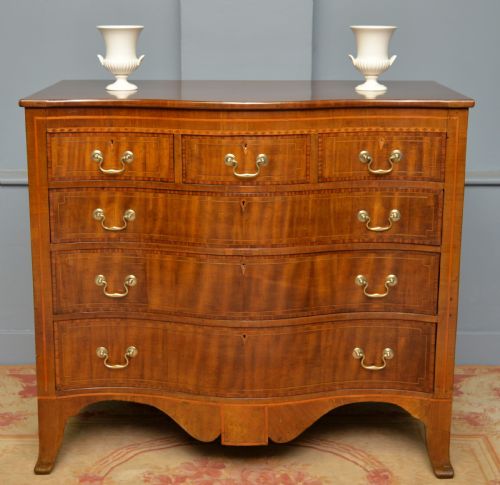
George iii inlaid furniture brings together cabinet work in mahogany, satinwood and rosewood from the Georgian period.
George III Inlaid Furniture
George iii inlaid furniture comprises pieces produced during the Georgian era, encompassing forms such as chests of drawers, sideboards, card tables and cabinets.
The selections available here range from small bureau desks and washstands to large stage-back sideboards and writing cabinets.
Makers utilised timber such as mahogany, satinwood and rosewood, incorporating boxwood and wood inlay to decorate surfaces.
What varies in quality
The refinement of the timber selection dictates the distinction of individual pieces, particularly the choice of figured veneers such as burr yew and fiddleback mahogany.
Execution of the inlay work marks the difference between standard production and master cabinet making, seen in the crispness of boxwood lines and floral marquetry.
Listings feature Georgian periods alongside later revival styles from the nineteenth and early twentieth centuries.
George Bullock
The George III Inlaid Furniture Glossary
- Marquetry
- Decorative veneer work forming pictures or patterns using various woods. It covers surfaces of tabletops and cabinet fronts.
- Satinwood
- A durable, yellow-toned timber utilised for veneers and stringing. It provides a bright contrast against darker mahogany.
- Serpentine
- A gently curving front outline shaped in an undulating wave. This profile appears frequently on chests of drawers and sideboards.
- Tallboy
- A chest of drawers built in two sections, placing a smaller set atop a taller base. It maximises storage capacity while retaining a vertical proportion.
George III Inlaid Furniture: Frequently Asked Questions
What is george iii inlaid furniture?
It comprises cabinet work and tables produced during the reign of George III, typically constructed from mahogany or satinwood with contrasting wood inlay.
These domestic items span functional forms including chests of drawers, sideboards, card tables and writing cabinets.
Where should I place a card table?
Folding card tables fit well against living room walls when closed, displaying veneered tops in satinwood, burr yew or mahogany.
Opening the top reveals a baize-lined surface intended for card games during the evening.
How do I care for satinwood veneer?
Satinwood requires stable indoor humidity and protection from direct sunlight to prevent the timber from fading and the veneer from lifting.
Maintenance involves occasional dusting with a dry cloth and avoiding silicone-based polishes.