





George III Blanket Box
A george iii blanket box is a capacious domestic receptacle built to store linens and woollens, offering robust construction and enduring timber character.
George III Blanket Box
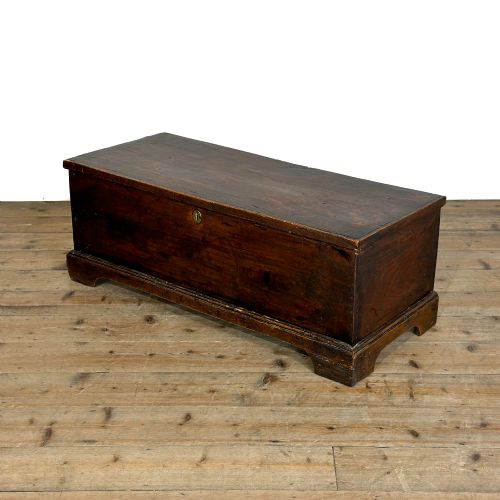
When you search for a george iii blanket box, you encounter sturdy storage pieces designed during the Georgian period and the late eighteenth century. These items include simple elm and oak coffers, mule chests fitted with lower drawers, and refined mahogany variants on stands.
The version you are most likely to meet on this page is an elm or oak box originating from the Georgian era, often styled as a mule chest or a six-plank coffer. Pine and mahogany examples also appear alongside specialised forms like silver trunks and dowry chests.
Makers constructed these timber boxes for practical household storage in bedrooms and living spaces, where families kept heavy textiles safe from damp and moths. Today, buyers utilise them as low coffee tables or functional bedroom storage chests that anchor a traditional interior scheme.
How they were made
Cabinet makers relied primarily on native timbers such as oak, elm, and pine for standard provincial storage chests, while employing figured mahogany and satinwood for more formal urban commissions. Joiners frequently joined boards using dovetail or mortise and tenon techniques to ensure lasting structural integrity under heavy domestic use.
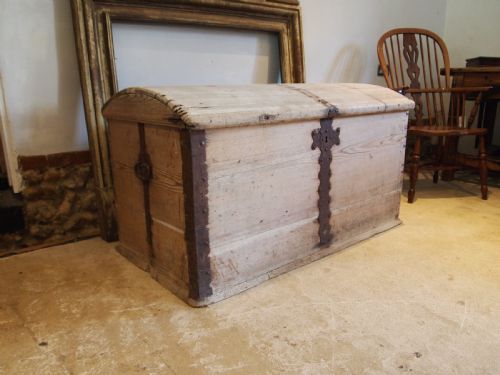
Hardware details typically include forged iron hinges, brass carrying handles, and occasionally metal bindings or hide coverings for travelling trunks. Finish was kept to a natural wax or oil polish that highlighted the grain and colour of the wood without heavy modern varnishes.
What varies in quality
The distinction between standard utility boxes and superior examples lies in the selection of timber and the sophistication of the joinery. Figured grain, crossbanding, and secondary drawer compartments elevate a piece from a plain provincial container to a high-status item.
Original hardware, untouched patination, and the retention of stands or base drawers heavily influence the desirability of a piece. Altered timber, replaced feet, or extensive board shrinkage reduce the integrity of the object.
Seabrook of St Pauls London
The George III Blanket Box Glossary
- Mule chest
- A storage chest featuring one or more drawers built into the base beneath the main compartment. This form bridges the gap between a traditional coffer and a chest of drawers.
- Six-plank coffer
- A primitive box constructed from six individual boards joined at the edges with simple pegged or nailed joints. It represents one of the oldest and most direct methods of making a wooden chest.
- Crossbanding
- A decorative border technique where thin strips of veneer are laid across the grain of the primary wood. This method frames the lid or drawer fronts of finer mahogany pieces.
- Fiddleback mahogany
- A figure in mahogany timber where the grain ripples in a manner resembling the back of a violin. Cabinet makers sought this timber for high-status eighteenth-century furniture.
George III Blanket Box: Frequently Asked Questions
How do I use a blanket box today?
These boxes provide practical storage for extra bedding, winter woollens, and bulky household items while serving as functional surfaces. Many owners place them at the foot of a bed or utilise low examples as coffee tables in living areas.
Their robust timber construction allows them to endure daily use as casual seating or display tables. Positioning them away from direct heat sources protects the old wood from drying out and cracking.
What is the difference between a coffer and a mule chest?
A coffer consists of a simple box with a hinged lid for top-access storage only. It represents a straightforward vessel used primarily for heavy linens.
A mule chest incorporates one or more drawers beneath the main compartment for easier access to smaller garments. This hybrid form emerged to combine box storage with the convenience of drawer organisation.
How do I date a Georgian blanket box?
Dating relies on examining construction marks, timber choice, and hardware styles. Eighteenth-century pieces often feature hand-cut dovetails, forged iron strap hinges, and boards sawn by hand.
Later nineteenth-century examples may display machine-sawn timber and standardised brass screws. Comparing the wood species, such as native elm or imported mahogany, also points toward specific manufacturing decades.
Are these chests made of solid wood?
Provincial and regional blanket boxes are built entirely from solid native timbers like oak, elm, and pine. Makers used thick boards to ensure the container could withstand heavy everyday handling.
Finer urban pieces may incorporate mahogany veneers laid over secondary softwood carcases for stability. Solid construction remains the standard for the vast majority of these utilitarian forms.