





George II Console
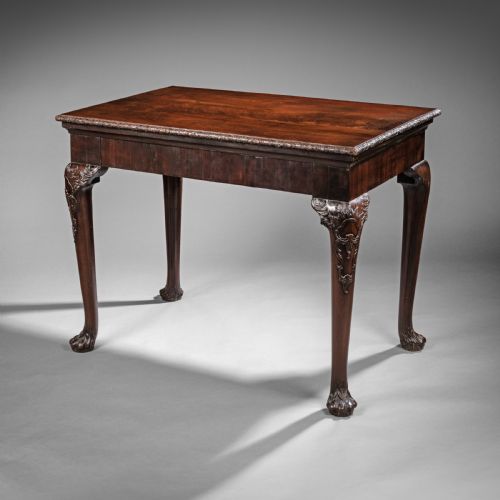
A george ii console or related table brings mid-eighteenth-century proportion and rich timber into a room.
George II Console
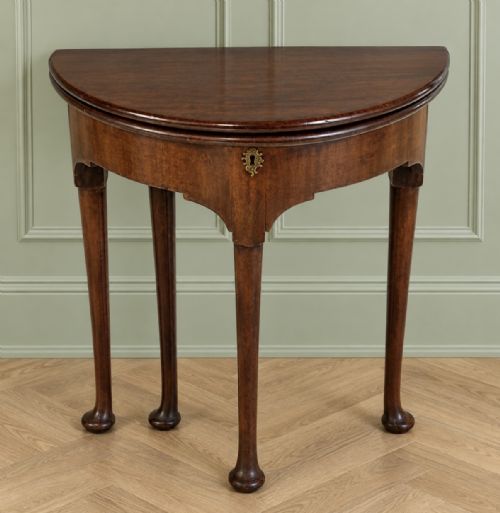
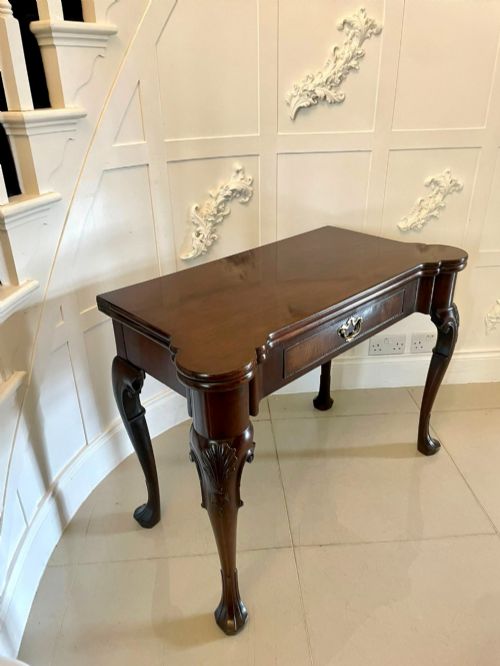
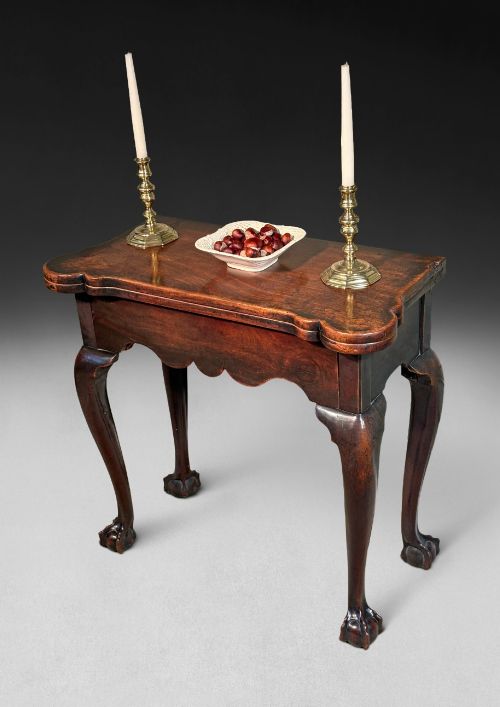
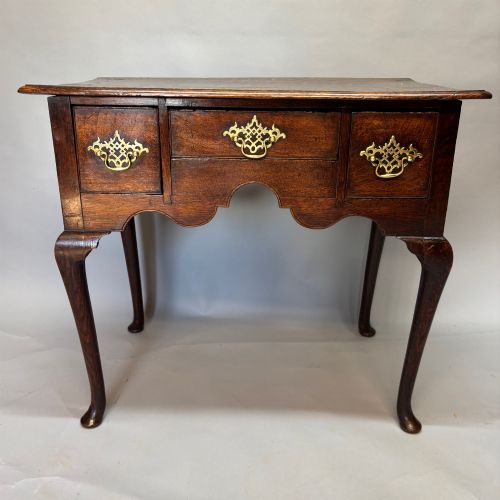
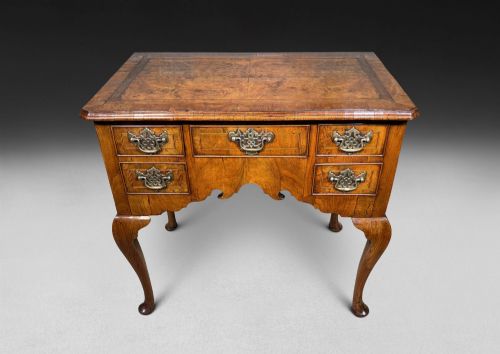
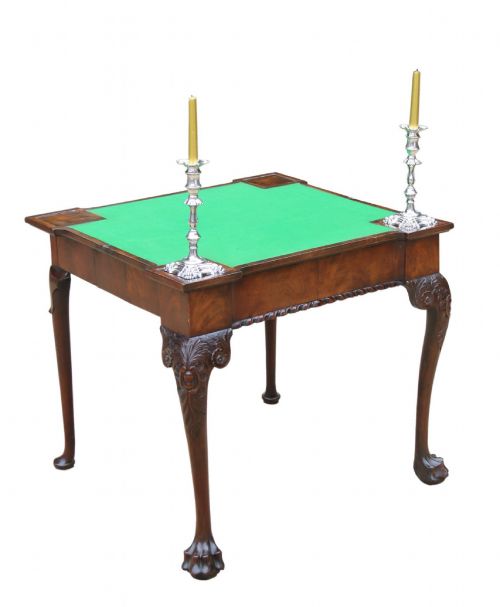
When you search for a george ii console, you enter a field defined by eighteenth-century forms such as side tables, card tables, and lowboys. The pieces on this page span the authentic Georgian period alongside later revival iterations from the nineteenth and twentieth centuries.
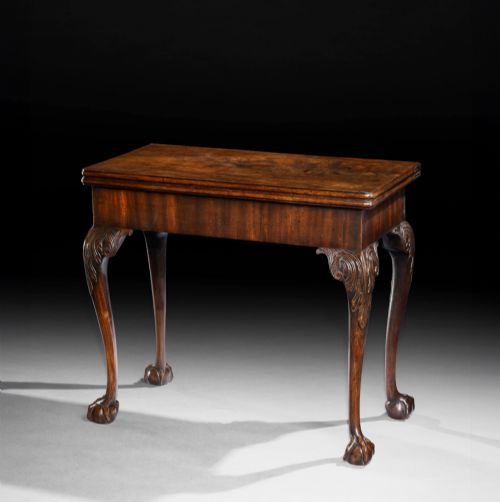
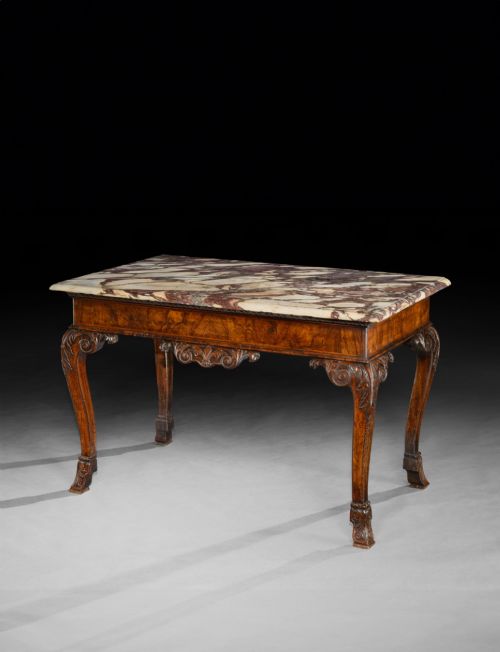
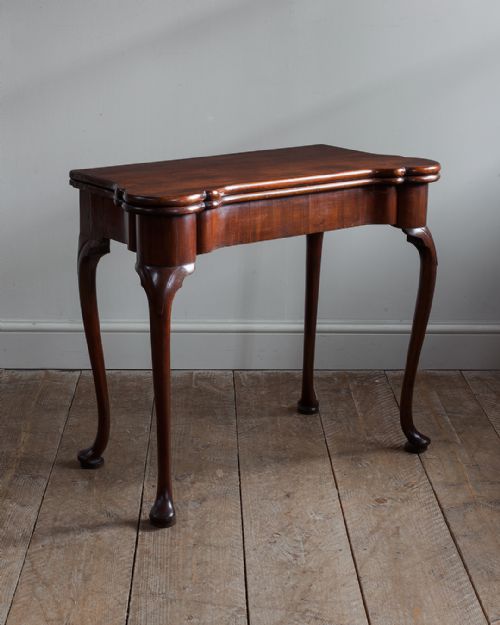
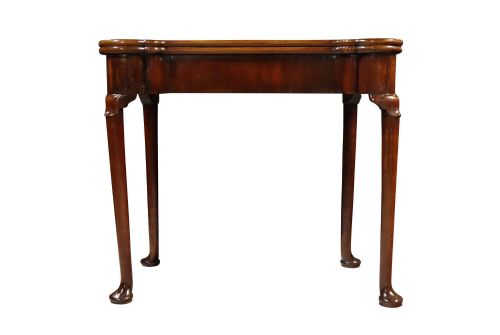
Mahogany and walnut predominate among the surviving examples, often fashioned into folding tea tables, games tables with dished wells, and marble-topped serving pieces. Irish variants appear frequently, alongside oak dresser bases and occasional tables that share the characteristic vocabulary.
The construction ranges from authentic eighteenth-century concertina-action frames to revival pieces built in the nineteenth and twentieth centuries. Buyers encounter diverse regional woods, including red walnut, Virginia walnut, and cherrywood, alongside standard mahogany.
Materials and construction
Cabinetmakers utilised dense native and imported timbers, notably figured and burr walnut, mahogany, and oak, often enhanced with feather banding or brass hardware. Giltwood and white marble appear on grander side and console formats.
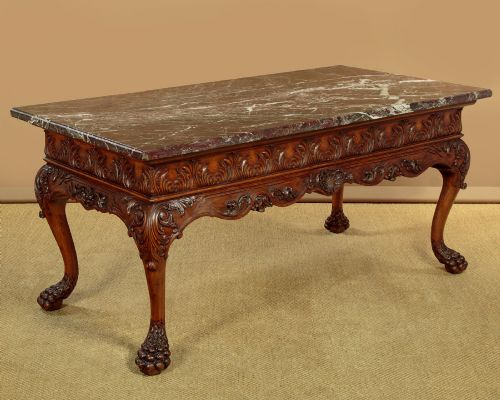
Joinery relied on concertina actions for expandable card tables, dovetailed drawers for lowboys, and sturdy framing for heavy marble tops. Carved details such as shell motifs and shaped aprons required skilled hand tool work.
George II Console Retail Price Guide 2026
Typical asking prices for george ii console among the pieces listed under this phrase on Sellingantiques today, from the lower quarter to the upper quarter. They describe what is for sale here now, not the wider market.
Card tables often retain faint chalk marks from eighteenth-century scoring beneath their folding leaves.
Judging quality in these tables
The distinction between ordinary and exceptional pieces lies in timber selection and the crispness of carved enrichment. Figured grain, rich patination, and well-chosen burr veneers elevate a walnut or mahogany table.
Structural integrity separates functional items from fragile ones, particularly in concertina-action card tables where mechanical complexity demands precise joinery. The handling of secondary woods and the sharpness of edge moulding reveal the maker's hand.
Giles Grendey
The George II Console Glossary
- Lowboy
- A small kneehole dressing table or side table with drawers, typically raised on four tall legs. They appear in walnut, oak, and mahogany across the eighteenth century.
- Concertina action
- An expanding frame mechanism used on card tables that pulls outward to support a folding top. This allows the rear legs to move outward simultaneously.
- Guinea wells
- Small circular depressions carved into the corners of a gaming table surface. They held coins during card play.
- Pot board
- An open lower shelf fitted between the legs of a dresser base or serving table. It was originally used for storing heavy pots and domestic utensils.
- Feather banding
- Decorative inlay using thin strips of veneer arranged in a herringbone pattern around the edges of a drawer or top. It creates a subtle framing effect.
George II Console: Frequently Asked Questions
What is a george ii console table?
A george ii console table is a side table designed to stand against a wall, often featuring a marble top and carved wooden frame. These pieces reflect the architectural and decorative tastes of the mid-eighteenth century.
They were intended for formal reception rooms to display decorative objects or serve refreshments during gatherings.
How do I use a lowboy at home?
A lowboy functions well as a compact writing desk, a hallway surface, or a dressing table in a bedroom. Its modest footprint and multiple drawers provide practical storage without dominating a space.
Pair it with a simple chair or leave it bare beneath a wall mirror to highlight the grain of the walnut or oak.
How do I spot a later revival piece?
Revival pieces from the nineteenth and twentieth centuries often exhibit machine-cut timber characteristics, standardised hardware, and timber patination that differs from eighteenth-century surfaces. Examination of the interior framing and secondary woods clarifies the true age.
Construction methods evolved significantly between the seventeen-fifties and nineteen-thirties.