

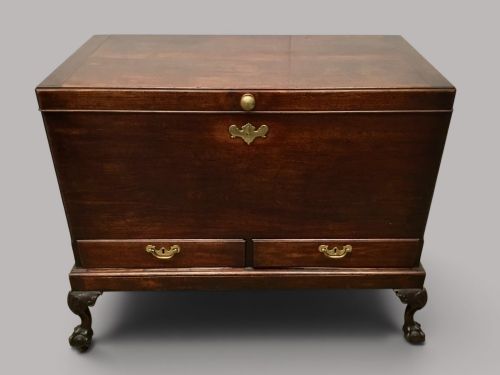
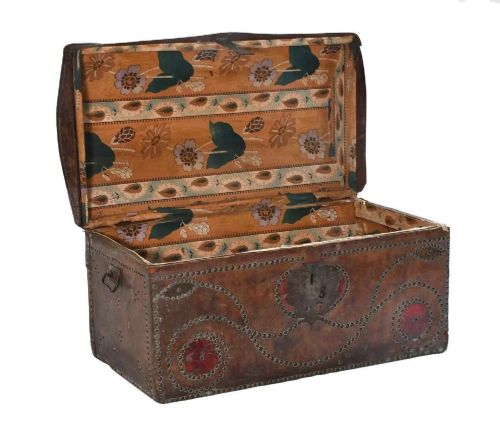
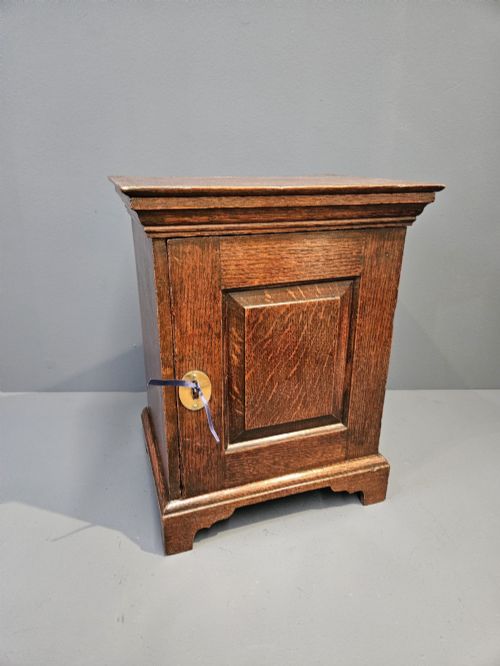


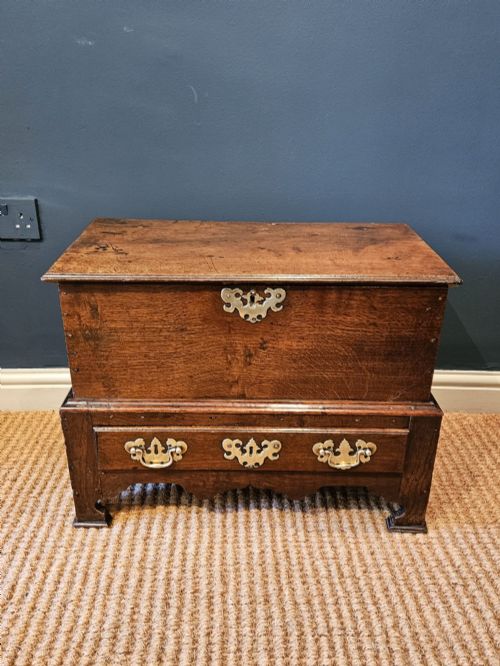


George II Box
A george ii box brings mid-eighteenth-century craftsmanship into your home, offering small-scale storage with rich timber grain and period metalwork.
George II Box
When you search for a george ii box, you are looking at eighteenth-century receptacles ranging from tea caddies and tobacco boxes to small spice cupboards, chests, and dressing mirrors created during the Georgian era. These pieces served practical domestic purposes, from securing precious dry tea leaves to storing personal documents or tobacco.
On this page, you are most likely to meet tea caddies and dressing mirrors from the mid-eighteenth century, alongside occasional larger silver chests or small coffers. The selection reflects the varied daily storage needs of Georgian households, executed in both modest woods and decorative veneers.
How they were made
The makers of these items utilised a variety of native and exotic timbers, frequently employing mahogany, walnut, oak, and red walnut, sometimes accented with satinwood, kingwood, padouk, laburnum, or tortoiseshell. Cabinetmakers shaped these materials into functional boxes and mirrors using traditional joinery suited to the specific timber's grain and weight.
Metal components played a structural and decorative role, featuring brass hinges, escutcheons, and studs. Parcel-gilt treatments and leather coverings also appear on specific pieces, combining utilitarian durability with the polished aesthetic of the period.
George II Box Retail Price Guide 2026
Typical asking prices for george ii box among the pieces listed under this phrase on Sellingantiques today, from the lower quarter to the upper quarter. They describe what is for sale here now, not the wider market.
Listings feature items spanning the Georgian period, primarily centred around the mid-eighteenth century and the year 1750.
What varies in quality
The distinction between tiers of quality rests on the selection of timber and the ambition of the veneer work, such as the use of burr walnut or figured mahogany. Superior examples display thoughtful grain matching and careful integration of secondary woods.
Execution of hardware and secondary details also separates standard utilitarian items from finer examples. Finely chased brasswork, precise corner joints, and well-preserved original mirrors or stands elevate a piece within its category.
E Cornock·John Franklin London
The George II Box Glossary
- Tea caddy
- A small box or chest designed to store loose tea leaves, which were once a costly and heavily taxed commodity. They often featured internal lidded compartments and small locks.
- Dressing mirror
- A tabletop mirror mounted on a small stand or base with drawers, sometimes referred to as a toilet mirror during the eighteenth century.
- Coffer bach
- A small Welsh chest or coffer, typically constructed from oak, featuring a hinged lid and often a small drawer beneath the main compartment.
- Silver chest
- A sturdy storage box reinforced for holding household silver and valuables, occasionally raised on a dedicated support stand.
- Parcel-gilt
- Partially gilded, where specific carved details or mouldings are highlighted with thin layers of gold leaf over a prepared surface.
George II Box: Frequently Asked Questions
What is a george ii box used for?
These boxes were utilised for storing valuable commodities and personal items in eighteenth-century households. Tea caddies held expensive tea leaves, while other boxes secured tobacco, documents, or small valuables.
Dressing mirrors provided a functional reflective surface for grooming on top of a table or chest. Larger chests and spice cupboards accommodated textiles, silver, or kitchen provisions.
How can I tell a georgian box's age?
Dating relies on examining the timber species, construction methods, and hardware styling typical of the mid-eighteenth century. Hand-cut dovetails, secondary wood choices, and original brass locks offer strong indicators of period manufacture.
Maker signatures or engraved inscriptions, when present, also help anchor the piece to a specific decade within the Georgian era.
What woods were used for these boxes?
Cabinetmakers employed a wide range of materials depending on the intended function and status of the box. Common choices include mahogany, walnut, oak, and red walnut, alongside decorative veneers like burr walnut, satinwood, and kingwood.
Some specialised items incorporated exotic woods such as padouk, or applied coverings like tortoiseshell and studded leather over a wooden carcass.
How do I care for antique wood boxes?
Keep wooden boxes and mirrors away from direct sunlight and steady sources of heat to prevent timber splitting or veneer lifting. Maintain a stable indoor humidity where possible.
Dust gently with a dry, soft cloth and avoid modern silicone polishes, allowing the natural patina of the eighteenth-century finish to remain undisturbed.