



Geometric Wool Tapestry
When choosing a geometric wool tapestry, collectors seek striking tribal patterns and authentic flatweave textiles that anchor a room.
Geometric Wool Tapestry
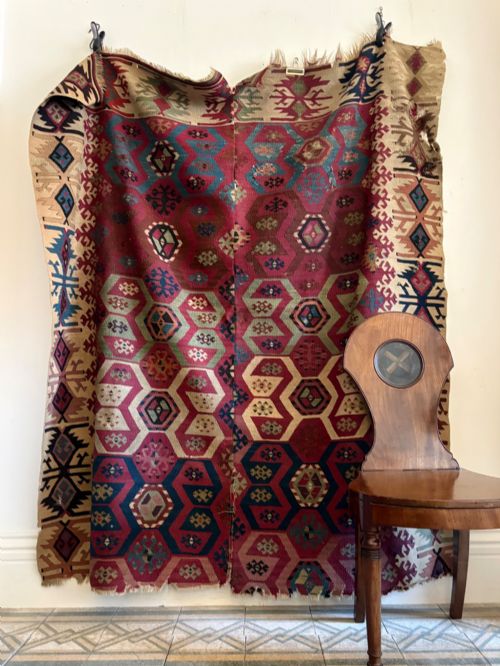
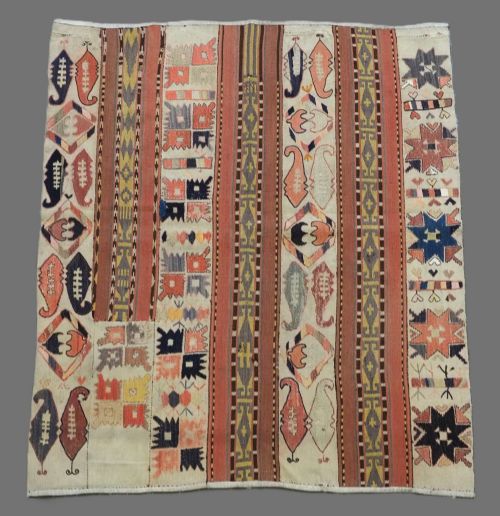
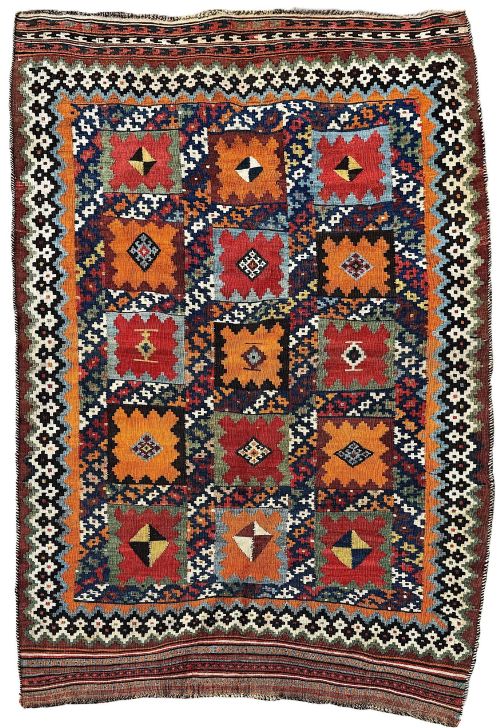
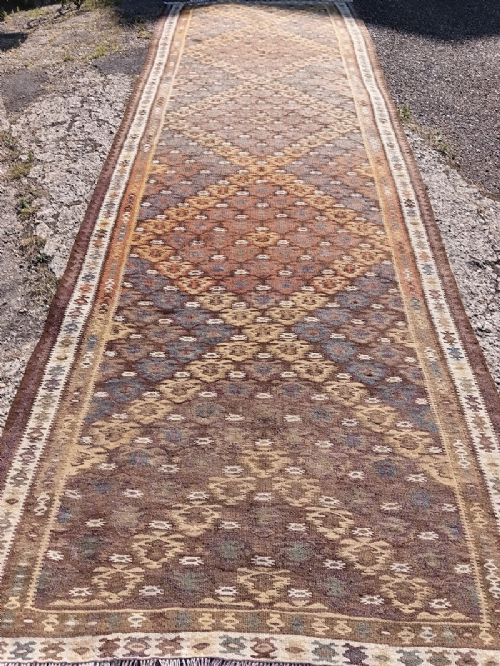
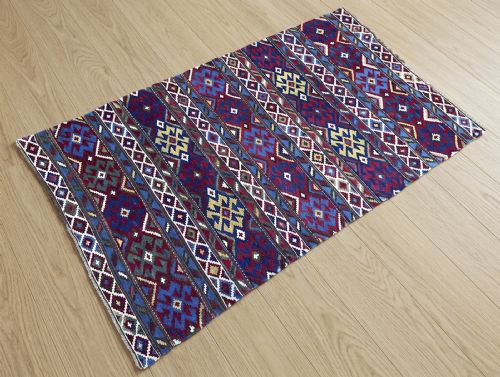
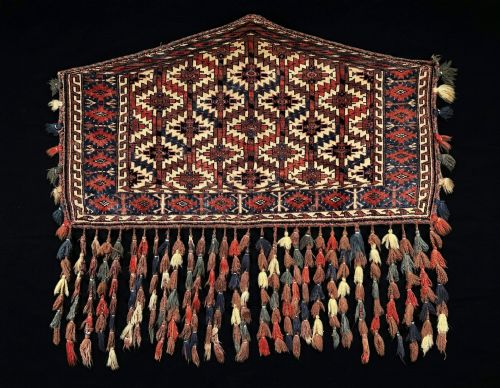
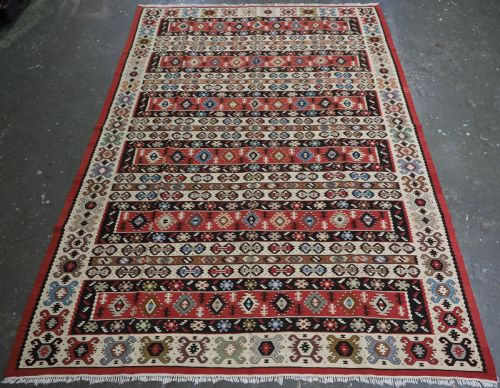
A geometric wool tapestry encompasses traditional flatweave carpets, kilims, and tribal textiles originating from Central Asian, Caucasian, Persian, and Anatolian regions. Buyers encountering these pieces will find regional kelims, storage bagfaces, saddlebags, and tent bands spanning the Victorian era through the early twentieth century.
Materials and Technique
These textiles rely principally on hand-spun wool and cotton foundations, occasionally incorporating camel hair or linen for specific structural contrasts. Dyes derived from natural sources provide the characteristic palette, developing soft patinas over decades of exposure.
Weaving techniques include slit-tapery flatweaving, soumak wrapping, and detailed embroidery applied to panels and cushions. Artisans constructed larger carpets in multiple narrow strips or sections joined together before finishing.
Geometric Wool Tapestry Retail Price Guide 2026
Typical asking prices for geometric wool tapestry among the pieces listed under this phrase on Sellingantiques today, from the lower quarter to the upper quarter. They describe what is for sale here now, not the wider market.
Listings feature works from nineteenth-century Victorian periods up to the nineteen-thirties, spanning wool, cotton, camel hair, and natural dyes.
Judging Quality
Quality rests upon the crispness of the graphic design, the balance of the regional colour palette, and the tightness of the weave structure. Pieces retaining strong natural dyes and precise tribal motifs demonstrate superior craftsmanship.
Condition and structural integrity during centuries of use also dictate distinction, separating everyday village utility items from finely preserved tribal examples.
The Geometric Wool Tapestry Glossary
- Kilim
- An untufted flatweave carpet or tapestry produced by tightly interweaving warp and weft strands. This technique creates a smooth surface without a pile.
- Soumak
- A supplementary weft-wrapping technique that produces a textured, braided surface on the face of the textile. It adds durability and distinct linear detail to tribal bags and panels.
- Asmalyk
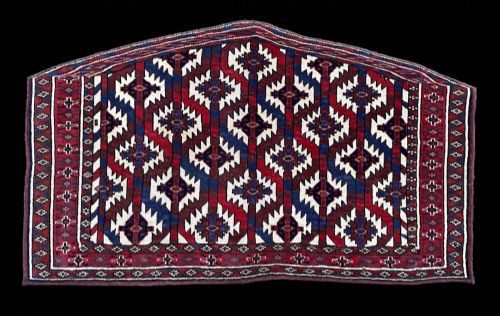
- A pentagonal trappings piece traditionally mounted on the flank of a camel during Turkmen wedding processions. These display complex geometric layouts.
- Sofreh
- A woven eating cloth or spread used historically for communal meals in nomadic households. They typically feature uncluttered central fields and geometric borders.
- Warp
- The stationary vertical threads stretched upon a loom before weaving begins. The weft threads are passed across these foundational strings.
Geometric Wool Tapestry: Frequently Asked Questions
How should I hang a heavy textile?
Distribute the weight evenly by utilising a non-damaging sleeve or a professional mounting rail secured along the upper edge. Avoid hanging panels by single points that strain the wool.
Keep textiles away from direct sunlight to preserve the natural dye colours over time.
Can these flatweaves be used on floors?
Many examples function well as floor coverings, though high-traffic areas require a stable underlay to prevent slipping and reduce friction. Lighter wall-hanging panels and delicate embroidery pieces suit vertical display better.
Rotate the textile periodically to ensure even wear across the surface.
How do I clean an antique wool tapestry?
Gentle surface dust removal using a soft brush or low-suction vacuum with a mesh screen protects the delicate fibres. Avoid vigorous shaking or modern washing machines, which distort the weave structure.
Consult a specialist conservator for deep cleaning or professional stabilization.
What indicates a piece is genuinely antique?
Examine the inconsistencies inherent in hand-spun wool, natural dye variations, and organic wear patterns across the edges and foundation. Traditional tribal motifs often reflect specific regional weaving traditions rather than mass-produced symmetry.
Documentation of origin eras from the nineteenth and early twentieth centuries helps confirm the historical context.