



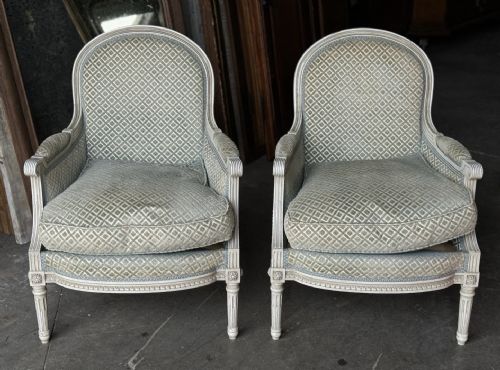


Geometric Wood Chair
A geometric wood chair brings distinct pattern and honest grain into a room, spanning from Art Deco forms to earlier Victorian designs.
Geometric Wood Chair
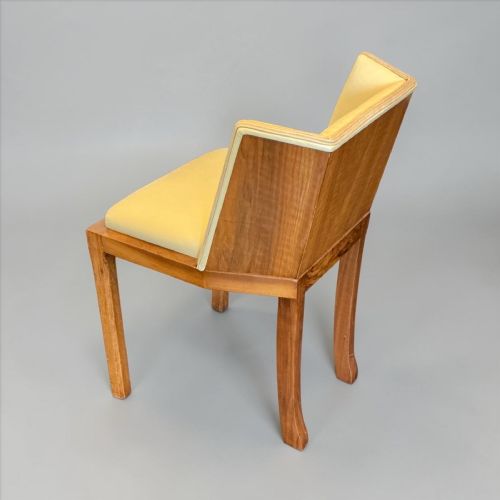
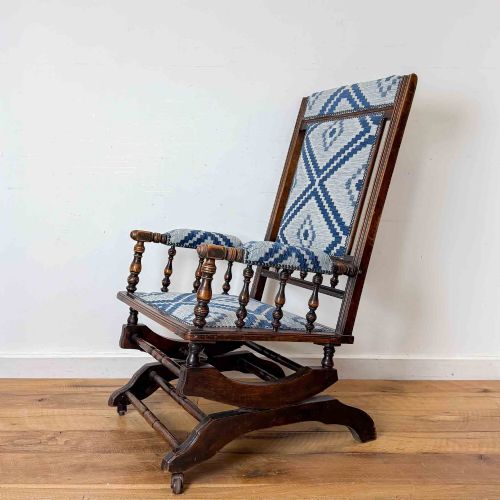
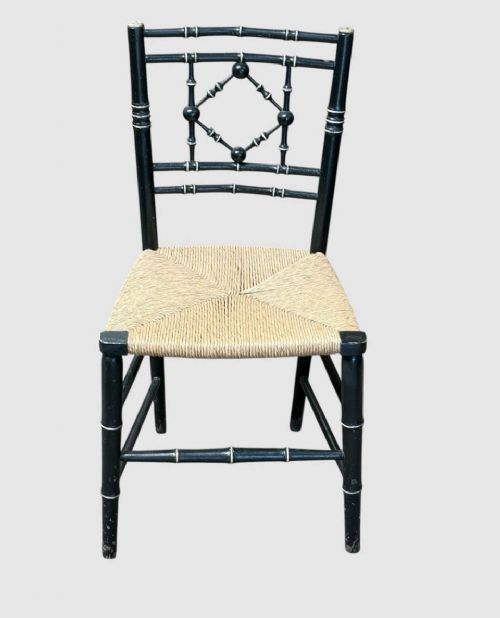
A geometric wood chair encompasses armchairs, side chairs, and rocking chairs originating from periods such as the 18th Century, Victorian, Edwardian, and the 1930s. Buyers searching for a geometric wood chair will frequently encounter pieces shaped by distinct movements like Art Deco, Vienna Secession, and the Aesthetic Movement.
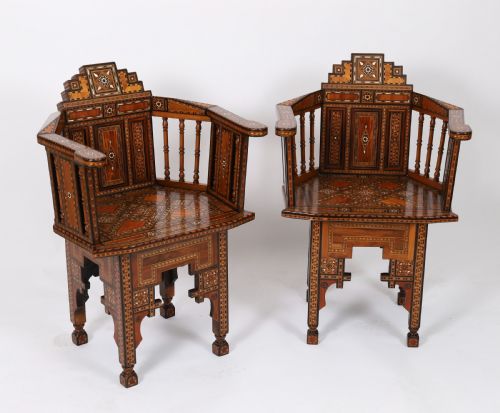
The assortment on this page ranges from French painted armchairs and Levantine parquetry inlaid armchairs to bentwood rocking chairs and refined side chairs by makers like Hille. Forms vary from sturdy hall chairs to comfortable lounge seating, reflecting diverse domestic uses across different centuries.
Materials and construction
Makers utilised timber, walnut, beech, and painted wood as the primary structural materials for these seating forms, often enhanced with intricate parquetry inlay. Decorative detailing frequently incorporates mother-of-pearl, bone, and carved wooden elements.
Upholstery choices span traditional fabric, leather, and tailored cushioning designed to complement the exposed wooden frameworks. Bentwood techniques also appear, shaping pliable timber into flowing structural curves.
Even a humble hall chair manages to look quietly judgmental when placed in a modern hallway.
Assessing quality
Quality rests upon the precision of the woodwork and the integrity of any parquetry inlay, where flush joints and crisp geometric alignment distinguish finer examples. The sophistication of carved details and the careful selection of timber grain elevate certain pieces above standard utilitarian seating.
Attribution to notable makers or specific design movements adds architectural significance to the construction. The preservation of original surface finishes, whether painted wood or polished walnut, dictates the visual authority of the piece.
Jacob and Josef Kohn·Hille
The Geometric Wood Chair Glossary
- Parquetry
- Geometric mosaic woodwork using small pieces of timber to create patterned surfaces. This technique frequently defines the decoration on Levantine seating.
- Bentwood
- Timber steamed and pressed into curved structural forms. It is characteristic of Vienna Secession rocking chairs.
- Bergere
- An enclosed upholstered armchair with wooden framing exposed. French examples showcase traditional seating design.
- Aesthetic Movement
- A late 19th-century design style focusing on visual beauty over narrative function. Pieces from this period often display refined carved wooden elements.
Geometric Wood Chair: Frequently Asked Questions
What periods do these chairs represent?
The selection spans several centuries and design eras, beginning with the 18th Century and moving through Victorian, Edwardian, and early 20th-century movements. Pieces from the 1900s, 1910s, 1920s, and 1930s are regularly represented.
Each period brings distinct stylistic traits, from ornate parquetry to streamlined Art Deco silhouettes.
How do I identify an Art Deco chair?
Art Deco seating typically dates from the 1930s and relies on clean lines, geometric simplicity, and materials like bleached walnut. These chairs favour streamlined modern forms over traditional ornamentation.
They sit alongside earlier revival and movement-based styles on the page.
What materials are common in these chairs?
Wood forms the primary structure, with walnut, beech, timber, and painted wood appearing frequently across the listings. Decorative accents often include bone, mother-of-pearl, and detailed parquetry inlay.
Upholstery materials range from leather to traditional fabric.
Are rocking chairs available?
Yes, rocking chair forms appear within the selection, including bentwood designs attributed to makers like Jacob and Josef Kohn from around 1900. These offer alternative seating options alongside standard armchairs and side chairs.
Such pieces highlight the versatility of wood-bending techniques in historical seating.