



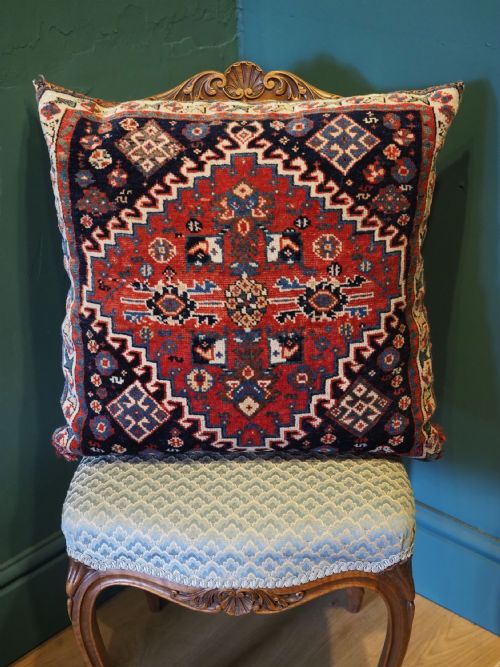
Geometric Persian Wool Weave
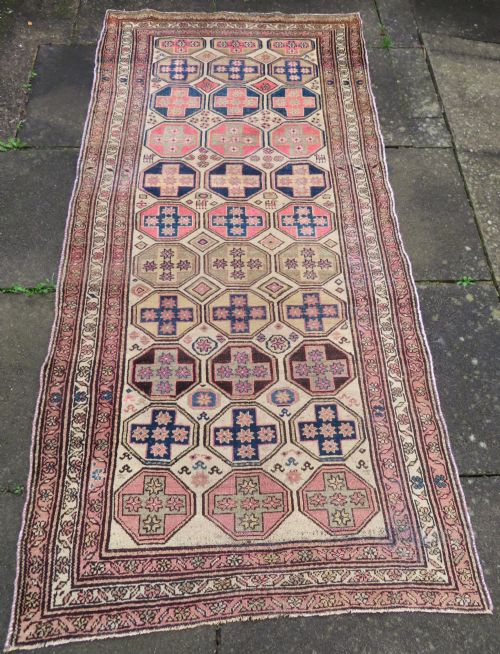
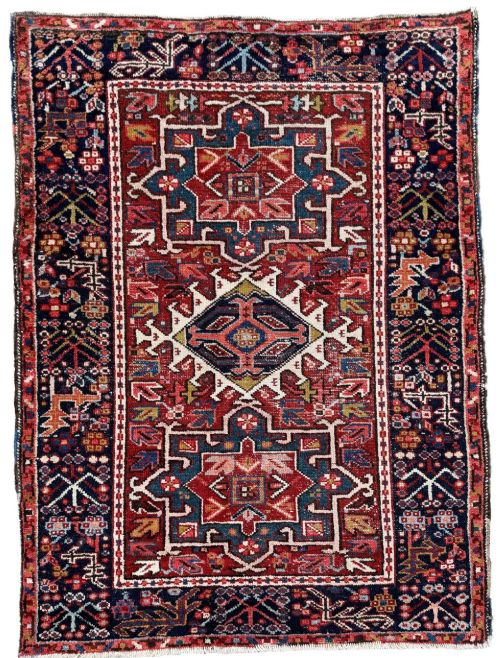
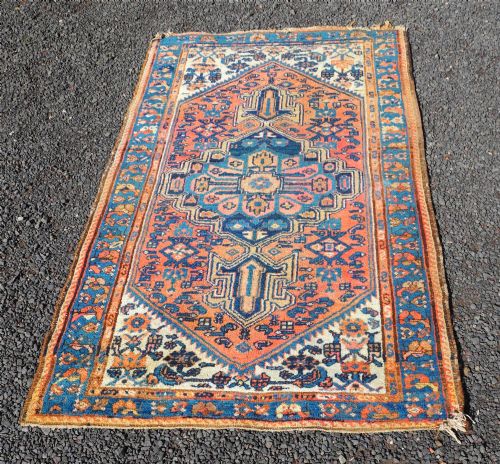
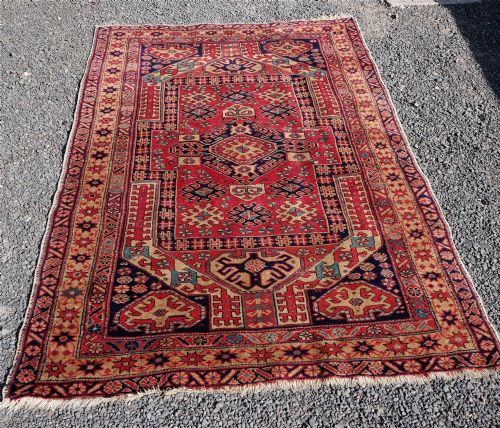
A geometric persian wool weave brings structured tribal motifs and rich regional character directly to a floor or wall.
Geometric Persian Wool Weave
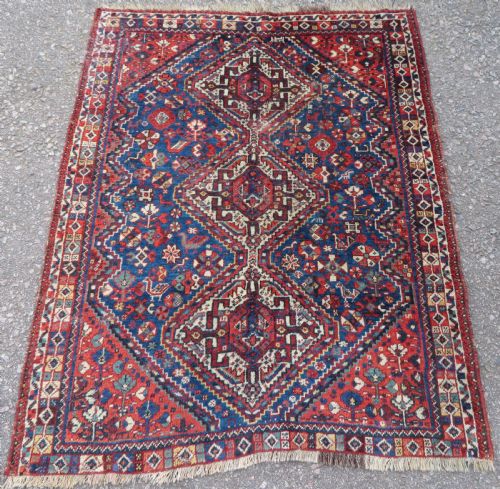
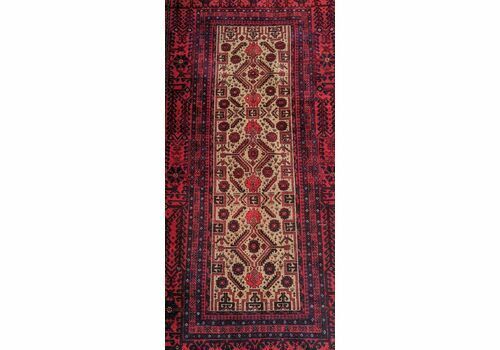
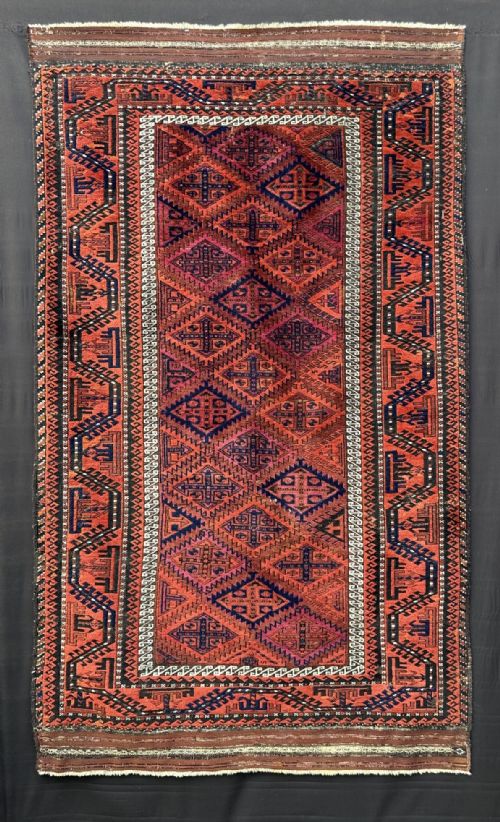
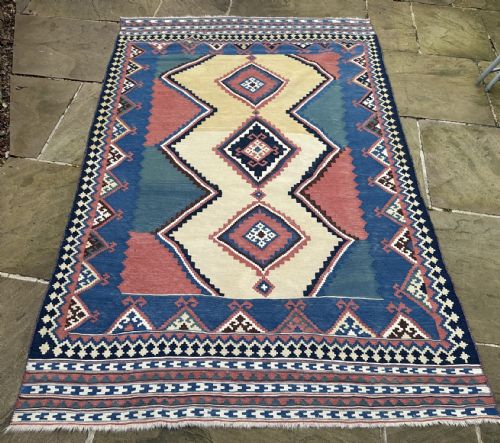
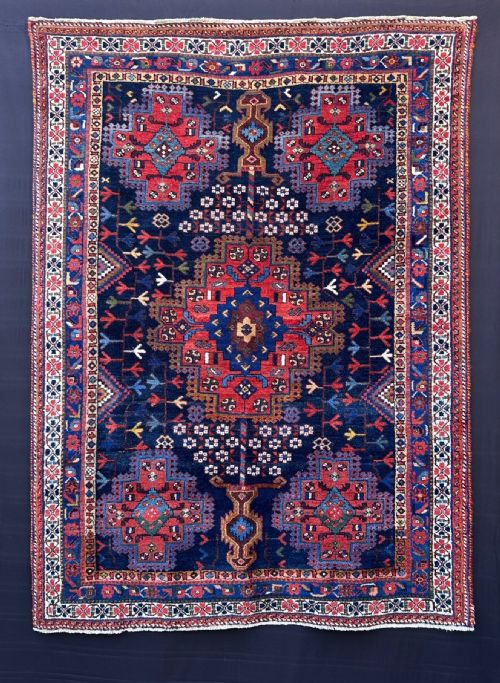
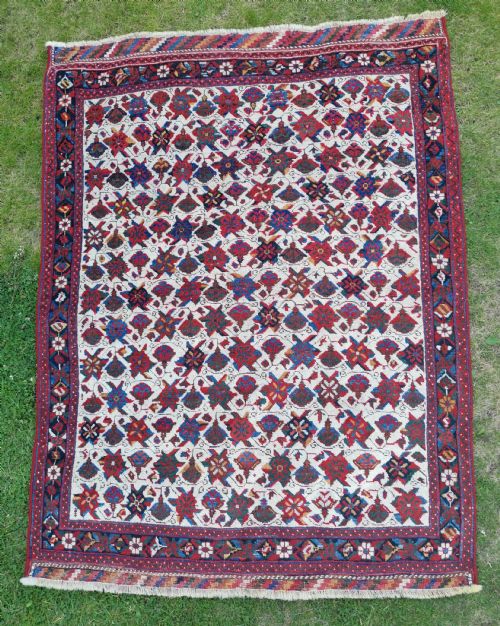
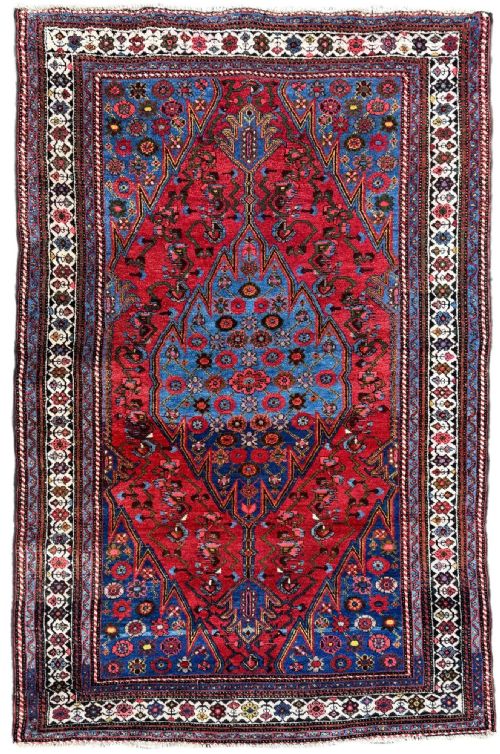
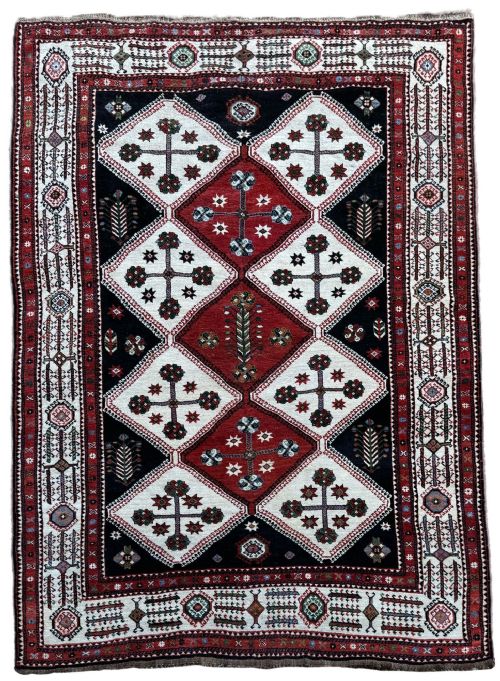
A geometric persian wool weave encompasses floor coverings and small nomadic containers produced across village and tribal regions from the nineteenth century into the mid twentieth century. Buyers encounter large room-sized carpets alongside smaller formats such as runners, saddle bags, and bagfaces.
Regional groups including the Afshar, Heriz, Khamseh, Qashqai, and Kurdish weavers account for the majority of these pieces. The visual vocabulary relies on repeating medallions, angular lattices, and rectilinear motifs rather than curving floral compositions.
Materials and construction
The foundation structures combine wool and cotton, supporting dense hand-knotted wool piles that utilise natural dyes. Artisans also employ hand-spun wool across various tribal formats to create durable surfaces intended for practical daily use.
Nomadic items frequently integrate flatwoven sections alongside pile-woven areas, particularly in storage bags and trapping fragments. These techniques reflect traditional regional workshops and nomadic working methods spanning multiple generations.
The inventory spans production dates from the nineteenth century through the nineteen-sixties, utilising wool, cotton, and natural dyes.
Evaluating distinction
Quality rests upon the crispness of the rectilinear drawing and the depth achieved by natural dye palettes. Finer knots and carefully carded wool produce greater tactile resilience across both carpets and smaller utility bags.
The integrity of the original borders and the balance of the central medallion scheme determine the visual harmony of a piece. Faded or uneven dyes alter the rhythm of the geometric layout.
The Geometric Persian Wool Weave Glossary
- Medallion
- A central ornamental motif dominating the field of the textile. These focal shapes typically repeat angular or stepped outlines in tribal weaving.
- Sofreh
- A spreading cloth used for kneading bread or sharing meals. These flatwoven or pile items display characteristic tribal geometry.
- Bagface
- The decorative front portion of a nomadic storage sack. Collectors prize these fragments for concentrated tribal designs.
- Natural Dyes
- Colourants derived from plants, insects, and minerals rather than synthetic compounds. They produce organic variations across the wool pile.
Geometric Persian Wool Weave: Frequently Asked Questions
How do I care for a wool rug?
Vacuum gently without a rotating brush roll to protect the pile and foundation fibres. Professional cleaning maintains the stability of natural dyes.
Keep the textile out of direct sunlight to prevent colour fading over extended periods in a room.
Where were these tribal pieces made?
Weaving traditions flourished across diverse provinces including Kerman, Fars, and Azerbaijan. Nomadic confederacies and village workshops each developed distinct regional palettes.
Local sheep breeds supplied the wool, which workers spun by hand before knotting the pieces on vertical or horizontal looms.
What is a tribal bagface used for?
Nomadic communities utilised woven bags for transporting possessions, storing salt, or holding personal items during seasonal migrations. The decorative front remained visible while hanging inside a tent.
Modern collectors mount these smaller panels on walls or display them as compact floor accents.
How are different tribal styles told apart?
Heriz carpets display bold, architectural medallion schemes often woven on cotton foundations. Afshar and Qashqai pieces utilise finer wools, richer blues and reds, and intricate bird or animal motifs.
Kurdish and Khamseh textiles favour darker grounds and repeating geometric lattices that reflect specific village traditions.