



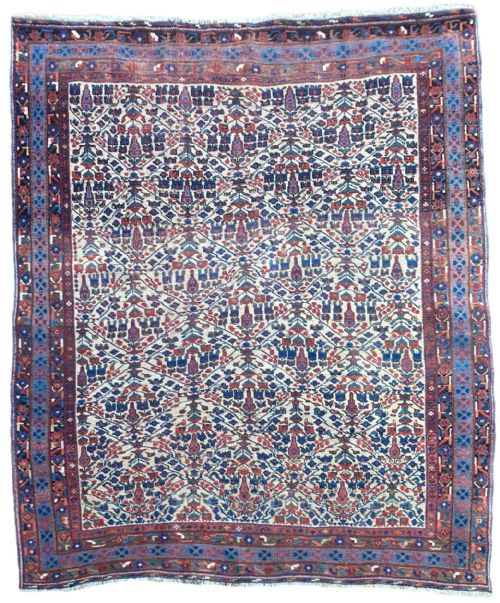


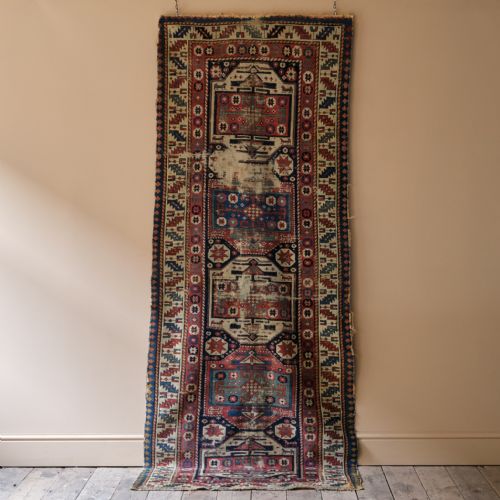
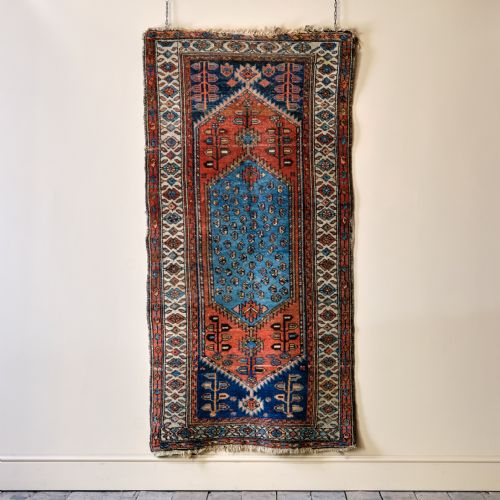
Geometric Patterned Runner Rug
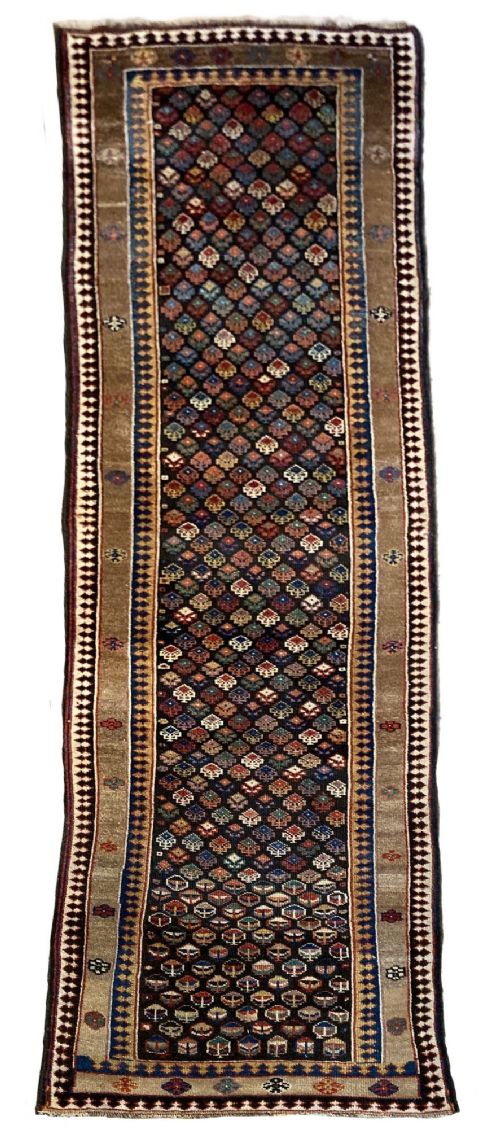
A geometric patterned runner rug brings structured tribal character to long narrow corridors through disciplined repeat motifs.
Geometric Patterned Runner Rug
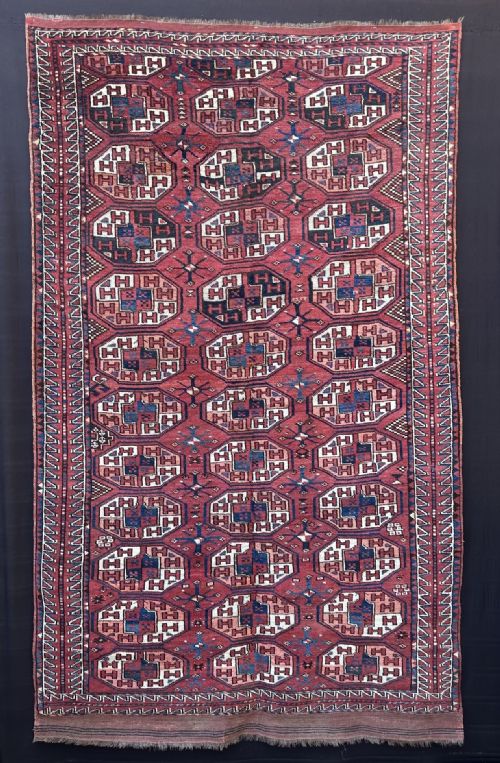
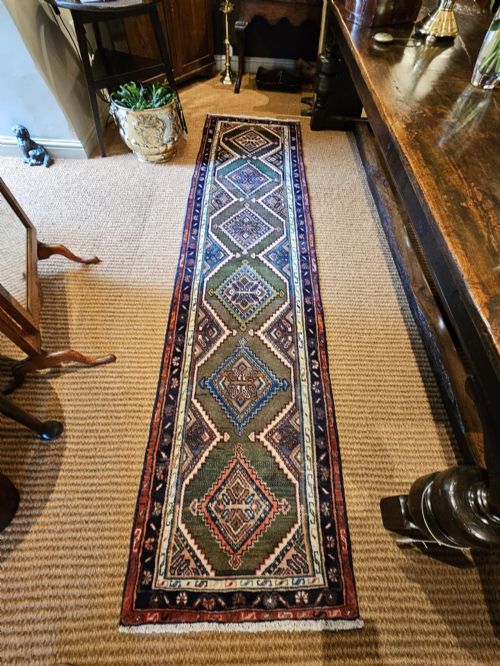
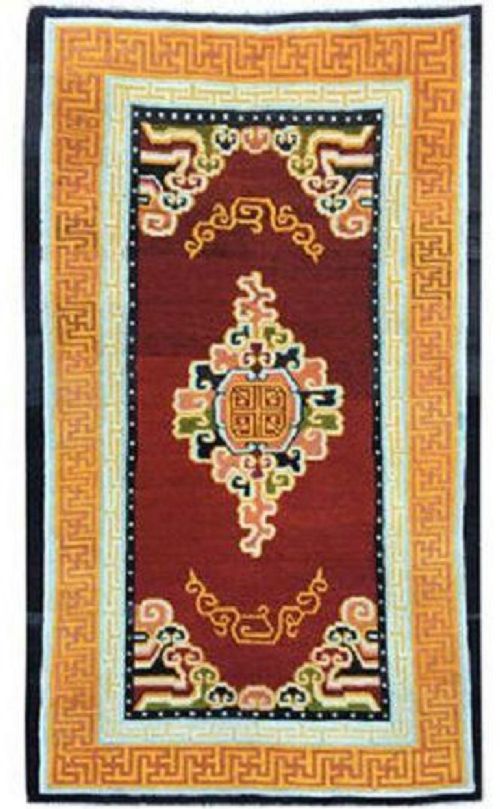
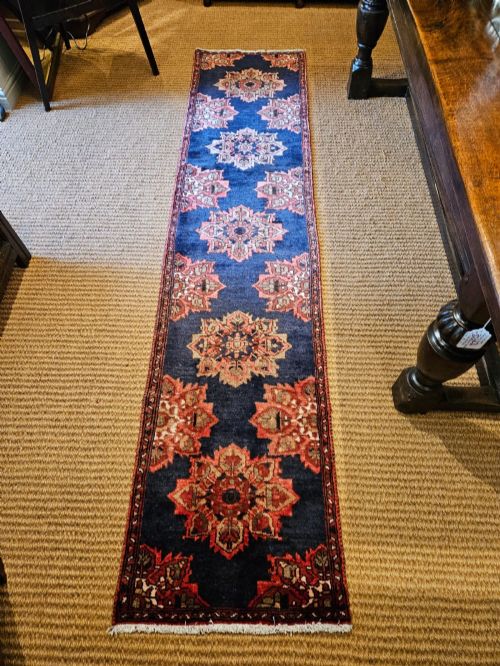
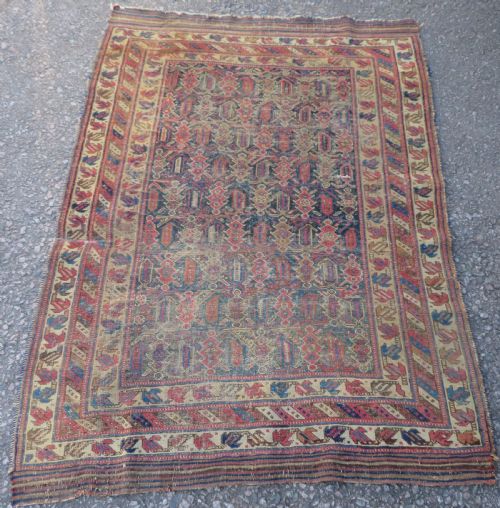
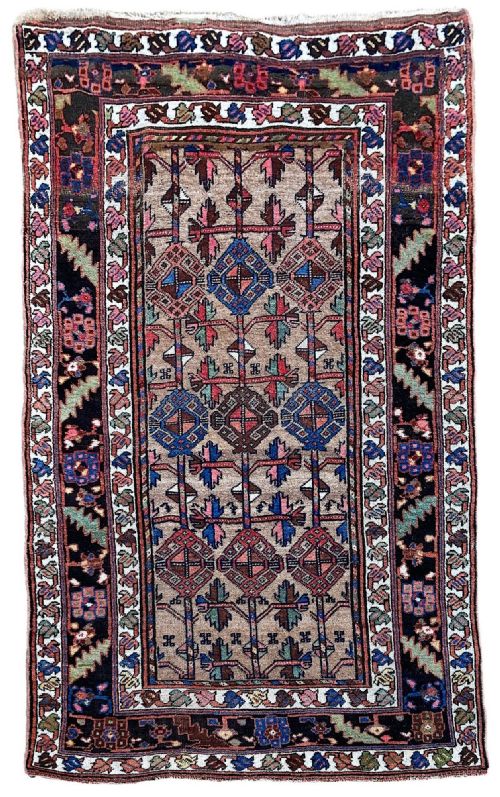
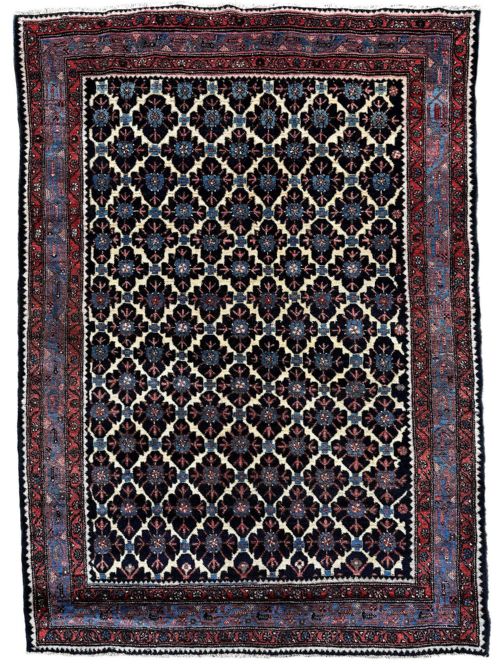
A geometric patterned runner rug spans nineteenth and early twentieth century tribal weaving traditions from Persia, Central Asia, and the Caucasus. These long, narrow floor coverings serve corridors, hallways, and narrow spaces with linear repeats and angular motifs. The selection relies heavily on regional tribal formats including Kurdish, Caucasian, and Turkmen pieces.
Makers utilised traditional village and nomadic formats, producing elongated formats designed specifically for traffic paths. The most common survivals on this page date from the late nineteenth century up to the 1930s. These older floor coverings display structured lattice designs, medallions, and tribal repeats rather than floral court patterns.
How they were made
Weavers constructed these long carpets using hand-spun wool and cotton foundations, knotted or flat-woven by hand. Artisans applied natural dyes to achieve durable colour palettes that mellow evenly across decades of use.
Nomadic and village workshops employed traditional upright looms to execute precise geometric lattices and repeating medallions. The combination of hand-spun wool and natural colour agents gives each runner its characteristic handle and structural integrity.
Listings span from the 1870s through the 1930s, featuring wool, cotton, and natural dyes across tribal styles.
What varies in quality
Quality rests in the crispness of the geometric drawing and the depth achieved by natural dye stuffs. Superior examples display precise knotting density and balanced proportions along the entire length of the runner.
The handling of the wool and the integrity of the original selvedges and ends determine the structural grade. Finer tribal weaving exhibits tighter structural foundation work and more harmonious colour transitions across the field.
The Geometric Patterned Runner Rug Glossary
- Runner
- A long, narrow carpet format designed primarily for hallways, corridors, and staircases. These pieces measure significantly longer than they are wide.
- Kilim
- A flat-woven carpet or rug produced without a pile by tightly interweaving warp and weft strands. This technique creates a lightweight, reversible textile with sharp geometric patterns.
- Lattice
- A repeating network of diagonal intersecting bands forming diamond or grid compartments across the field. This geometric framework often encloses secondary tribal motifs.
- Natural Dyes
- Colourants extracted from plants, insects, and minerals before the introduction of synthetic alternatives. These dyes yield rich, complex tones that age with subtle variation.
- Hand-Spun Wool
- Sheep wool processed manually into yarn using a drop spindle or wheel, resulting in irregular thickness that absorbs natural dye with characteristic variation.
Geometric Patterned Runner Rug: Frequently Asked Questions
Where do I put a runner rug?
These narrow formats suit hallways, corridors, entryways, and narrow gallery spaces where linear floor coverings soften foot traffic.
They also function effectively beside beds or in galley kitchens to introduce texture and warmth to transitional areas.
How do I clean an old wool rug?
Gentle surface brushing and regular light suction without a rotating power brush help maintain the wool pile.
Professional textile conservators should handle wet washing or deep restoration to protect natural dye stability.
Are these rugs handmade?
Every piece recorded in these listings relies on traditional hand-knotting or flat-weaving techniques executed on manual looms.
Artisans built these textiles individually using hand-spun wool and traditional tribal construction methods.
How do I identify tribal designs?
Tribal designs rely on geometric polygons, repeated guls, lattice structures, and stylized animal or plant forms rather than curves.
Weavers from specific regions like the Caucasus or Persia incorporated distinct local motifs passed down through generations.