
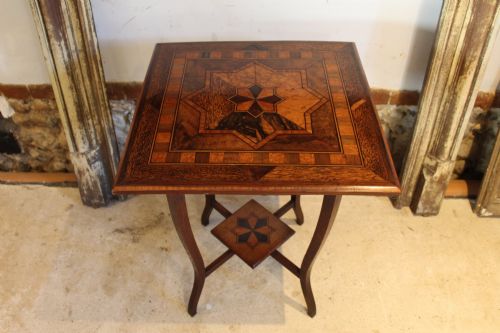


Geometric Inlaid Lamp
A geometric inlaid lamp brings together precise craftsmanship and rich timber, offering both practical illumination and striking surface pattern.
Geometric Inlaid Lamp
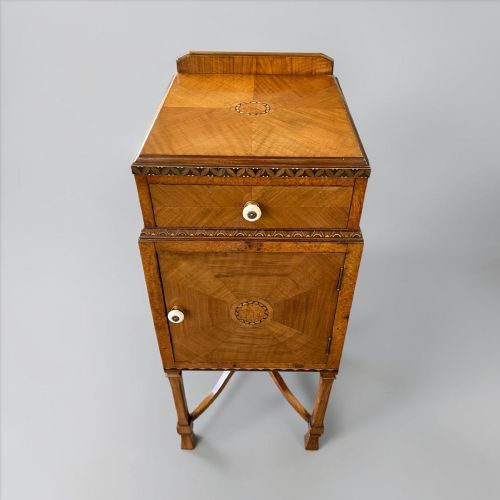
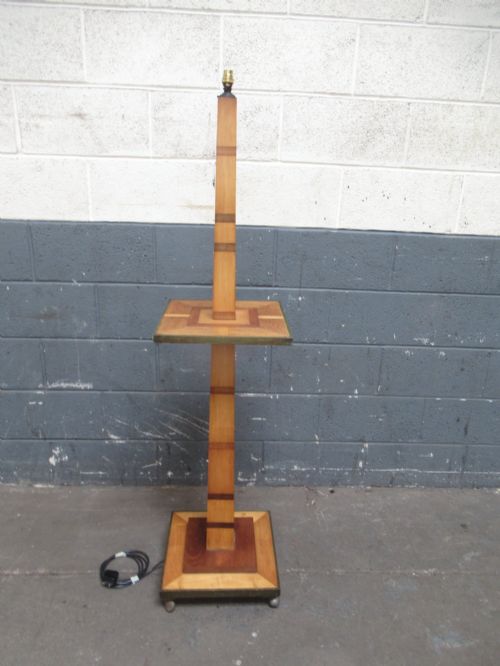
A geometric inlaid lamp or associated table surface encompasses items designed to illuminate rooms or support lighting, defined by patterned veneer work. These pieces span the nineteenth century, nineteen-ten, nineteen-twenty, and nineteen-thirty periods, appearing in forms such as floor lamps, standard lamps, and occasional or bedside tables used for lighting.
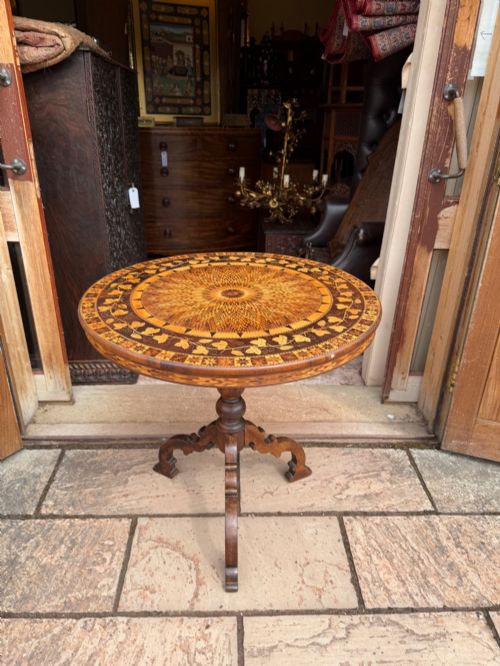
Victorian, Edwardian, and Art Deco styles dominate the selection, alongside Italian Sorrento and Grand Tour Neoclassical examples. Buyers frequently encounter circular specimen marble tops, tripod bases, and multi-wood marquetry or parquetry surfaces upon which lamps sit.
How they were made
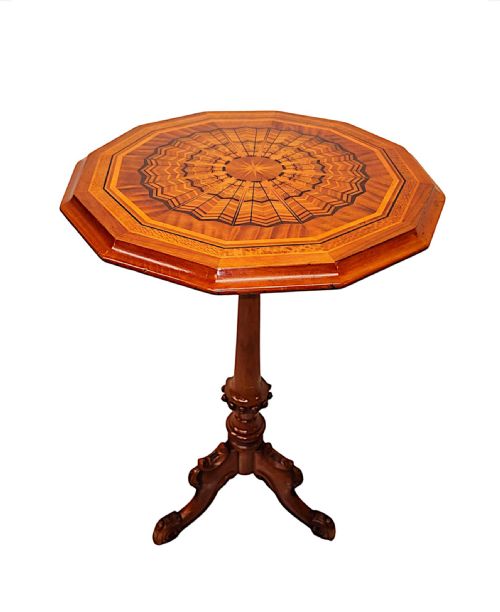
Cabinetmakers utilised walnut, mahogany, satinwood, rosewood, oak, and diverse specimen woods to construct the structural forms and decorative surfaces. Complex geometric patterns were achieved through meticulous marquetry and parquetry techniques, cutting and fitting individual timber pieces into tabletops.
Brass elements frequently complement the woodwork, particularly in standard and floor lamp constructions. Certain tables incorporate specimen marble insets alongside timber veneers, requiring precise stone-cutting alongside traditional woodworking joinery.
Listings span the nineteenth century through nineteen-thirty, uniting Victorian, Edwardian, and Art Deco periods.
What varies in quality
The sophistication of the timber selection and the precision of the veneer alignment dictate the standard of execution. Pieces featuring varied West Indian specimen woods or detailed Italian Sorrento work demonstrate higher complexity than simpler veneered surfaces.
Structural integrity of the timber base and the crispness of the geometric pattern distinguish finer examples from standard production. Attribution to known makers like Gillows or association with specific regional traditions elevates the standing of an individual piece.
Gillows·Anton Seuffer
The Geometric Inlaid Lamp Glossary
- Marquetry
- A decorative technique applying pieces of veneer to a structural base to form intricate pictorial or geometric patterns. Craftsmen carefully cut thin slices of various coloured woods to achieve contrast.
- Parquetry
- Geometric mosaic woodwork used for floors and tabletops, similar to marquetry but strictly employing regular geometric shapes. Squares, triangles, and diamonds form repeating patterns.
- Specimen wood
- Furniture constructed from or inlaid with a collection of different, often exotic, timber types. Each wood displays its natural colour and grain without artificial staining.
- Standard lamp
- A tall floor-standing lamp designed to illuminate a room from a fixed vertical position. These frequently pair with wooden shafts and heavy bases.
Geometric Inlaid Lamp: Frequently Asked Questions
What is a geometric inlaid lamp table?
A geometric inlaid lamp table is a small occasional, bedside, or centre table featuring patterned wood veneer designed to hold a lamp.
These pieces utilise timbers like walnut, mahogany, and satinwood arranged in precise shapes across the surface.
How do I identify an Art Deco lamp?
Art Deco standard and floor lamps date from the nineteen-twenties and nineteen-thirties, showing streamlined forms distinct from Victorian designs.
They rely on clean architectural lines and functional geometry rather than elaborate floral marquetry.
What woods were used for inlay?
Cabinetmakers employed walnut, mahogany, satinwood, rosewood, oak, and various West Indian specimen woods for contrasting tones.
These natural timbers created the sharp lines of parquetry and marquetry patterns.
Where were Sorrento tables made?
Italian Sorrento tables originated in the coastal town of Sorrento, known for specialised micro-mosaic woodwork.
They feature distinctive geometric inlay work often associated with nineteenth-century production.
How do I care for inlaid wood?
Inlaid wooden surfaces require gentle dusting and protection from direct sunlight and excessive moisture.
Maintaining stable room humidity prevents the delicate veneer and geometric marquetry from lifting.