





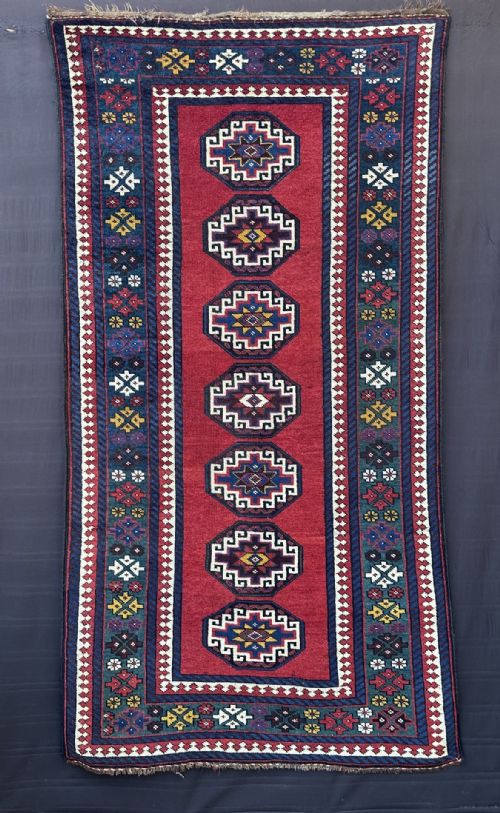
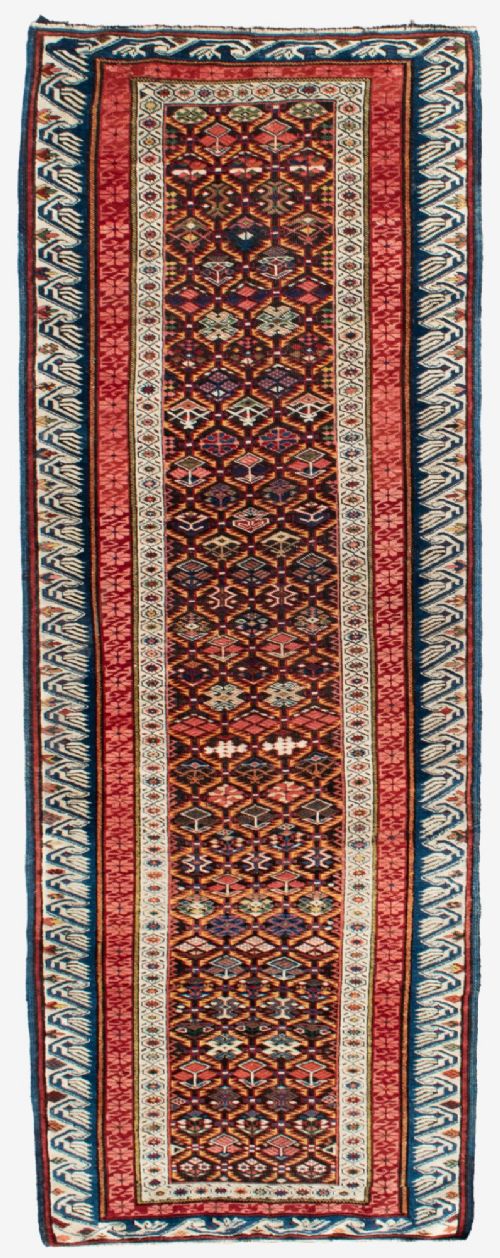

Geometric Hallway Runner
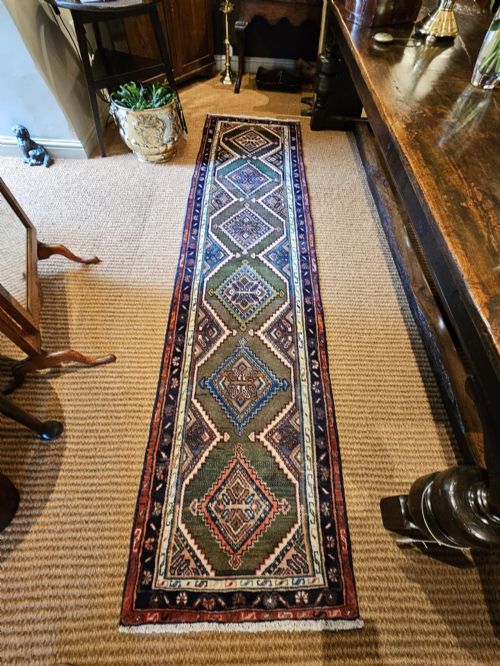
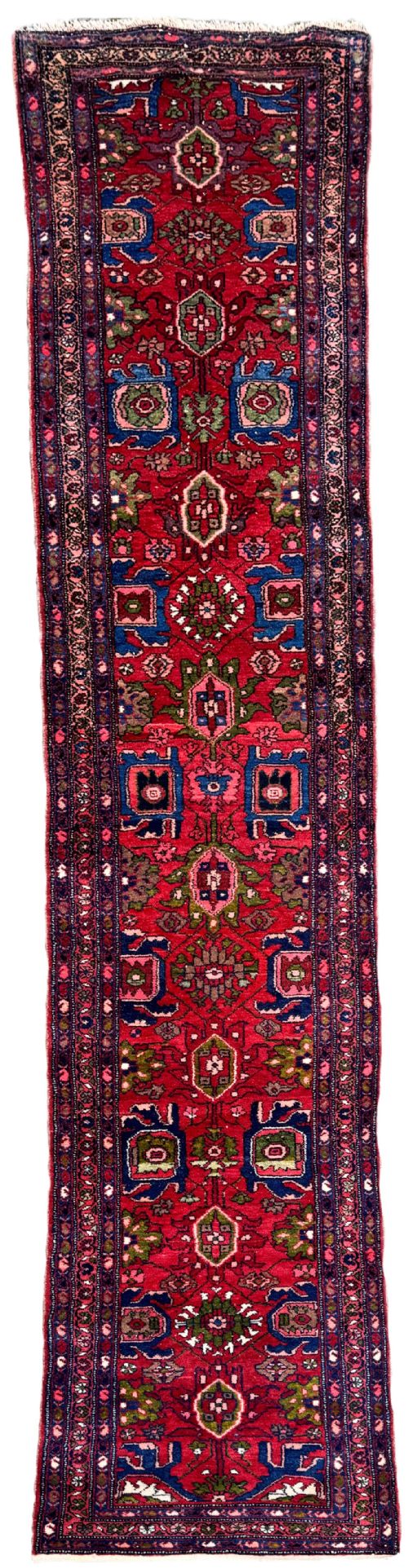
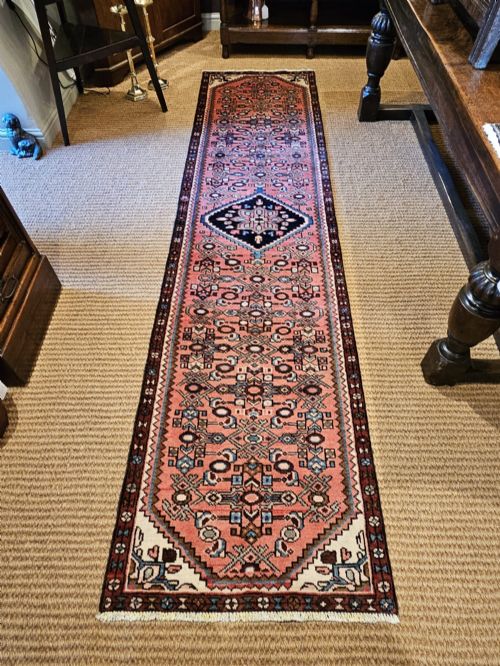
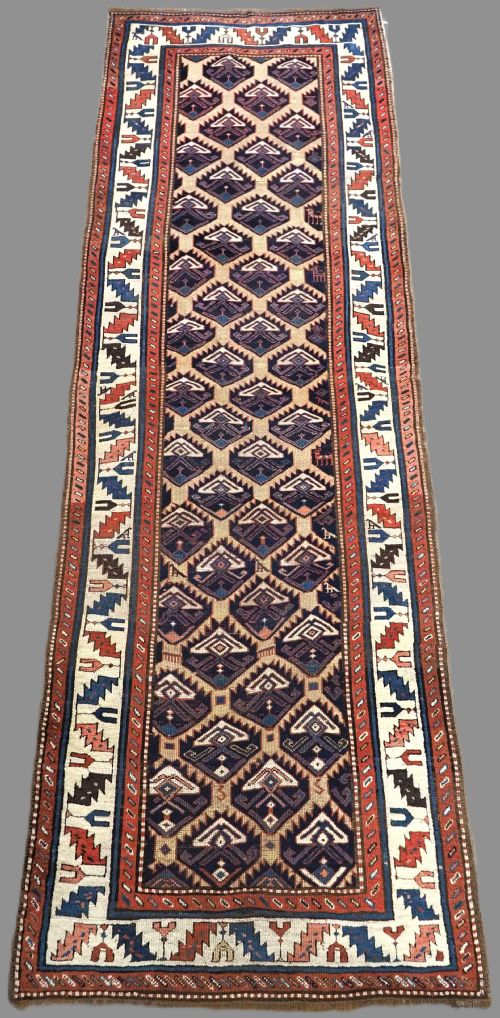
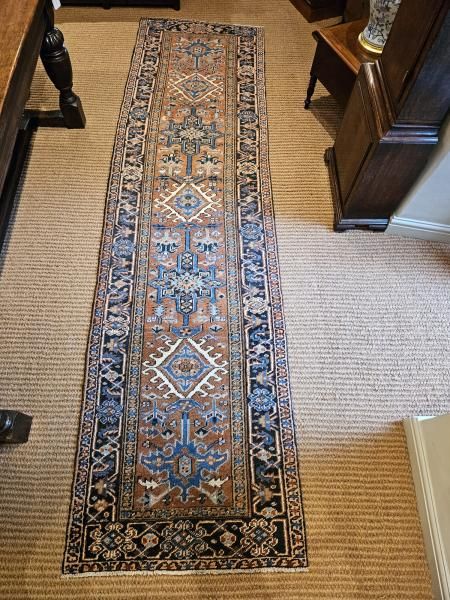
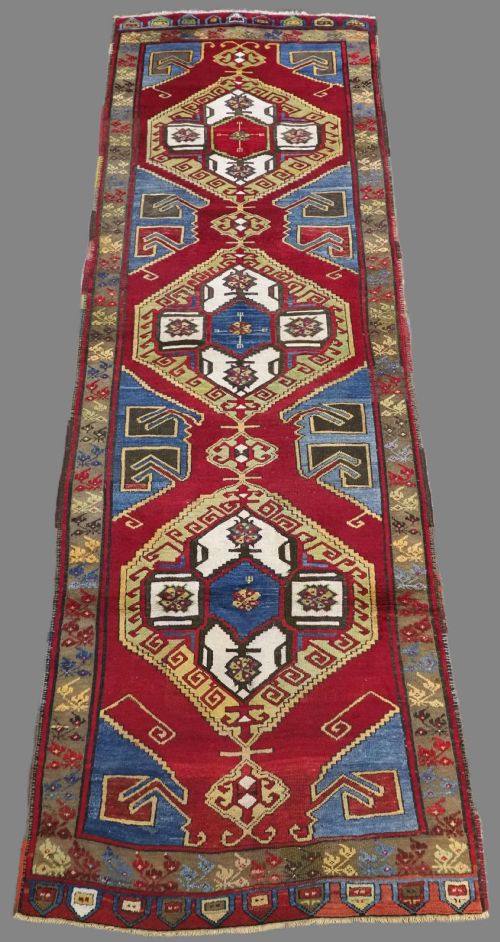
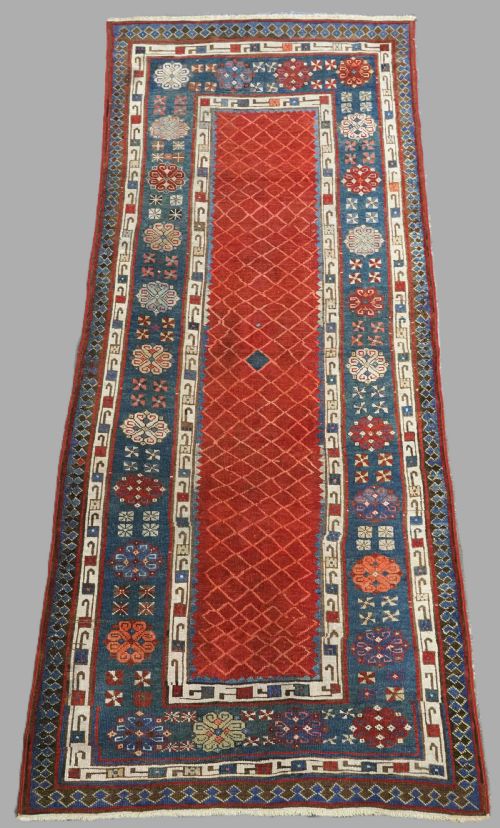
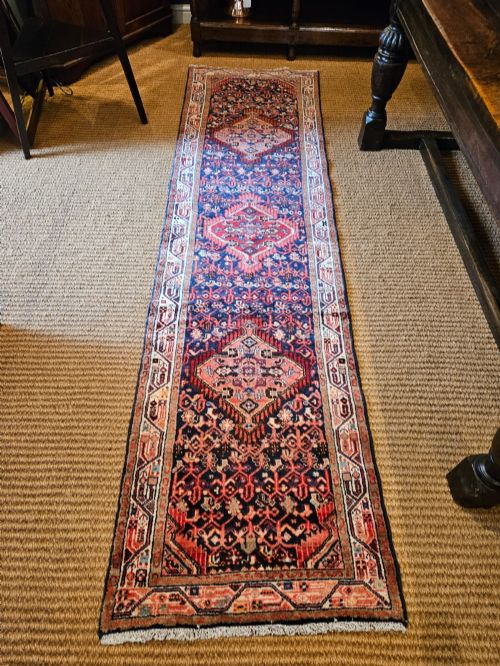
A geometric hallway runner anchors a long space with structured pattern, drawing the eye along traditional woven paths of wool and cotton.
Geometric Hallway Runner
When searching for a geometric hallway runner, buyers look at long, narrow woven floor coverings designed to line corridors and passageways. These pieces originate from various regional weaving traditions, including Persian, Caucasian, Anatolian, and Kurdish workshops.
The most common examples on this page date from the nineteenth and early twentieth centuries, spanning periods from the eighteen-seventies up to the nineteen-thirties. They arrive in formats that suit narrow spaces, utilising repeating motifs, medallions, and lattice patterns rather than floral curves.
Forms span long runner rugs, carpet runners, and narrow tribal formats produced across Middle Eastern and Western Asian weaving centres. Each rug displays the specific design vocabulary of its district, rendered in durable formats intended for heavy domestic traffic.
How they were made
Makers constructed these runners using wool for the pile and foundation yarns alongside cotton for structural warps and wefts. Weavers knotted or wove these natural fibres by hand on vertical or horizontal looms, applying traditional village and tribal techniques passed down through generations.
Dyes derived from natural sources provided the rich palettes seen across these nineteenth and early twentieth-century textiles, grounding the geometric patterns in stable, earthy tones. The combination of dense wool pile and sturdy cotton foundations gave each piece the resilience required for sustained hallway use.
Materials recorded across these listings consist entirely of wool and cotton, utilised in traditional handwoven formats.
What varies in quality
Quality rests on the crispness of the geometric drawing and the precision with which the weaver executed the lattice or medallion structure. Finer knotting density allows for sharper lines and more intricate rendering of traditional motifs.
The integrity of the wool pile and the stability of the foundation determine how well a runner handles structural wear over decades. Consistent tension during weaving prevents the warping often found in older village pieces.
The Geometric Hallway Runner Glossary
- Runner
- A long, narrow carpet format specifically proportioned for corridors, hallways, and stairs. These pieces guide movement through narrow architectural spaces.
- Lattice
- A repeating geometric network of crisscrossing lines or strapwork forming diamond, grid, or compartment patterns across the field. This structure organises secondary motifs within distinct borders.
- Pile
- The upright yarn loop or cut ends that form the soft surface of the rug. It provides both underfoot comfort and protection for the structural foundation beneath.
- Warp
- The stationary vertical threads stretched onto the loom before weaving begins. Wefts are passed across these tensioned foundational lines to lock the knots in place.
- Medallion
- A large central ornamental design motif placed symmetrically in the field of the rug. It serves as the primary focal point of the composition.
Geometric Hallway Runner: Frequently Asked Questions
How do I choose the right length for my hallway?
Measure the clear floor space of your corridor, leaving an equal margin of bare floor visible around all four sides of the textile. This frames the piece and prevents the edges from curling against skirting boards.
Account for doors opening into the hallway to ensure clearance over the pile thickness. A well-proportioned runner leaves uninterrupted floor visible at both thresholds.
How do I care for an antique wool runner?
Vacuum the piece gently using suction only, avoiding rotating brush attachments that pull at the wool fibres. Lift and shake the runner periodically outdoors to dislodge grit trapped deep within the foundation.
Keep the textile out of direct, prolonged sunlight to prevent natural dyes from fading unevenly across the surface. Professional cleaning should occur infrequently and only through specialists familiar with antique village weaves.
Are these runners durable enough for daily foot traffic?
Wool and cotton construction combined with dense knotting provides natural resilience against regular household movement. The heavy, sturdy nature of these historical textiles suits them well to corridors and heavy-use zones.
Using a quality underlay beneath the runner prevents slipping and cushions the foundation yarns from abrasive impact against hard flooring.
How do I tell different regional styles apart?
Caucasian and Anatolian pieces often rely on stark, angular geometric polygons, hooked motifs, and sharp colour contrasts. Persian and Kurdish examples frequently incorporate softer floral influences adapted into rigid geometric lattices and tribal medallions.
Border designs and colour palettes also signal origin, as specific weaving villages utilised distinct dye recipes and guard stripe arrangements.