

Geometric Carved Wood
Geometric carved wood brings together structured patterns and tactile timber, offering sturdy tables, chests, and sideboards shaped by centuries of craftsmanship.
Geometric Carved Wood
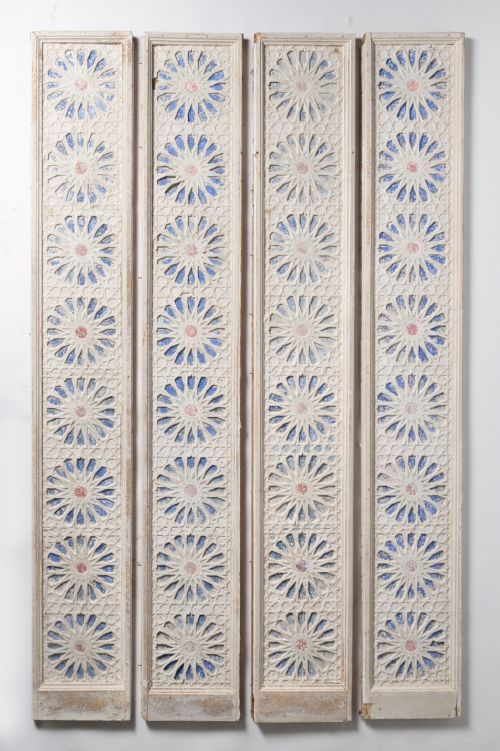
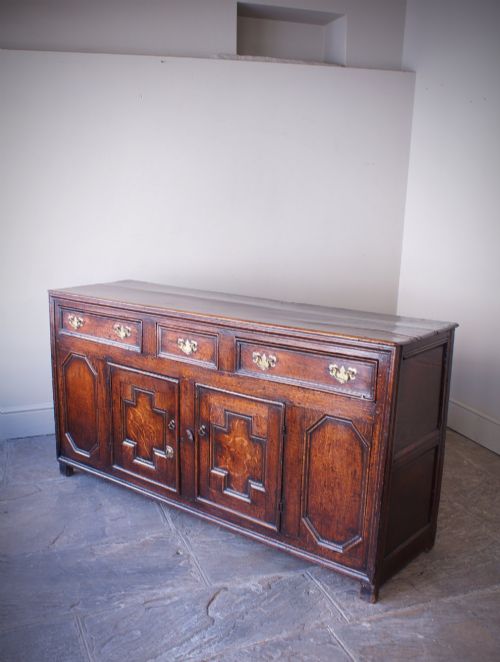
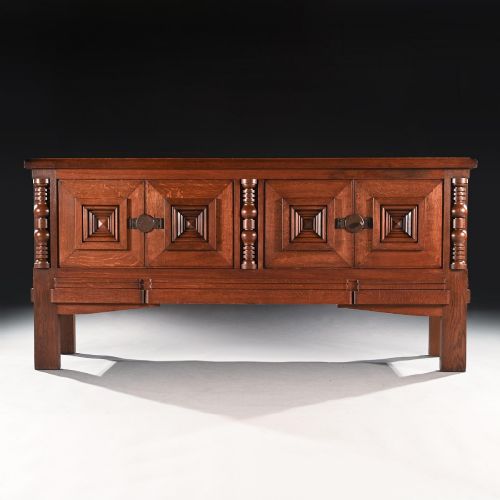
When you search for geometric carved wood, you encounter furniture and decorative objects defined by repeating linear motifs, faceted panels, and crisp surface incision. The selections on this page span several centuries, drawing heavily from seventeenth-century Jacobean traditions alongside later revivals, Edwardian interpretations, and twentieth-century Art Deco expressions.
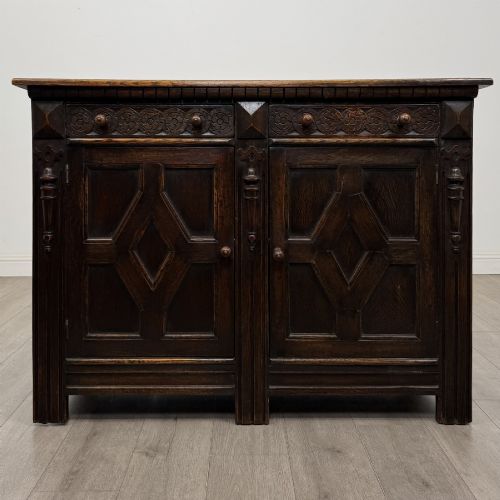
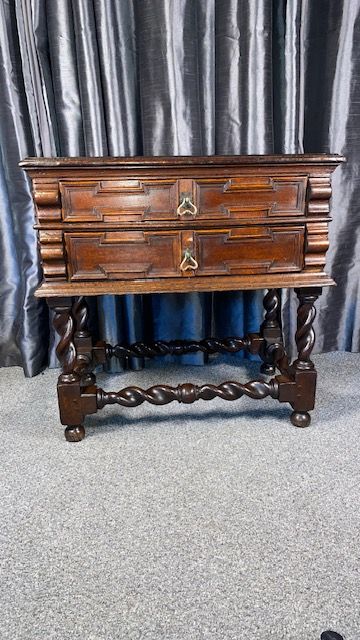
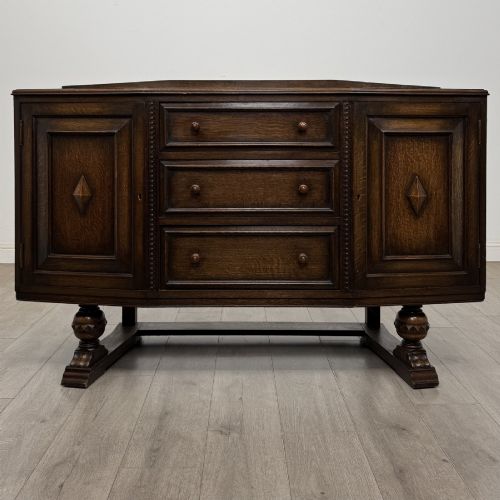
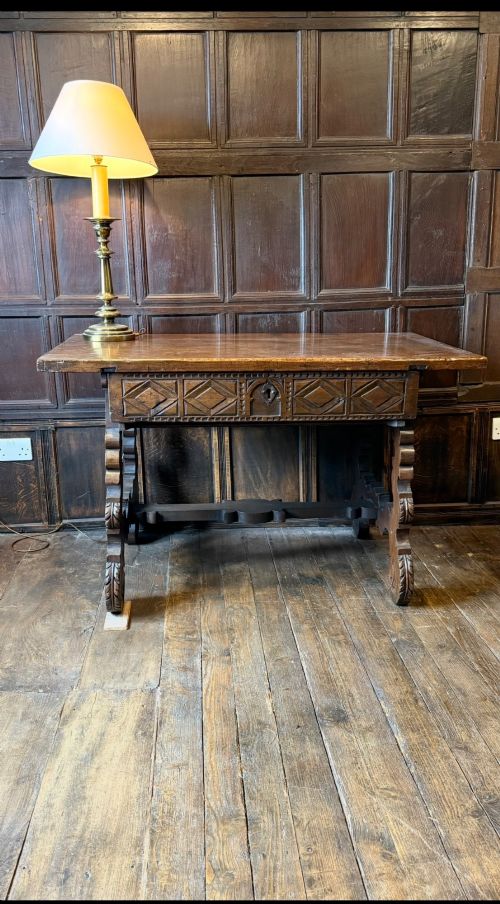
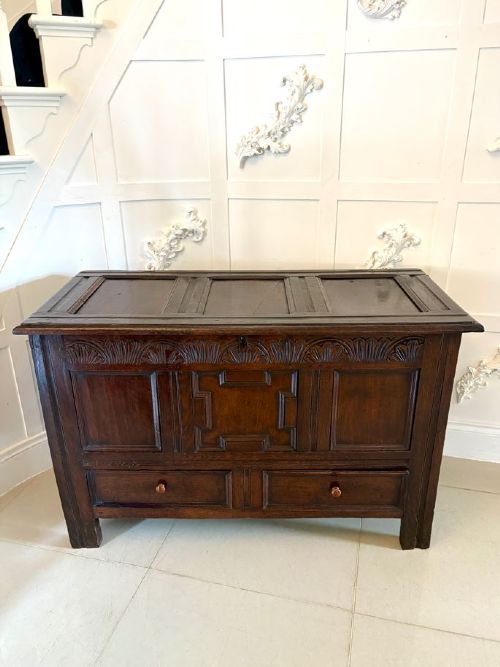
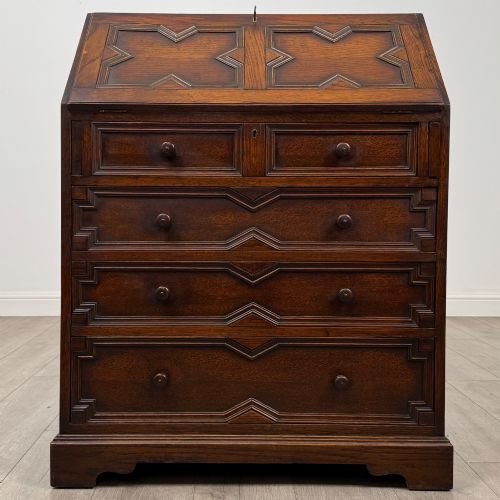
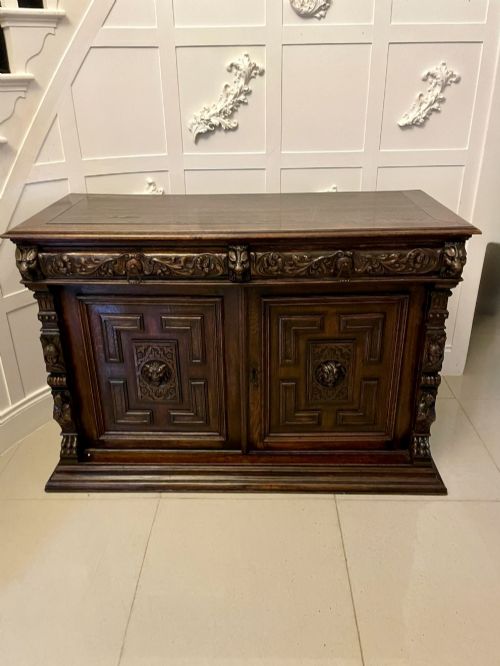
The most common forms you meet here are practical storage items and tables, including oak chests of drawers, mule chests, coffers, dresser bases, and sideboards. These pieces utilise solid timbers and display patterned enrichment directly on drawer fronts, friezes, and doors.
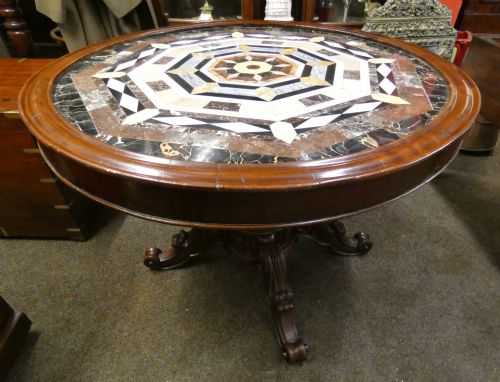
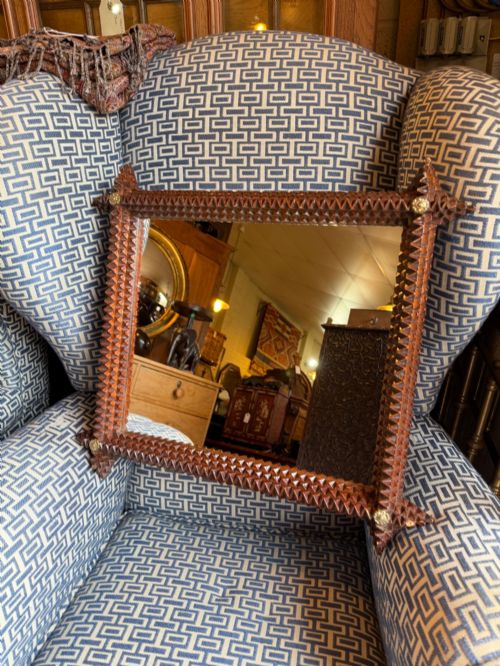
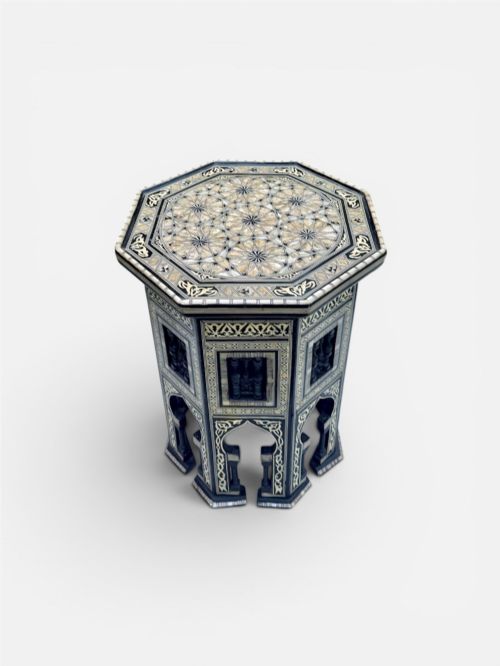
Beyond larger furniture, the category extends to smaller occasional items such as octagonal side tables, wall mirrors, chip-carved boxes, and occasional stands. These smaller works demonstrate how makers applied repetitive triangular, square, and lozenge patterns to varied scales of domestic objects.
How they were made
Makers relied primarily on native and exotic hardwoods, predominantly oak, walnut, mahogany, and fruitwood, joined with traditional framing methods. Surfaces received their characteristic texture through chisels, gouges, and specialised planes that cut strapwork, lozenges, and applied mouldings directly into the timber.
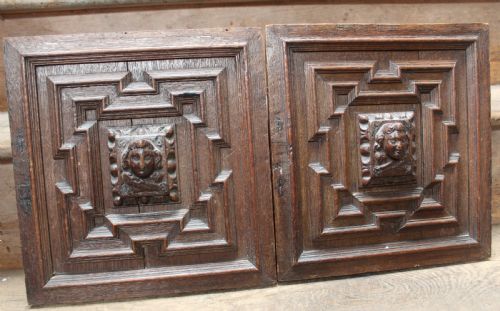
In many seventeenth-century and revival pieces, craftsmen built panels using frame-and-panel construction to allow for the natural expansion and contraction of wood. Geometric decoration often involved applied mouldings arranged in mitred polygons or strapwork grids fixed to flat drawer fronts and cupboard doors.
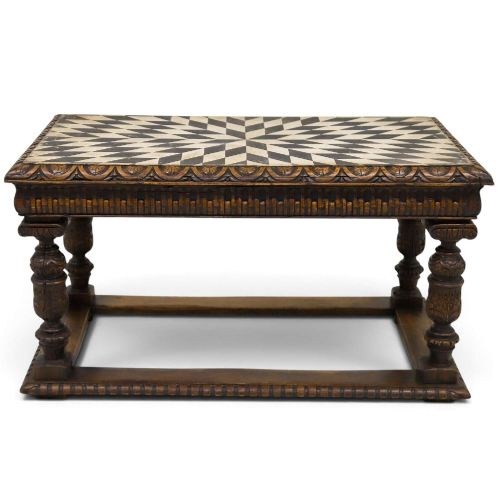
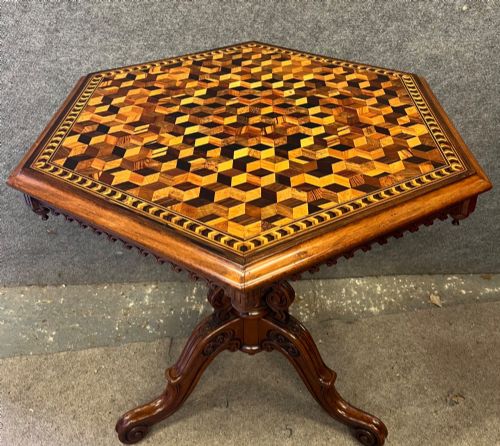
Later examples integrate specialised parquetry, chip-carving, and inlay techniques, combining contrasting timbers or incorporating materials like mother-of-pearl and brass. These decorative skins required precise cutting and fitting to create flush, durable mosaic surfaces across table tops and small boxes.
Geometric Carved Wood Retail Price Guide 2026
Typical asking prices for geometric carved wood among the pieces listed under this phrase on Sellingantiques today, from the lower quarter to the upper quarter. They describe what is for sale here now, not the wider market.
Listings feature oak, walnut, and mahogany furniture spanning the seventeenth century through to mid-twentieth-century Art Deco designs.
What varies in quality
The distinction between ordinary and superior pieces rests on the crispness of the carving and the architectural proportion of the applied ornamentation. Master carvers produced deeply undercut patterns with sharp internal angles, whereas lesser examples rely on shallow, rounded incisions that lack definition.
Material selection and structural integrity also govern the hierarchy of quality. Superior items display well-figured grain, stable joints utilising period techniques, and minimal replacement to structural timbers or decorative mouldings.
Provenance and historical adherence elevate certain works, such as dated seventeenth-century boards or documented pieces associated with recognised makers and regional traditions. The harmony between the base timber and the geometric embellishment determines whether a piece feels unified or awkwardly assembled.
Ralph Turnbull·Charles Dudouyt·Étienne Kohlmann
The Geometric Carved Wood Glossary
- Geometric carved wood
- Timber surfaces ornamented with repeating mathematical patterns, interlocking polygons, or incised linear motifs. This category unites seventeenth-century strapwork with later revival and Art Deco styling.
- Mule chest
- A storage chest featuring one or more drawers at the base beneath a hinged lid compartment. They frequently display panelled fronts and applied geometric mouldings.
- Parquetry
- A geometric mosaic of wood pieces used for decorative floors or table tops. Craftsmen cut contrasting timbers to form precise triangular or square tiling effects.
- Strapwork
- A decorative motif consisting of interlaced ribbons or bands, often resembling leather straps folded and crossed. It appears frequently on Jacobean and revival panels.
- Chip carving
- A technique where small chips are removed from a single piece of wood with a knife or chisel to form geometric rosettes and interlocking triangles. It is common on smaller boxes and utilitarian boards.
Geometric Carved Wood: Frequently Asked Questions
What is geometric carved wood furniture?
It is furniture ornamented with repeating patterns like lozenges, squares, and strapwork cut or applied directly onto the timber surface. These designs provide architectural texture to functional items such as chests, sideboards, and tables.
The style draws heavily from seventeenth-century joinery traditions while appearing across later Victorian, Edwardian, and mid-twentieth-century revivals. Each era adapted the linear motifs to suit contemporary forms and domestic requirements.
How do I date a geometric carved oak chest?
Dating relies on examining construction joints, timber species, tool marks, and the specific proportion of the mouldings. Seventeenth-century examples typically feature hand-riven boards, pegged mortise and tenon joints, and deeper, more rustic surface incision.
Revival pieces made during the Edwardian period or the twentieth century often reveal standardised machine sawing, modern adhesives, or secondary softwoods behind the primary oak facade. Comparing the hardware and interior construction helps clarify the true age of the piece.
How were these carved panels made?
Makers either incised patterns directly into the solid wood using chisels and gouges or constructed raised designs using applied mouldings. These applied wooden strips were mitred and fixed onto flat panels to create three-dimensional geometric grids.
In more complex examples, parquetry and specimen wood inlay were employed to build mosaic surfaces. This required meticulous cutting and fitting of contrasting timbers to achieve flush, stable decorative panels.
How should I care for old carved wood?
Keep wooden furniture away from direct heat sources and drastic humidity changes to prevent the timber from splitting or warping. Dust regularly with a soft, dry cloth and avoid heavy silicone-based polishes that build up over time.
Feeding the wood occasionally with traditional beeswax helps maintain the natural lustre of the surface without harming historical patination. Gentle handling preserves the crisp edges of the delicate carvings.