






Geometric Art Deco Vase
A geometric art deco vase brings sharp lines and bold colour to a room, offering the quintessential look of the interwar period.
Geometric Art Deco Vase
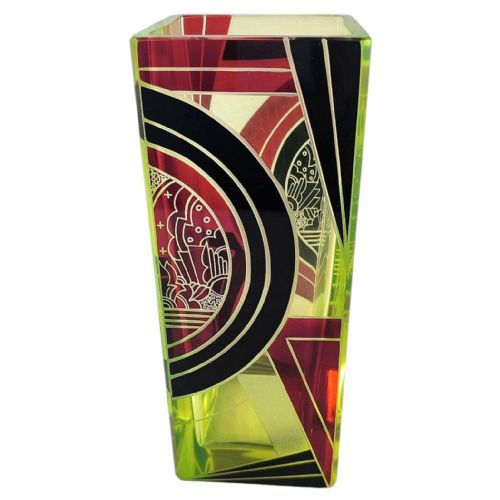
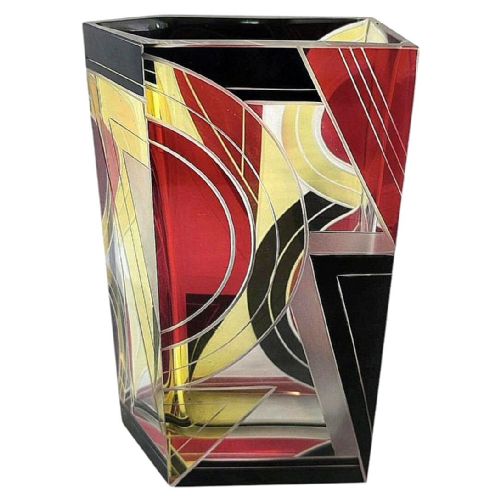
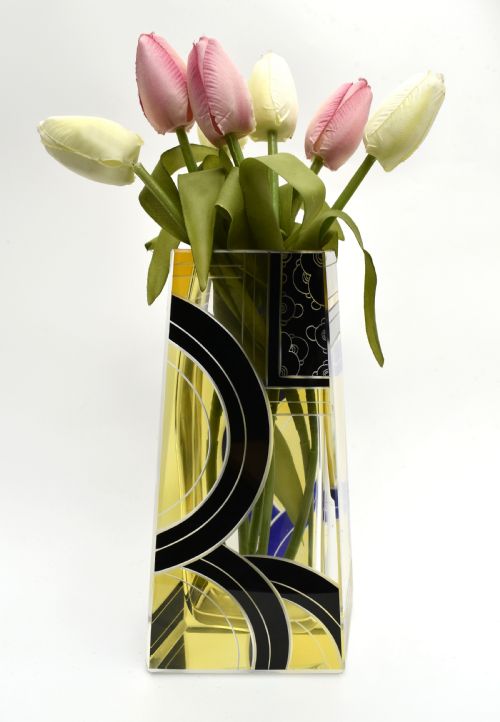
A geometric art deco vase embodies the angular motifs and modernism of the 1920 and 1930 periods. Buyers searching for a geometric art deco vase will encounter tall silhouettes, square profiles, and striking colour contrasts.
The pieces listed span glass and crystal creations alongside chrome vessels from Belgium and the Czech Republic. Tall etched and enamelled examples dominate the selection, bringing distinct linear patterns to any surface.
How they were made
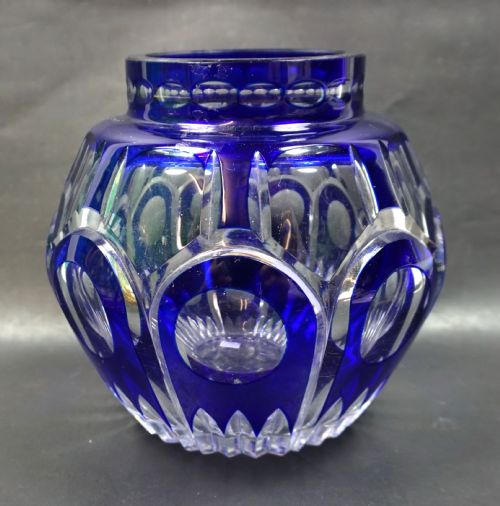
Maker's workshops utilised lead crystal, cased glass, and uranium glass, often layering colours such as green, blue, and red over clear crystal. These layered materials were then deeply cut or etched to expose contrasting hues beneath.
Enamel decoration added opaque geometric bands and motifs directly onto the glass surface. Metalwork versions relied on chromium plating over a base metal to achieve a bright, reflective finish.
Geometric Art Deco Vase Retail Price Guide 2026
Typical asking prices for geometric art deco vase among the pieces listed under this phrase on Sellingantiques today, from the lower quarter to the upper quarter. They describe what is for sale here now, not the wider market.
Materials documented across the inventory include uranium glass, cased glass, lead crystal, and enamel.
What varies in quality
The depth and precision of the etching or cutting separate standard vessels from the finest work. Crisp geometric boundaries and well-defined overlay layers demonstrate superior skill in the glasshouse.
The application of enamel work dictates refinement, with cleaner lines and richer pigments marking the more accomplished pieces. Balance in the vessel's proportions also governs the visual success of the design.
Karl Palda·Charles Graffart·Joseph Simon·Jean Luce·Beldray Ltd
The Geometric Art Deco Vase Glossary
- Cased glass
- A vessel formed of two or more distinct layers of glass, often in contrasting colours, allowing artisans to cut through the top layer to reveal the colour beneath. This technique creates striking visual depth.
- Uranium glass
- Glass tinted with uranium oxide that glows vibrant green under ultraviolet light. It was widely utilised during the period for decorative vessels.
- Overlay glass
- Similar to cased glass, this involves fusing a coloured layer over clear or contrasting glass before carving or etching. The process highlights geometric patterns effectively.
- Lead crystal
- A heavy glass incorporating lead oxide to increase brilliance and clarity. It allows for deeper, sharper cuts in decorative vases.
Geometric Art Deco Vase: Frequently Asked Questions
How do I identify a genuine period piece?
Examine the materials, weight, and decorative techniques used on the vessel. Pieces from this era typically feature characteristic cased glass, precise enamel work, or period metal plating.
Look closely at the surface wear and manufacturing traits common to European glasshouses and workshops of the 1920 and 1930 decades.
Where were these vases manufactured?
The recorded pieces originate primarily from workshops and factories in Belgium and the Czech Republic. Major designers and makers operated within these key European hubs during the interwar period.
Export markings and stylistic traits often point directly to these specific regions of production.
What materials are most common?
Glass and crystal dominate the available selection, frequently enhanced with enamel or deep etching. Uranium glass and overlay glass are also prominent material choices.
Chrome metalwork appears among the variations, offering a sleek alternative to glass vessels.
How should I display a glass vase?
Position the vessel where natural light can pass through the coloured crystal or uranium glass. Direct illumination highlights the etched geometric patterns and layered depth.
Keep them on stable surfaces away from heavy foot traffic to protect the sharp edges and delicate enamel.