
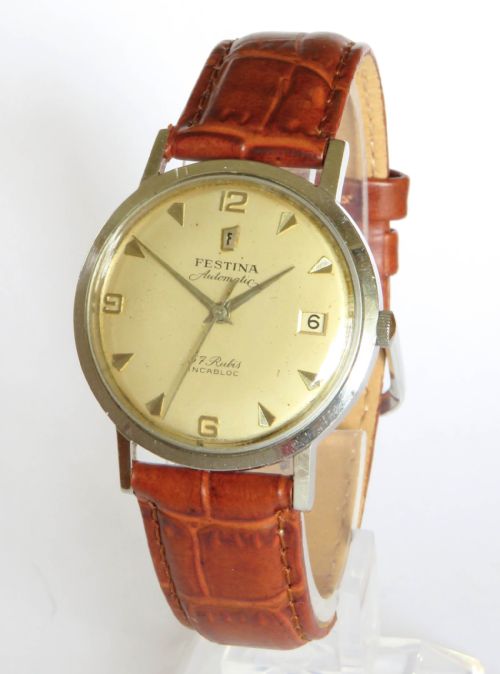
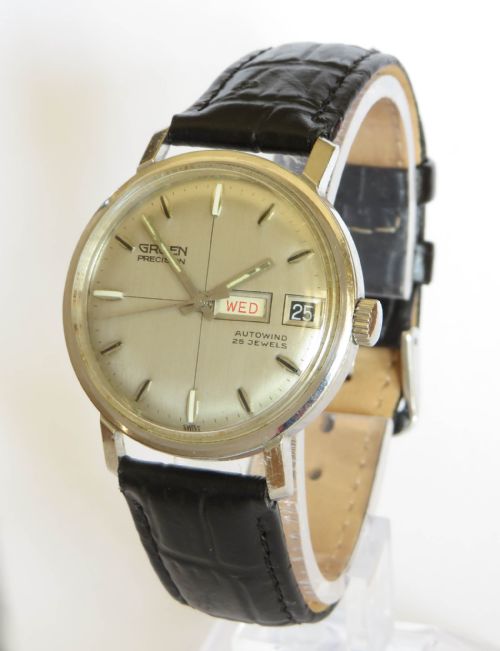
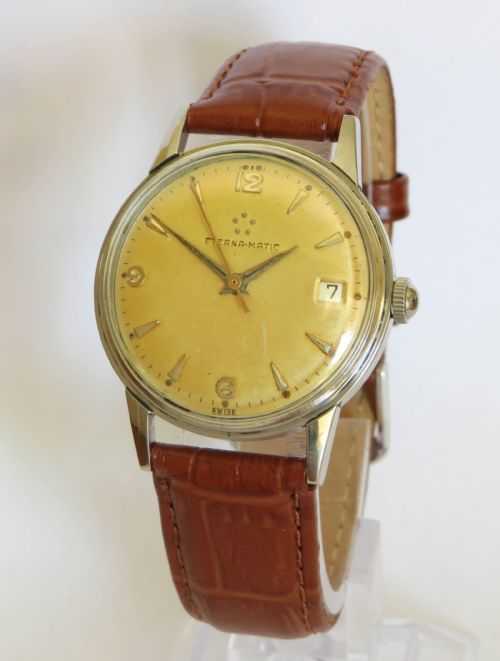
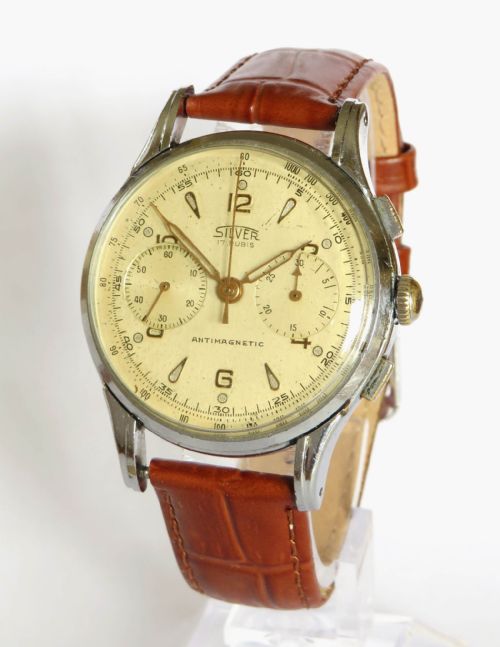
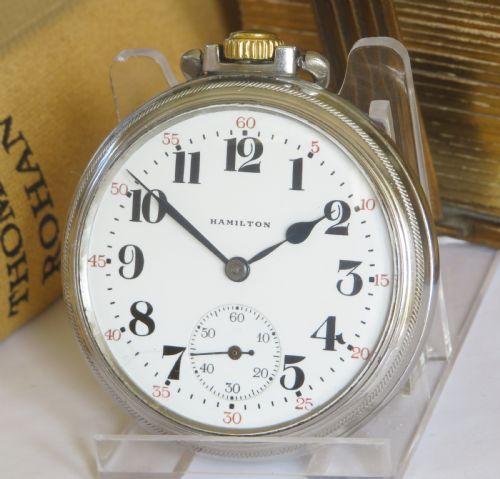
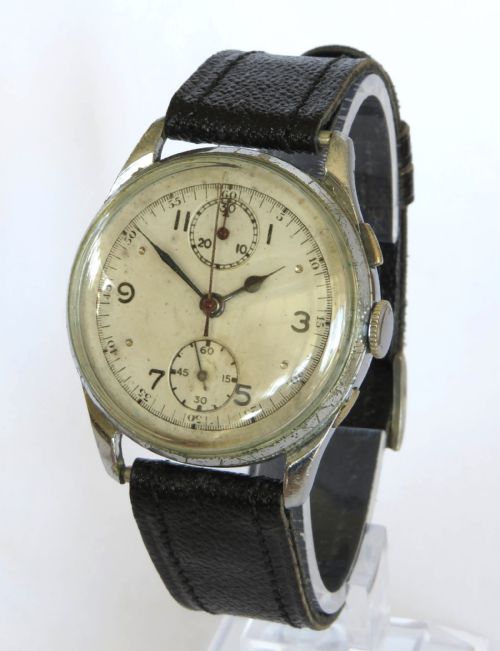

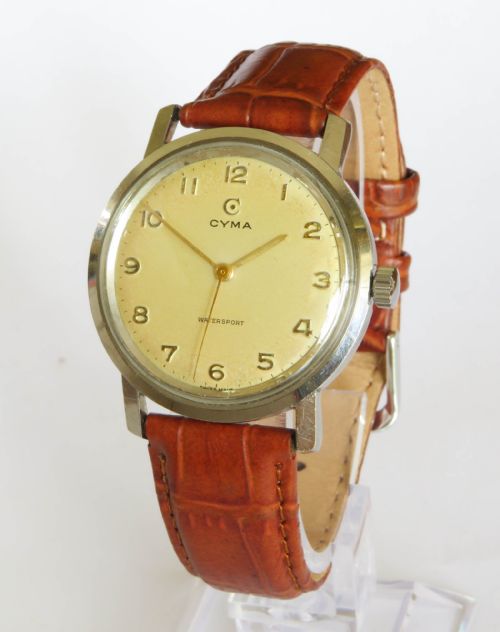
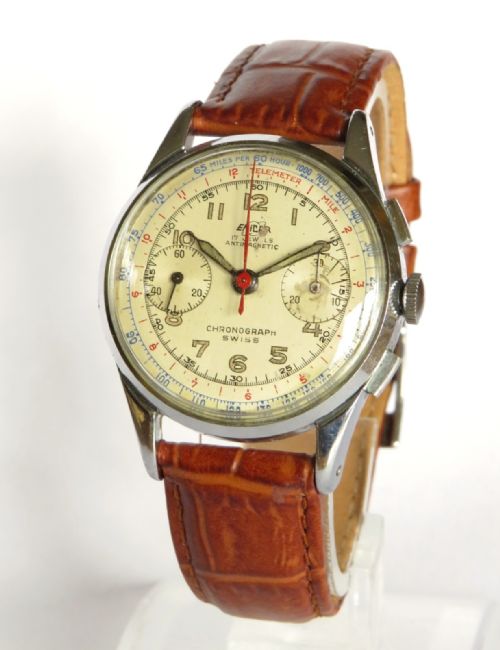
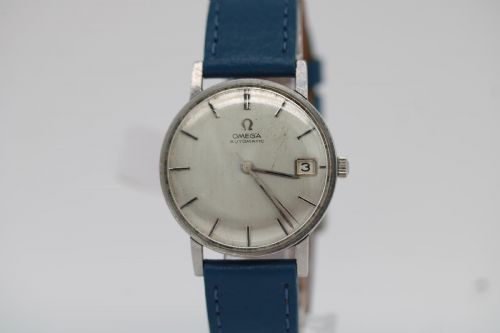
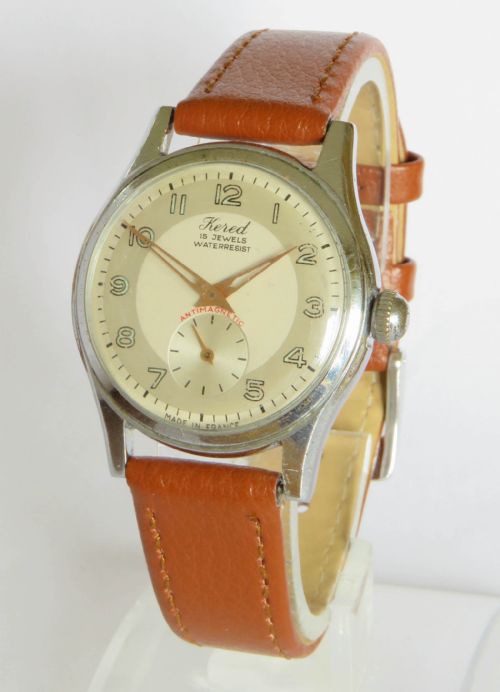

Gents Vintage Stainless Watch
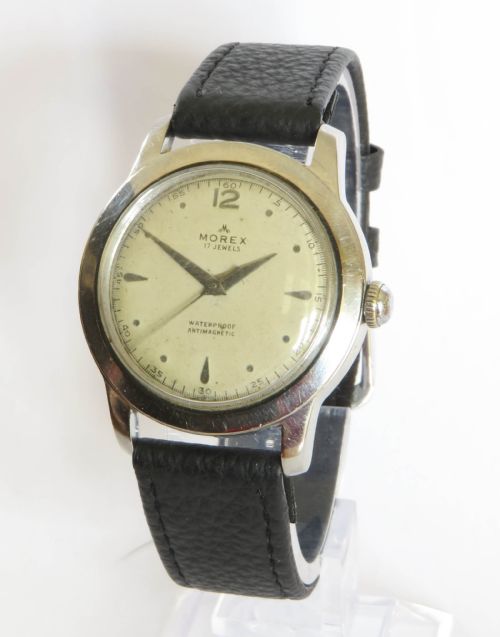
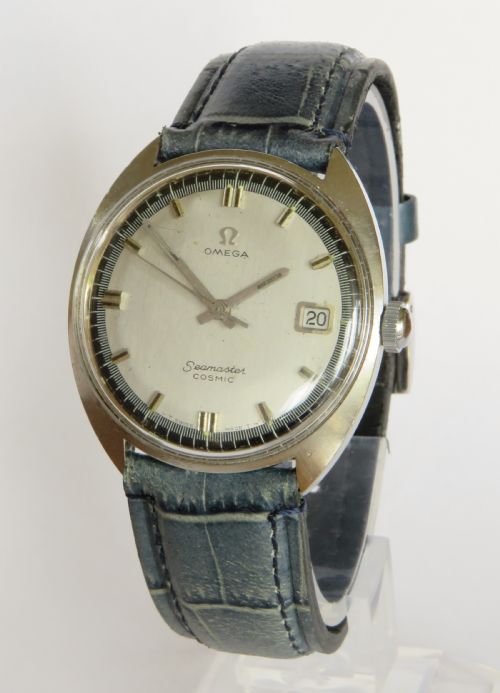
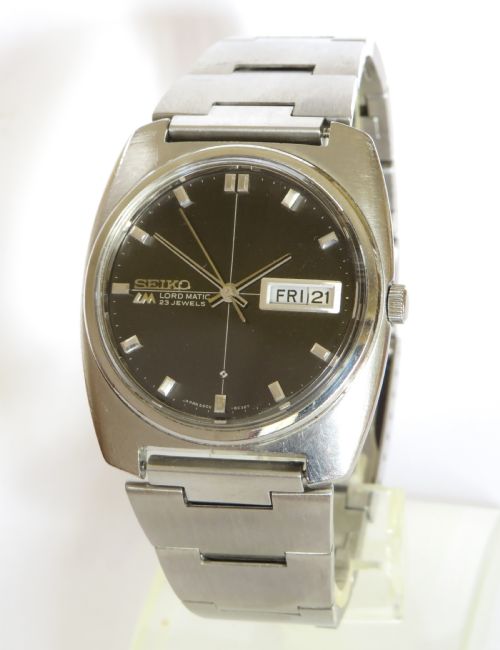
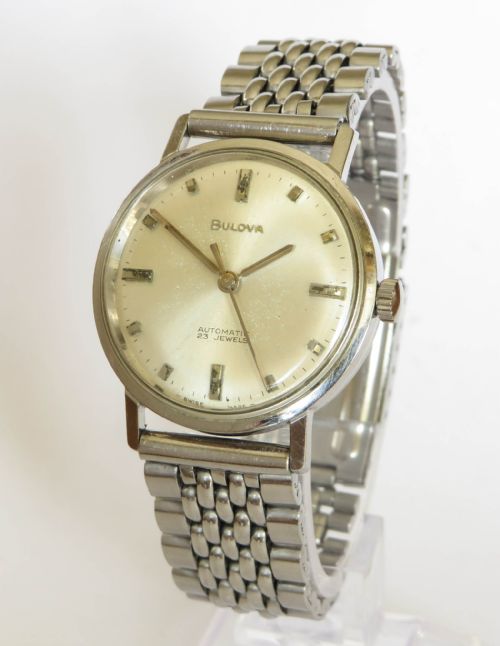
These gents vintage stainless watch examples offer dependable mechanical timekeeping, spanning decades of robust design from the 1930s to the 1960s.
Gents Vintage Stainless Watch
A gents vintage stainless watch represents a practical timepiece from past decades, designed primarily for daily wear. Buyers searching for a gents vintage stainless watch encounter mechanical and automatic wristwatches alongside occasional pocket watches from various mid-century ateliers.
The selections on this page concentrate heavily on pieces from the 1950s and 1960s, reflecting the post-war boom in durable wristwatches. Mid-century Swiss designs and classic automatic movements dominate the available forms.
Makers such as Omega, Seiko, and Bulova appear frequently alongside lesser-known Swiss houses. These pieces provide a direct link to mid-century industrial design through utilitarian metal cases and clear dials.
Materials and construction
Cases utilise stainless steel for corrosion resistance and durability, often paired with acrylic or glass crystals protecting the dial. Leather straps provide the standard wrist attachment, replacing original bands lost to time.
Movements rely on mechanical gears driven by mainsprings, either wound by hand or driven automatically via internal oscillating weights. Chronograph complications and date displays incorporate intricate gear trains assembled by hand in workshops.
Listings feature wristwatches and pocket watches spanning four distinct decades from the 1930s to the 1960s.
Distinguishing quality across examples
Quality separates watches by the sophistication of their internal movements, ranging from basic pin-pallet mechanisms to high-jewel automatic calibres produced by established Swiss manufactures. The execution of the dial and hands also marks the tier of the piece, with applied metal markers superior to simple painted lines.
Case finishing demonstrates another level of distinction, where crisp factory bevels and integrated screw-down case backs outlast soft, polished surfaces. Original signed crowns and well-preserved chronograph mechanisms elevate an example above standard three-hand variants.
Montilier·Omega·Seiko·Bulova·Festina·Gruen·Eterna·Antoremi·Hamilton·Venus·Cyma·Enicar·Kered·Prisma·Marvin·Tissot·Invicta·Jaeger LeCoultre
The Gents Vintage Stainless Watch Glossary
- Automatic
- A self-winding mechanical movement that uses a weighted rotor to wind the mainspring through the natural motion of the wearer's wrist.
- Chronograph
- A watch equipped with a stopwatch function, featuring independent sweep hands and sub-dials to measure elapsed time.
- Acrylic
- A lightweight, transparent plastic material utilised for watch crystals prior to the widespread adoption of synthetic sapphire.
- Calibre
- The specific manufacturer's internal designation for a particular watch movement design and size.
- New Old Stock
- Unsold vintage inventory discovered in pristine condition, retaining its original packaging or factory tags from decades past.
Gents Vintage Stainless Watch: Frequently Asked Questions
How do I wind an automatic watch?
Automatic watches wind themselves through the movement of your arm during daily wear. If the watch has stopped entirely, give the crown a few gentle turns in the manual position to jump-start the mainspring before wearing.
Avoid over-winding vintage automatic movements beyond twenty turns if you choose to wind them by hand. Let the internal rotor take over once the watch is running.
Are these watches water resistant?
Vintage stainless steel cases were built for daily protection against dust and minor splashes, not for swimming or diving. Gaskets and seals degrade over decades, losing their original barrier properties.
Keep these pieces away from water, steam, and heavy rain to protect the delicate paper dials and unsealed movements inside. Professional servicing is required to restore any modern gasket performance.
What is a chronograph complication?
A chronograph functions as a mechanical stopwatch integrated directly into the wristwatch movement. Pushers on the side of the case start, stop, and reset the central sweep seconds hand.
This complication adds intricate gear layers beneath the dial, requiring careful handling and specialist maintenance by a watchmaker.
How do I date a mid-century watch?
Dating relies on matching serial numbers found on the case back or internal movement against manufacturer production ledgers. Stylistic cues such as dial fonts, hands, and case geometry also point to specific decades like the 1950s or 1960s.
Opening the case back often reveals movement stamps that narrow the production year significantly. Consult manufacturer archives using the specific calibre and case reference numbers.