



Gentlemans Dress Watch
A gentlemans dress watch brings understated refinement to the wrist or pocket, uniting precise mechanics with classic twentieth-century styling.
Gentlemans Dress Watch
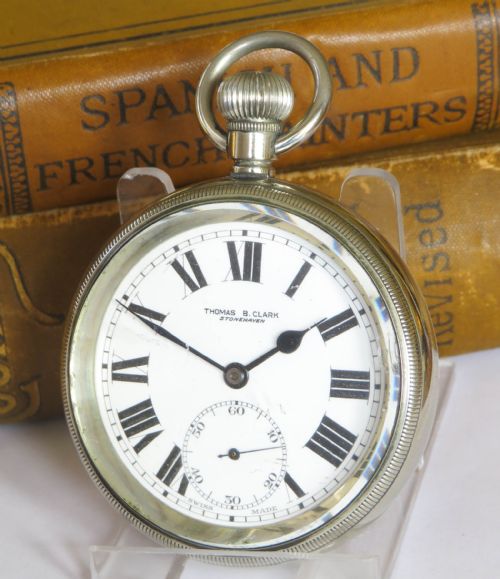
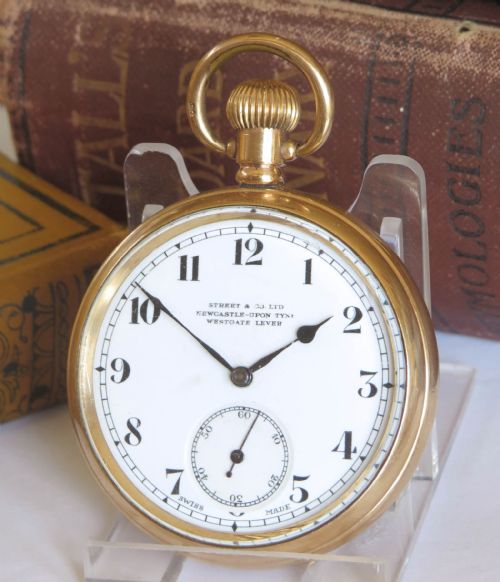
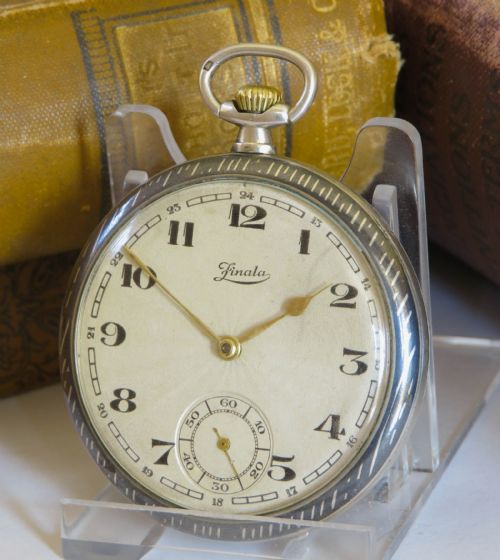
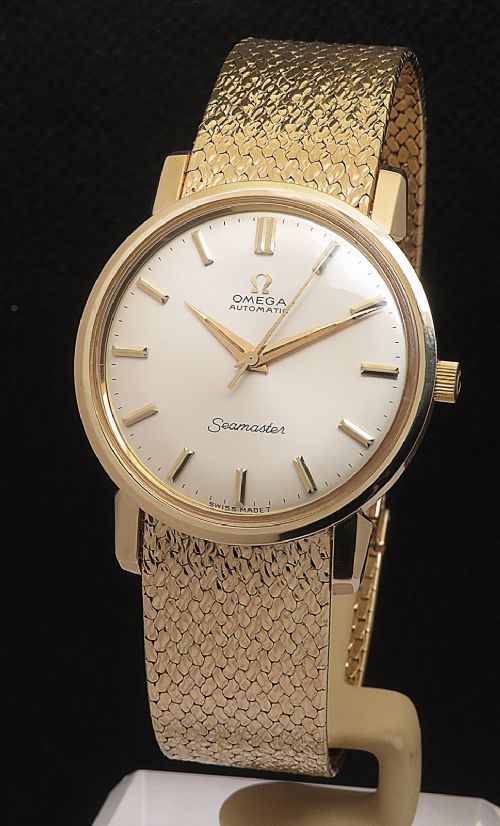
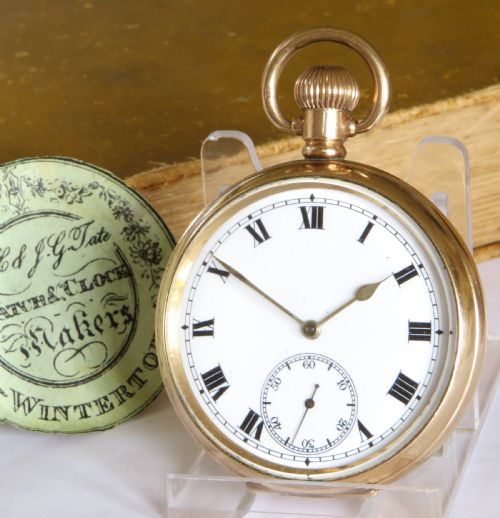
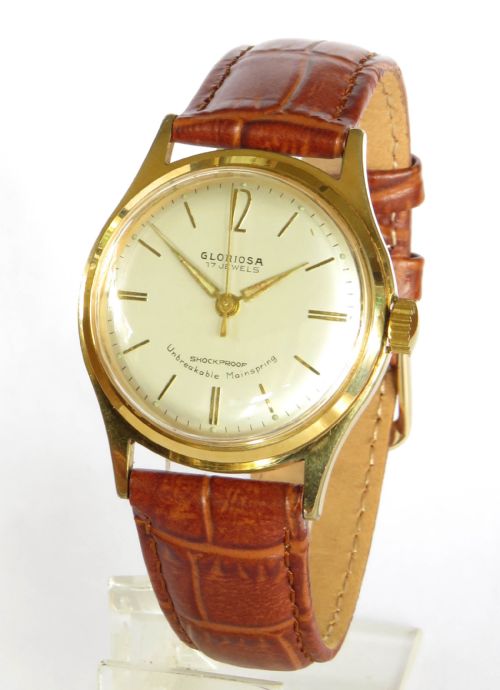
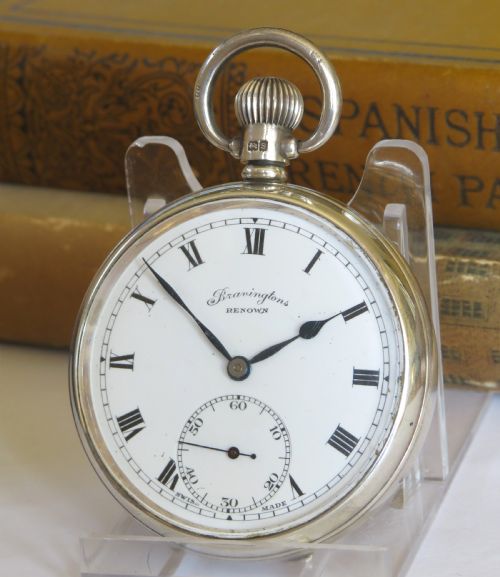
When you search for a gentlemans dress watch, you encounter a selection spanning wristwatches, pocket watches, and even specialised items like walking sticks housing timepieces. The pieces range from nineteenth-century items to mid-century examples, capturing distinct eras of horological design.
The wristwatches on offer frequently display the clean geometric lines of Art Deco or the streamlined aesthetics of Mid-Century Modern styling. Pocket watches also appear regularly, showing stem winding mechanisms and traditional case configurations.
Origins and makers vary widely across the inventory, incorporating British retailers alongside Swiss workshops. Buyers meet names such as Omega, Longines, and Smiths, representing both pocket and wrist formats.
Materials and construction
Cases utilise a variety of metals including solid gold, gold plate, stainless steel, silver, brass, and white gold. Dial protection relies on glass, while pocket watch faces often feature detailed enamel work.
Movements incorporate stem winding mechanisms and delicate mechanical gearing housed within precious metal or steel enclosures. Accompanying elements include leather straps and specialised components such as snakewood for walking sticks.
Gentlemans Dress Watch Retail Price Guide 2026
Typical asking prices for gentlemans dress watch among the pieces listed under this phrase on Sellingantiques today, from the lower quarter to the upper quarter. They describe what is for sale here now, not the wider market.
Listings span the nineteenth century through the 1960s, featuring materials from glass and enamel to solid gold and snakewood.
Factors of distinction
Quality differences emerge in the fineness of the case materials, from heavy solid gold housings to base metal plating. The complexity and reputation of the underlying movement also set examples apart.
Condition and completeness play a significant role, with original boxes, papers, and recent servicing elevating specific pieces. Dial execution, such as intricate engine turning or niello decoration, further distinguishes finer specimens.
Longines·Revue·Minerva·Silvana·Omega·Bravingtons·Tavannes·Smiths·Zenith
The Gentlemans Dress Watch Glossary
- Stem winding
- A method of winding the mainspring via the crown at the top of the pocket watch rather than a separate key.
- Engine turned
- A decorative mechanical pattern carved into metal cases or dials using a specialised lathe.
- Niello
- A black metallic alloy used to fill engraved designs on silver or other metal surfaces.
- Open faced
- A pocket watch design without a hinged metal cover protecting the glass dial.
Gentlemans Dress Watch: Frequently Asked Questions
How do I wind a pocket watch?
Pocket watches with stem winding mechanisms require turning the crown gently between your thumb and forefinger until resistance is felt. Avoid overwinding, as this can damage the internal spring.
Keep the watch upright while winding to ensure the internal components align correctly during the process.
Are these watches suitable for daily wear?
Many vintage wristwatches function well for regular use provided they receive proper care and routine servicing. However, older mechanical movements lack modern water resistance and shock protection.
Treat them with care around moisture and physical impacts to preserve their delicate internal mechanisms.
What is the difference between open faced and hunter pocket watches?
Open faced pocket watches display the dial directly beneath the glass without any protective metal cover over the front. This allows quick time-reading at a glance.
Hunter pocket watches feature a spring-loaded metal lid that shields the glass face, opening via a button on the crown.
How do I date a vintage watch?
Dating relies on hallmarks stamped into precious metal cases, serial numbers on the movement, and stylistic indicators such as Art Deco or Mid-Century Modern design cues. Maker signatures also provide chronological context.
Comparing these details with historical records helps narrow down the decade of production.