



Garnet Cluster Jewellery
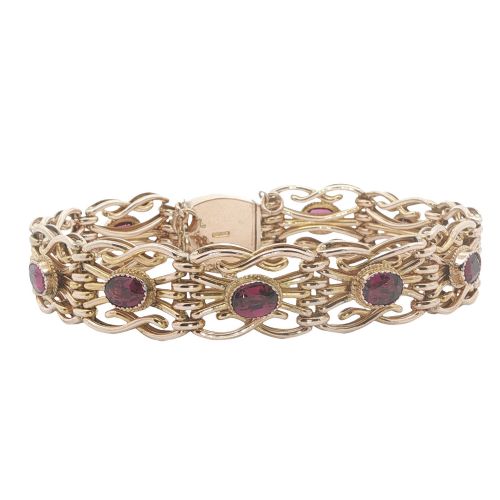
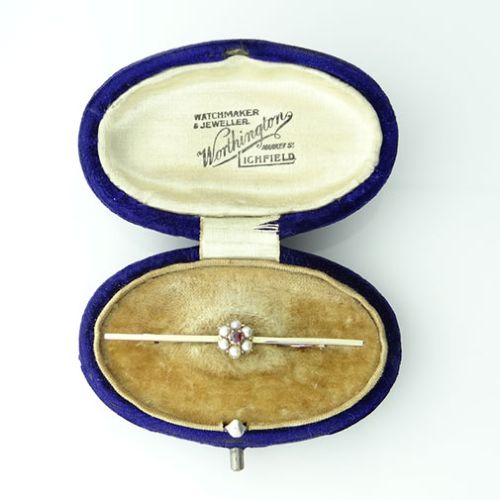
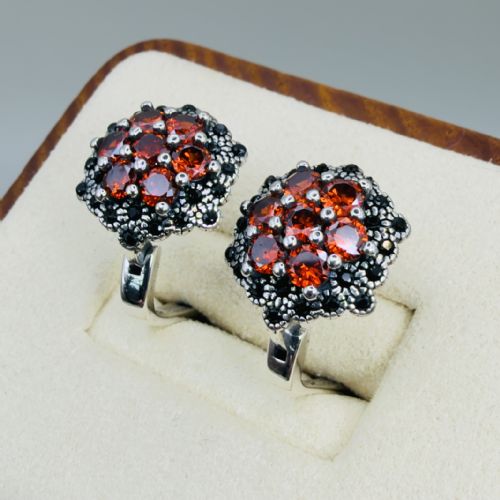
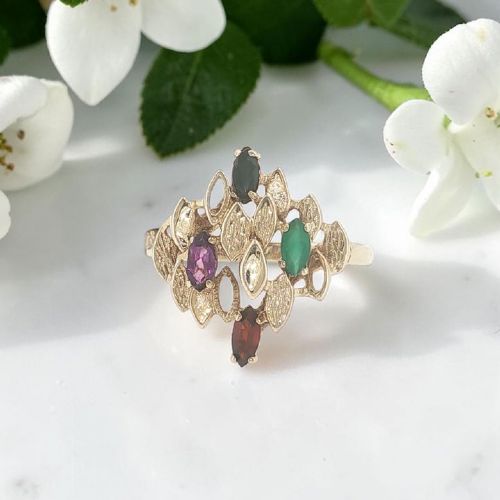
Garnet cluster jewellery brings together deep red stones in rings, brooches, and earrings that span the Victorian era to the mid-century.
Garnet Cluster Jewellery
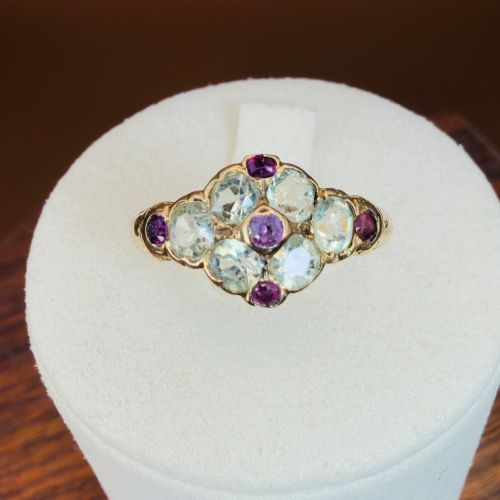
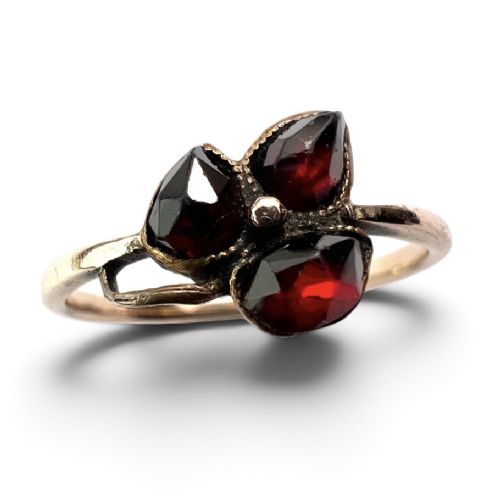
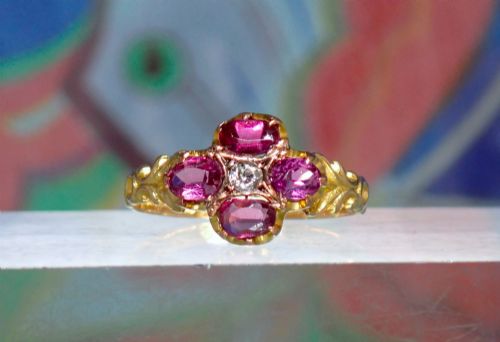
Garnet cluster jewellery unites groups of rich red gemstones, often shaped as flower heads, halos, or tight geometric groupings. Buyers exploring garnet cluster jewellery find forms ranging from antique Victorian rings and fringe necklaces to mid-century earrings and brooches.
The selection on this page draws heavily from Victorian and Edwardian origins, alongside vintage pieces from the 1950s and 1960s. Rings and stud earrings appear most frequently, accompanied by pendants, bracelets, and dress brooches.
How they were made
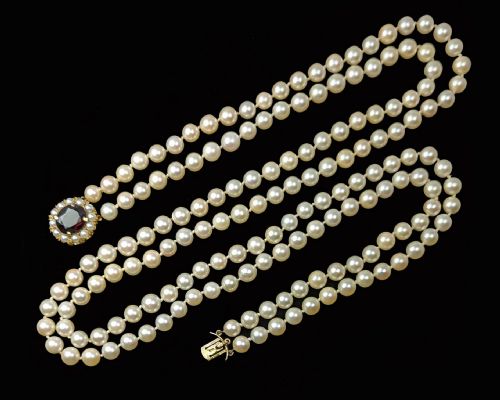
Makers integrated supporting gems such as diamonds, seed pearls, and opals directly into the clusters. Setting techniques include closed-back foils in older Bohemian work and open settings that allow light to pass through almandine and mandarin garnets.
Garnet Cluster Jewellery Retail Price Guide 2026
Typical asking prices for garnet cluster jewellery among the pieces listed under this phrase on Sellingantiques today, from the lower quarter to the upper quarter. They describe what is for sale here now, not the wider market.
Listings here span multiple periods, ranging from Georgian and Victorian items through Edwardian designs to 1950s and 1960s vintage pieces.
What varies in quality
The choice of gold purity and secondary stones dictates much of the distinction across these pieces. Solid 15ct and 18ct gold settings paired with fine diamonds or natural pearls occupy the upper tier, contrasted against simpler 9ct gold or silver-gilt mounts.
Stone selection also separates standard production from finer examples, with specific varieties like demantoid, tsavorite, and mandarin garnets commanding attention alongside deep almandine and carbuncle stones. The precision of the cluster arrangement and the integrity of the original settings complete the picture.
The Garnet Cluster Jewellery Glossary
- Almandine garnet
- A deep red variety of garnet rich in iron and aluminium, frequently seen in Victorian cluster rings and brooches.
- Seed pearl
- A very small natural or cultured pearl used to accent flower heads and borders in antique and vintage clusters.
- Carbuncle
- A garnet cut with a cabochon, or rounded, un-faceted top, popular in mid-nineteenth-century brooches and rings.
- Silver gilt
- Sterling silver that has been coated with a thin layer of gold, common in Austro-Hungarian cluster earrings.
Garnet Cluster Jewellery: Frequently Asked Questions
How do I care for antique garnet jewellery?
Clean these pieces gently with a soft cloth and avoid harsh chemical dips or ultrasonic cleaners, which can damage softer seed pearls or foil backs.
Store them separately in lined boxes to prevent the hard garnet facets from scratching neighbouring items.
Are all red cluster rings Victorian?
Whilst the Victorian era produced a vast quantity of garnet clusters, makers continued crafting them through the Edwardian period and well into the 1950s and 1960s.
Examining the gold hallmarks, metal purity, and setting style helps determine whether a piece is antique or mid-century vintage.
What is Bohemian garnet jewellery?
Bohemian pieces originate from the region historically known as Bohemia, where small, rose-cut pyrope garnets were set closely together in dense floral or geometric clusters.
These items often feature distinctive massed red stones mounted in low-carat gold or gilded base metals.
Can I wear a garnet cluster ring daily?
Garnets are durable stones suitable for regular wear, but antique cluster settings with delicate claws or seed pearls require mindful care.
Removing rings before heavy lifting, gardening, or swimming preserves the structural integrity of the prongs and any secondary gems.