





Garden Sculpture Pairs
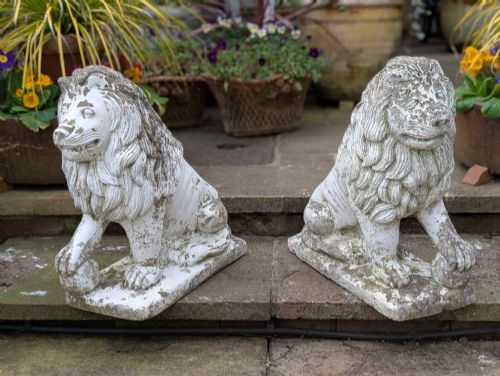
Garden sculpture pairs bring symmetry to open grounds, offering matching figures cast in stone, iron, terracotta, and lead.
Garden Sculpture Pairs
Garden sculpture pairs supply balanced focal points for gates, terraces, and pathways, uniting form and setting through matched design. These symmetrical arrangements shape outdoor spaces by framing views and marking boundaries with deliberate placement.
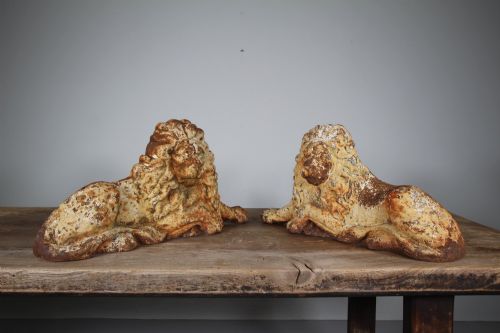
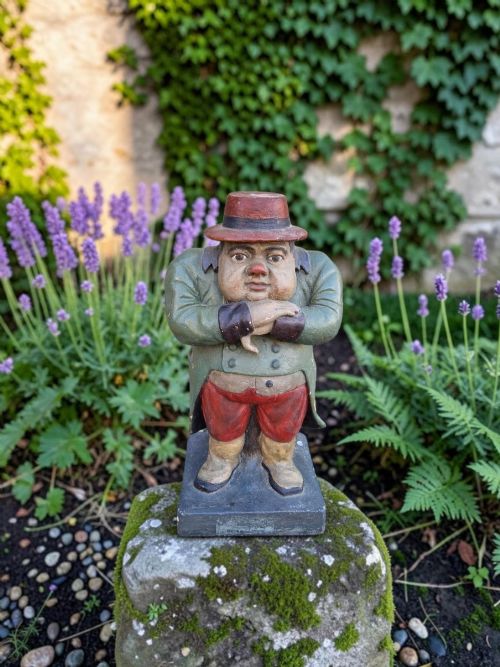
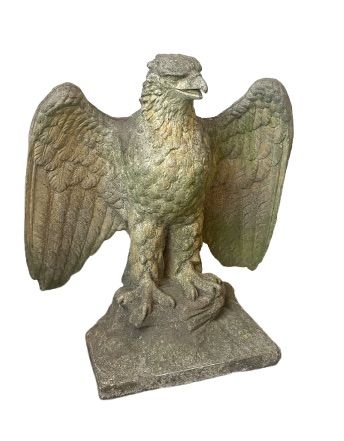
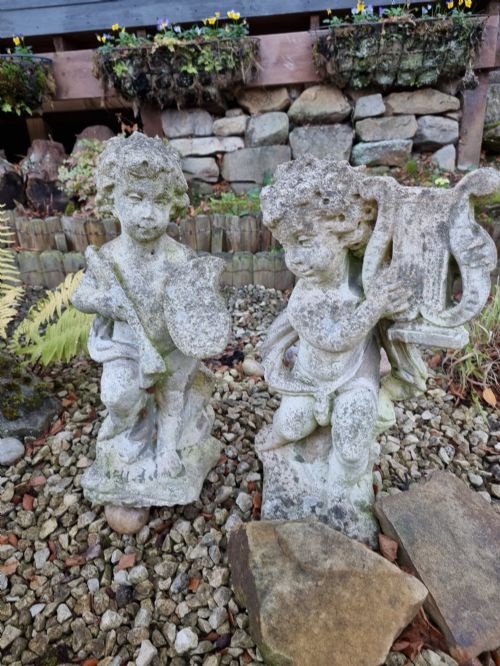
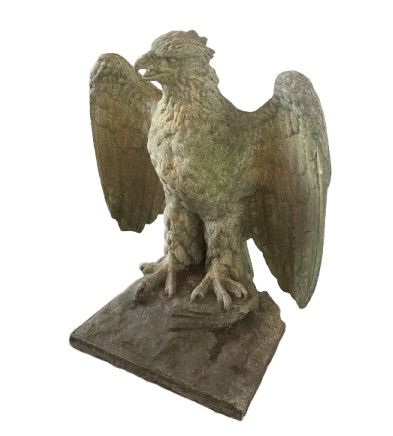
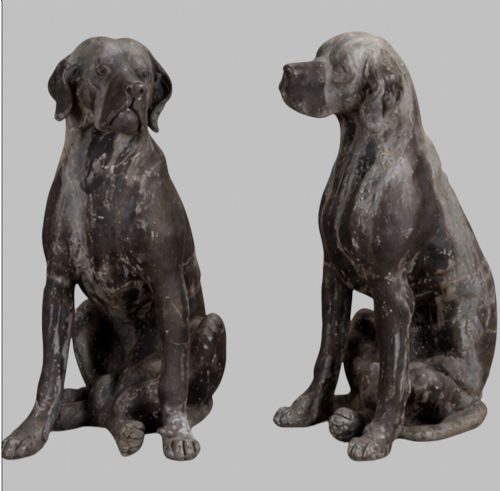
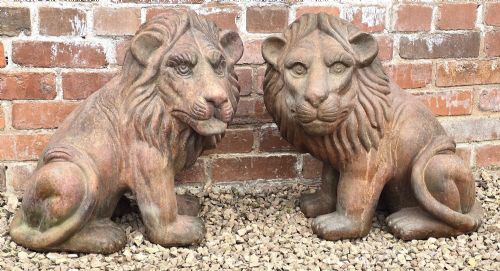
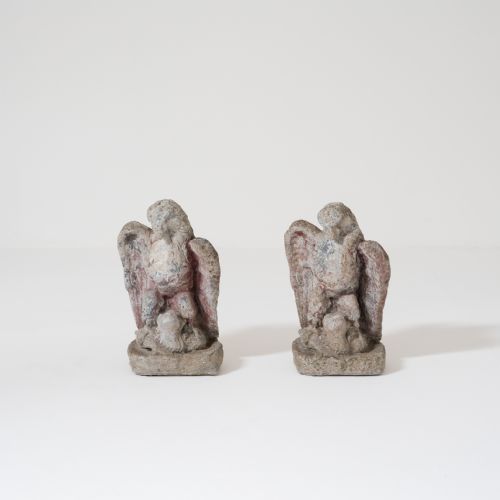
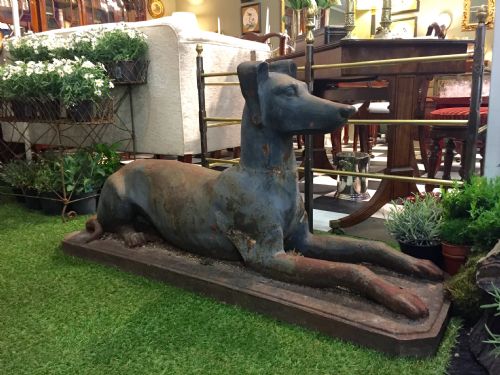
Lions dominate the selection, appearing across multiple periods in terracotta, stone, and cast iron. Buyers also encounter eagles, hounds, storks, gnomes, putti, and architectural finials designed to sit atop piers and plinths.
The objects span from the eighteenth century through the mid-twentieth century, drawing on neoclassical, Victorian, Edwardian, and Italianate traditions. Materials range from hand-sculpted marble and terracotta to cast lead, iron, and various stone compositions.
Materials and methods
Foundries and workshops shaped metals through casting, utilising iron and lead to capture sharp anatomical details in figures like hounds, cranes, and cannons. Moulds allowed makers to produce uniform pairs designed to withstand outdoor exposure.
Potteries and kilns fired clay at high temperatures to create terracotta and salt-glazed figures, building durable forms that weathered naturally over decades. Artisans also hand-sculpted stone and marble directly, cutting dense blocks into monumental lions and architectural finials.
Garden Sculpture Pairs Retail Price Guide 2026
Typical asking prices for garden sculpture pairs among the pieces listed under this phrase on Sellingantiques today, from the lower quarter to the upper quarter. They describe what is for sale here now, not the wider market.
Qualities of craftsmanship
Material density and the integrity of the casting or carving dictate longevity against frost and moisture. Pieces cast with thick walls or carved from sound stone maintain structural stability and surface character as weathering occurs.
Henri Jaquesmart·Hurlford Kilmarnock
The Garden Sculpture Pairs Glossary
- Pier finial
- An architectural ornament placed on top of a gate pier or pillar. These decorative elements terminate vertical masonry structures.
- Terracotta
- Fired clay moulded into sculptural forms. This ceramic material acquires a warm earthy tone and porous surface texture over time.
- Cast lead
- Molten metal poured into moulds to create heavy statuary. This technique produces durable garden figures with fine detail.
- Neoclassical
- A style drawing on classical Greek and Roman art. Sculptures in this manner emphasise restraint, symmetry, and classical motifs.
Garden Sculpture Pairs: Frequently Asked Questions
Where should garden sculpture pairs be placed?
These pieces suit positions that demand visual balance, such as flanking stone steps, guarding driveway entrances, or terminating long garden vistas.
Placing them on matching plinths or pier caps raises their height and protects the material from direct ground moisture.
How do I care for cast iron garden pairs?
Cast iron requires periodic inspection for surface oxidation, particularly around joints and base sections where moisture collects.
Applying protective coatings suited to outdoor metalwork prevents deep corrosion while preserving the historical patina.
What periods do these sculptures cover?
The available pieces primarily span the nineteenth and early twentieth centuries, encompassing Victorian, Edwardian, and Georgian eras.
Stylistic cues such as neoclassical proportions and Victorian manufacturing methods help distinguish these periods.
Are terracotta sculptures frost-resistant?
Terracotta durability depends on the firing temperature and the density of the clay body used during production.
Well-fired nineteenth-century terracotta withstands outdoor conditions well, though severe winter freezes require monitoring or protective covering.