



Gallery Wall Framed Art
Gallery wall framed art brings together collections of antique watercolours, botanical engravings, and period paintings ready to hang.
Gallery Wall Framed Art
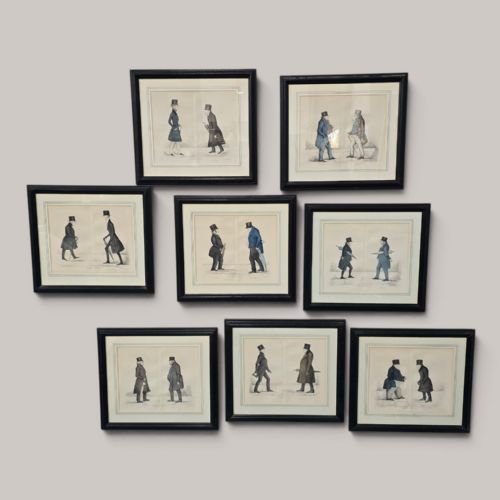
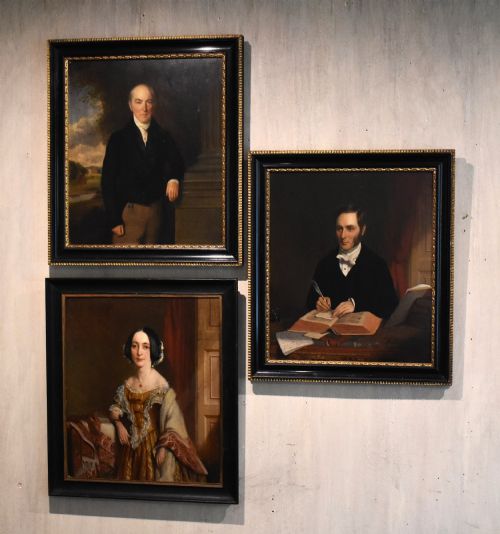
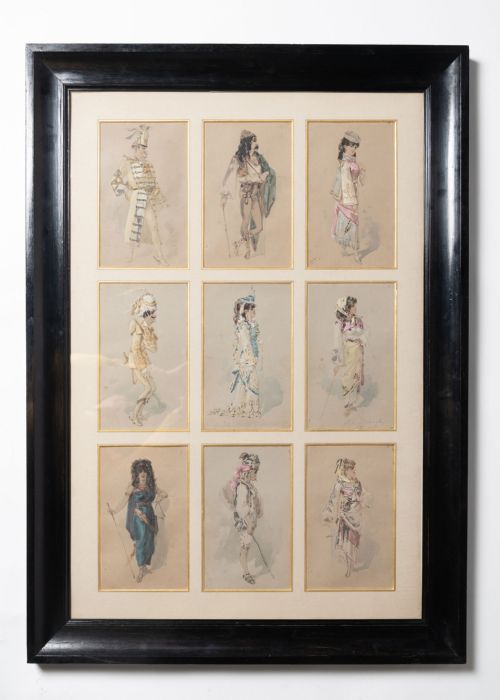
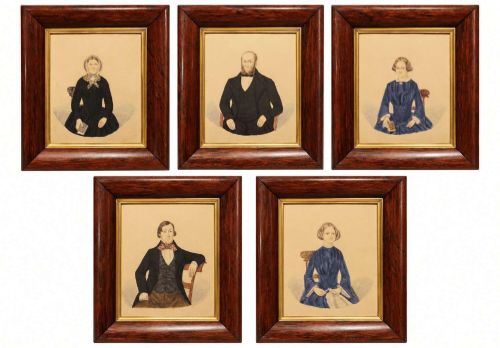
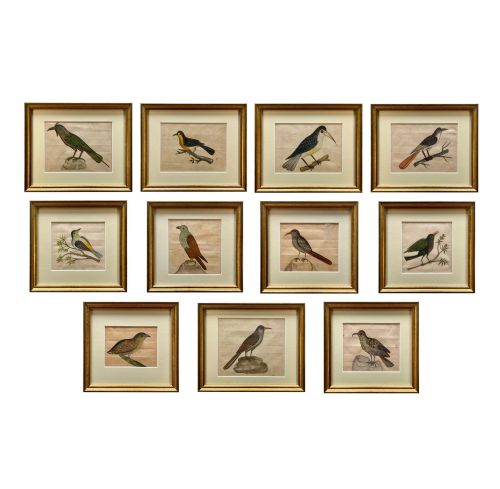
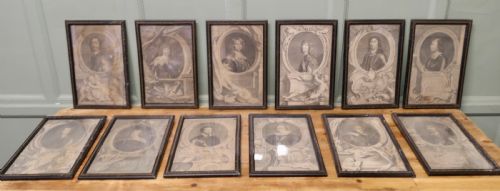
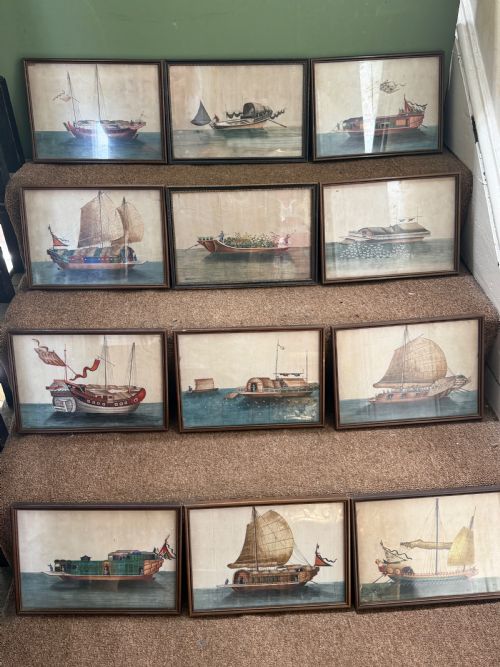
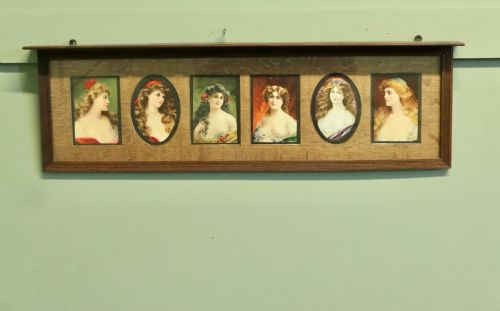
Gallery wall framed art consists of curated groups of pictures designed to be displayed together to create a visual focal point in a room. These groupings frequently take the form of matching sets, such as botanical engravings, bird studies, or historical portraits produced in series.
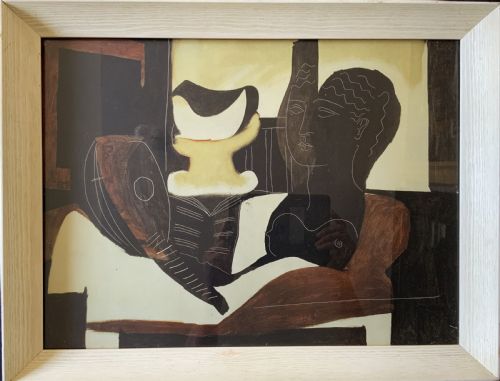
The pieces available span multiple centuries, ranging from eighteenth-century prints to mid-century modern abstracts and later lithographs. Buyers most commonly encounter matched sets of nineteenth-century watercolours, engravings, and gouache paintings that share uniform framing styles.
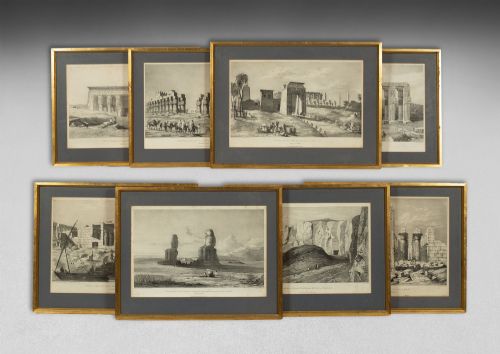
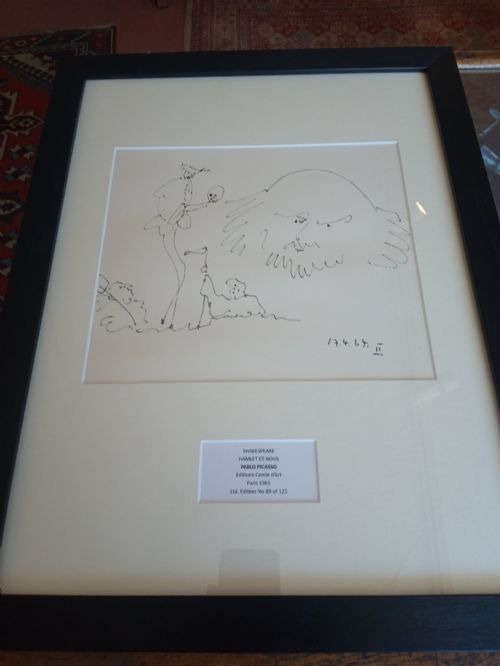
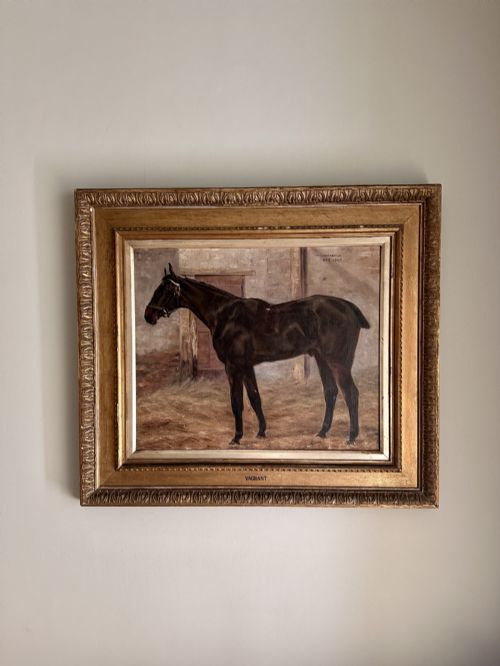
Subjects range widely across natural history, equine portraiture, topographical views, and classical portraiture. This variety allows collectors to assemble cohesive displays that reflect specific historical periods or botanical themes.
How they were made
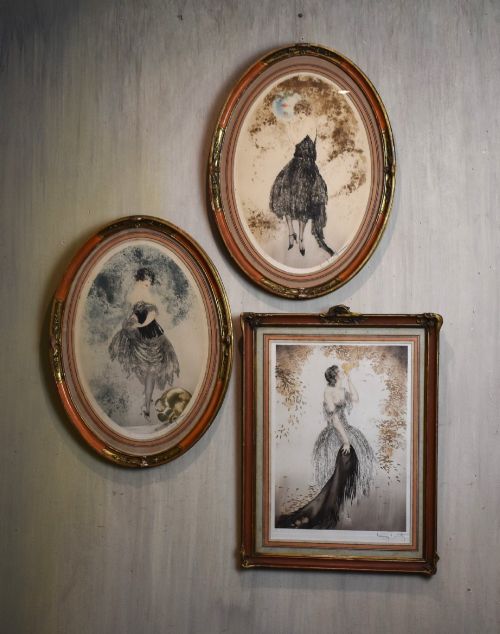
Works on paper rely on traditional techniques such as hand-tinted engraving, mezzotint, etching, and delicate watercolour or gouache applied by hand. Wood and gilt wood feature heavily in the protective frames that house these works, often complemented by original glass glazing.
Selected pieces incorporate specialised artistic methods, including multi-plate colour printing and intricate marquetry combined with silver-gilt. Pigments and inks were applied to quality paper substrates designed to endure over centuries of display.
Gallery Wall Framed Art Retail Price Guide 2026
Typical asking prices for gallery wall framed art among the pieces listed under this phrase on Sellingantiques today, from the lower quarter to the upper quarter. They describe what is for sale here now, not the wider market.
Early nineteenth-century ornithologists clearly had infinite patience when hand-tinting every single feather on those Indian birds.
What varies in quality
Quality rests upon the precision of the original printing or painting technique and the preservation of the paper surface. Crispness of line in early engravings and vibrancy of pigment in watercolours separate superior examples from faded or blurred impressions.
The integrity of the framing materials also dictates overall standard, particularly where original gilt wood, glass, and period mountings remain intact. Coherency within a set significantly elevates the desirability of a collection intended for unified display.
Fred Fitzpatrick·Pablo Picasso·Louis Icart·Thomas G Appleton·Simon François Ravenet·A.J Rowley
The Gallery Wall Framed Art Glossary
- Mezzotint
- A printmaking process of the intaglio family where the plate is roughened to produce tones of grey and black. This technique allows for rich, velvety dark areas and subtle tonal gradations.
- Gouache
- An opaque water-based pigment mixed with a white filler, producing heavier and more saturated colours than standard watercolour. It is frequently identified in period landscape and animal paintings.
- Engraving
- A method of cutting a design into a hard plate using a burin, resulting in precise and clean lines when printed onto paper. Hand-tinted versions have added watercolour washes applied after printing.
- Lithograph
- A planographic printing process based on the repulsion of oil and water, widely utilised for twentieth-century art prints. It permits faithful reproduction of painterly textures and vibrant hues.
- Marquetry
- The art and craft of applying pieces of veneer to a structure to form decorative patterns, seen in specialised wall mirrors and frames. It utilises natural grain variations in wood to create pictorial designs.
Gallery Wall Framed Art: Frequently Asked Questions
How do I hang a gallery wall?
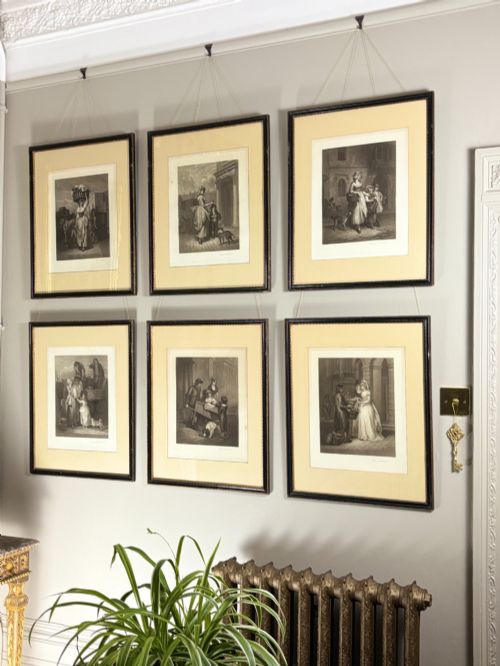
Begin by laying the framed pictures out on a large flat surface or the floor to establish a balanced arrangement before putting any fixings into the wall. Maintain consistent spacing between frames to ensure the diverse subjects read as a unified collection.
Consider the eyeline of the room and anchor the display with a larger central piece if you are combining multiple smaller engravings or watercolours. Using matching frame materials, such as dark wood or gilt, helps disparate periods sit comfortably together.
Are these sets complete?
Many listings comprise original grouped sets, such as series of twelve botanical studies, eight equestrian prints, or matched portrait portfolios. These were often published together in volumes or portfolios during the eighteenth and nineteenth centuries.
Checking the specific item description will confirm the exact count of pieces included in the set. Keeping a matched series together preserves both the historical integrity and the visual impact of the display.
How do I date antique frames?
Frame dating relies on construction methods, corner joinery, wood types, and the composition of the gilding or finish. Eighteenth and nineteenth-century frames often feature hand-carved wooden mouldings and older glass types with natural imperfections.
Backboards, old backing paper, and period framer trade labels also provide reliable evidence for dating. Many pieces retain their original frames, which adds significantly to their historical character.
Can I mix different art periods?
Combining different eras is standard practice when building a gallery wall, as long as a shared element ties the selection together. Pairing eighteenth-century botanical engravings with mid-century abstract prints creates a layered, collected-over-time aesthetic.
Focus on unifying elements such as palette, subject matter, or frame style to bridge centuries. Monochrome prints or uniform mount boards provide a natural bridge between contrasting historical periods.