



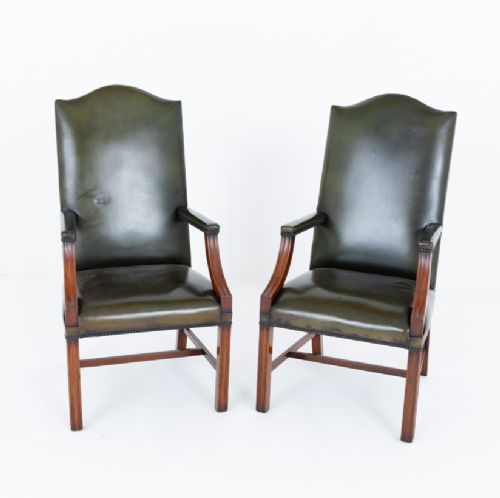


Gainsborough Desk Chair
A gainsborough desk chair is a wide upholstered armchair designed for writing desks, combining firm support with formal elegance.
Gainsborough Desk Chair
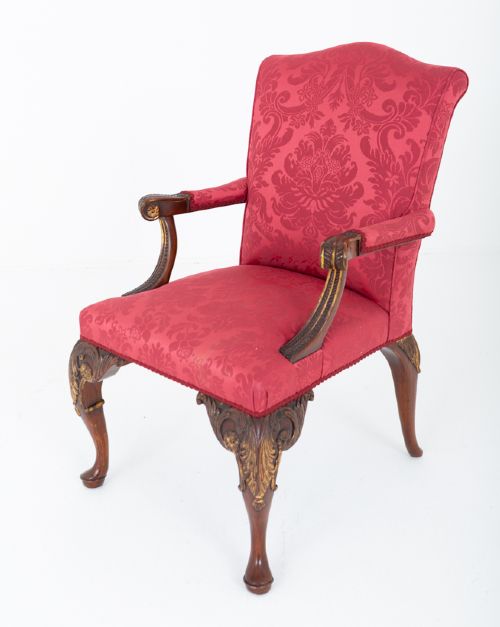
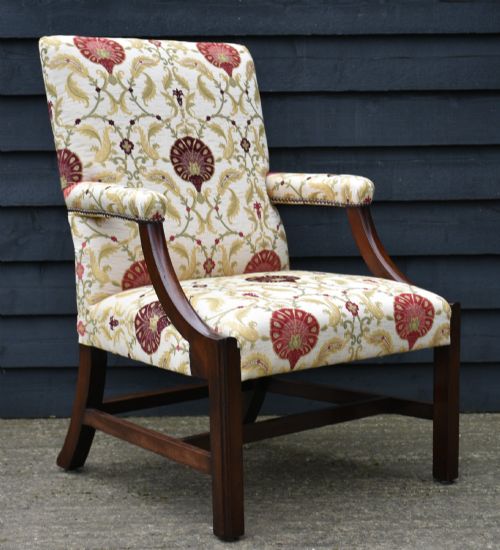
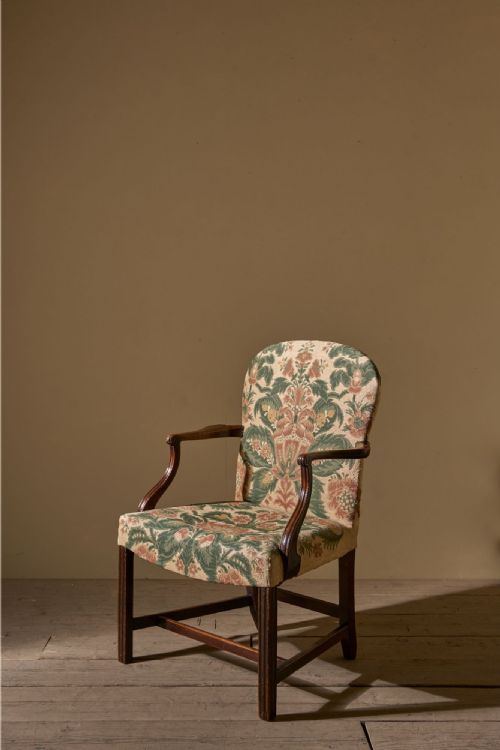
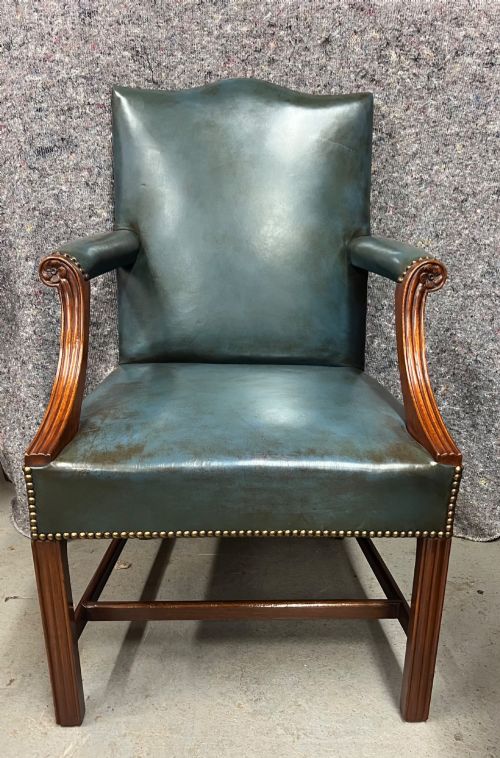
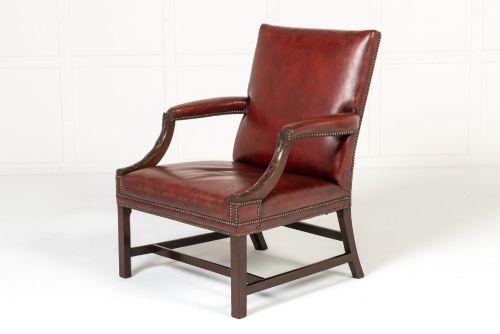
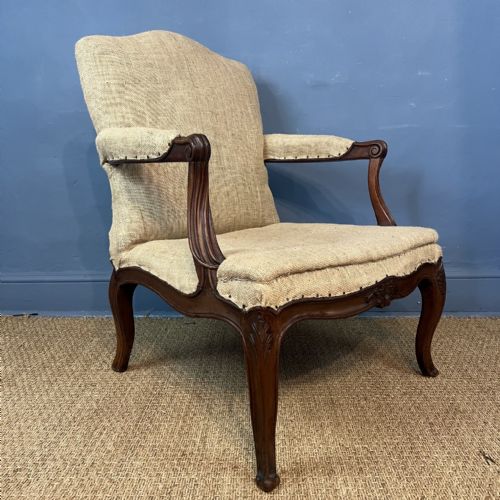
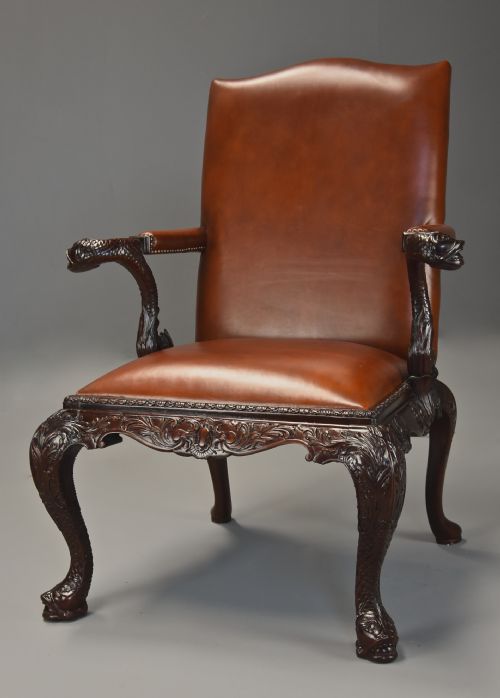
A gainsborough desk chair provides a generous open armchair form with upholstered seat, arms and back, standing on short legs. These chairs originate in the eighteenth century during the Georgian period and appear in later revival styles.
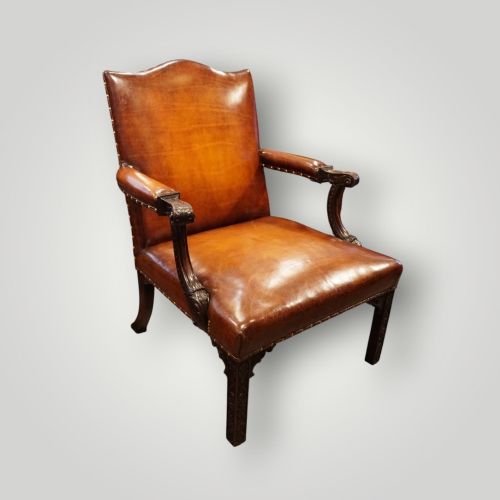
The version most commonly met on this page is the mahogany framed model upholstered in leather or fabric. Examples range from eighteenth century originals to later nineteenth and early twentieth century revivals reflecting George II and George III designs.
How They Were Made
Frames are constructed primarily from solid mahogany or walnut, shaped with open arms and upholstered backs designed to sit comfortably at a library table or partner's desk. Joinery follows traditional cabinet-making methods appropriate to each period.
Upholstery materials include hand-dyed English hide leather, tapestry fabric, velvet, Hessian and various decorative textiles. Brass nail trim often secures the leather edges to the wooden framework.
Gainsborough Desk Chair Retail Price Guide 2026
Typical asking prices for gainsborough desk chair among the pieces listed under this phrase on Sellingantiques today, from the lower quarter to the upper quarter. They describe what is for sale here now, not the wider market.
Listings feature mahogany and walnut frames paired with leather, tapestry, velvet and fabric upholstery across multiple centuries.
What Varies in Quality
The refinement of the carved woodwork distinguishes different examples, from plain mahogany frames to elaborate Chippendale style blind carving along the rails and legs. Wood selection and depth of colour in the timber also influence the character of each piece.
The choice and execution of the upholstery material significantly alter the presentation, ranging from simple fabric covers to deep hand-dyed leather secured with individual brass tacks. The proportion between the width of the arms and the height of the back defines the visual balance of the silhouette.
Howard and Son's·Gillows
The Gainsborough Desk Chair Glossary
- Gainsborough chair
- A wide, upholstered open armchair with a high back and short legs, traditionally used for writing or reading.
- Chippendale style
- A decorative manner inspired by eighteenth century cabinet maker designs, known for carved mahogany and detailed fretwork.
- George II period
- An era spanning the mid eighteenth century characterised by substantial proportions and robust carved wooden details.
- Blind carving
- Carved ornamentation applied to the flat surface of a wooden rail without piercing right through the timber.
- Library armchair
- A comfortable upholstered seat designed for prolonged reading or clerical work within a study or library.
Gainsborough Desk Chair: Frequently Asked Questions
What is a gainsborough desk chair used for?
A gainsborough desk chair provides a comfortable seating option designed specifically for use at a writing table or library desk. The open arm design allows the user to sit close to the desk while the upholstered back offers support during writing.
Historically these chairs were placed in libraries and studies where gentlemen and ladies attended to correspondence. Today they function practically at working desks or serve as occasional seating in reception rooms.
How can I tell a period chair from a revival?
Distinguishing an eighteenth century original from a later revival involves examining the construction methods, timber ageing and tool marks visible on the underside of the frame. Eighteenth century pieces show specific hand-working characteristics appropriate to that era.
Revival pieces produced during the nineteenth and early twentieth centuries often adopt earlier styles like George II or Chippendale designs while utilising nineteenth or twentieth century hardware and timber preparation techniques.
What woods are used for these chairs?
Mahogany is the primary timber found in these chair frames, frequently chosen for its strength and rich warm grain. Walnut also appears across several nineteenth century and revival examples.
The choice of timber often corresponds to the period of manufacture, with eighteenth century pieces relying heavily on dense Santo Domingo or Cuban mahogany before later periods shifted to alternative sources.
How do I live with a leather chair?
Leather upholstered gainsborough chairs require regular light dusting and occasional conditioning to maintain the suppleness of the hide. Keeping the leather away from direct heat sources prevents drying and cracking over time.
Hand-dyed leather develops a natural patina through daily use, making small scuffs part of the character of an antique or vintage seating piece.