


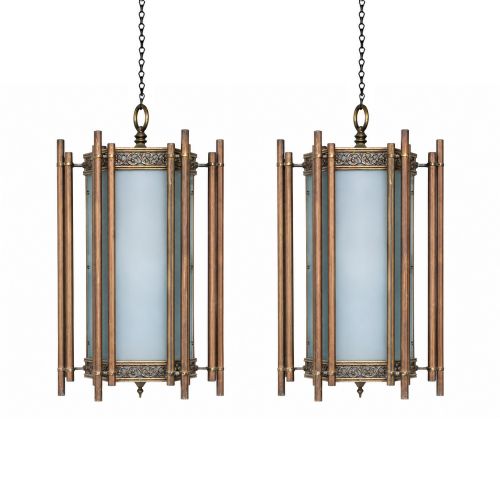
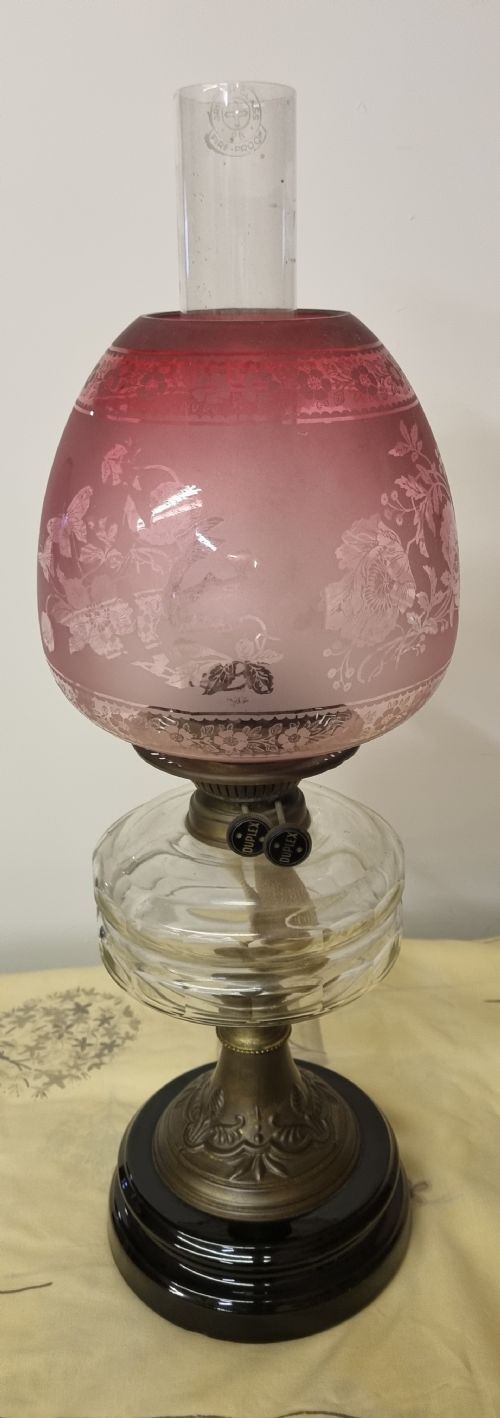
Frosted Glass Lighting
Frosted glass lighting diffuses a soft, even glow through tactile shades, bringing warmth and character to traditional and modern interiors alike.
Frosted Glass Lighting
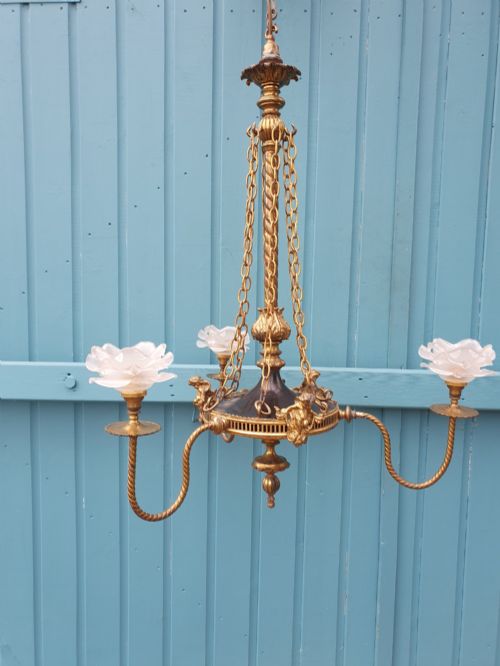
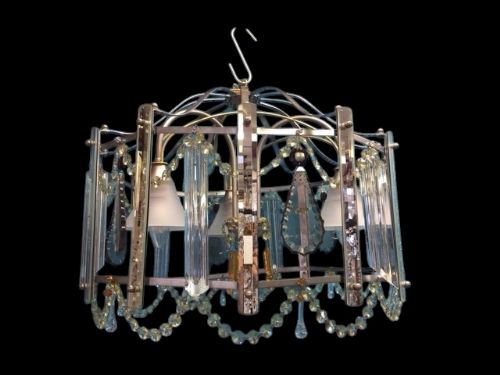
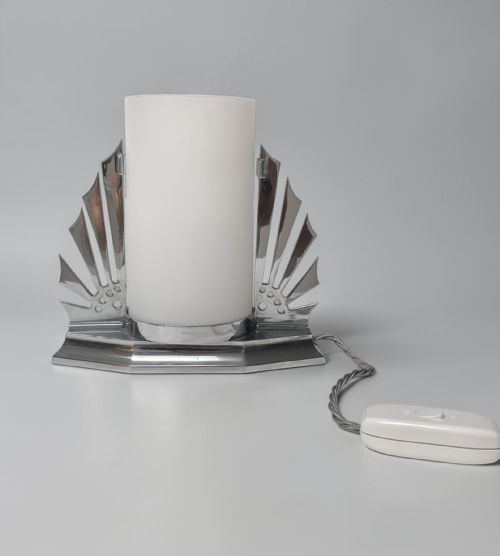
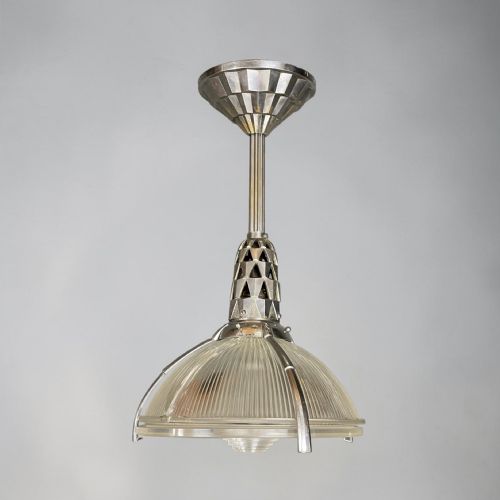
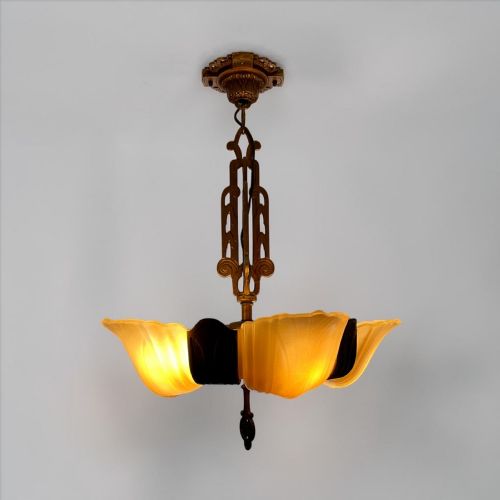
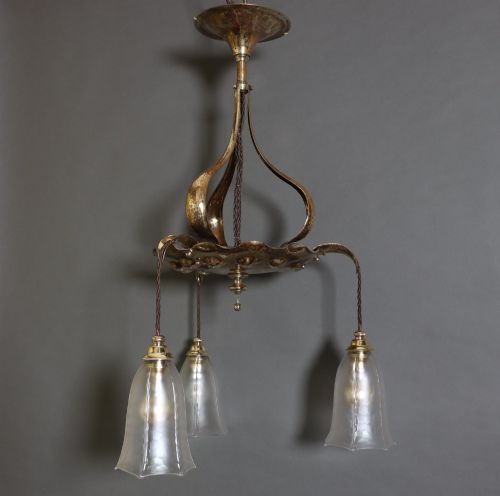
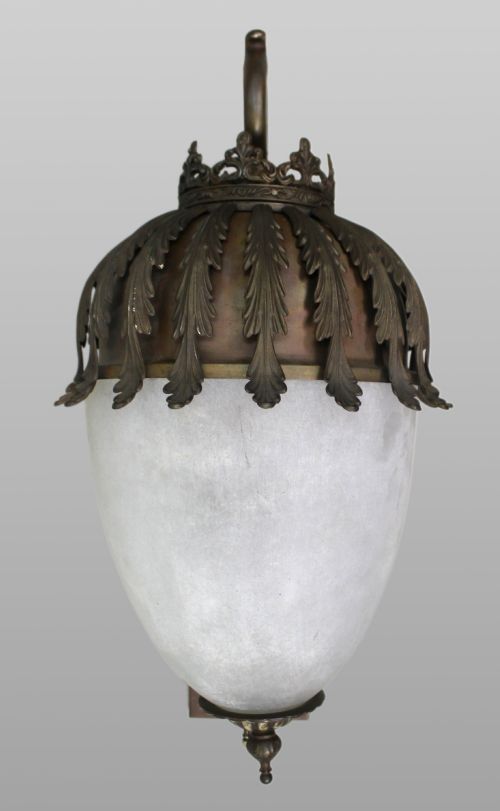
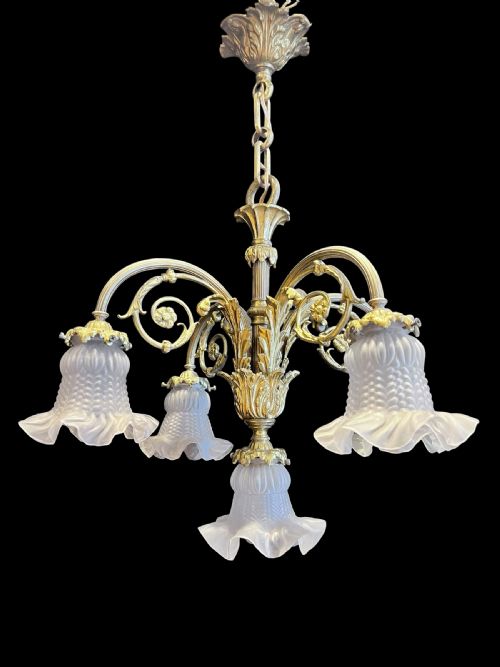
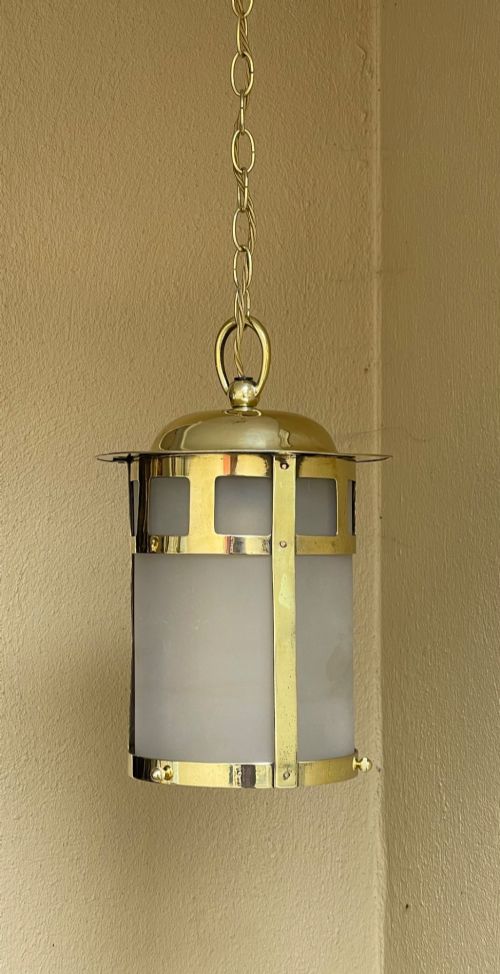
Buyers seeking frosted glass lighting encounter a wide spectrum of forms, ranging from utilitarian oil lamps to grand chandeliers and wall sconces. The selection draws heavily on Victorian, Edwardian, and Art Deco periods, capturing shifts in domestic interior design.
Table lamps, pendant lights, and ceiling fixtures dominate the options, often paired with metal mounts in brass, chrome, or gilt bronze. Pieces span the late nineteenth century through the interwar years, reflecting changing domestic illumination needs.
How frosted glass lighting was made
Makers combined glassblowing and moulding techniques with acid-etching or sandblasting to achieve the characteristic opaque surface of frosted glass shades. These diffusers were paired with structural elements forged from brass, bronze, copper, and cast iron.
Decorative mountings incorporated applied metalwork, such as gilt or ormolu detailing, alongside ceramic components and hand-cut crystal accents to secure and frame the glass elements.
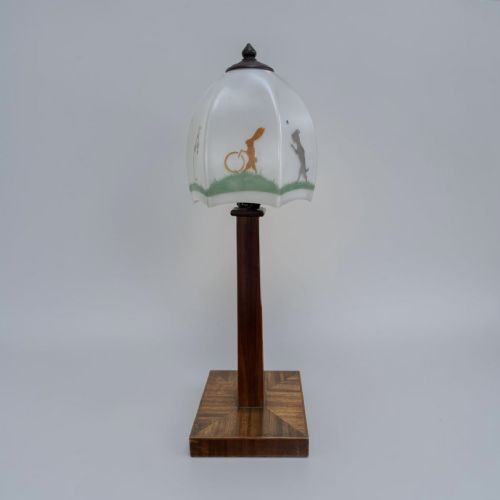
Some Art Deco desk companions take the surprising form of novelty dog and parrot table lamps.
What varies in quality
Quality rests in the weight and purity of the glass, the crispness of the acid-etched decoration, and the substance of the underlying metal chassis. Heavy cast brass or bronze frames hold their alignment better than stamped sheet metal.
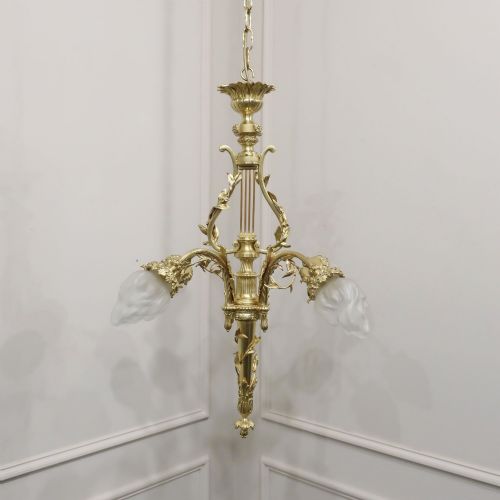
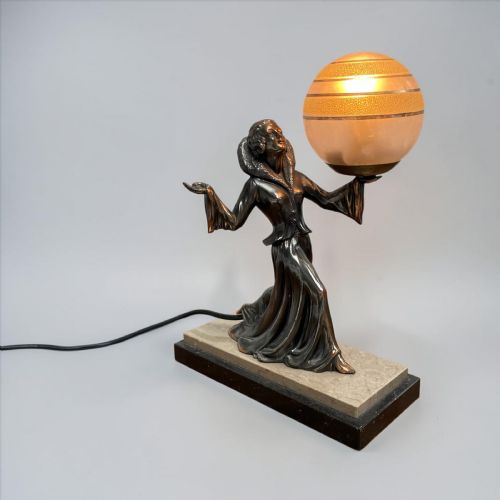
The sophistication of the design execution, from sculptural figural table lamps to balanced neoclassical torch wall lights, distinguishes standard utility fittings from ambitious workshop output.
Émile-Jacques Ruhlmann·Maison Jansen·Andre Arbus·F&C Osler
The Frosted Glass Lighting Glossary
- Frosted glass
- Glass treated by acid-etching or sandblasting to create a textured, opaque surface that softens light output.
- Ormolu
- Gilt bronze mounts cast and chased with ornamental detail, commonly found on nineteenth-century and neoclassical fixtures.
- Slip shade
- A moulded glass shade designed to slot directly into a metal frame, prevalent in Art Deco lighting design.
- Font
- The oil reservoir section of a traditional lamp, frequently rendered in coloured or frosted glass above a metal base.
- Pendant light
- A hanging luminaire suspended from the ceiling by a chain, cord, or rigid metal rod.
Frosted Glass Lighting: Frequently Asked Questions
How do I date frosted glass lighting?
Dating relies on stylistic markers and manufacturing techniques visible in both the glass shade and the metal mount. Victorian and Edwardian pieces often feature heavy brass work and oil lamp conversions, while Art Deco designs favour geometric slip shades and chrome.
Examining fixing screws, wiring channels, and the method of glass frosting provides further clues to the period of manufacture.
Can antique glass lighting use modern bulbs?
Most antique fixtures accommodate modern LED or standard bulbs once the internal lampholder has been professionally updated to meet current electrical standards. Rewiring preserves the historic exterior while ensuring safe operation in a modern home.
Consulting a qualified electrician ensures that weight limits and heat dispersion match the capacity of the original metal frame.
Where should I place a wall sconce?
Wall sconces suit flanking positions beside mirrors, fireplaces, or architectural doorways to provide balanced secondary illumination. Placing them at eye level helps distribute a soft, diffused glow across the room without creating harsh shadows.
Ceiling height and room proportions dictate the precise vertical placement for optimal aesthetic balance.
What is an oil lamp conversion?
An oil lamp conversion involves adapting a nineteenth-century liquid-fuel burning fixture to run on electricity. This process typically retains the original glass font, burner collar, and frosted shade while housing a concealed wiring path.
Such adaptations allow historical lighting forms to function as table lamps or pendant lights in contemporary settings.