

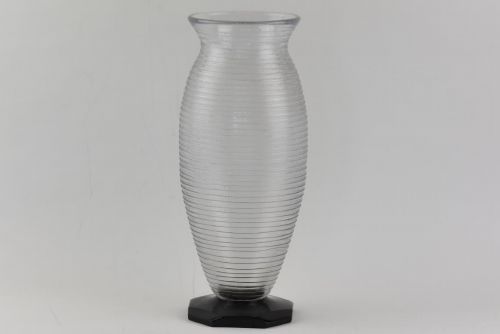


Frosted Glass Flower
Frosted glass flower pieces are sculptural floral designs brought to life in tactile, light-diffusing glass.
Frosted Glass Flower
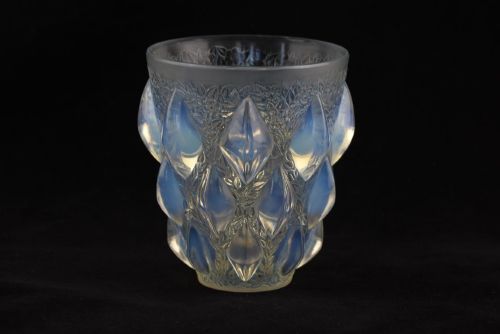
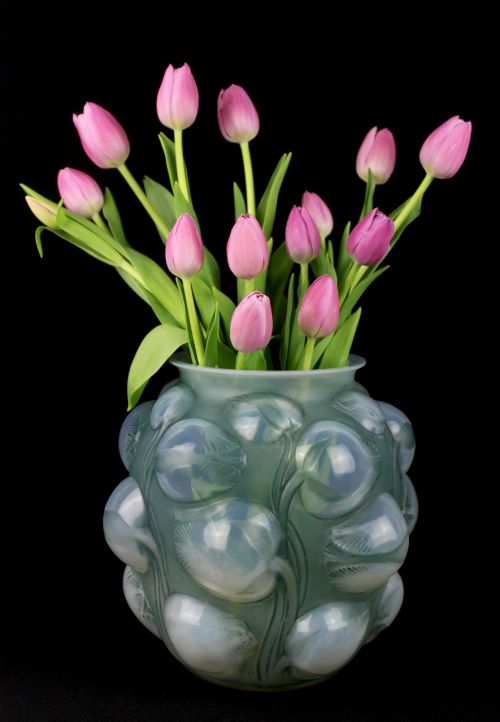
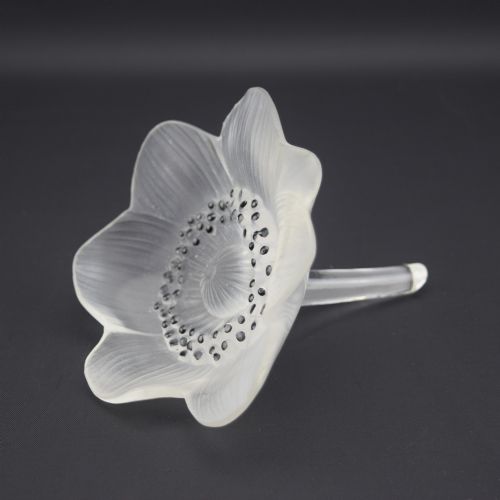
When you search for frosted glass flower items, you are looking at decorative vessels, paperweights and centrepieces that capture floral motifs in tactile, translucent mediums. These pieces range from delicate moulded paperweights to large oviform vases, each bringing organic shapes into interior spaces.
The versions you are most likely to meet on this page hail from the Art Nouveau and Art Deco periods, created by French and European makers. They frequently showcase specific botanical subjects such as tulips, anemones, cornflowers and hydrangeas rendered in relief or cameo.
Originating predominantly from the early decades of the twentieth century, these objects embody the shift towards stylised natural forms. They serve both functional roles as vases and purely decorative functions as table centrepieces and desk accessories.
How they were made
Makers utilised techniques such as acid-etching, moulding and cameo carving to achieve the characteristic texture and depth of the glass. Opalescent glass and blown glass were frequently employed to catch and scatter light across the floral surfaces.
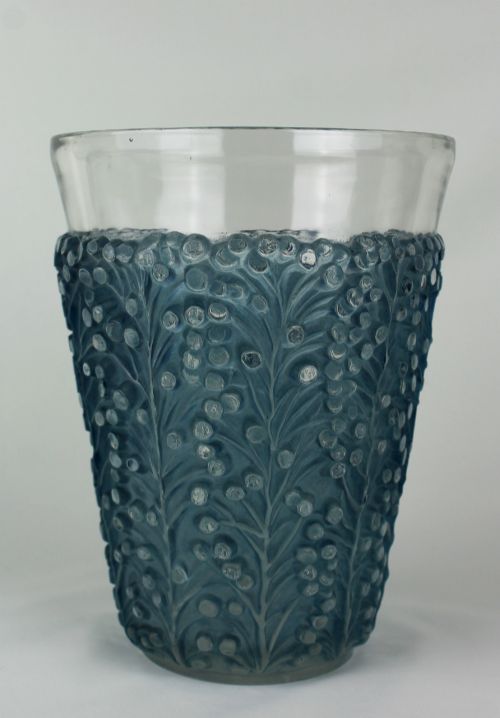
Enamel and clear glass accents were often combined with frosted bodies to add contrast and highlight intricate botanical details. Master workshops manipulated these materials to produce both smooth tactile finishes and deeply textured relief decoration.
Frosted Glass Flower Retail Price Guide 2026
Typical asking prices for frosted glass flower among the pieces listed under this phrase on Sellingantiques today, from the lower quarter to the upper quarter. They describe what is for sale here now, not the wider market.
Winter landscape scenes frequently share shelf space with delicate glass hydrangeas, bringing frosty weather indoors year-round.
What varies in quality
The distinction between tiers rests upon the crispness of the botanical moulding and the subtlety of the acid-etching or cameo work. Pieces displaying finer control over opalescent shading and more complex multi-layered cameo carving stand apart from simpler mouldings.
The clarity of the signature, the harmony of the proportion, and the depth of the relief sculpture dictate the standing of an individual piece within its period. Superior examples demonstrate a precise execution where the material enhances the organic flow of the flower heads.
René Lalique·Daum·Emile Gallé·Legras·Daum Frères
The Frosted Glass Flower Glossary
- Cameo glass
- A form of glassware produced by carving or etching through fused layers of different coloured glass to create a design in relief. This technique allows for striking contrast between the background and the floral motifs.
- Opalescent glass
- Glass that has a milky, translucent appearance and displays varying colours when viewed under different lighting conditions. It was heavily utilised during the early twentieth century to give depth to moulded botanical designs.
- Acid-etched glass
- Glass treated with acid to eat away exposed surfaces and create a frosted or textured pattern. This method enabled makers to achieve precise geometric or organic designs without mechanical cutting.
- Epergne
- An ornamental centrepiece for a table, often featuring multiple vases or branches for holding flowers or fruit. In glassware, these pieces combine central bowls with detachable trumpets or small vases.
- Blow-out cameo vase
- A vessel formed by blowing hot glass into a mould so that the design expands outward into high relief, which is subsequently carved. This creates a deeply dimensional surface suitable for organic subjects like clematis.
Frosted Glass Flower: Frequently Asked Questions
What periods do these pieces come from?
The pieces seen here predominantly date from the early twentieth century, spanning the Art Nouveau and Art Deco eras. You will encounter works originating from around nineteen hundred through to the nineteen thirties.
This timeframe encompasses both the flowing organic curves typical of Edwardian and Art Nouveau design and the bolder, stylised geometries of later Art Deco production.
How do I identify Art Nouveau floral glass?
Art Nouveau examples generally feature naturalistic plant forms such as sweet peas, cornflowers, and hydrangeas executed in cameo glass or delicate blown forms. The lines are fluid and asymmetrical, reflecting the growth patterns of actual stems and petals.
Look for soft, organic contours and signatures integrated smoothly into the overall botanical design rather than rigid geometric borders.
How were these vases used originally?
These vessels served both practical purposes as flower holders and decorative functions as table centrepieces and mantel ornaments. Many were designed specifically to complement the stems they depicted, such as banjo vases for long blooms.
Larger bowls and epergnes acted as focal points for dining tables, holding floral arrangements while standing alone as works of art.
What is opalescent glass?
Opalescent glass is a milky, semi-translucent material that catches ambient light and shifts in tone depending on the angle of view. Makers utilised this property to accentuate the curves of moulded flower heads and leaves.
This optical quality gives the glass a glowing, ethereal depth that standard clear or opaque glass does not achieve.