


French Wrought Iron Benches
French wrought iron benches are sturdy outdoor seats combining forged metal work with classical garden styles, prized for weathering the seasons gracefully.
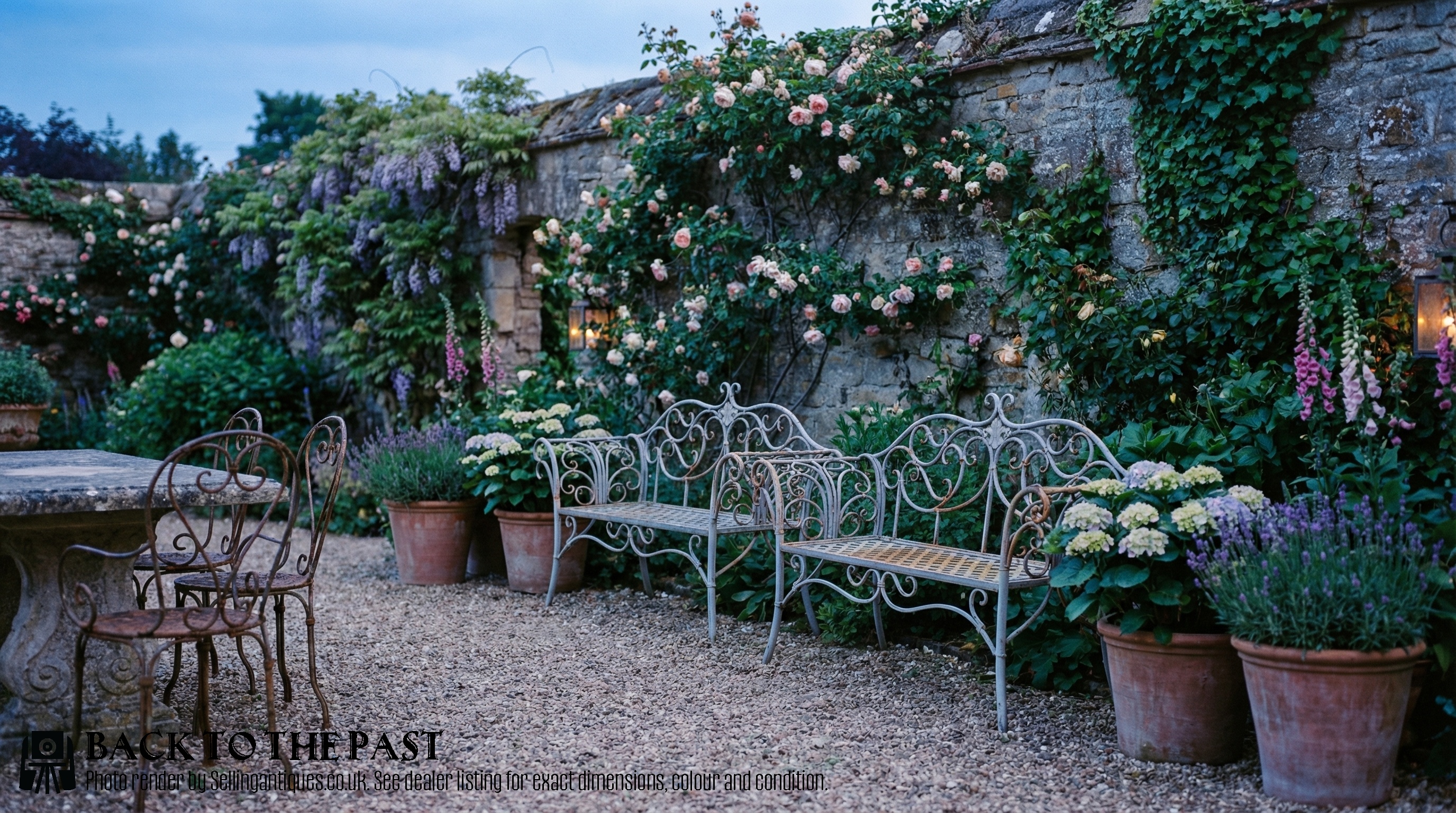
French Wrought Iron Benches
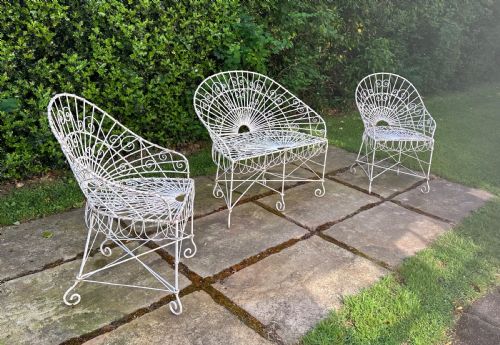
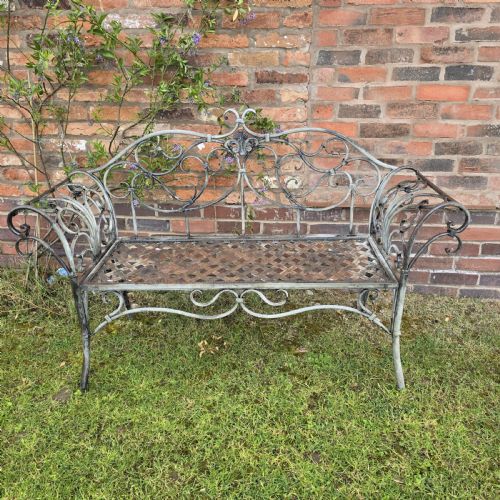
French wrought iron benches are garden seats typically fashioned from forged metal, designed to endure outdoors while offering ornamental scrollwork or strap work. When searching for French wrought iron benches, buyers encounter pieces spanning the nineteenth century up to the nineteen-forties, reflecting styles such as French country, Gothic revival, and Regency.
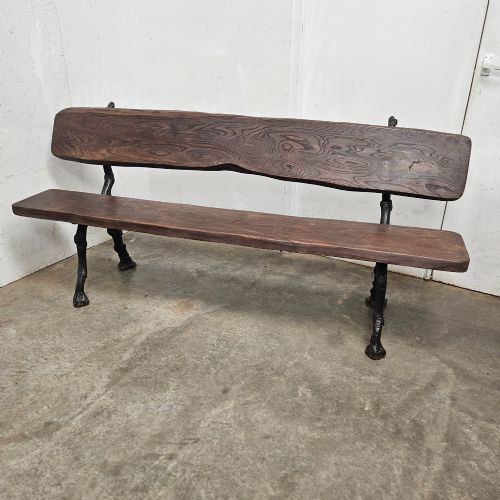
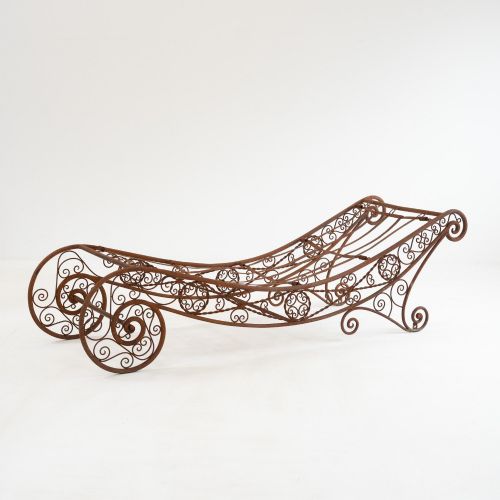
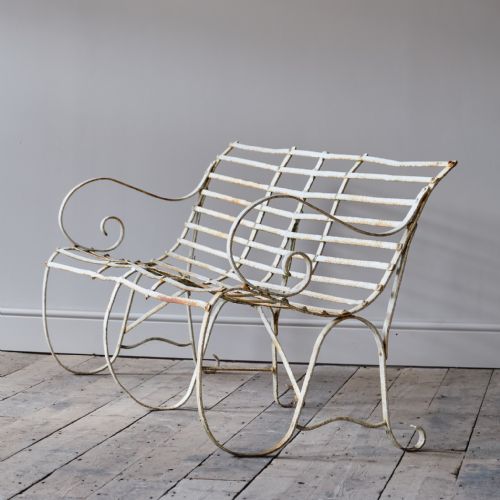
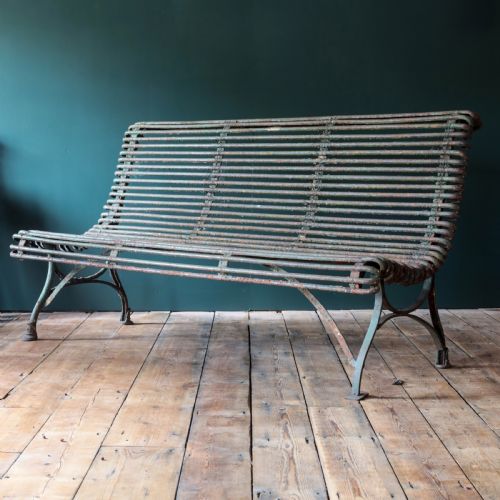
The selections available here range from nineteenth-century garden daybeds and Arras benches to painted folding metalwork and scroll benches with layers of original paint. Many examples incorporate metal, cast iron, or wirework alongside the defining wrought iron framework, while some variants integrate elm timber elements.
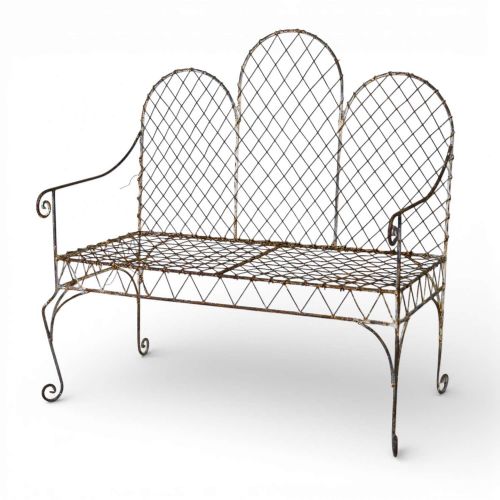
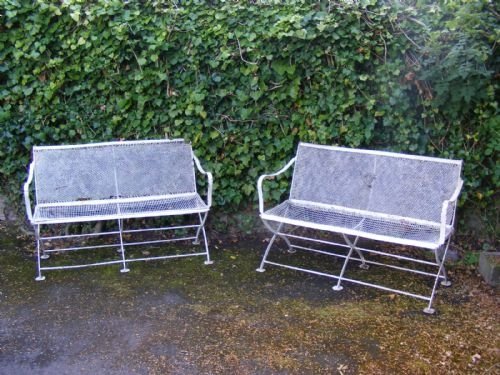
Alongside traditional garden seating, related outdoor and utilitarian forms appear, including wirework garden arbours, conservatory benches, and occasional matching chairs. These seating options emerge from periods such as the Victorian era and the nineteen-twenties, showcasing diverse regional and workshop traditions from France.
Construction and materials
Makers formed these benches primarily using wrought iron, steel, and cast iron, heating and hammering the metal to create resilient structural frames and decorative scrolls. Strap work construction provided additional rigidity, while wirework was occasionally employed for lighter structural sections and arbours.
Many surviving examples retain layers of original paint applied to protect the metal from corrosion over decades of outdoor exposure. Certain hybrid forms also integrated elm timber components, particularly for seating slats, combining wooden warmth with iron strength.
Some nineteenth-century metalwork benches secretly doubled as daybeds for afternoon slumber beneath the shade of a garden arbour.
Assessing quality and character
Quality in these benches rests on the finesse of the forge work, visible in the symmetry and fluidity of scrollwork and the robust integrity of the strap work joints. Finer examples display meticulous hand-forging that balances decorative ambition with structural stability.
The preservation of original surface finishes significantly influences the character of a piece, with undisturbed layers of historic paint indicating careful custodianship over time. The integration of complementary materials, such as well-seasoned elm, further distinguishes superior regional examples.
The French Wrought Iron Benches Glossary
- Wrought iron
- A tough, malleable iron form hammered and bent into shape by blacksmiths rather than poured into a mould. It provides the tensile strength necessary for slender scrolls and load-bearing garden seats.
- Arras
- A specific style of French nineteenth-century garden furniture, often associated with a distinct foundry mark and robust strap iron construction. These pieces are particularly sought after by collectors of historic metalwork.
- Strap work
- Flat strips of metal riveted or welded together in geometric patterns to form the seat or back of a bench. This technique offers both ventilation and rigid support.
- Wirework
- A technique utilising bent steel or iron wire to create intricate, lattice-like garden structures and seating. It offers a lighter visual weight than solid iron bars.
- Faux bois
- An artistic technique simulating wood grain upon hard materials like metal or stone. In garden furniture, iron components were sometimes painted or textured to mimic natural timber.
French Wrought Iron Benches: Frequently Asked Questions
How do I maintain a vintage iron bench outdoors?
Historic garden metalwork benefits from gentle cleaning and occasional wax or microcrystalline treatments to protect existing paint layers from moisture. Keeping them in sheltered spots during harsh winter months prevents excessive corrosion.
Avoid abrasive chemical strippers that remove historic patination and original pigment. Inspect joints periodically to ensure structural stability remains sound.
Can these benches stay outside all year?
Wrought iron is inherently weather-resistant, though prolonged exposure to standing water and frost can accelerate oxidation on vulnerable metal surfaces. Storing them under cover during freezing winter periods preserves the integrity of the iron and any remaining paint.
Elevating the feet slightly off damp soil also reduces moisture absorption and subsequent rusting at ground contact points.
How can I date an antique garden bench?
Dating relies upon examining construction techniques, fastener types, and design motifs characteristic of specific periods like the Victorian era or the nineteen-twenties. Hand-hammered scrollwork and heavy strap iron typically indicate nineteenth-century origins, whereas later twentieth-century pieces often employ standardised steel elements.
Comparing the style against known regional typologies, such as Arras foundry work, provides further chronological clarity.
What is the difference between cast iron and wrought iron?
Cast iron is poured into a mould while molten, resulting in rigid, brittle forms with detailed decorative reliefs that cannot be bent or altered. Wrought iron is heated and hammered by hand, yielding a fibrous, malleable material that bends gracefully under pressure.
Most durable garden benches combine forged wrought iron frames with supportive metal slats.