



French Wooden Bed
A french wooden bed brings architectural presence and warmth to a bedroom through carved timbers and classic period styling.
French Wooden Bed
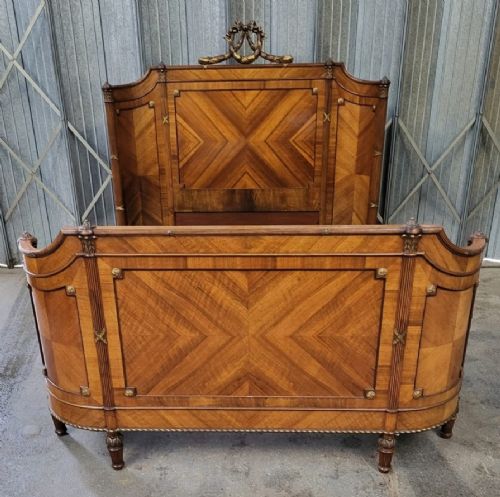
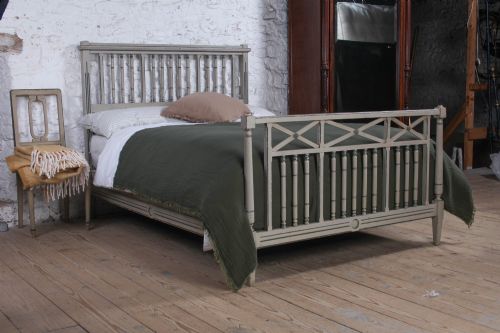
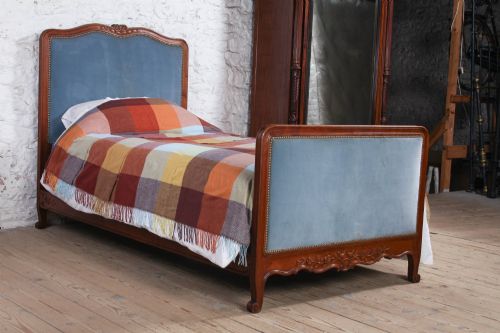
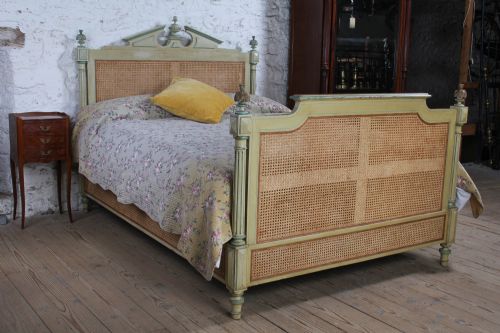
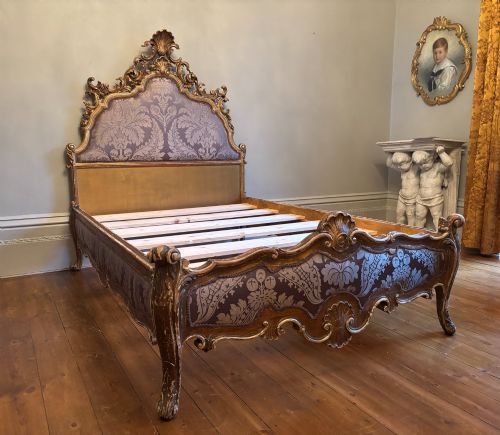
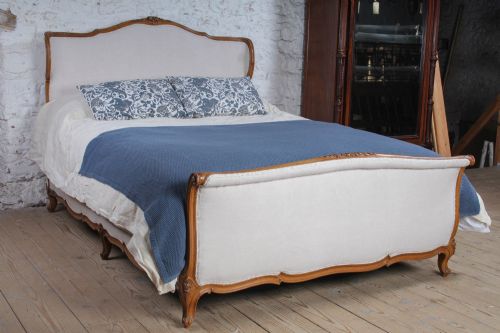
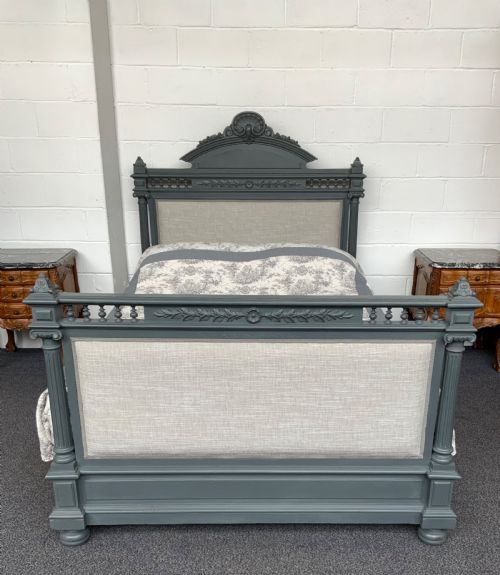
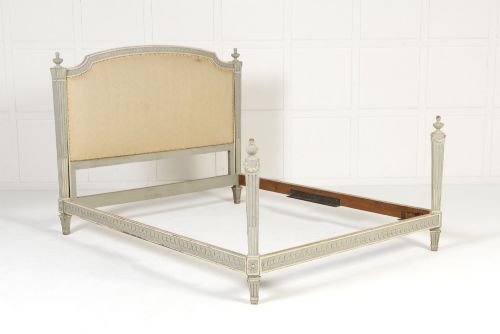
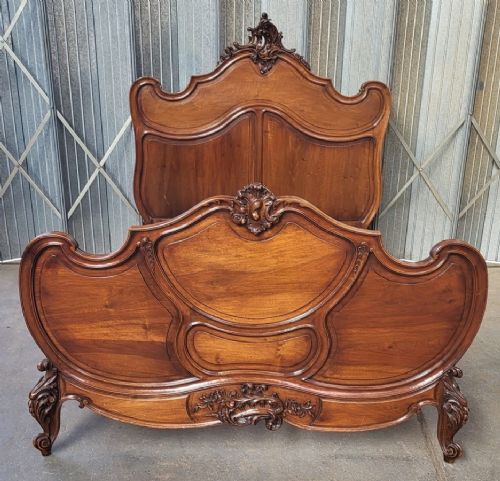
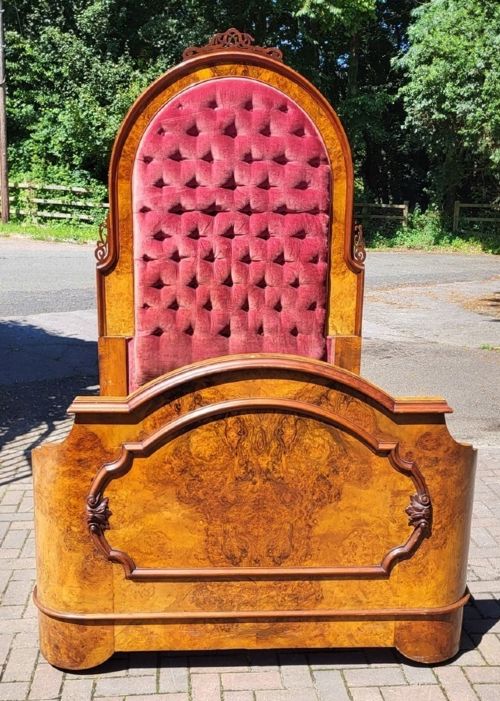
A french wooden bed encompasses grand chateau styles, provincial designs, and revival pieces spanning the nineteenth and early twentieth centuries. These bedframes appear in double, king, superking, and single sizes, often showcasing intricate carving, caning, or painted finishes.
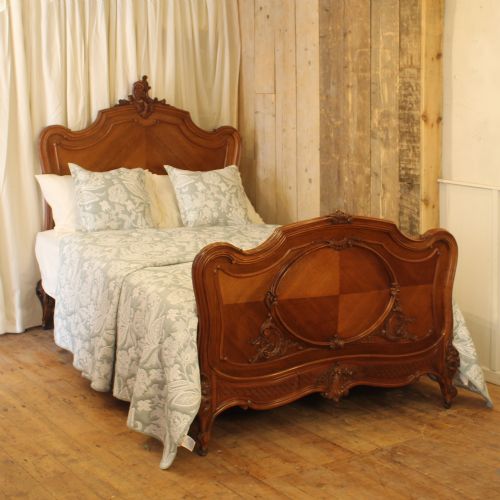
Buyers will frequently encounter walnut, mahogany, and oak bedsteads alongside painted wood examples finished with floral panels or gilt details. Stylistic influences draw heavily on Louis traditions, neoclassical lines, and rustic provincial forms.
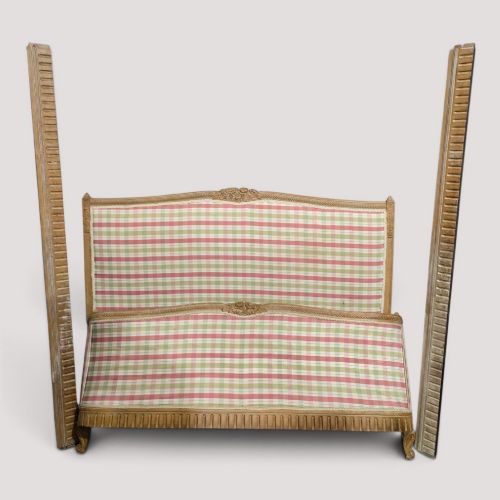
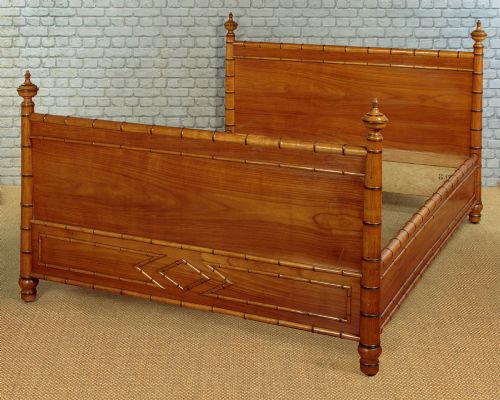
The category extends beyond standard frames to include upholstered headboards, faux bamboo creations, and associated bed canopies or matching bedroom suites. Each piece reflects the decorative priorities of its period, from simple country timbers to elaborate architectural scaling.
Assessing Quality and Craftsmanship
The distinction between tiers rests upon the depth and crispness of the wood carving, where hand-chiselled details outclass mechanical production. Superior examples employ choice timber selections like quarter veneered walnut or intricate parquetry rather than plain secondary woods.
Proportion and decorative unity define the better specimens, where brass mounts, caning, and painted floral motifs integrate harmoniously into the overarching style. The fidelity to historical idioms, whether Louis XV or neoclassical revival, dictates the architectural conviction of the piece.
French Wooden Bed Retail Price Guide 2026
Typical asking prices for french wooden bed among the pieces listed under this phrase on Sellingantiques today, from the lower quarter to the upper quarter. They describe what is for sale here now, not the wider market.
Several listings feature faux bamboo woodwork, proving that nineteenth-century makers could not resist a botanical novelty.
The French Wooden Bed Glossary
- Bedstead
- The complete framework of a bed, including headboard, footboard, and rails. This term distinguishes the structural wooden assembly from modern mattresses and bases.
- Caning
- Woven rattan material used to form open patterned panels within headboards and footboards. It provides a lighter visual weight in large wooden bed frames.
- Marquetry
- Decorative veneer work arranged in geometric or pictorial patterns across wooden surfaces. Craftsmen used contrasting timbers to create complex pictures and borders.
- Parquetry
- Geometric mosaic woodwork used for flooring and furniture surfaces. It utilises angled wood blocks to form repeating patterns on large panels.
- Quarter veneered
- Wood veneer cut radially from the tree log to produce straight growth lines and balanced figuring. This technique highlights the natural grain of walnut and mahogany.
French Wooden Bed: Frequently Asked Questions
How do I fit a modern mattress?
Many vintage frames require custom mattress sizes or minor internal adjustments to accommodate standard modern dimensions safely and securely.
Consulting your dealer regarding internal rail lengths and widths ensures proper support before purchasing bedding.
Are these beds easy to assemble?
Most antique bedsteads utilise traditional bolt-in rail systems or slot-together fixings designed for straightforward dismantling and setup.
Having an extra pair of hands helps steady the heavy wooden headboards and footboards during construction.
How do I care for the wood?
Routine maintenance involves dusting with a soft, dry cloth and avoiding silicone-based polishes that build up over time.
Keeping the timber away from direct heat sources and strong sunlight preserves the original polish and painted finishes.
What is the difference between styles?
Louis XV and XVI styles feature curved cabriole legs or stricter neoclassical symmetry with carved ribbon and floral motifs.
Provincial and chateau variants offer a more relaxed rustic aesthetic, while faux bamboo designs reflect nineteenth-century exoticism.