




French Wine Glass
A french wine glass brings continental elegance to the table, offering tactile weight and historic design that elevates any dining experience.
French Wine Glass
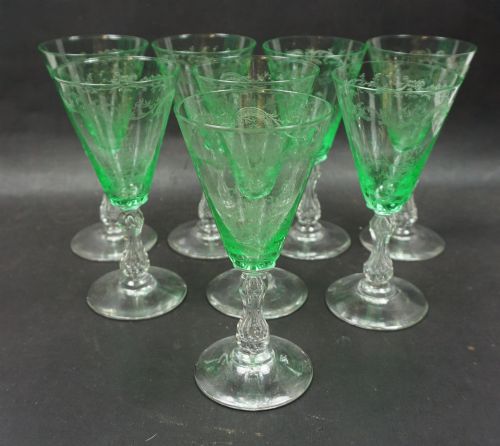
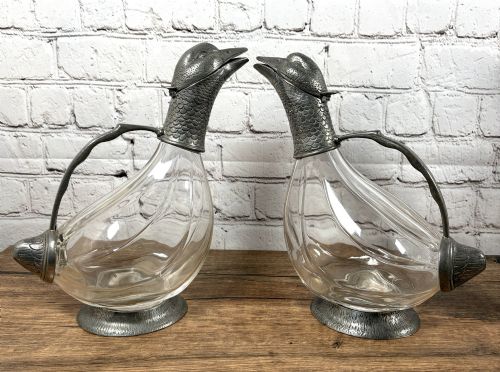
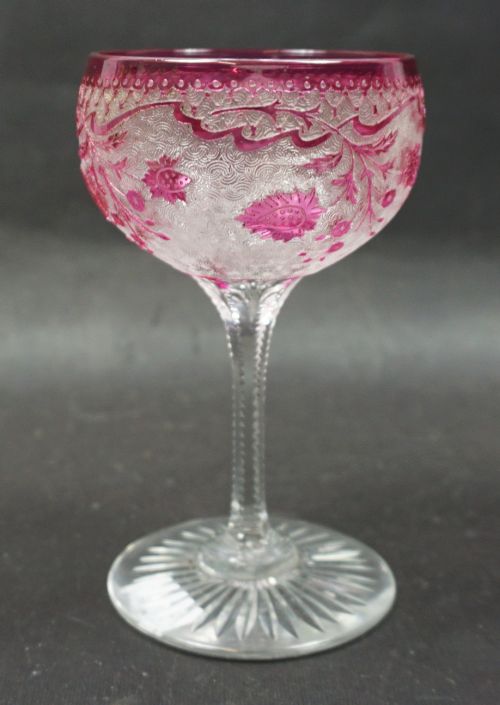
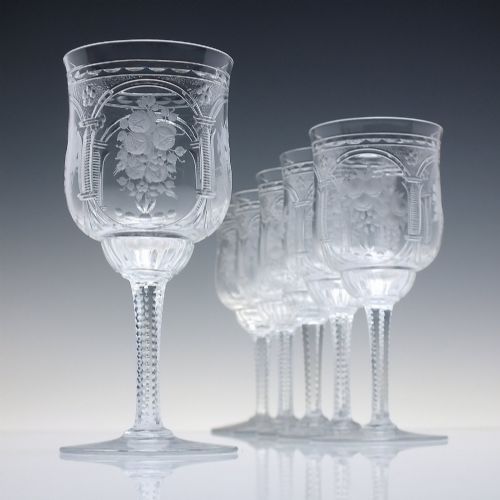
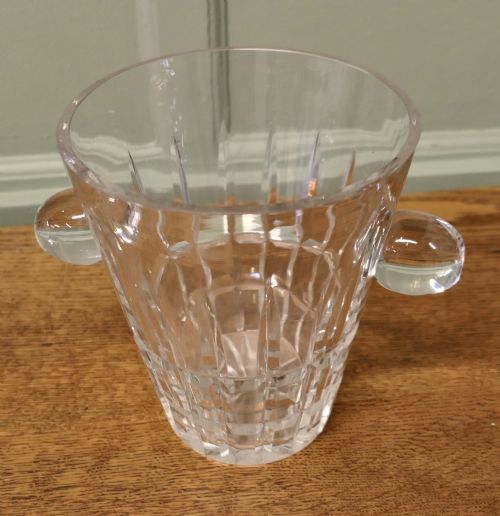
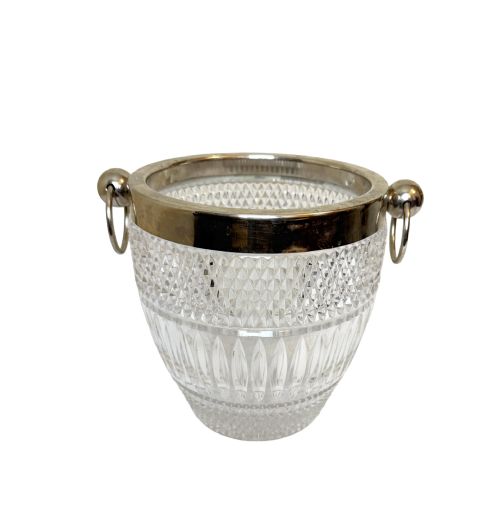
When searching for a french wine glass, buyers encounter an array of drinking vessels and serving pieces originating from France across the nineteenth and twentieth centuries. These range from delicate white wine glasses and hock glasses to robust decanters and champagne coolers.
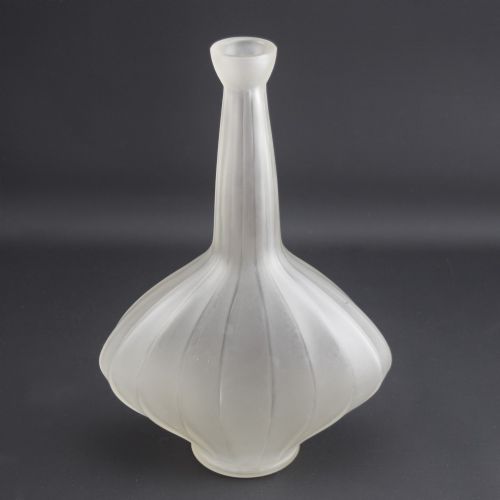
The selection on this page draws primarily from distinct decorative eras including Art Nouveau, Art Deco, and Victorian periods. Pieces manifest in various forms such as cut crystal, hand-blown glass, and gilded glass, often accompanied by related dining items.
Buyers most frequently meet twentieth-century examples alongside nineteenth-century tablewares, reflecting the enduring output of French glasshouses and studios. The forms span simple table glass to elaborately mounted crystal designed for formal hospitality.
Assessing Quality
Quality rests upon the clarity of the crystal, the precision of the hand-cut facets, and the crispness of any moulded or cameo decoration. Superior pieces demonstrate exceptional transparency and harmonious proportions without optical distortion in the glass.
The finesse of secondary materials, such as finely chased gilt bronze mounts or securely fitted silver collars, distinguishes higher-grade production. Maker attribution and pattern consistency also elevate the standing of individual pieces within a suite.
French Wine Glass Retail Price Guide 2026
Typical asking prices for french wine glass among the pieces listed under this phrase on Sellingantiques today, from the lower quarter to the upper quarter. They describe what is for sale here now, not the wider market.
Listings feature lead crystal, hand-blown glass, cut glass, and frosted glass across the nineteenth and twentieth centuries.
Baccarat·Rene Lalique·St Louis Massenet·Orfèvrerie Produx Saint Hilaire
The French Wine Glass Glossary
- Hock glass
- A tall-stemmed wine glass traditionally used for hock or other white wines. These often feature coloured bowls or elaborate crystal cutting.
- Cotes plates
- A specific decorative motif featuring flat vertical cuts around the body of a glass vessel. This technique creates geometric light reflection across the surface.
- Latticinio
- A decorative glass technique utilising opaque white glass threads embedded within clear crystal. It produces delicate linear or net-like patterns inside the material.
- Ormolu
- Gilt bronze furniture mounts and decorative hardware used to adorn nineteenth-century glass vessels. The technique involves applying a gold amalgam to bronze.
- Carboy
- A large, rigid glass bottle traditionally used for transporting or storing liquids. These vessels usually sit within protective iron or wicker baskets.
French Wine Glass: Frequently Asked Questions
How do I date antique French glassware?
Dating relies on stylistic markers from periods like Art Nouveau or Art Deco, alongside manufacturing characteristics such as pontil marks and glass composition. Examining any factory stamps, signatures, or metal mounts helps narrow the decade of production.
Matching patterns in historical catalogues provides further verification for established French glasshouses. Comparing the weight and cutting style to known timelines grounds the piece in its era.
Are these glasses safe for daily use?
Many antique glasses remain entirely functional for dining, provided they receive careful hand washing. Avoiding thermal shock and harsh dishwashers preserves the integrity of delicate crystal and gilt details.
Heavier cut crystal handles everyday toasts well, while gilded or enamelled pieces demand greater care. Storing them securely prevents rim chips and surface abrasions.
What is the difference between crystal and glass?
Crystal contains lead oxide, which increases the weight, refractive index, and acoustic resonance of the material. This composition allows artisans to cut finer, sharper facets than standard soda-lime glass permits.
Standard glass is lighter and lacks the same dispersive brilliance when struck or held to the light. French makers frequently utilised lead crystal for their finest tableware and decanters.