
French Vintage Lamp Pair
A french vintage lamp pair brings symmetry and historical warmth to a room, offering matched illumination cast through brass, marble or crystal.
French Vintage Lamp Pair
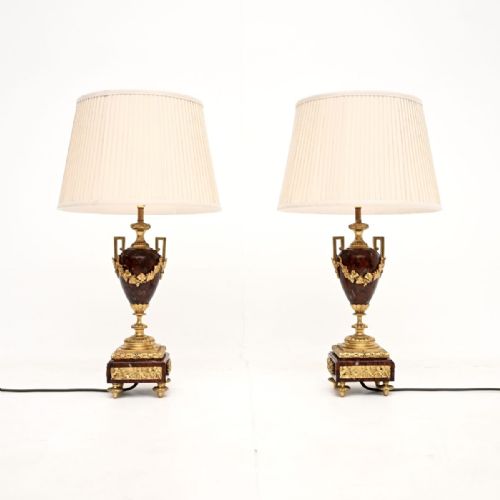
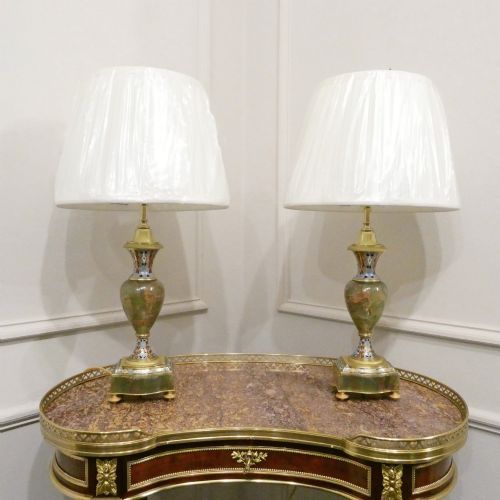
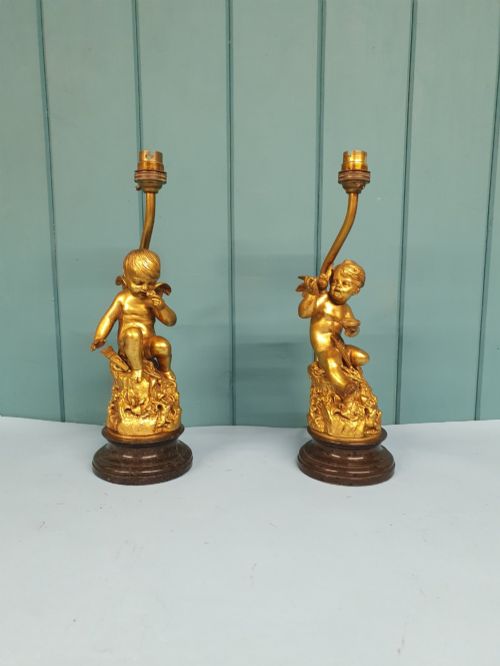
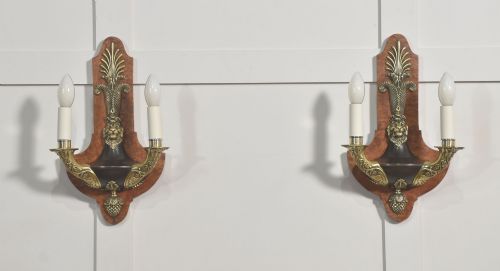
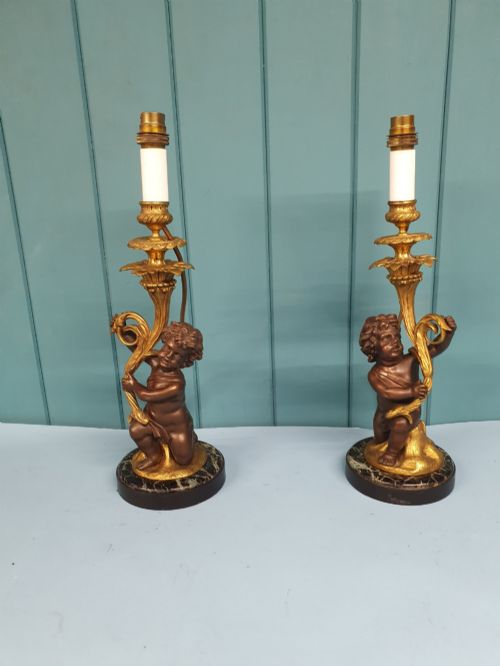
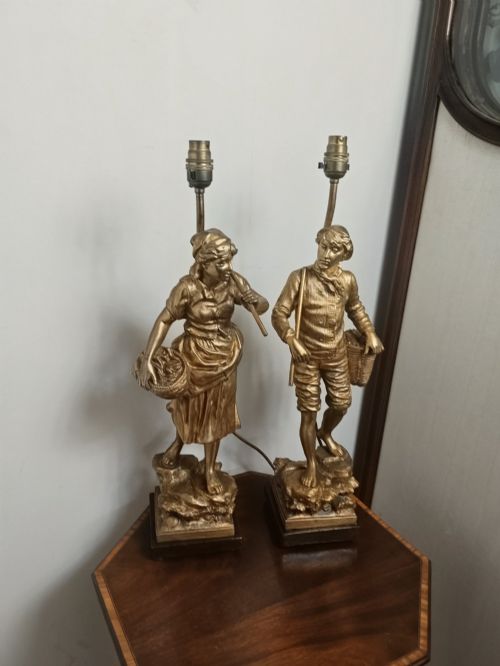
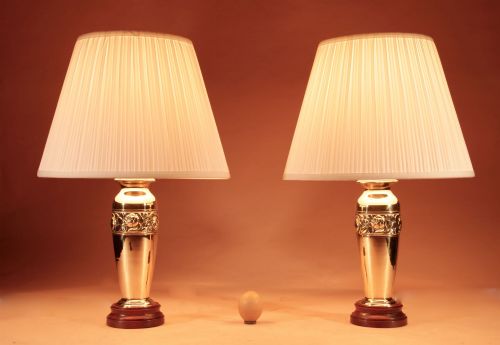
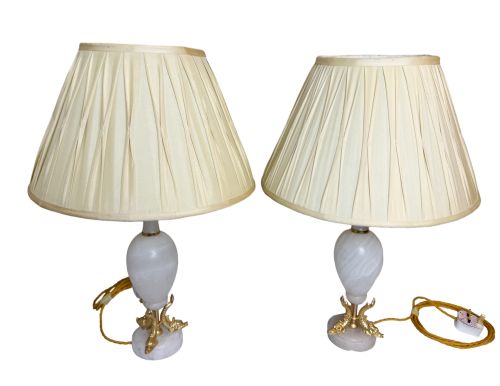
When searching for a french vintage lamp pair, buyers encounter matching sets designed to flank a mirror, mantelpiece or bed. These pieces arrive in forms ranging from heavy marble urns and cast bronze figures to slender brass columns and crystal-hung sconces.
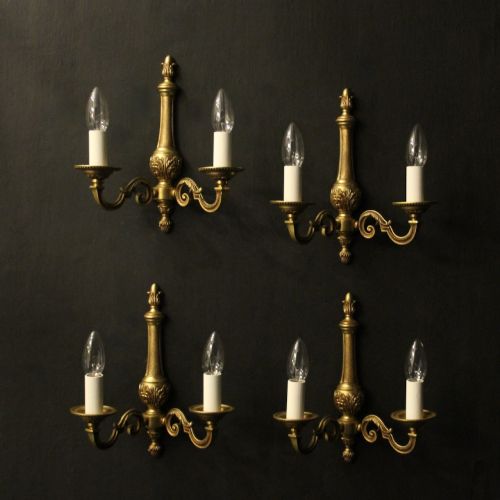
The selection spans periods from the nineteenth century through the art deco era of the 1920s and 1930s. Alongside table lamps, the listings include twin-arm wall lights and candelabra converted to electrical use.
Stylistically, the items draw on French neoclassical, rococo and empire traditions. Gilt brass, champleve enamel and cut glass recur frequently across the available selections.
How they were made
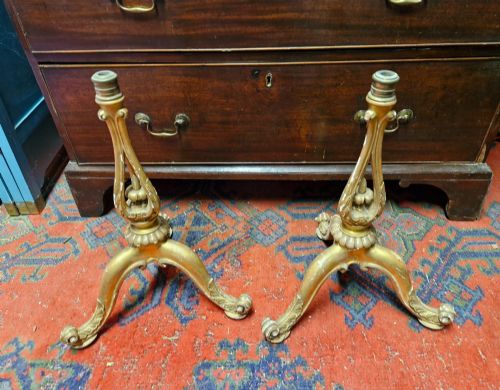
Foundry casting of brass, bronze and ormolu forms the structural core of many pieces, often finished with fire-gilding or applied patination. Artisans combined these metal mounts with hand-carved marble, onyx and alabaster columns or urns.
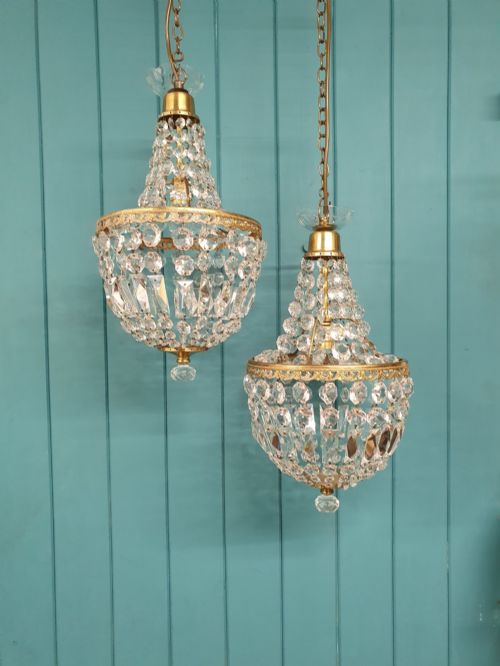
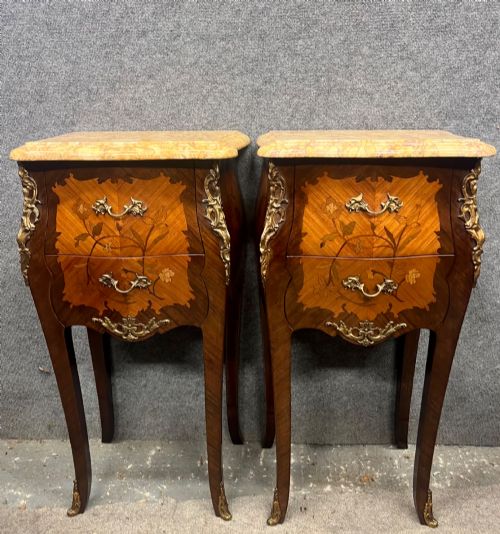
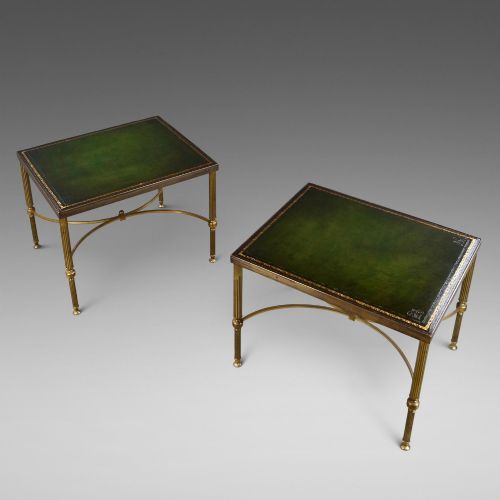
Glass elements involve cut crystal, moulded opaline glass and crystal pendants wired together to reflect light. Cabinetmakers also contributed complementary marquetry and burr walnut lamp tables designed to support the lighting pairs.
Materials across the listings include onyx, marble, glass, fabric, ormolu, gilt bronze and walnut.
What varies in quality
Material selection divides the range, moving from simple spun brass up to solid rouge marble, heavy ormolu mounts and intricate champleve enamel work. The integration of the conversion from earlier oil or candle fittings to electricity also dictates the standard of execution.
E Rousseau
The French Vintage Lamp Pair Glossary
- Ormolu
- Gilded bronze, where finely ground gold is applied to a bronze base using mercury. This technique creates a durable, warm metallic finish seen on nineteenth-century mounts.
- Champleve
- An enamelling technique where troughs or cells are sunk into the surface of a metal object and filled with vitreous enamel powder before firing. It frequently decorates turn-of-the-century bases.
- Tole-peinte
- Painted sheet metal, often shaped into classical column forms or decorative shades. It provides a coloured, matte surface texture.
- Rococo
- An ornate design style characterised by asymmetry, scrollwork and naturalistic plant motifs. It heavily influences nineteenth-century French wall lights and lamp bases.
French Vintage Lamp Pair: Frequently Asked Questions
How do I wire old lamps safely?
Many vintage pairs arrive with older cloth or rubber wiring that requires replacement for modern domestic use. A qualified electrician can easily rewire the internal channels without altering the exterior metal or marble components.
Retaining the original lampholders where possible preserves the character of the piece while ensuring the circuit meets current safety standards.
Can I mix table lamps and wall lights?
Matching a pair of table lamps with corresponding wall lights depends on the consistency of the metal finishes and decorative motifs. Pieces sharing Louis XVI or empire characteristics blend well within the same interior space.
Maintaining similar materials, such as gilt brass or marble, creates a cohesive decorative scheme across different mounting types.
How do I clean gilt bronze?
Dusting gently with a soft, dry brush prevents the accumulation of dirt within the intricate recessed areas of cast mounts. Avoid chemical polishes, which can strip away the historic gilt surface and reveal the base metal underneath.
Light cleaning preserves the natural patina developed over decades of exposure to ambient air.
What is the difference between ormolu and brass?
Ormolu consists of cast bronze treated with a gold amalgam finish, yielding a deep, rich tone that resists tarnishing. Standard brass is an alloy of copper and zinc with a brighter, yellower appearance that patinates differently over time.
Cast bronze items generally carry heavier weight and finer sculptural detail than plain brass counterparts.