



French Upholstered Bed
A french upholstered bed brings classic continental elegance and soft comfort into a bedroom, spanning stately mahogany frames to painted finishes.
What the pieces are
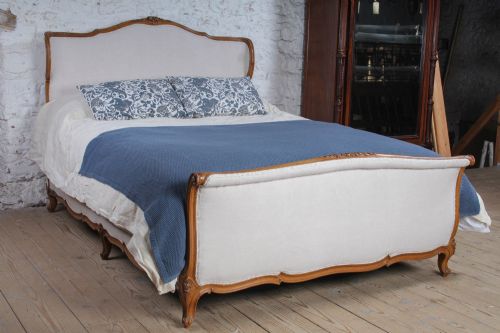
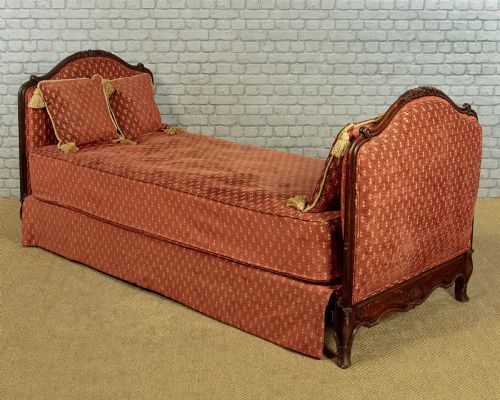
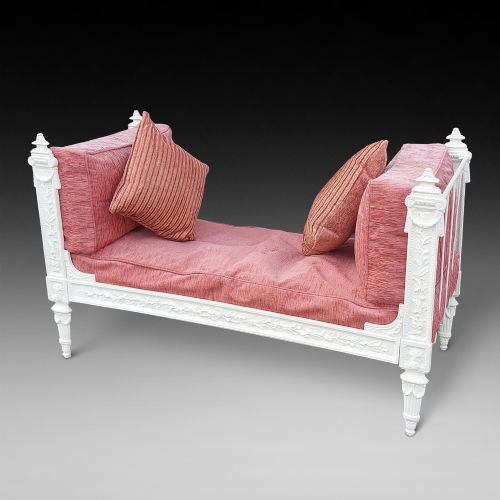
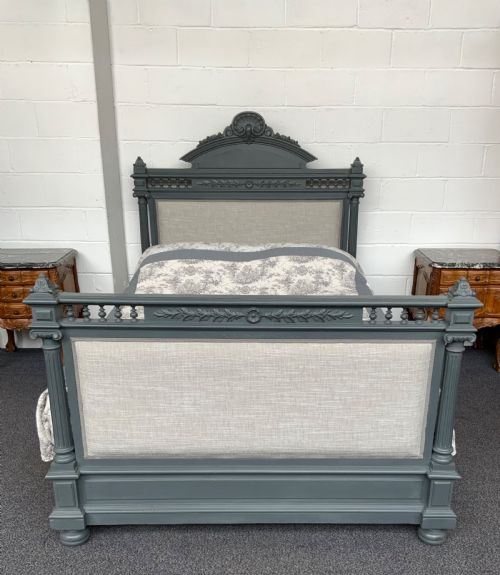
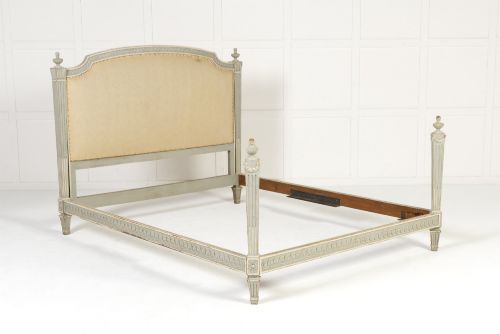
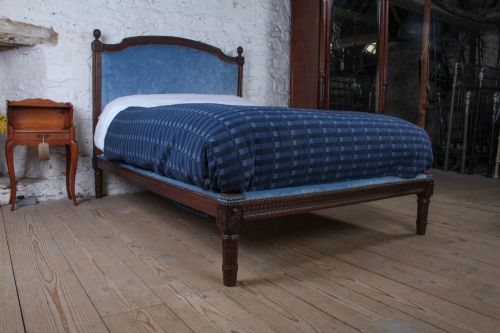
A french upholstered bed combines supportive wooden frames with padded headboards and footboards, creating a focal point for traditional bedrooms. When you search for a french upholstered bed, you encounter double, king and super king sizes alongside day beds and occasional pairs.
The pieces on this page originate primarily from the nineteenth century up through the nineteen-twenties, reflecting enduring continental design movements. Styles range from simple wood framed examples to ornate Louis XV and Louis XVI interpretations.
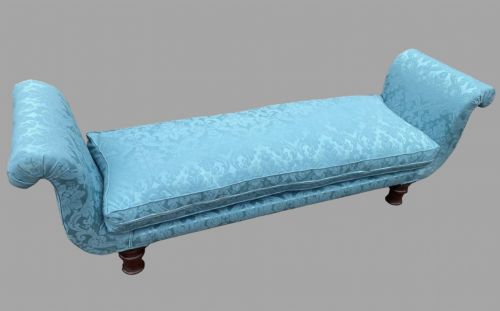
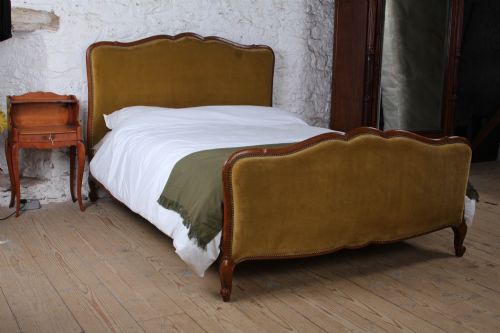
Makers and designers drew upon classical French aesthetics, producing low end beds, scroll ends and sleigh configurations. Buyers meet both original fabric treatments and fresh modern upholstery applied to antique frames.
How they were made
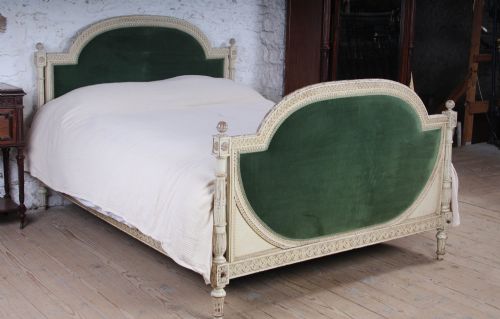
Carpenters shaped structural components from walnut, mahogany, oak and painted wood, often incorporating carved detailing along the rails and crests. Gilded paint work and simple wood framing both appear across the records.
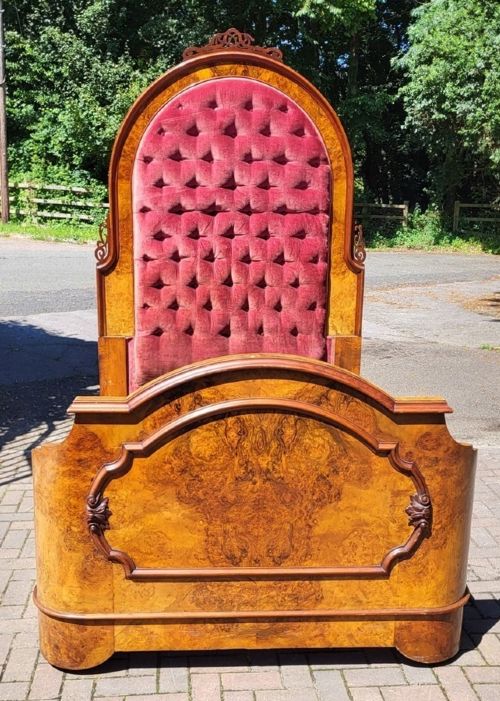
Upholstery relies on traditional textiles including linen, velvet, silk and general upholstery fabric, occasionally featuring deep buttoning. Frames accommodate various mattress dimensions from standard double up to super king sizes.
Retail Price Guide 2026
Typical UK retail prices for french upholstered bed, calculated from the Sellingantiques database of over a million retail prices indexed since 2003. This retail price guide relies exclusively on Sellingantiques data; no external sources or auction records are used, so the figures do not describe the wider market.
The listings span the nineteenth century, 1890, 1900, and 1920, utilising walnut, mahogany, oak, painted wood, linen, velvet, and silk.
What varies in quality
The distinction between standard examples and superior pieces rests in the depth of hand-carved ornamentation on the wooden chassis and the integrity of the underlying timber. Walnut and mahogany frames with crisp moulding sit at a different level from simpler painted pine or basic softwood constructions.
Execution of the upholstery finish also defines the upper tier, where precise buttoning and balanced proportions complement the architectural curve of a corbeille or lit bateau silhouette rather than masking a plain structure.
The French Upholstered Bed Glossary
- Lit Bateau
- A boat bed featuring scrolled or matching high head and foot boards reminiscent of classical French sleigh designs.
- Corbeille
- A basket-shaped bed frame characterised by enveloping, curved upholstered sides that embrace the mattress.
- Louis XV Style
- An eighteenth century revival design marked by asymmetric curves, naturalistic floral carvings and cabriole legs.
- Louis XVI Style
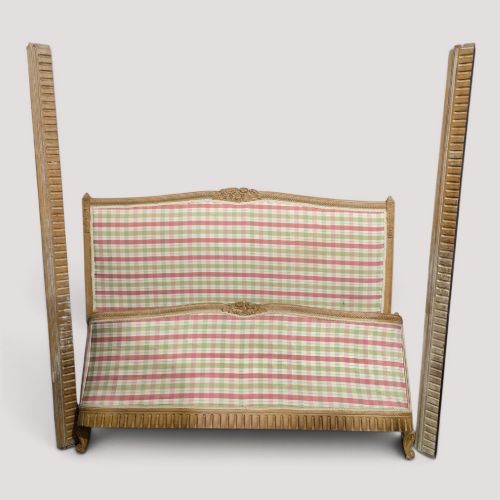
- A neoclassical design featuring straight lines, symmetry, fluted columns and restrained geometric ornamentation.
- French Provincial
- A simpler, rustic regional interpretation of court styles, built by local cabinetmakers with modest ornamentation.
Frequently Asked Questions
What sizes do these beds come in?
The listings include double, king and super king dimensions alongside single day beds. Frames accommodate standard modern mattresses while retaining their antique proportions.
Larger formats often feature scroll ends or low foot configurations to maintain an open feel in the bedroom.
Are the fabrics original?
Some pieces retain original silk or standard fabric coverings from earlier decades. Many examples feature newly applied upholstery in linen, velvet or modern textiles.
This allows buyers to choose between preserved historical surfaces and fresh contemporary soft furnishings on antique frames.
How do I identify a Louis style?
Louis XV pieces display flowing curves, asymmetry and organic carved motifs along the wooden frame. Louis XVI designs introduce straight lines, symmetry and neoclassical columns.
Both styles reflect French court aesthetics adapted across the nineteenth and early twentieth centuries.
What wood types were used?
Cabinetmakers utilised walnut, mahogany, solid oak and painted wood for the structural frames. Some pieces feature aged gilded paint work over the carved timber.
The choice of material often corresponds to the specific regional style and period of manufacture.