




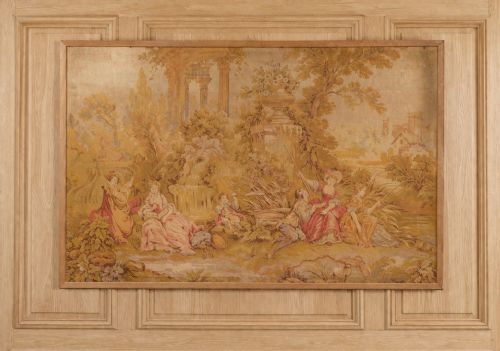
French Tapestry Wall Hanging
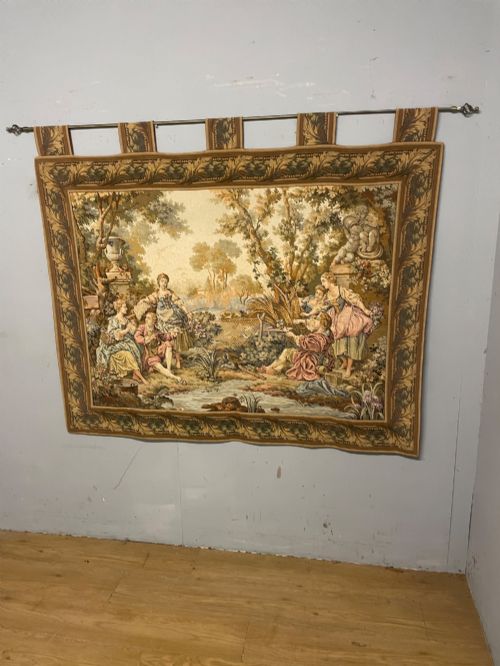
A french tapestry wall hanging brings historic woven texture and pastoral foliage into a room with remarkable presence.
French Tapestry Wall Hanging
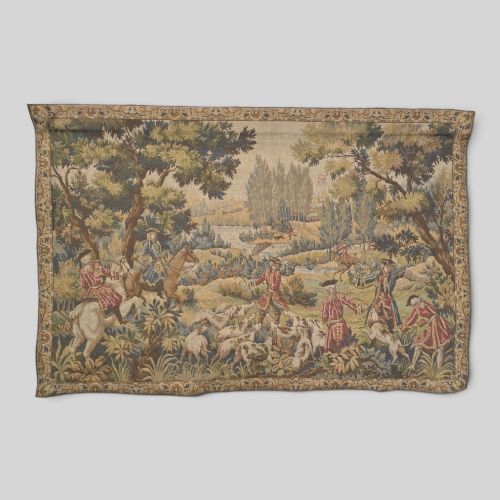
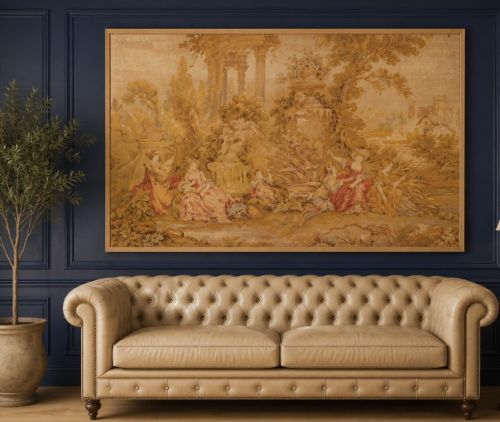
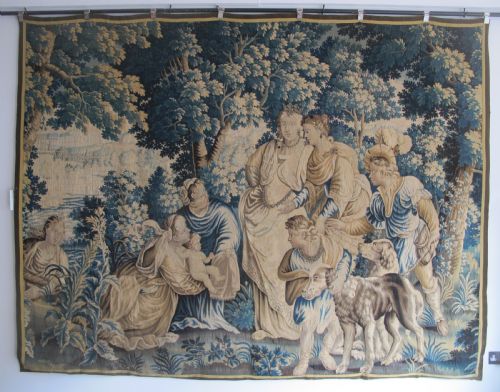
A french tapestry wall hanging comprises large woven panels, verdure scenes, and needlework panels designed to decorate domestic interiors.
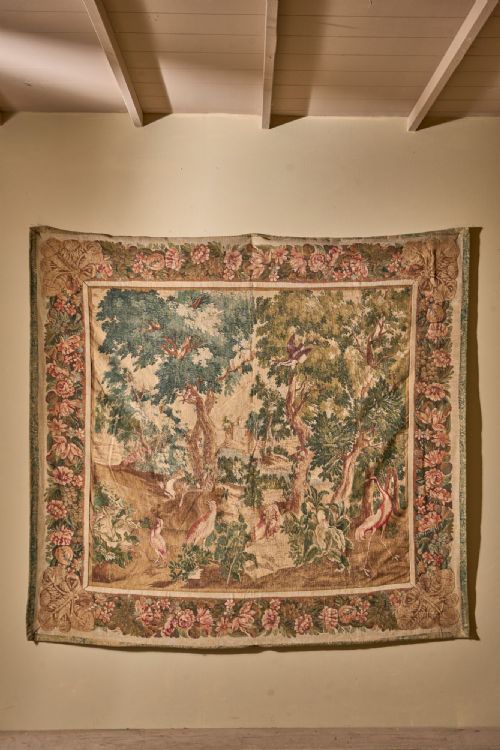
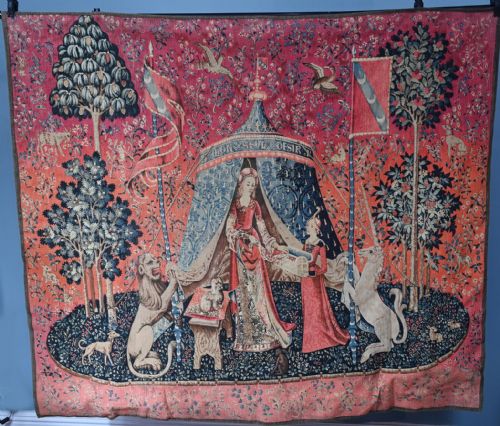
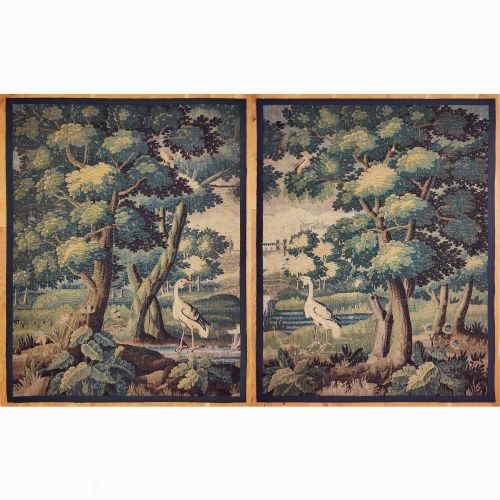
Buyers encounter verdure landscapes depicting lush foliage, pastoral compositions, biblical subjects, and medieval mille-fleurs motifs.
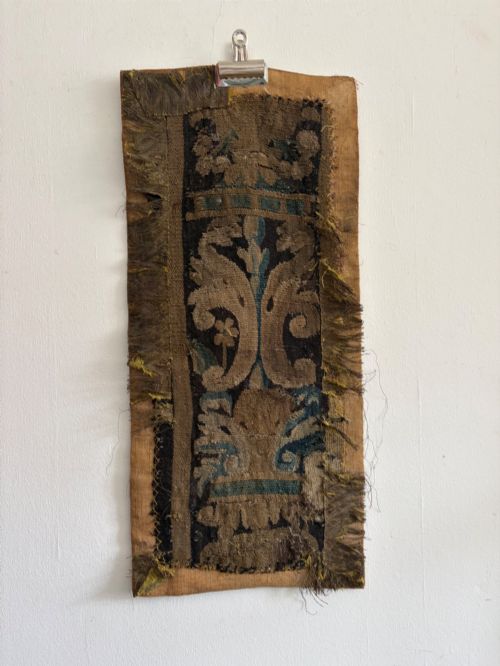
Formats range from massive room-sized wall hangings and entre-fenêtre panels to smaller framed needlepoint works and border fragments mounted on linen.
How they were made
Weavers utilised wool, silk, cotton, and linen fibres to construct these complex pictorial textiles on traditional looms.
Many examples incorporate needlework and petit point techniques, occasionally mounted into wood or rosewood frames or supported by backing linen.
The listings include wool, silk, cotton, and linen materials spanning periods from the seventeenth century through the twentieth century.
What varies in quality
The density of the weave and the subtlety of the colour transition across foliage and figures distinguish finer historic production.
The integrity of the fibres and the retention of detail in verdure landscapes or facial expressions mark the distinction between standard and exceptional pieces.
The French Tapestry Wall Hanging Glossary
- Verdure
- A tapestry style dominated by lush foliage, trees, plants, and often birds or animals. These forest scenes were immensely popular in seventeenth and eighteenth-century French workshops.
- Aubusson
- A style or origin denoting tapestries woven in the town of Aubusson in central France. They are renowned for pastoral and architectural designs.
- Mille-fleurs
- A background style composed of a multitude of small flowers and plants dotted across the field. This medieval style appears in classical French textile art.
- Entre-fenêtre
- A tall, narrow tapestry panel designed to fit specifically on the wall space between two windows. These vertical formats often feature elongated floral or architectural motifs.
- Petit point
- A fine stitch needlework technique executed on canvas. It permits intricate detail and smooth tonal gradations in pictorial wall hangings.
French Tapestry Wall Hanging: Frequently Asked Questions
How do I hang a heavy tapestry?
Large woven panels require even weight distribution across a sturdy wooden batten or hidden metal rod. Secure the hanging through a discreet stitched sleeve along the upper reverse edge.
Avoid hanging heavy textiles directly from isolated anchor points that pull on individual threads. Distributing the load protects the integrity of the antique wool and linen fibres.
How do I clean antique textiles?
Historic wall hangings tolerate only very gentle surface maintenance such as light suction through a mesh screen. Professional textile conservators should handle deep cleaning to prevent fibre damage.
Water and standard detergents risk shrinking or distorting antique wool, silk, and cotton threads. Regular inspection and gentle dusting remain the safest methods for home care.
Where were Aubusson tapestries made?
Aubusson tapestries originate from workshops in the Creuse valley town of Aubusson and surrounding areas in central France. These weavers produced renowned floor and wall coverings for centuries.
Production spanned several eras, generating distinct pastoral, floral, and classical designs that collectors prize today. The designation signifies a specific regional weaving tradition.