


French Tapestry Fauteuil
A french tapestry fauteuil brings woven history into a room, offering upholstered comfort paired with carved wooden frames.
French Tapestry Fauteuil
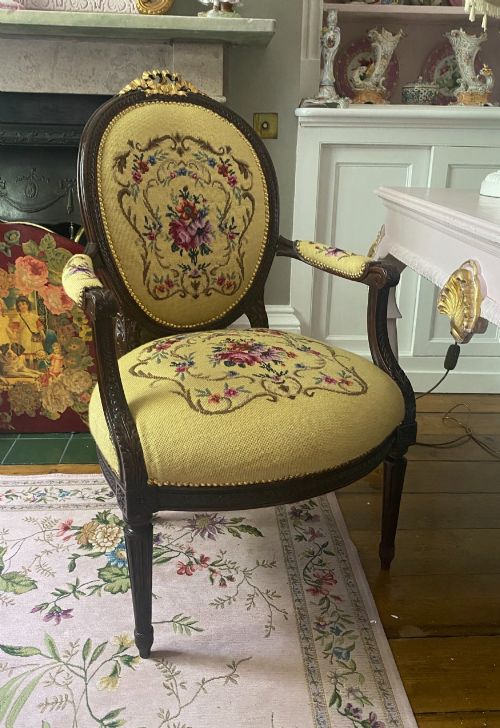
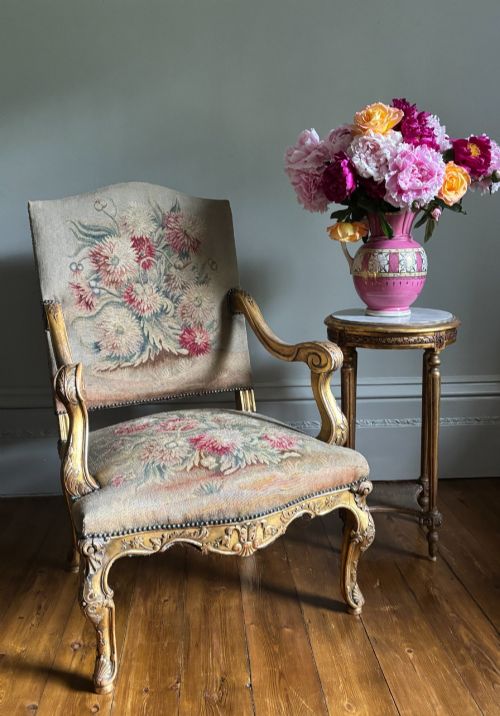
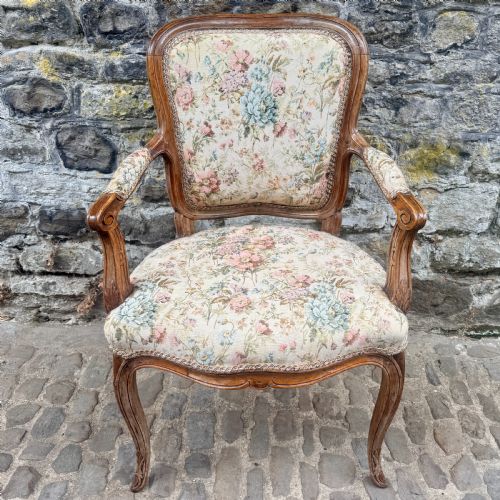
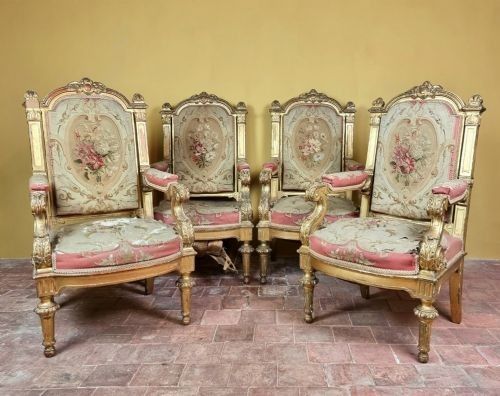
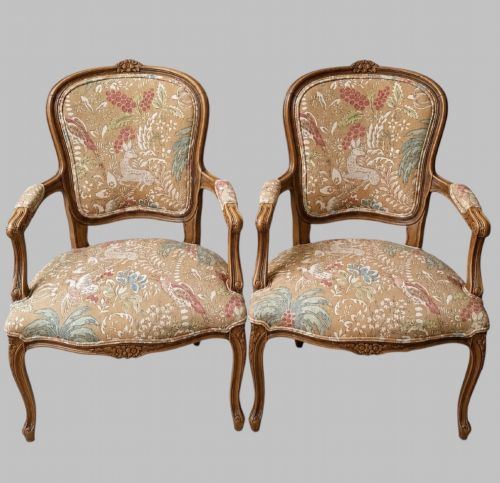
A french tapestry fauteuil represents an open armchair designed for a grand salon, typically featuring exposed wooden framing and textile upholstery. Buyers seeking these seats will find examples spanning from the seventeenth century through to revivals of the nineteenth century.
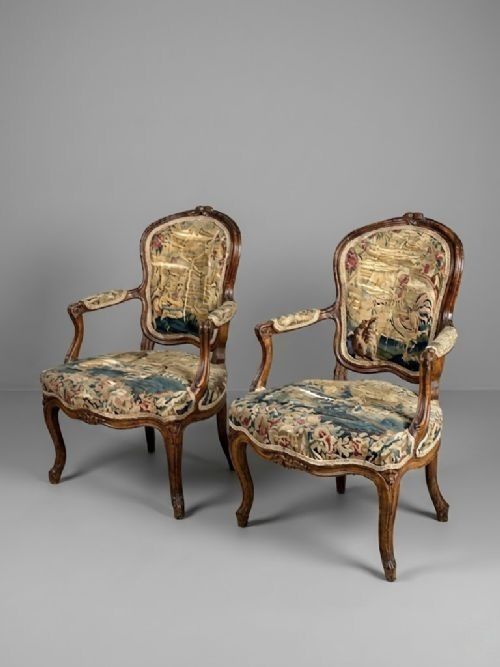
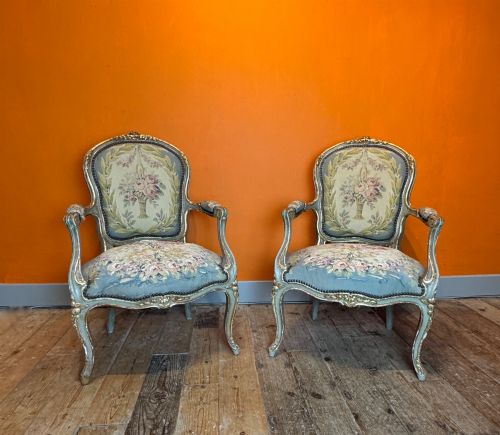
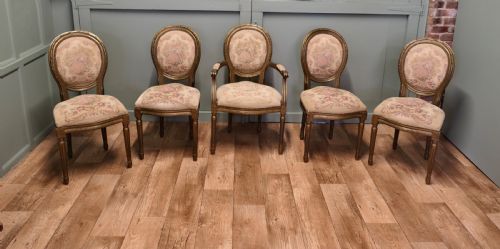
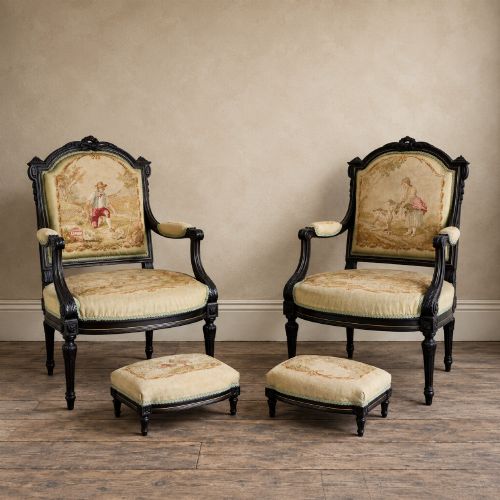
The most common iterations encountered on this page date from the nineteenth century, often channelling earlier aesthetics such as Louis XV or Louis XVI styles. These chairs frequently appear in pairs or larger salon suites alongside matching seating.
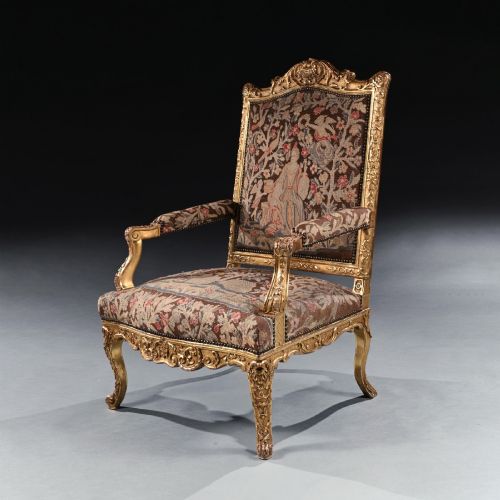
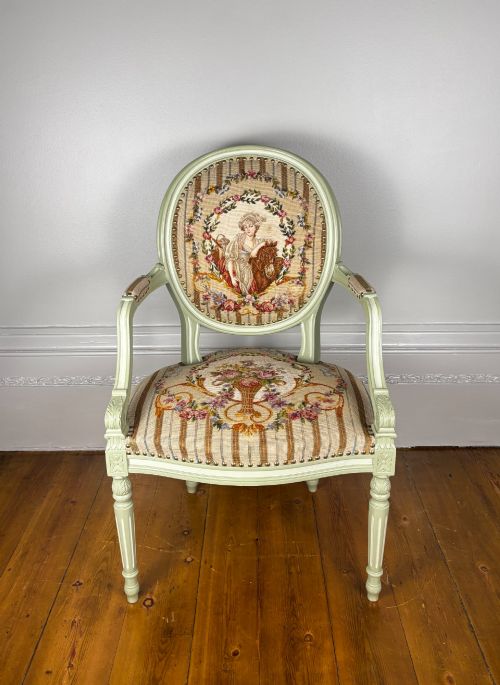
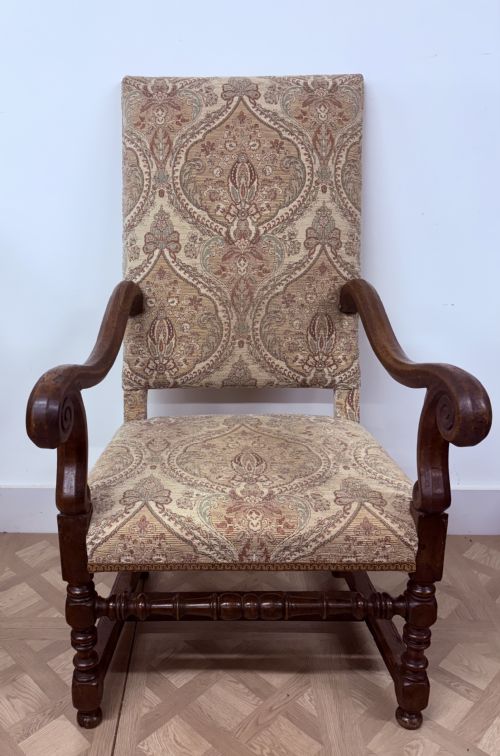
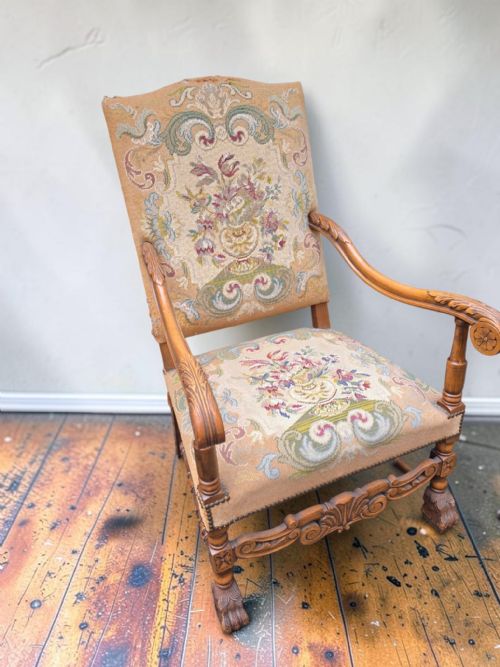
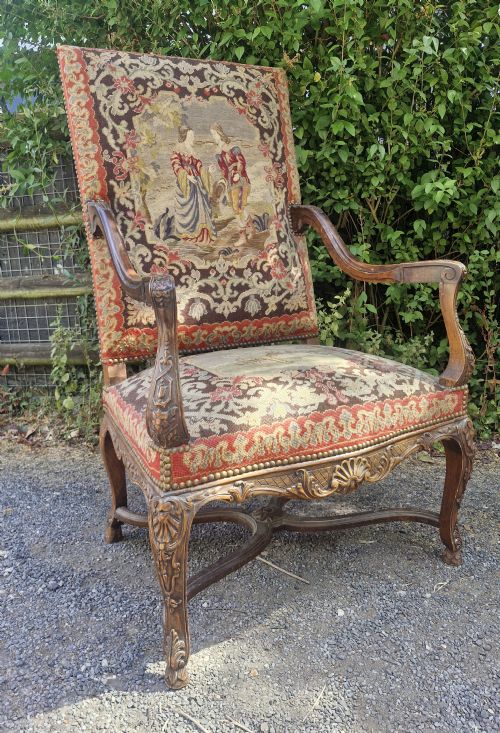
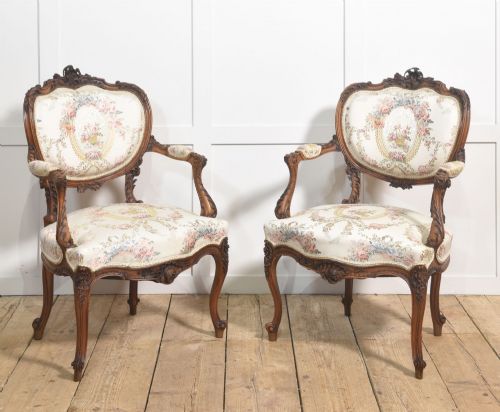
Frames take various forms, from painted and parcel gilt surfaces to rich carved walnut and giltwood. The upholstery defines the character, utilising needlework, petit point, and wool tapestry panels.
Materials and construction
Makers constructed the structural frames from timbers such as walnut, beech, and giltwood, applying detailed carving to the crest rails, arms, and cabriole legs. Painted and ebonised finishes also appeared, sometimes accented with parcel gilding.
Upholstery relied on traditional hand-stitched needlework and wool tapestry, often secured to the frame using brass tacks. Textile panels displayed figurative, floral, or geometric scenes worked in petit point or coarser needlepoint.
French Tapestry Fauteuil Retail Price Guide 2026
Typical asking prices for french tapestry fauteuil among the pieces listed under this phrase on Sellingantiques today, from the lower quarter to the upper quarter. They describe what is for sale here now, not the wider market.
Listings feature walnut, giltwood, and ebonised beech frames paired with wool tapestry and needlework upholstery.
Distinguishing quality in seating
The refinement of the woodcarving dictates much of the visual distinction, separating fluid, hand-carved botanical motifs from simpler or more mechanical shaping. Crisp detailing on the arm supports and leg terminals points to superior joinery and design.
The integrity and execution of the tapestry upholstery matter equally, where dense needlework and fine petit point panels reflect greater labour than standard woven fabrics. Matching pairs and complete salon suites command attention for their preserved uniformity.
Holland and Sons
The French Tapestry Fauteuil Glossary
- Fauteuil
- An open-armed upholstered armchair originating in France, characterised by upholstered arm pads and an exposed wooden frame.
- Petit point
- A fine, count-thread needlework technique executed on canvas, allowing for intricate pictorial detail in chair upholstery.
- Giltwood
- Timber treated with a thin layer of gold leaf, frequently employed on formal eighteenth-century and revival salon furniture.
- Aubusson
- A traditional style of hand-woven tapestries produced in the French town of the same name, often translated onto seat covers.
- Cabriole
- A furniture leg that curves outward at the knee and tapers inward toward the foot, typical of Rococo and revival designs.
French Tapestry Fauteuil: Frequently Asked Questions
What is a french tapestry fauteuil?
A french tapestry fauteuil is an open-sided armchair featuring a wooden frame and needlework or woven textile upholstery. These chairs were built for formal salons and drawing rooms.
They combine structural woodwork with decorative panels depicting florals, figures, or patterns. Versions range from antique originals to later nineteenth-century revival pieces.
How do I identify the period?
Dating relies on examining the timber species, the style of the woodcarving, and the characteristics of the upholstery. Eighteenth-century pieces display authentic period joinery, whilst nineteenth-century revivals often interpret earlier Louis styles with heavier framing.
The specific curve of the cabriole legs and the complexity of the needlework provide further clues to whether a chair belongs to an original era or a later revival.
Are these chairs comfortable for daily use?
These chairs were built for formal sitting rather than lounging, offering upright support through open armrests and padded backrests. Their ergonomic design suits occasional seating in a living room or study.
Living with them involves appreciating their structural artistry while acknowledging traditional padding methods. Placing them out of direct sunlight helps protect antique tapestry panels from fading.
How do I care for antique tapestry upholstery?
Preserving needlework upholstery requires gentle maintenance, primarily through careful vacuuming with a low suction attachment and a protective mesh screen. Avoiding direct heat and strong light prevents the wool fibres from drying out.
Professional textile conservation should be consulted for deep cleaning or structural repairs to fragile petit point panels. Regular rotation of the seating helps distribute wear evenly across pairs and suites.